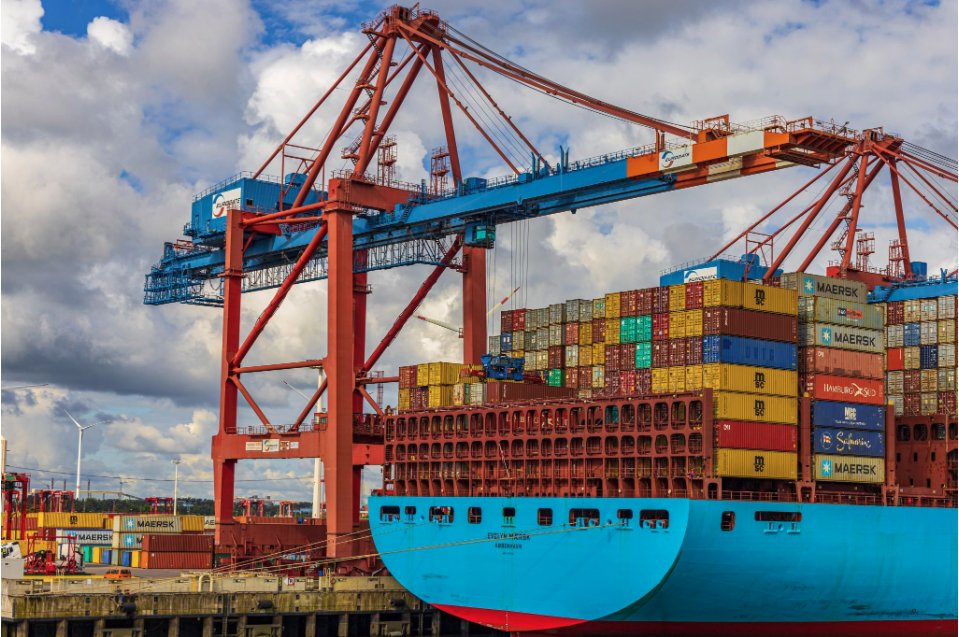
🚨BREAKING: U.S. imports of Brazilian tallow—used in biodiesel —tripled in early 2024. Behind it? Forced labor, trafficking, and illegal deforestation. Read our new report: https://t.co/tavFQDsZDS
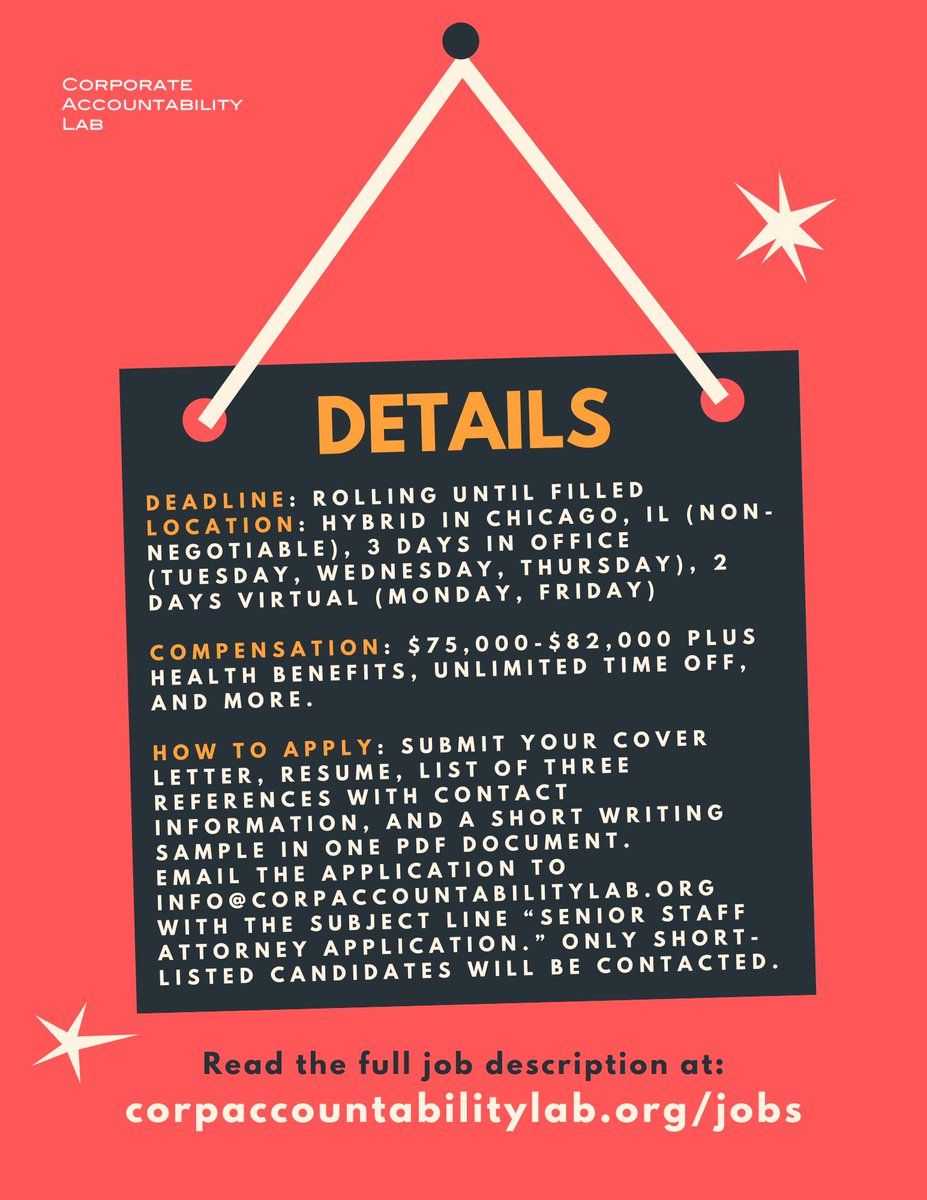
We're hiring! Seeking a Senior Staff Attorney (4+ years legal experience). Hybrid office in Chicago, excellent benefits.
Read the full job description: https://t.co/JPL1phXHEG
We're hiring!
CAL is seeking a Senior Staff Attorney to join our team! Interested in corporate accountability, human rights, and climate change litigation? Read the role description and learn how to apply here:
https://t.co/JPL1phXHEG
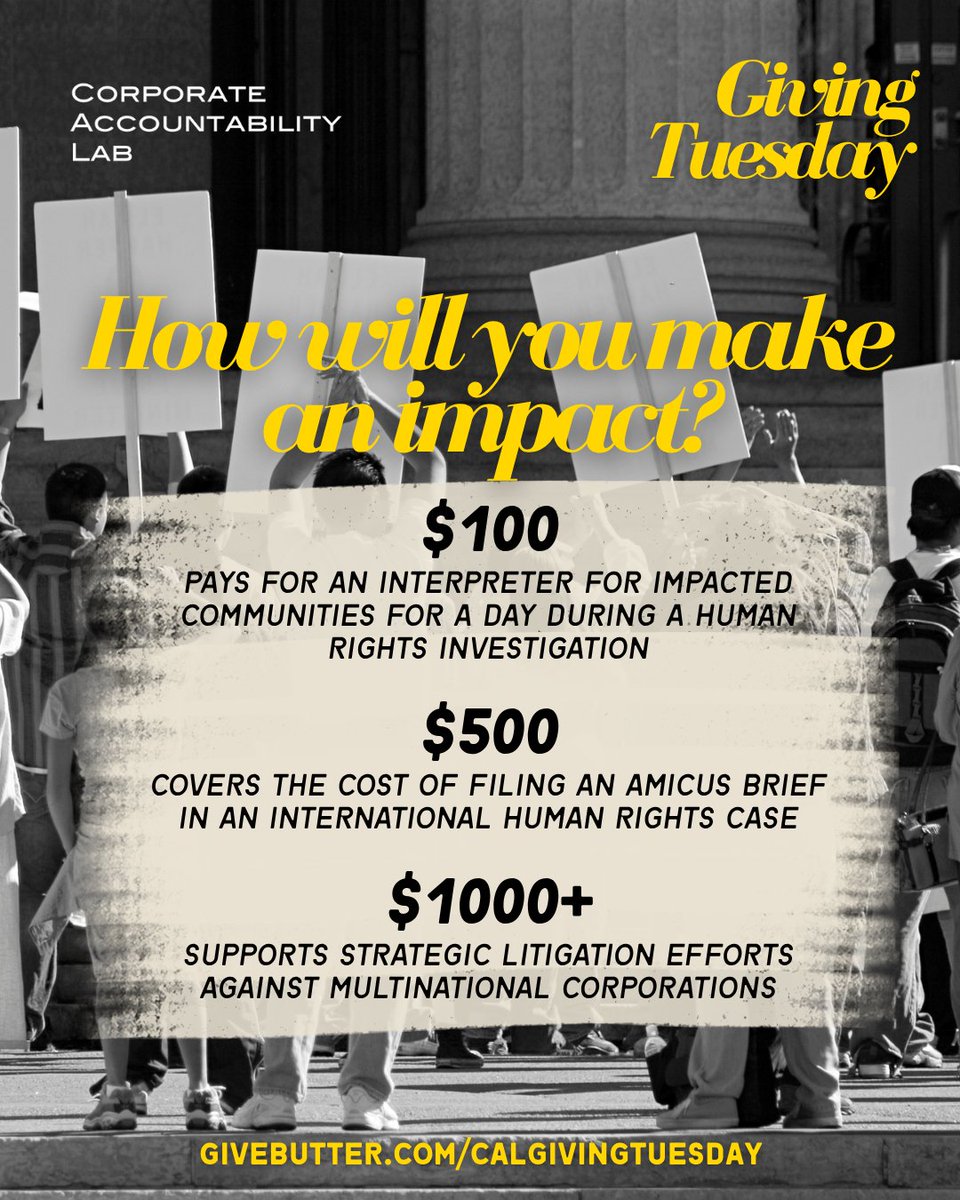
We need your help. The funding landscape for organizations like CAL continues to dwindle in a moment when we deeply need advocates and activists fighting for people and the planet. Please make a gift today:
https://t.co/l7vsaA0xE2
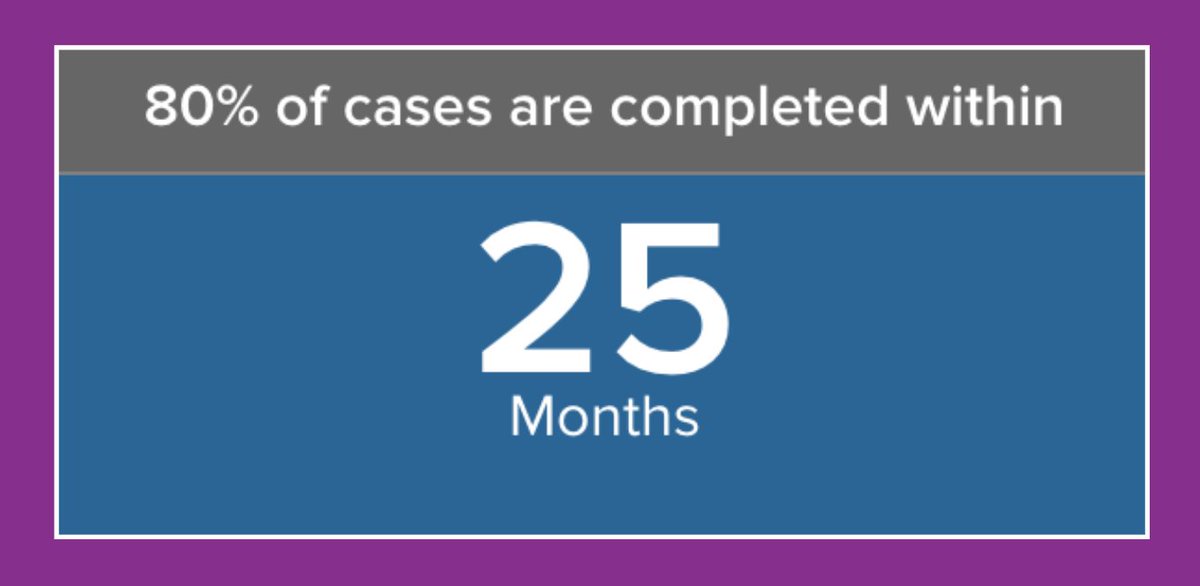
Trafficking survivors need legal immigration status to rebuild their lives. @USCIS just announced that the processing time for T visas—special visas for #traffickingsurvivors—has increased to 25 months, up from 19 months in January. #Traffickingvictims are living in limbo & fear.
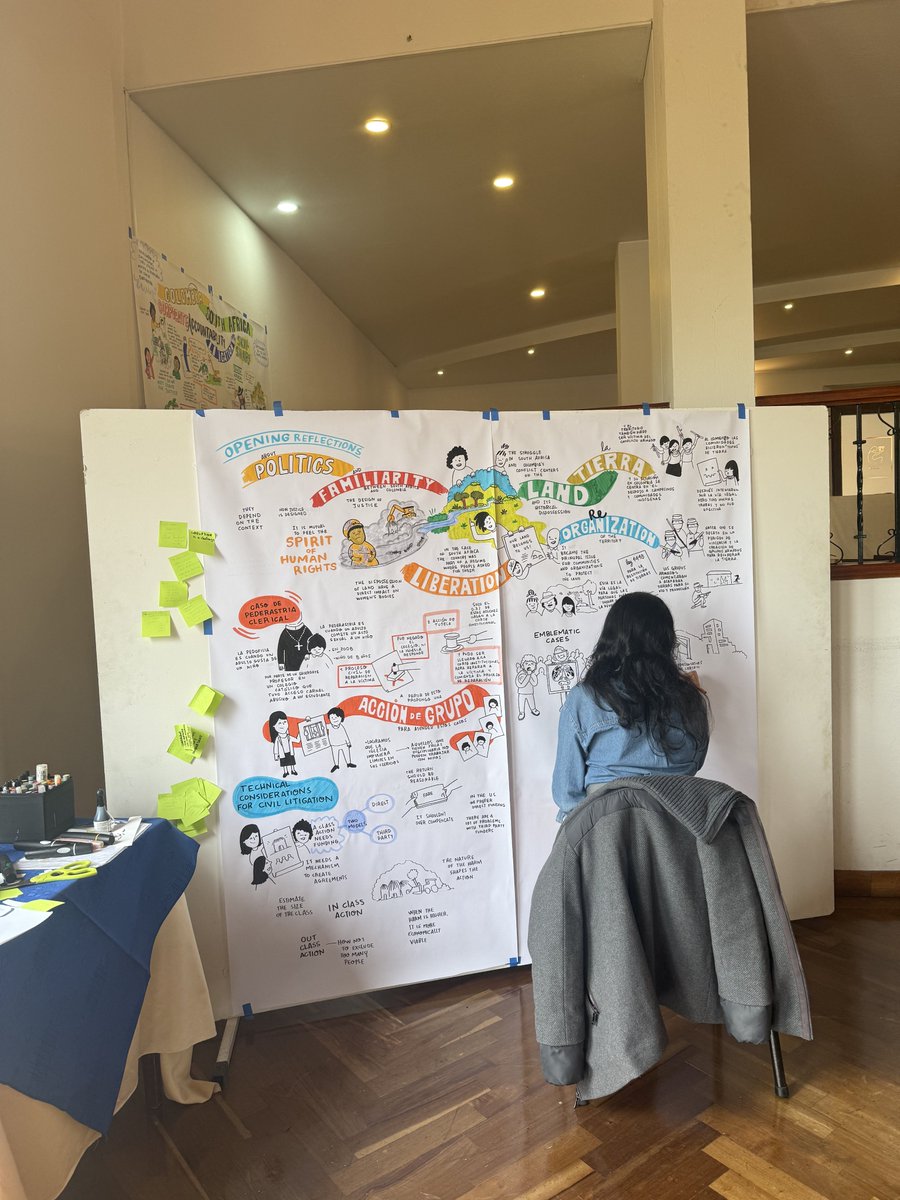
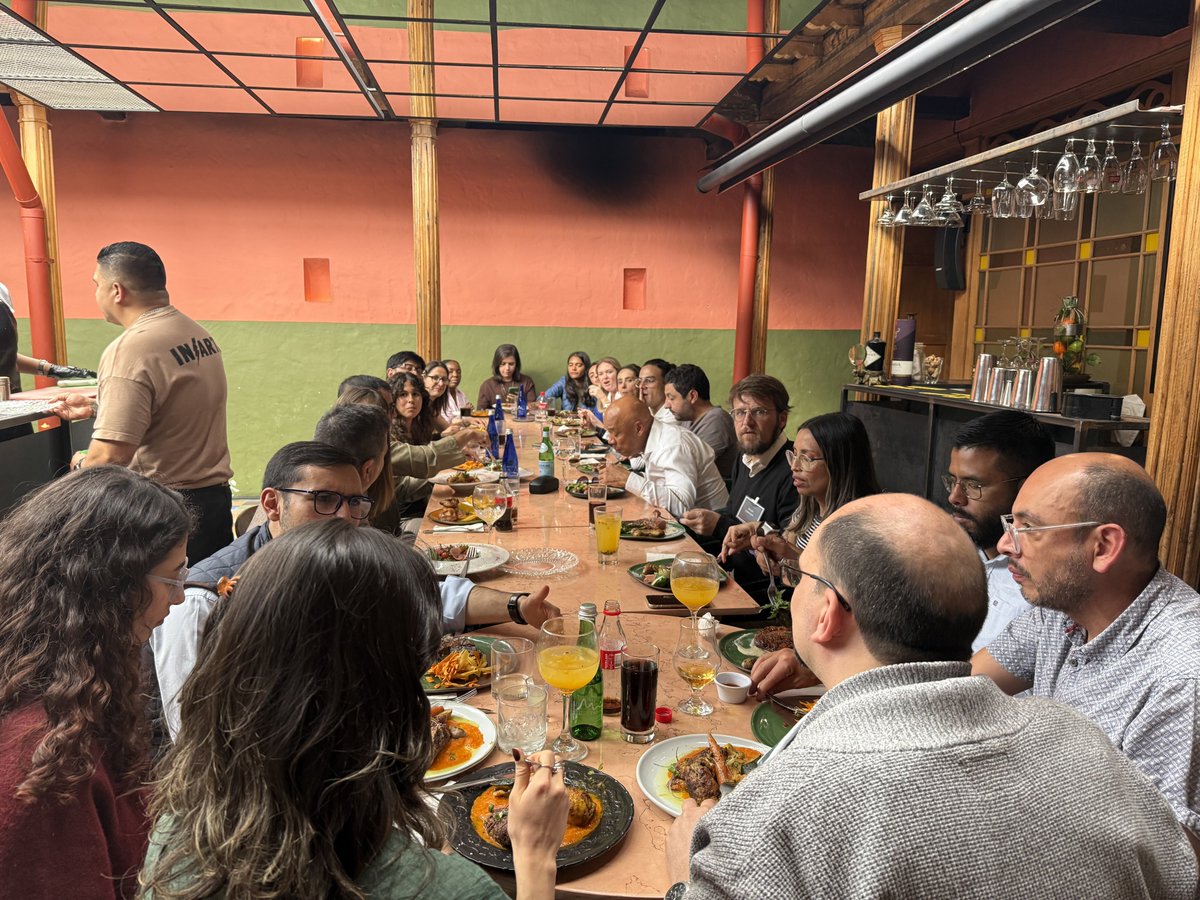
Recently, CAL facilitated a Global North-Global South human rights advocate skillshare in Bogotá, Colombia, with lawyers from South Africa and Colombia. Participants workshopped different legal strategies for corporate accountability + a just transition in post-conflict settings.
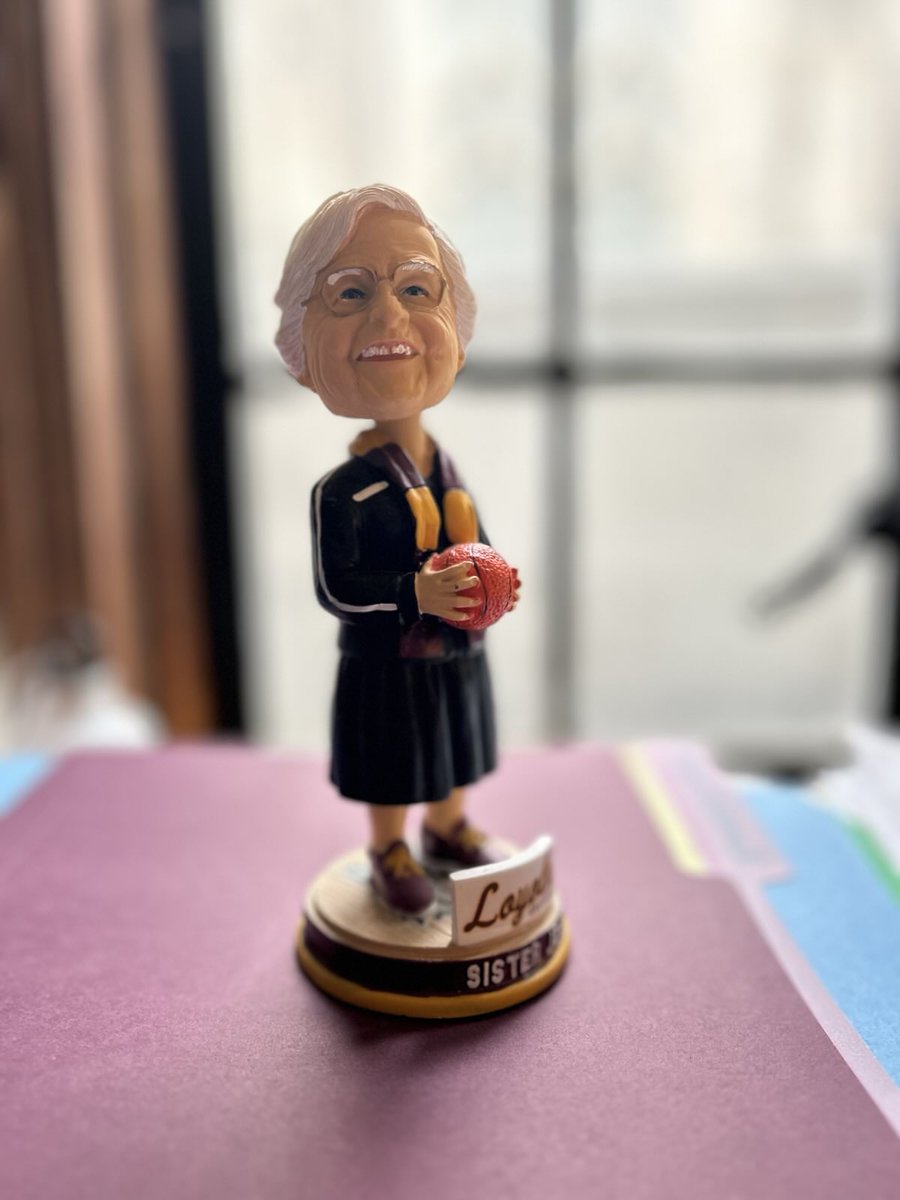
Rest in power, Sister Jean-- a Loyola University @RamblersMBB icon and human rights champion.
We worked with Sr. Jean on worker-enforceable codes of conduct in supply chain contracts for any goods produced in her likeness or image. Read our full tribute:
https://t.co/kUEYzpbdmY
New coverage from @Reuters on how forced labor on Brazilian cattle ranches makes it into US biodiesel, with shout out to our investigation partner @reporterbrasil!
https://t.co/NWgofX36Jq
There are no magic fixes, but Section 307 of the US Tariff Act delivers results. Import bans blocking forced-labor tainted goods from the US market have led to more than $62 million in back wages & fees returned to workers. Read our @openDemocracy oped: https://t.co/sp21hC40hA
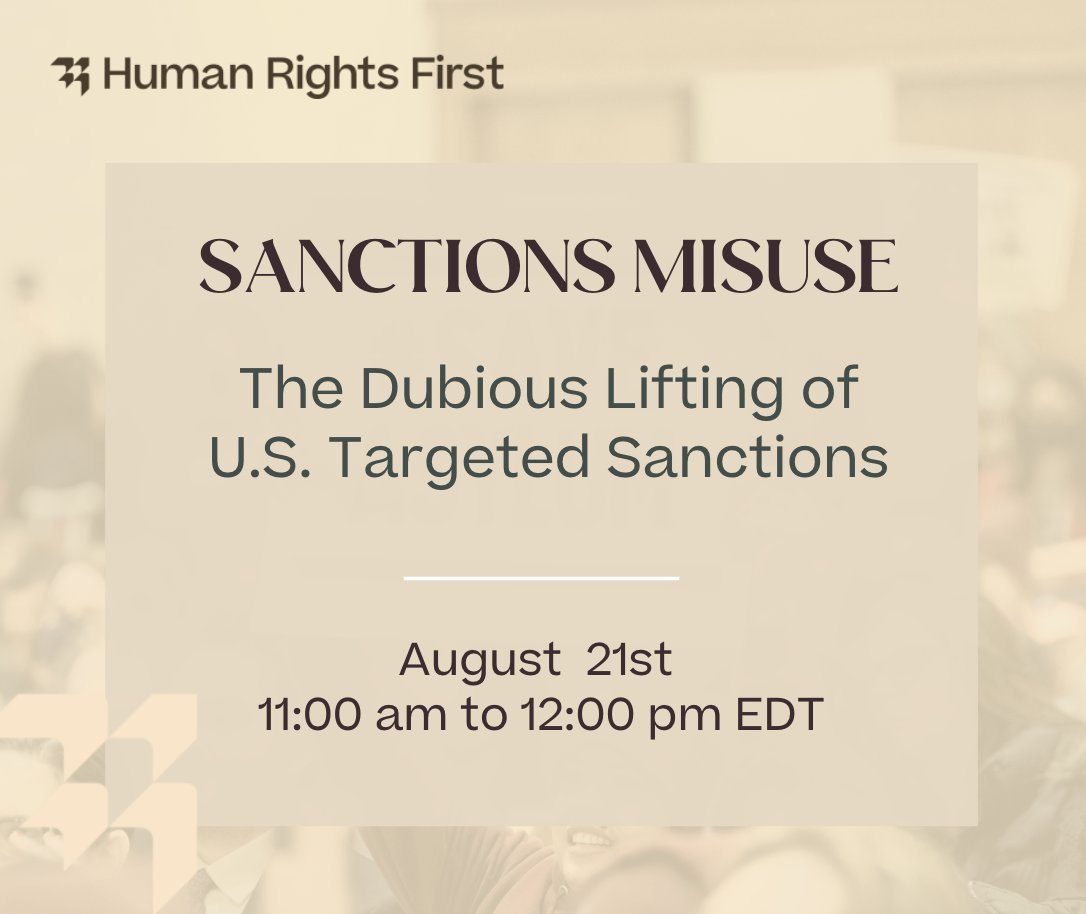
Catch CAL Exec Director Charity Ryerson speaking on the misuse of sanctions and other policy tools designed to hold perpetrators of human rights abuses accountable on August 21st ⬇️
Register here: https://t.co/KCX2cCLyu5
✍️ New blog post!
"Alame & ors. v. Shell Plc: UK Court Rejects Shell’s Attempt to Escape Liability for Nigerian Oil Pollution"
Read it in full: https://t.co/nAh6rxwgE7
"Import bans shut the door on goods made with forced labor. They punish exploiters, provide remedies to workers, and force real change." @HTLegalCenter's Human Rights & Trade Policy Director Anasuya Syam & President Martina Vandenberg in @openDemocracy: https://t.co/sp21hC4y78
Though Brazil has acknowledged the issue of #forcedlabor at the highest levels of government, bringing wide-ranging legislative, administrative, and policy initiatives, it remains widespread in the cattle industry.
Read our full investigation report: https://t.co/tavFQDtxtq
CAL’s report “Bullsh*t: Forced Labor in Brazil’s Beef and Tallow Supply Chains” uncovers systemic forced labor on cattle ranches in Brazil that export beef and its byproducts—including tallow used in biodiesel, cosmetics, and food—to the United States.
https://t.co/tavFQDtxtq
Brazilian cattle ranches using forced labor are supplying beef and tallow to U.S. companies. We're complicit—unless we demand change. Read our full report:
https://t.co/tavFQDsZDS
🥩The U.S. is the #2 buyer of Brazilian beef— some of which is linked to trafficked workers in dangerous, unpaid jobs.
This isn’t sustainable. It’s exploitation. Learn more:
https://t.co/tavFQDtxtq