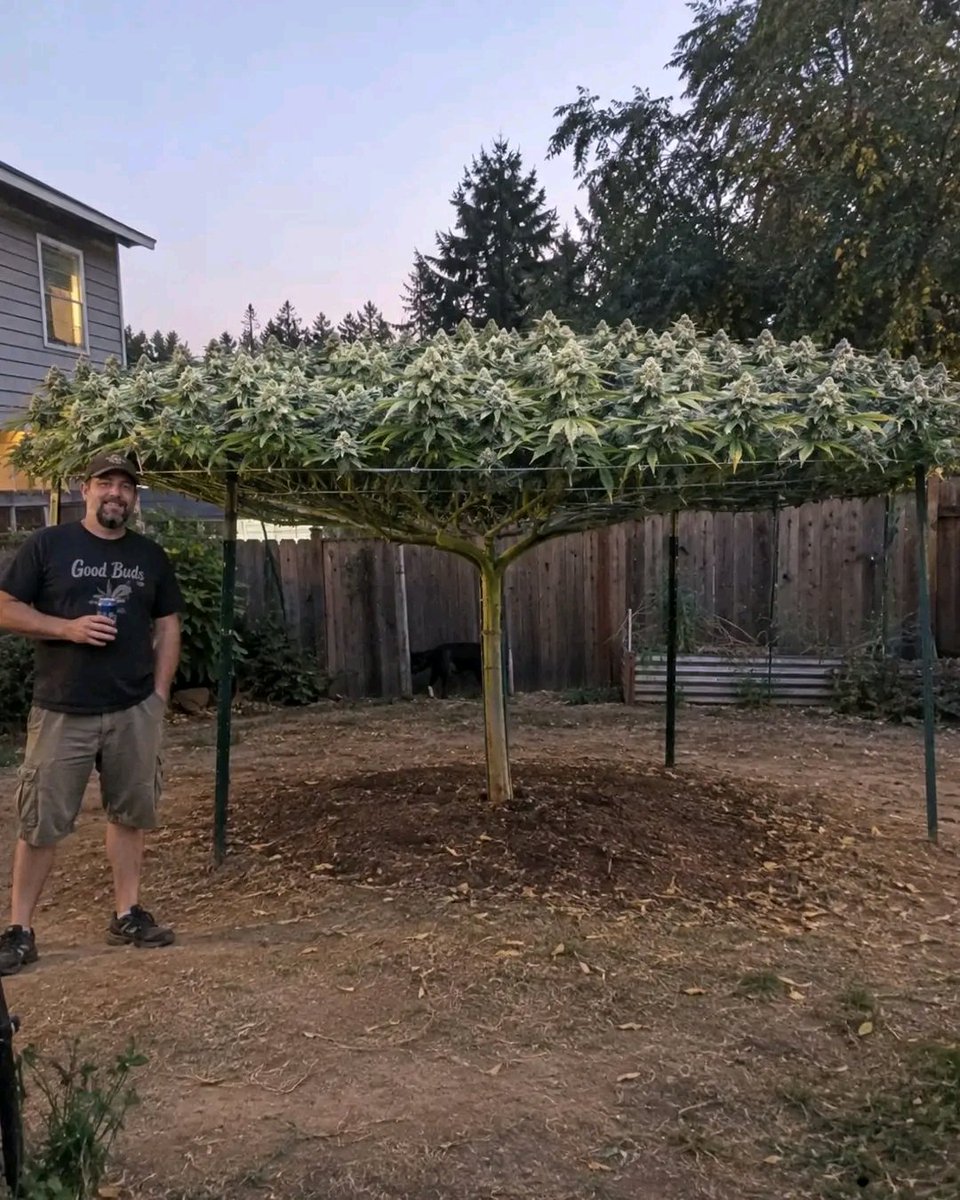
Some plants grow up. This one apparently decided to grow OUT. 😂🌿
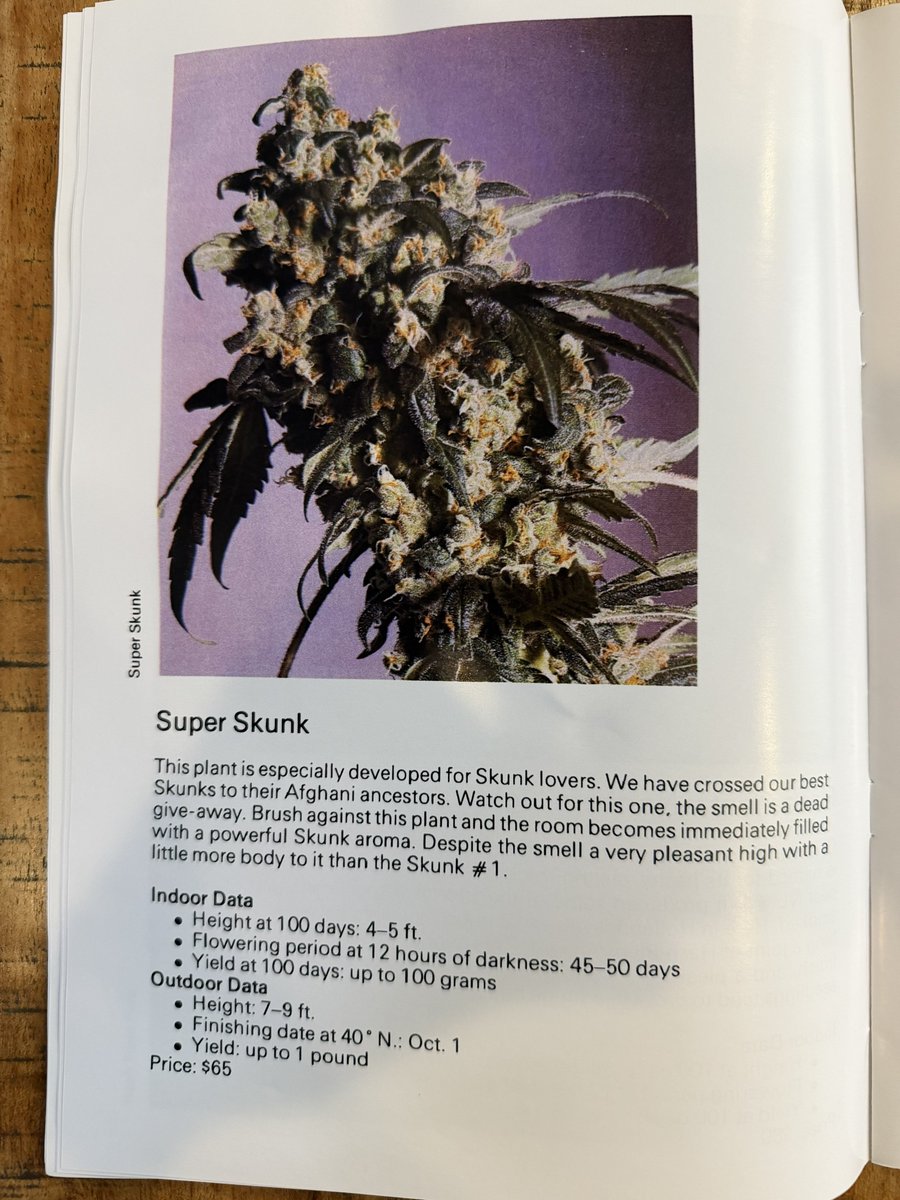
An absolutely wild garden sight — one giant, nearly flat canopy stretching several feet across and packed from edge to edge.
The person standing beside it really puts the scale into perspective. Nature definitely has a sense of humor sometimes! 😮
@FrancoisBoulo Ah ok, tant mieux car ne pas évoquer cette actualité bien plus nouvelle que les violences policières m'a surpris ! les violences policières ne sont pas normal mais ça va devenir normal ...
The Sakya Monastery is the historic main seat of the Sakya school of Tibetan Buddhism, located in Sa'gya Town, about 127km west of Shigatse in Tibet - China 🇨🇳. Founded in 1073 AD, by Khön Gönchok Gyalpo. Its abbots ruled Tibet during the 13th century under the Mongol alliance, holds an immense religious, political, and literary legacy as the primary seat of the Sakya school of Tibetan Buddhism...
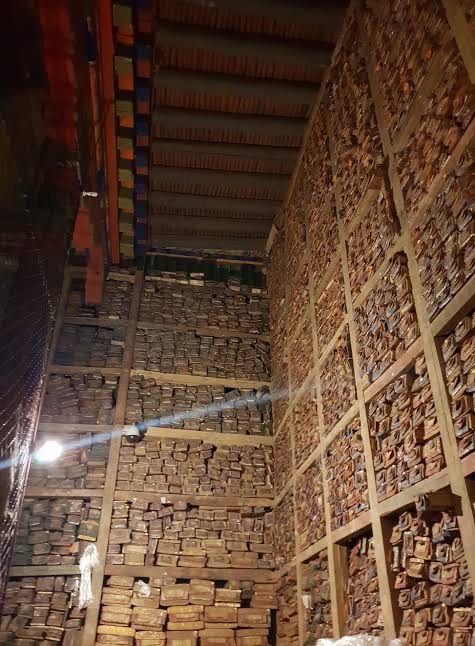
The Sakya Monastery discovery isn’t a single moment, it’s the slow unveiling of one of humanity’s greatest literary time capsules. Hidden in a fortress‑like library in Tibet, the monastery holds over 84,000 ancient volumes, many of them massive wooden-bound manuscripts stacked from floor to ceiling. For centuries, these texts survived wars, political upheaval, and harsh Himalayan winters because the monastery’s unique architecture, thick walls, minimal windows, and dry climate, acted like a natural vault. Inside are treatises on medicine, astronomy, mathematics, philosophy, history, and Buddhist teachings, many of which exist nowhere else on Earth.
For generations, monks preserved the collection through careful ritual handling, but modern scholars barely knew what was inside. Only 5% of the texts had ever been translated, meaning the vast majority of the library’s knowledge remained locked away in classical Tibetan scripts. That changed in 2011, when a monumental effort began: monks and researchers teamed up to digitize the entire archive, photographing page after page using improvised setups inside the dim library halls. By 2022, they had indexed every single book and digitized more than 20% of the collection, creating the first comprehensive catalog in the monastery’s 900‑year history.
What makes this discovery extraordinary is not just the scale, it’s the potential impact. Scholars now believe the Sakya library may contain lost medical knowledge, forgotten historical records of Central Asia, early astronomical calculations, and philosophical works that could reshape our understanding of Tibetan and world intellectual history. The digitization project transformed a hidden trove into a global resource, turning a remote Himalayan monastery into one of the most important literary discoveries of the 21st century.
Many of its 84,000 volumes were originally sealed inside the walls themselves, hidden behind thick structural beams and packed into architectural cavities as a way to protect them from fire, invasion, and humidity. For centuries, monks knew the texts were there, but the full scale of the “wall library” wasn’t understood until modern documentation began. Some manuscripts were so tightly stored that they hadn’t been physically accessed in generations, making their recent indexing the first time anyone had catalogued them in nearly 900 years.
#archaeohistories
🔥 DEHORS −12 °C. DEDANS 26 °C. POUR 5 DOLLARS. 🔥
Selon la vidéo de Daniel’s Inventions, une simple lampe à huile transformée en convecteur chaufferait une cabane de 20 m² pour moins de 5 dollars par semaine.
Le foyer atteint, d’après leurs mesures, environ 260 °C. En sortie d’air : près de 233 °C. L’huile, achetée en gros à 2,50 dollars le gallon, tiendrait environ une semaine à raison de 12 heures par jour.
La caisse ? Une boîte à munitions, des gouttières en acier, du verre de four, un joint haute température, une plaque de béton et un ventilateur d’ordinateur en 12 volts. Coût des pièces : environ 100 dollars.
L’air frais entre par le bas. Les fumées sortent par le haut. À l’intérieur, disent-ils, pas d’odeur. La flamme derrière la vitre donne l’illusion d’une cheminée au gaz.
Vous y voyez une astuce de survie énergétique. Ou un bricolage à manier avec une extrême prudence. La séquence, elle, est là.
Dites-moi en commentaire 👇
#OnceYouSeeIt #Chauffage #DIY #Énergie
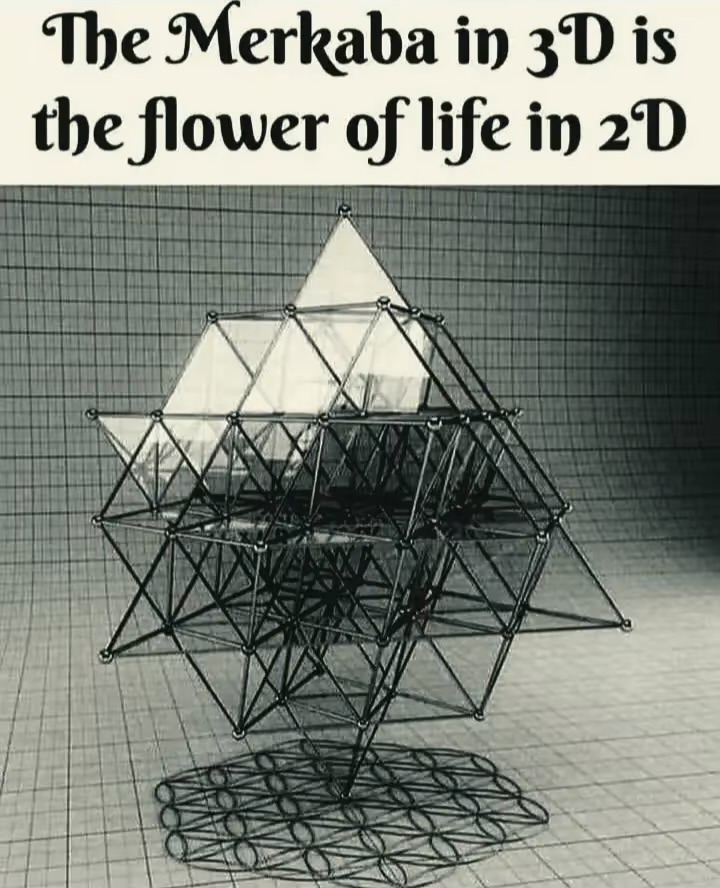
We don't experience a STATIC world.
Every living thing is in MOTION...
growing, changing, becoming.
A POINT becomes a LINE.
A line becomes an AREA.
An area becomes FORM.
But FORM doesn't fully describe our REALITY.
For life to be EXPERIENCED...
it must unfold through TIME.
3 dimensions of SPACE.
1 dimension of TIME.
So, do we merely EXIST in 3D...
Or do we EXPERIENCE in 4D?