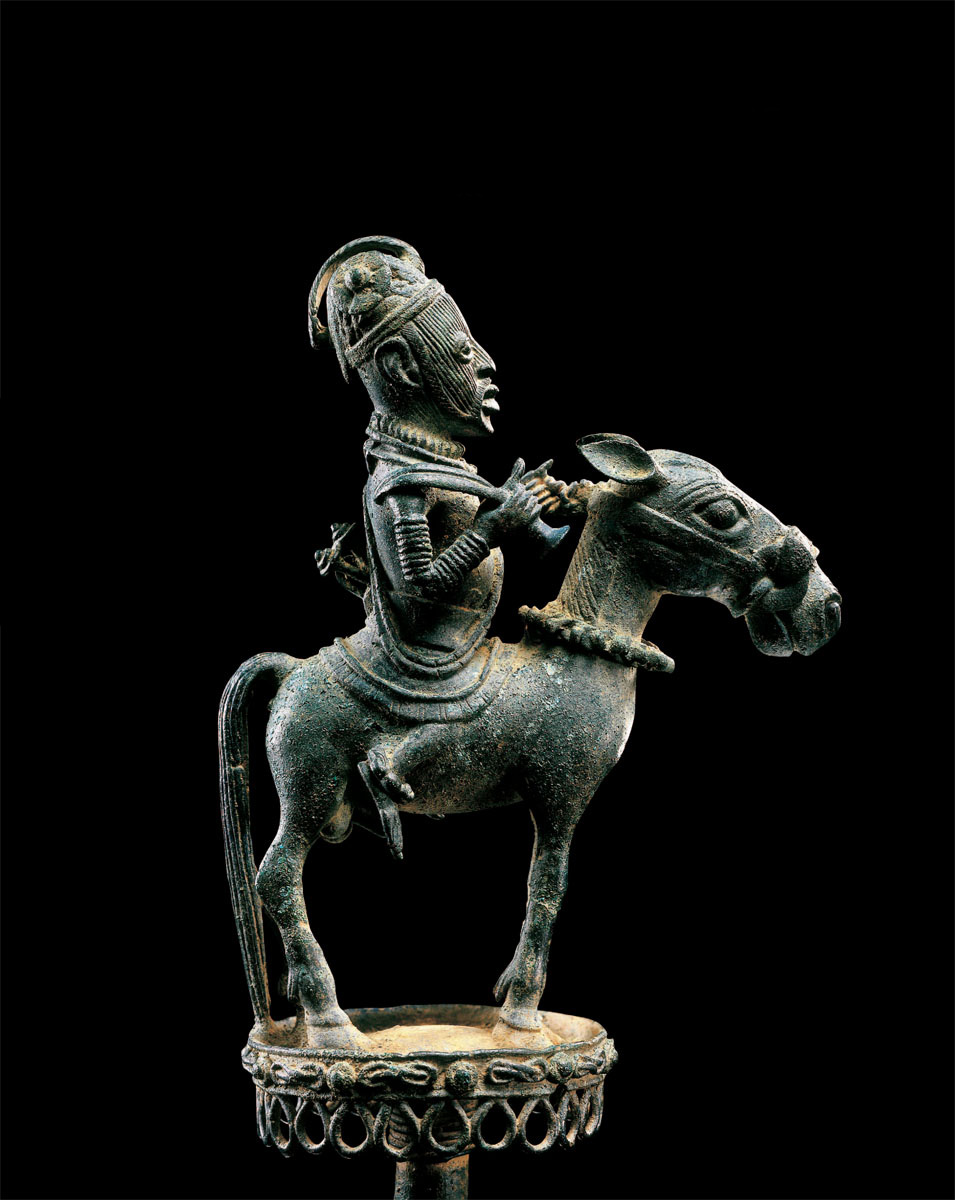
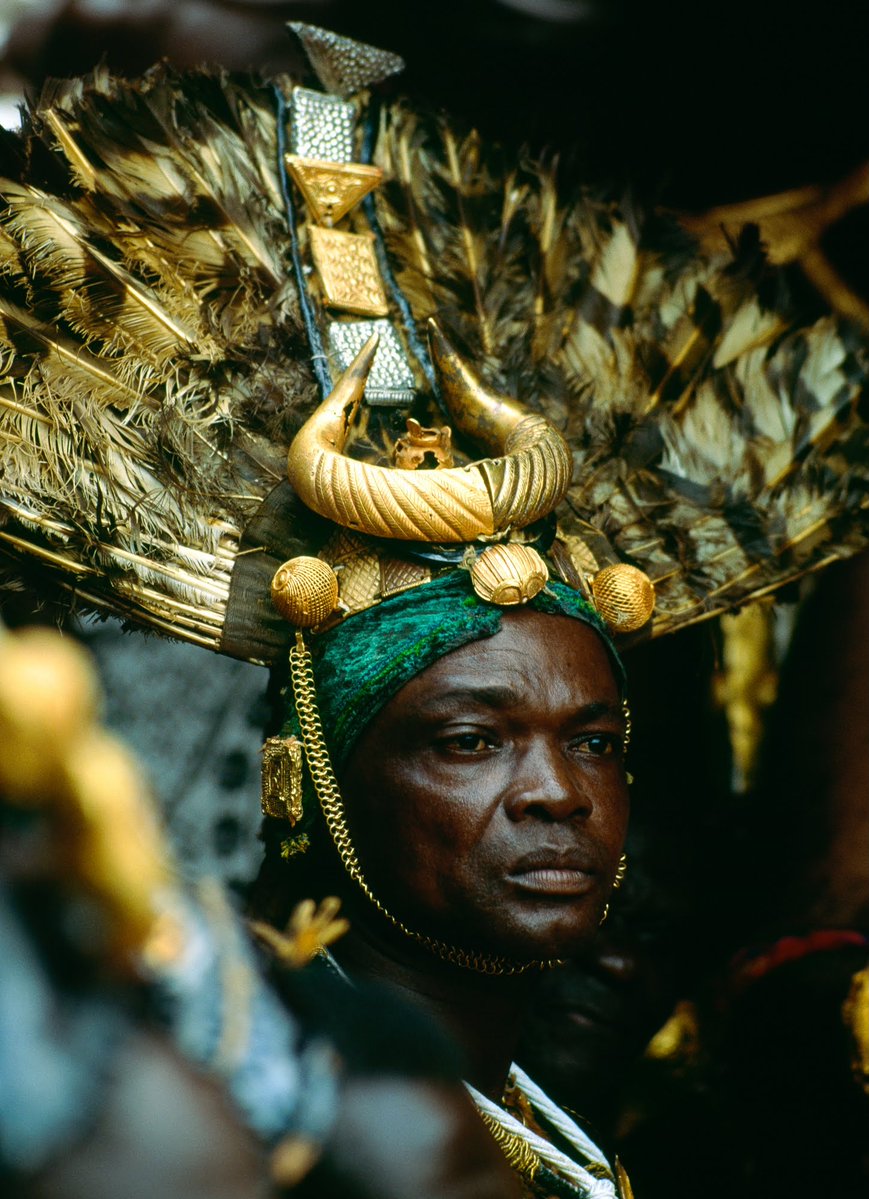
@PrinceCamaraSL @appiahbreezy The feathered headdress with gilded horns indicates that the figure was based on the Chief swordbearer, known as the Mponponsuohene. The vest is based on the war shirt known as batakari and his pants and boots seem to be an old European influence.
Selected watercolours of warriors and musicians from Nigeria and Cameroon, 1910-1911, by Carl Arriens.
Watercolours brought to life by Haiper, an AI video-generation tool.
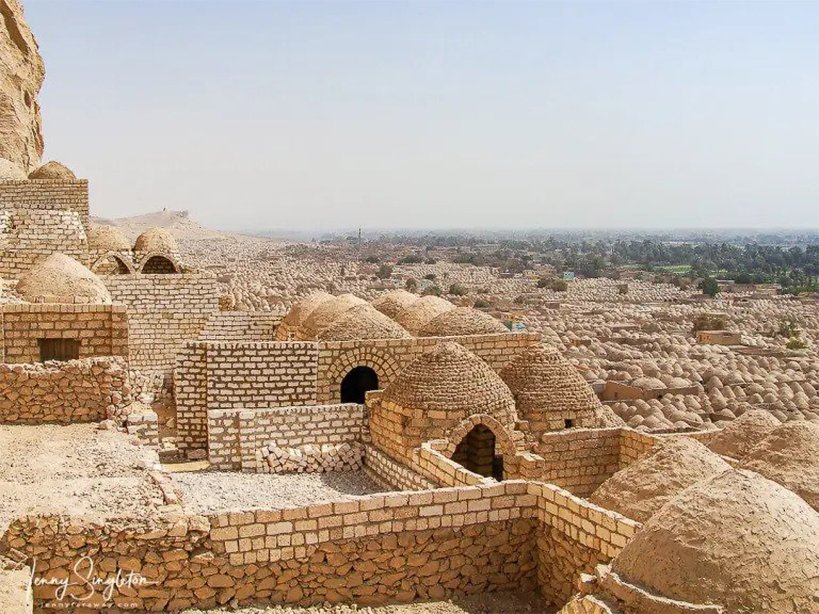
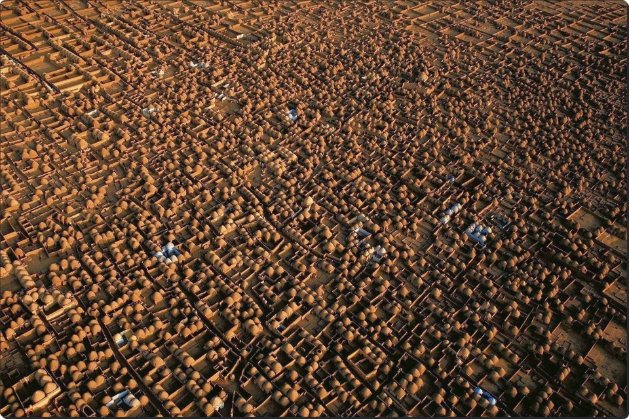
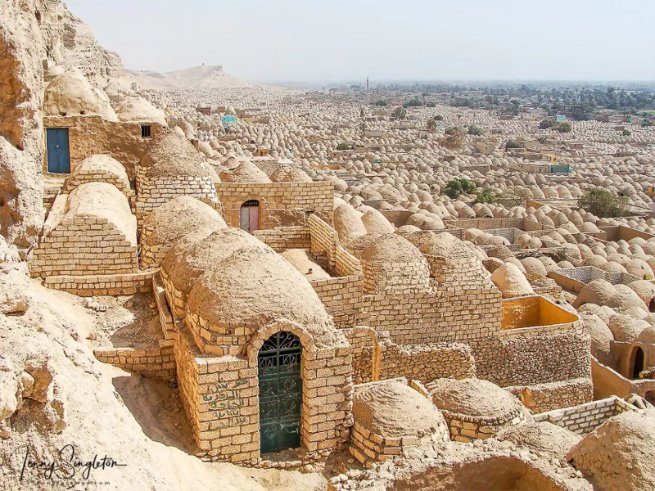
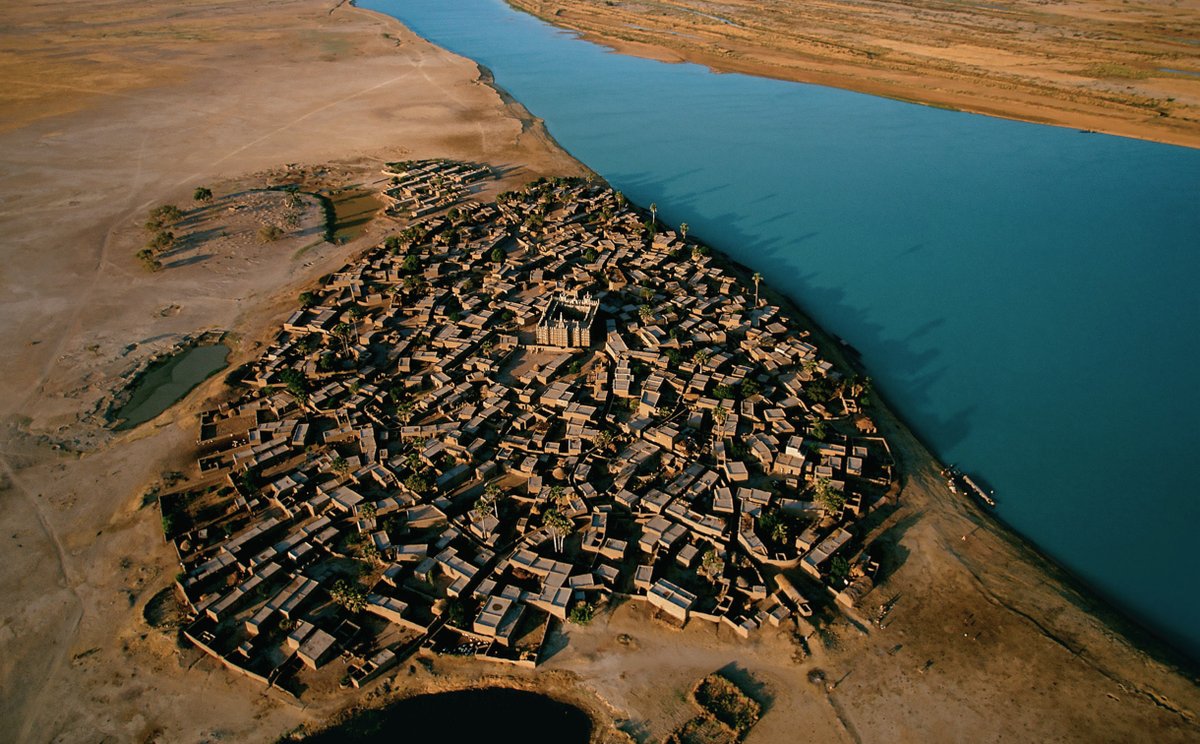
The necropolis of Zawyet el-Maiyitin, Place of the Dead, near the city of Minya, Egypt. Photographs by Yann Arthus-Bertrand and Jenny Singleton.
One of the largest cemeteries in Egypt, home to thousands of mud domed tombs used by both muslims and coptic Christians to this day.
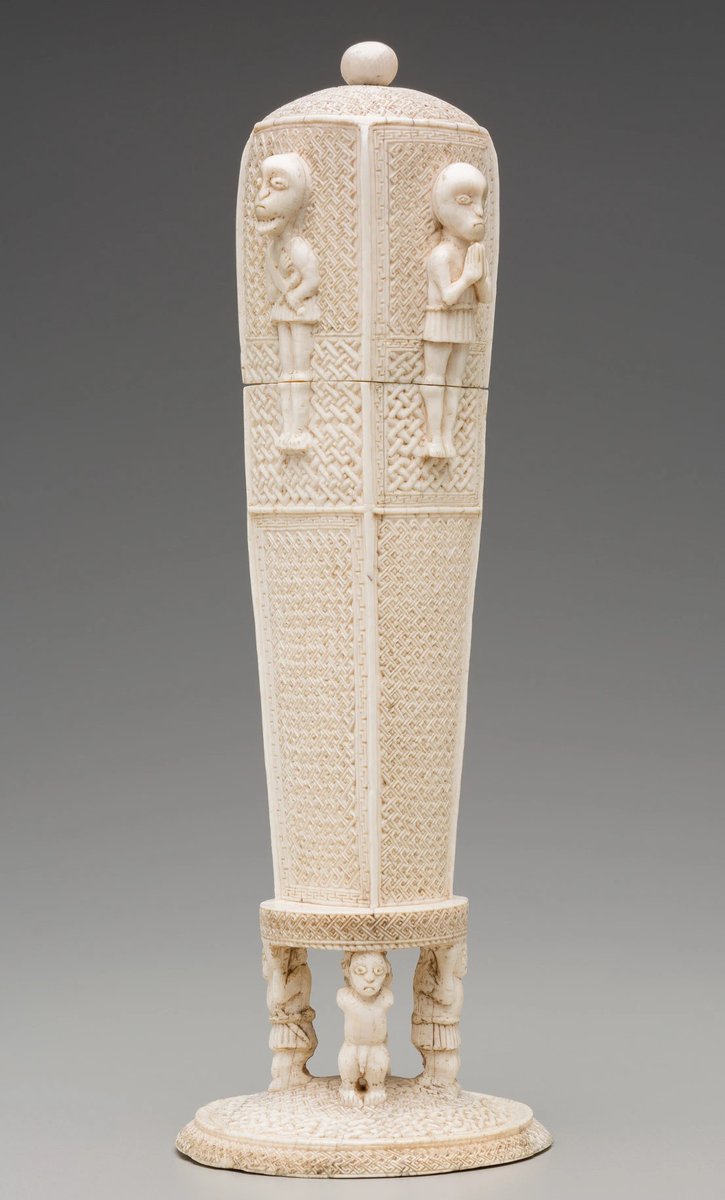
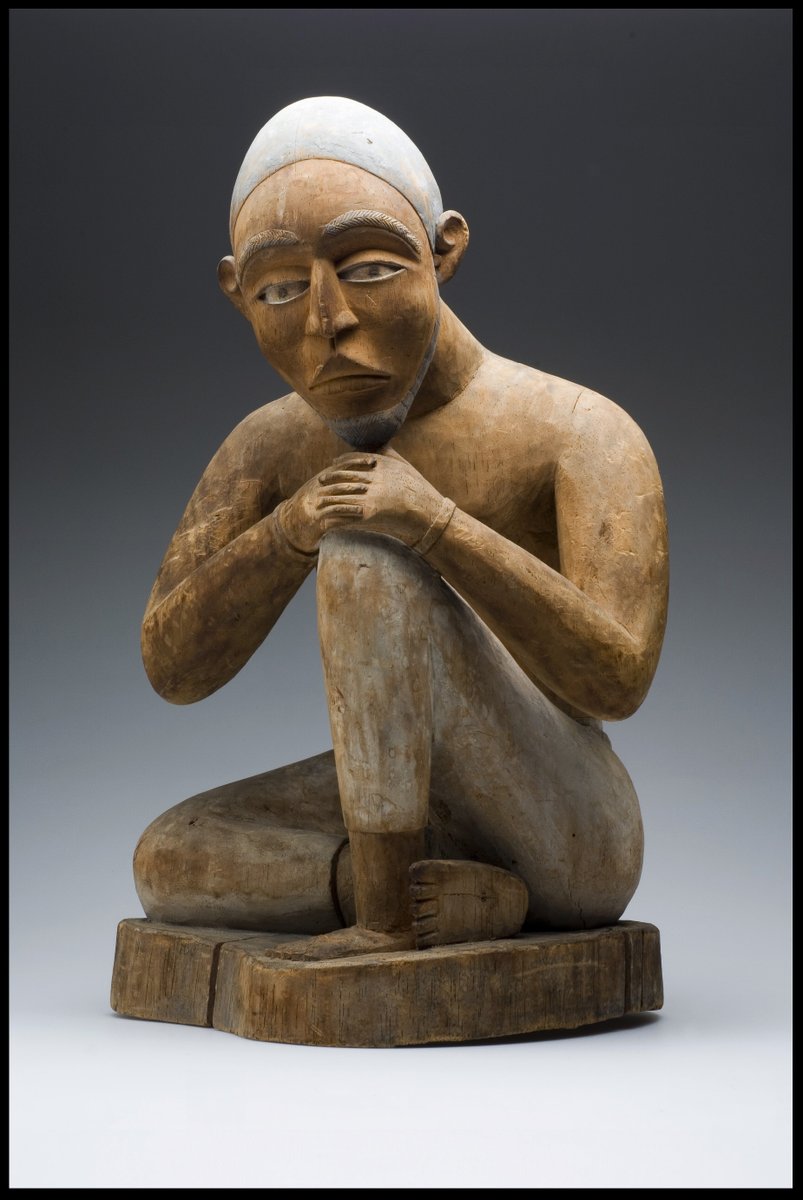
A masterpiece of Congolese sculpture work, dated c. 1850-1885, housed in the Tropenmuseum in Amsterdam.
This ancestral figure of a seated man from western DR Congo has been tentatively attributed to the Woyo people, based on stylistic grounds.
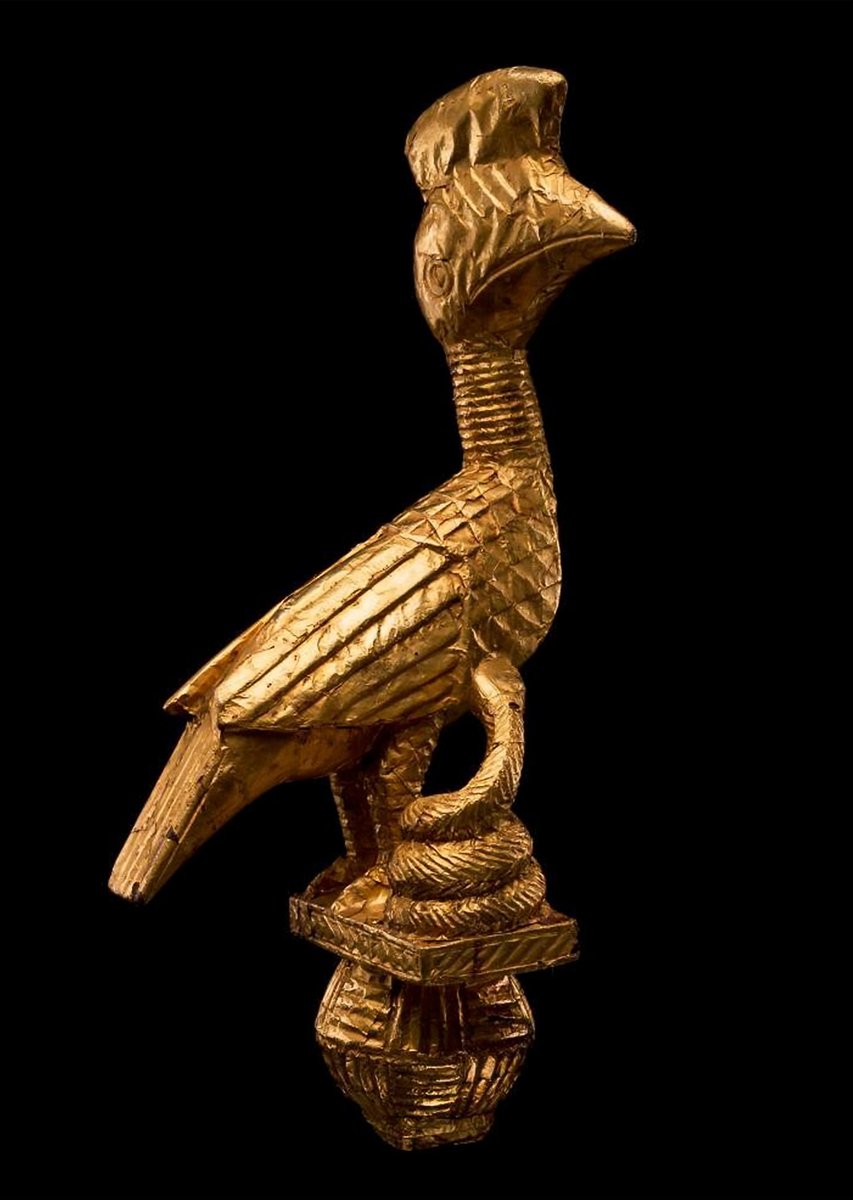
“The puff adder that cannot fly has caught the hornbill that flies.”
Ceremonial sword handles, Akan peoples, Ghana or Ivory Coast, 19th and 20th century.
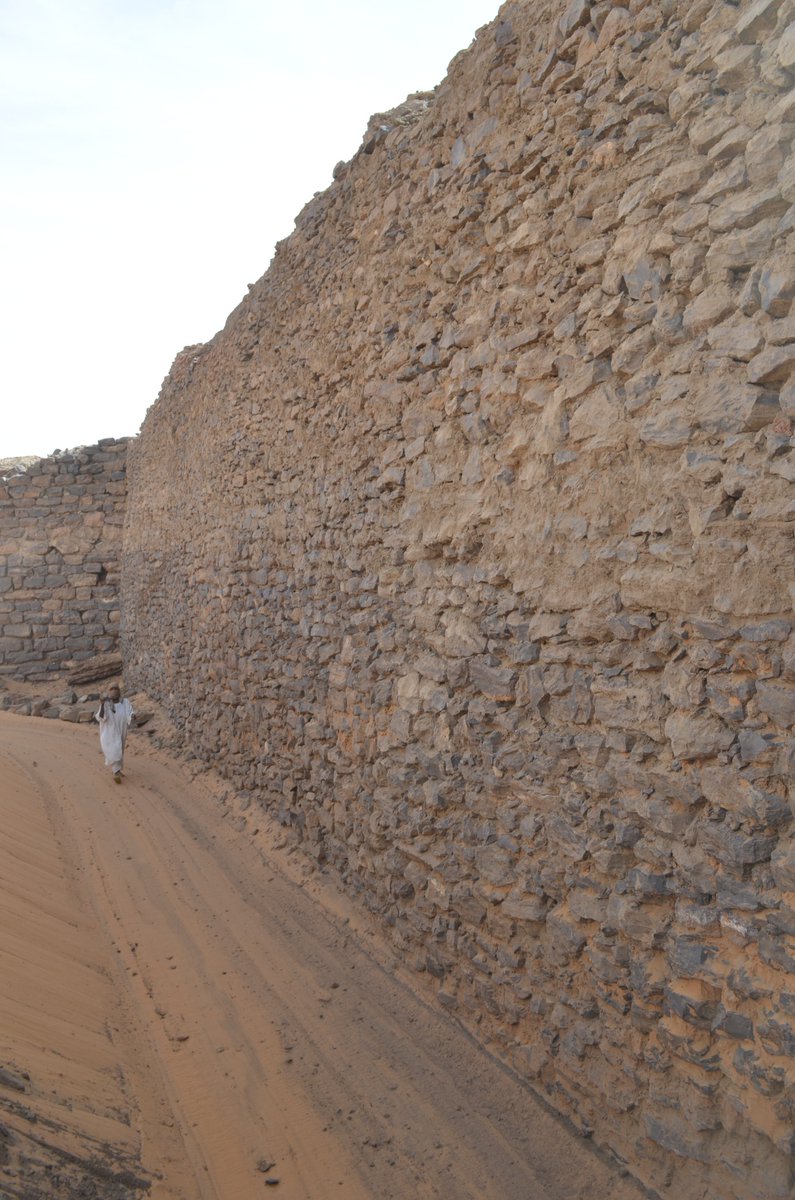
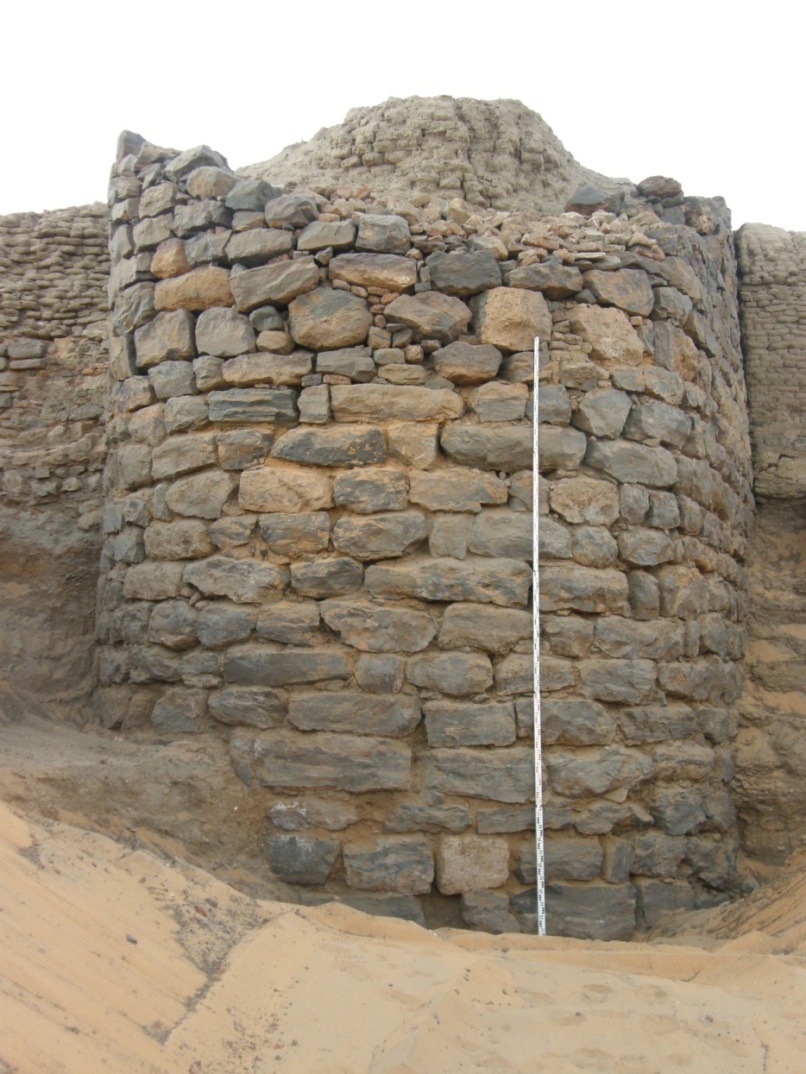
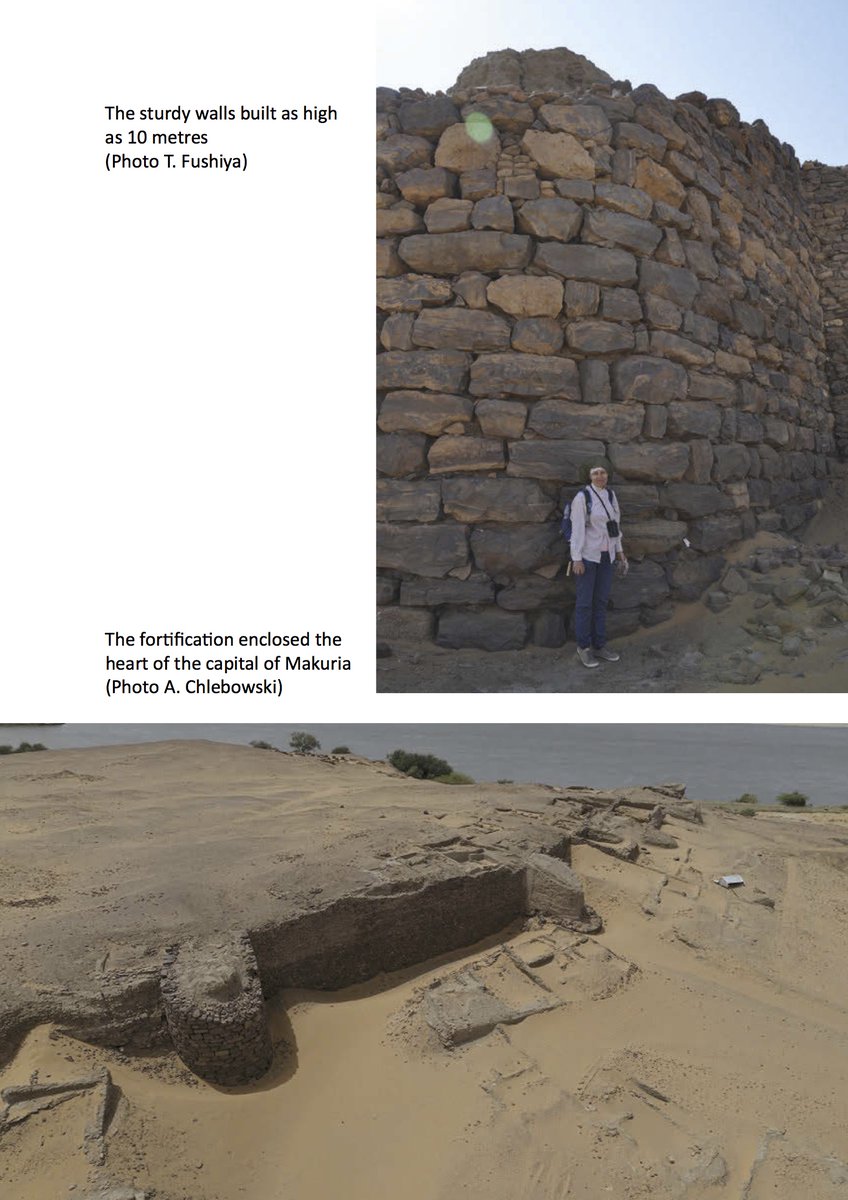
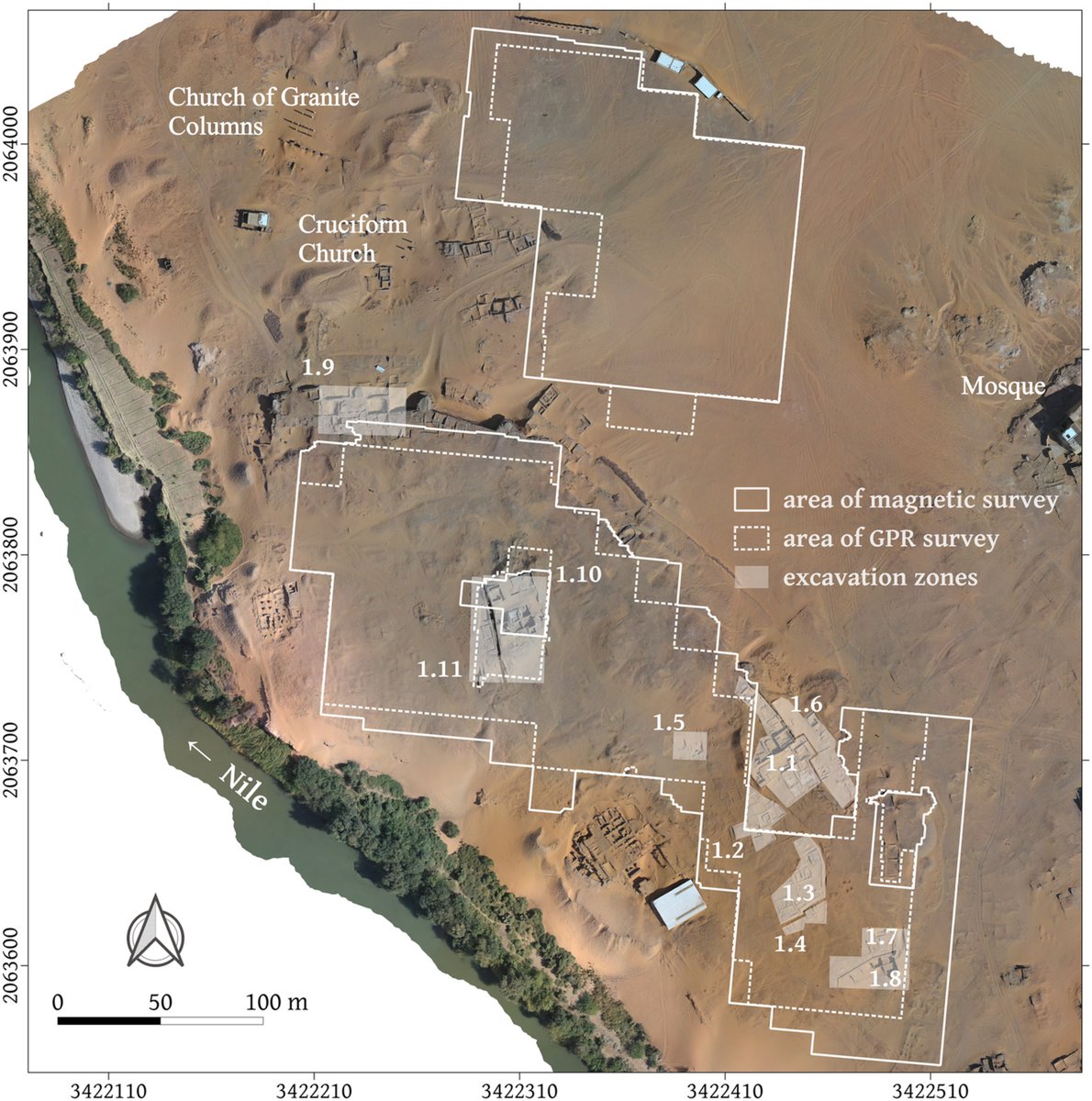
The massive early medieval fortification walls of the citadel of Old Dongola, capital of the Nubian kingdom of Makuria, have been unearthed in Sudan. 5th to 6th century AD.
Nana Asmaʼu (نانا أسماء بنت عثمان فودي), a Fulani princess, revered scholar, poet and teacher, 1793 –1864. She was a highly respected daughter of Usman dan Fodio, founder of the West African Sokoto Caliphate. Nana Asmaʼu is remembered for her poetry and women’s education programs
ልዕልት ፀሐይ / Princess Tsehai, 1930, Ethiopia.
Painting by Helene Kirschke (1892–1945).
“Princess Zahai”, more commonly rendered as “Princess Tsehai Haile Selassie”, was the third daughter of Emperor Haile Selassie I and Empress Menen Asfaw of Ethiopia.
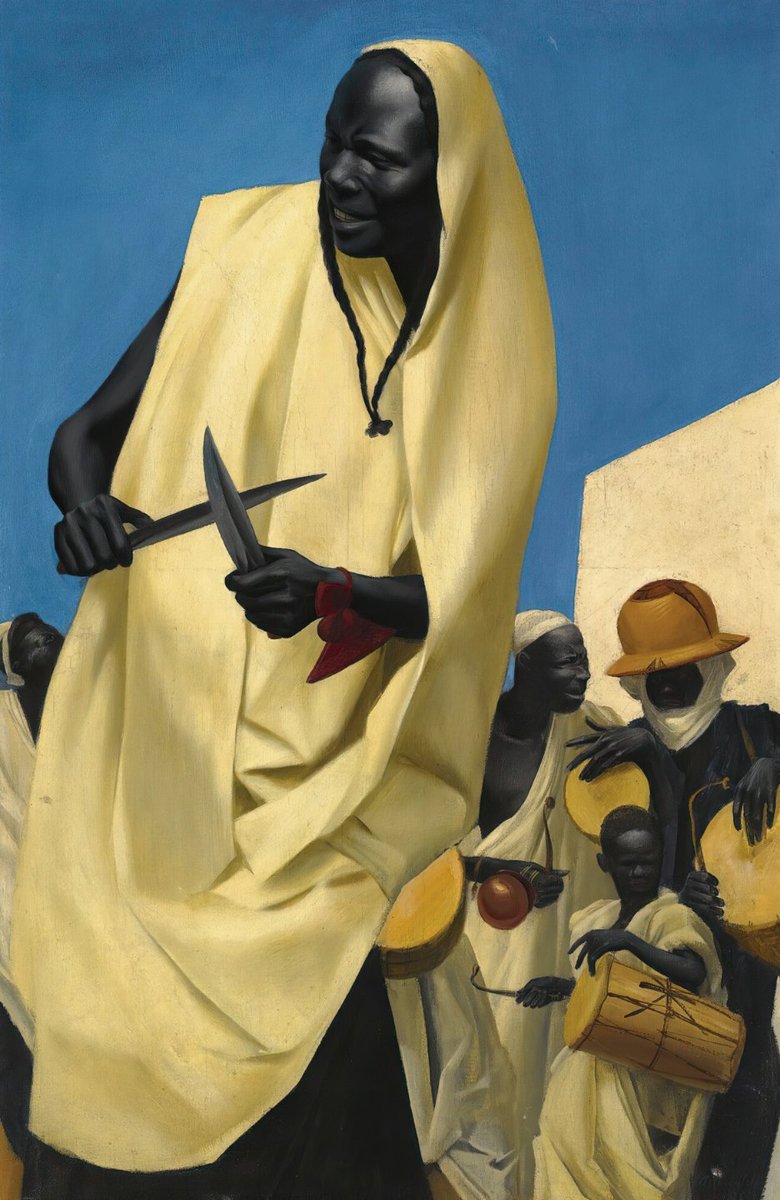
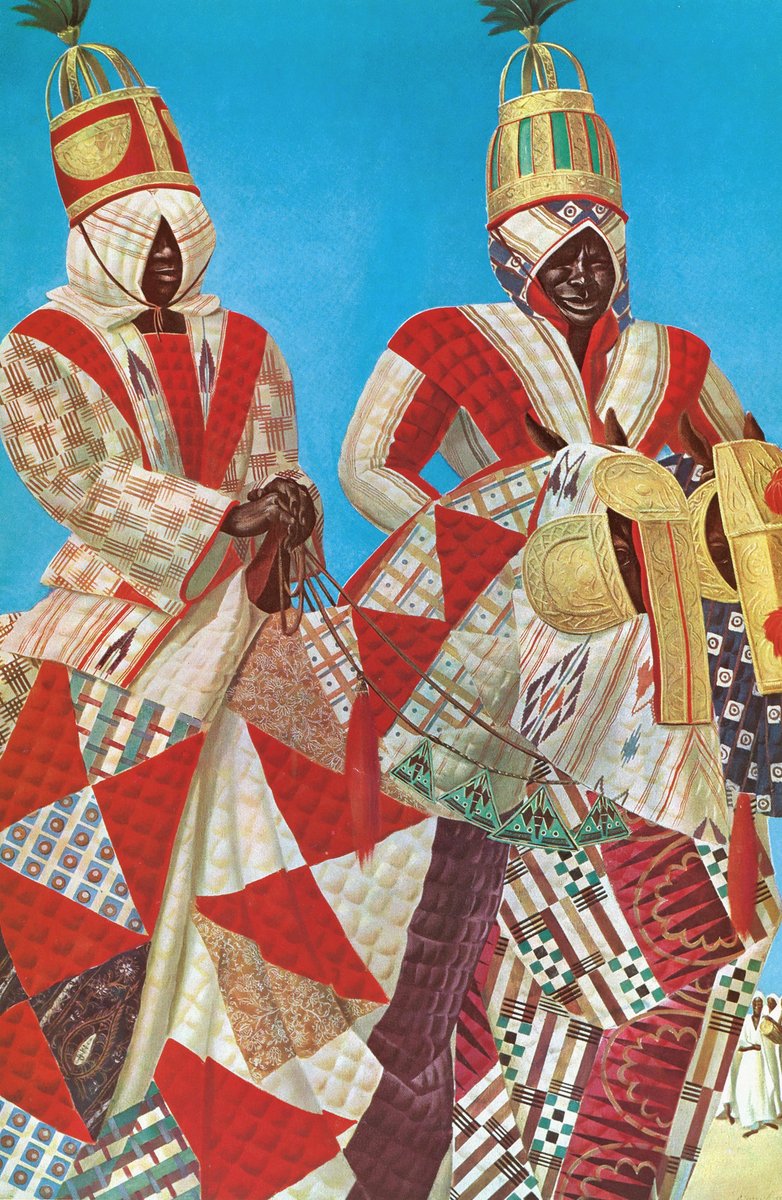
Performers, horsemen and chief from Niamey and Maradi, Republic of the Niger, by Alexandre Yevgenievich Jacovleff, c. 1925 - 1927.
“Between 1924 and 1925 he took part in an expedition to the Sahara desert and Equatorial Africa organized by Citroën (Croisière Noire).”
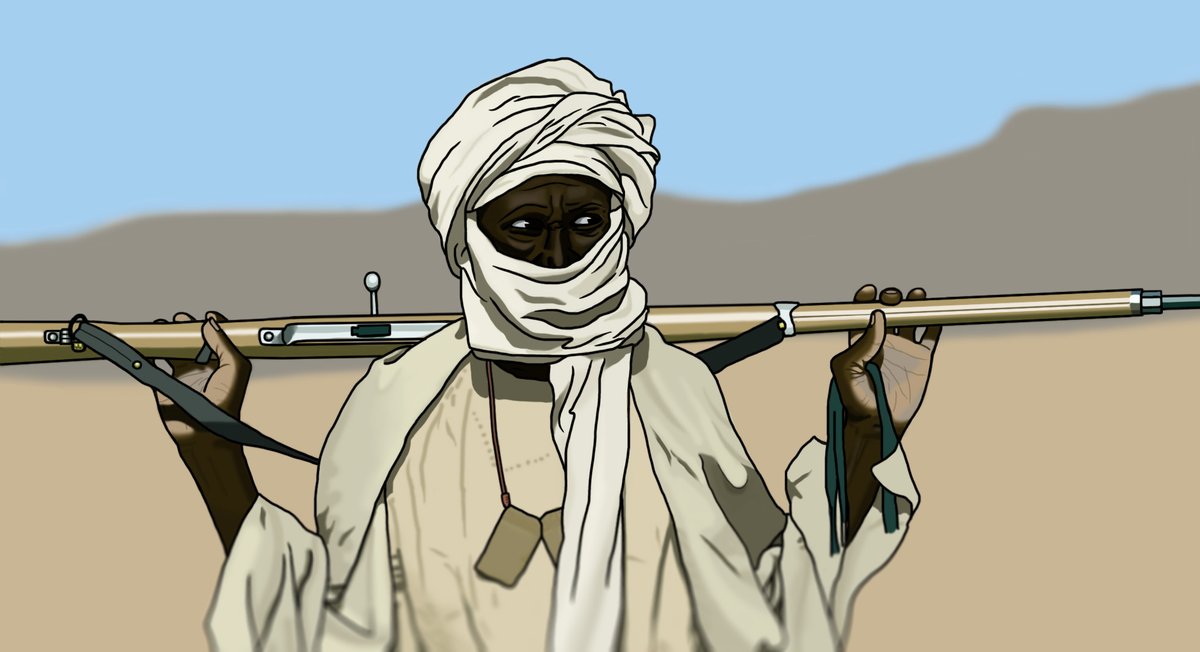
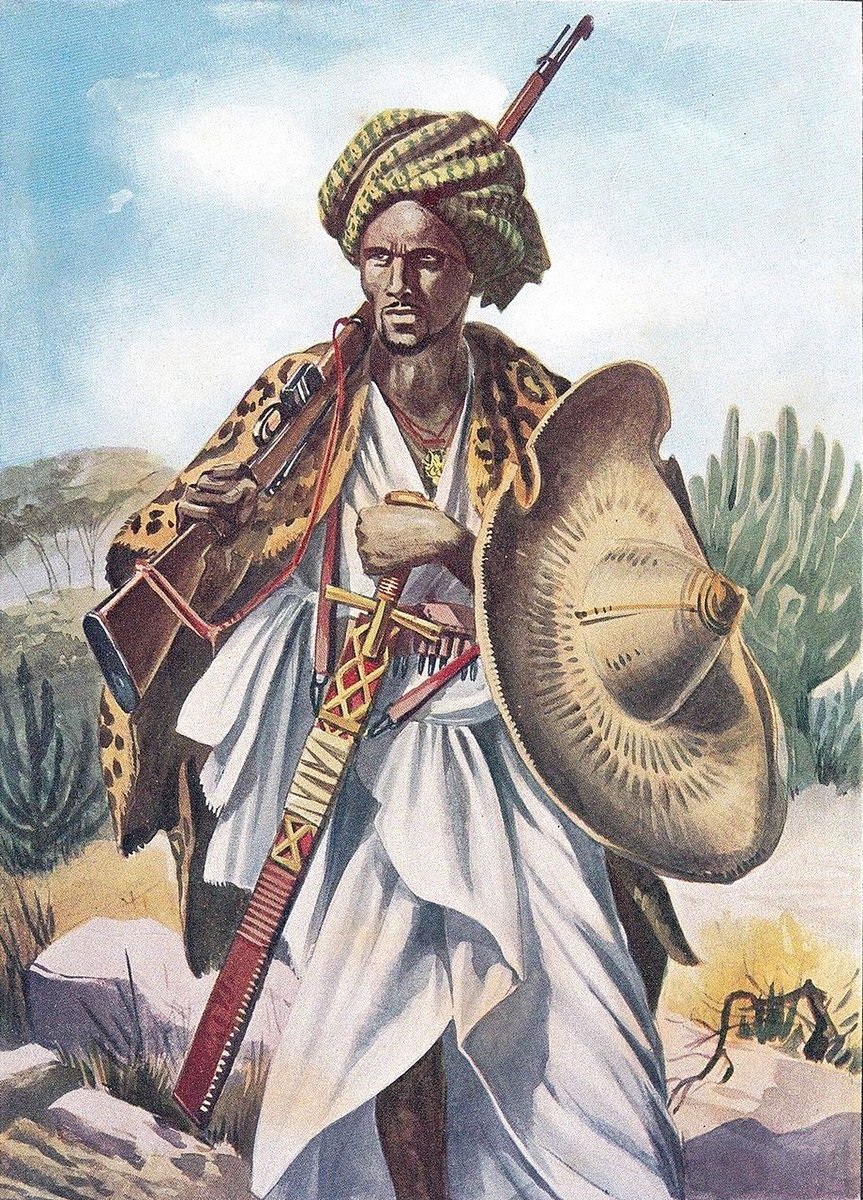
Hersi Boqor was the son and heir apparent of Boqor Osman of the Sultanate of Migiurtinia, also known as the Majeerteen Sultanate in Puntland, Somalia. He is remembered for leading a large scale rebellion against Italian colonial expansion into the sultanate between 1925 and 1927.
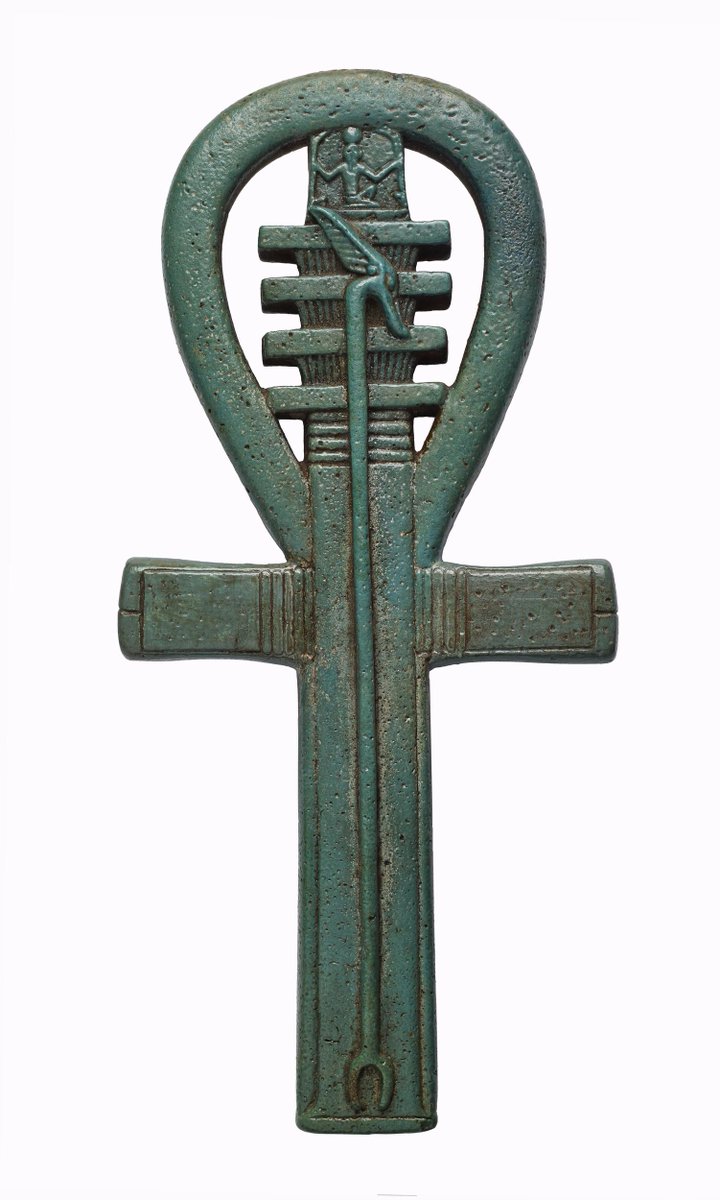
@daLongBaller2 That's the top part of the Djed hieroglyph, which is a representation of a pillar. "The djed hieroglyph was a pillar-like symbol that represented stability. It was also sometimes used to represent Osiris himself"
An Ankh-Djed-Was amulet from the Kingdom of Kush, Napatan period.
Made from faience. From Taharqa's temple of Mut (B300), part of the temple complex at Gebel Barkal, Napata, Sudan, c. 700 BC - 500 BC.
#Ankh#amulet#hieroglyph#faience#Taharqa#Kush#Nubia#Sudan#Africa