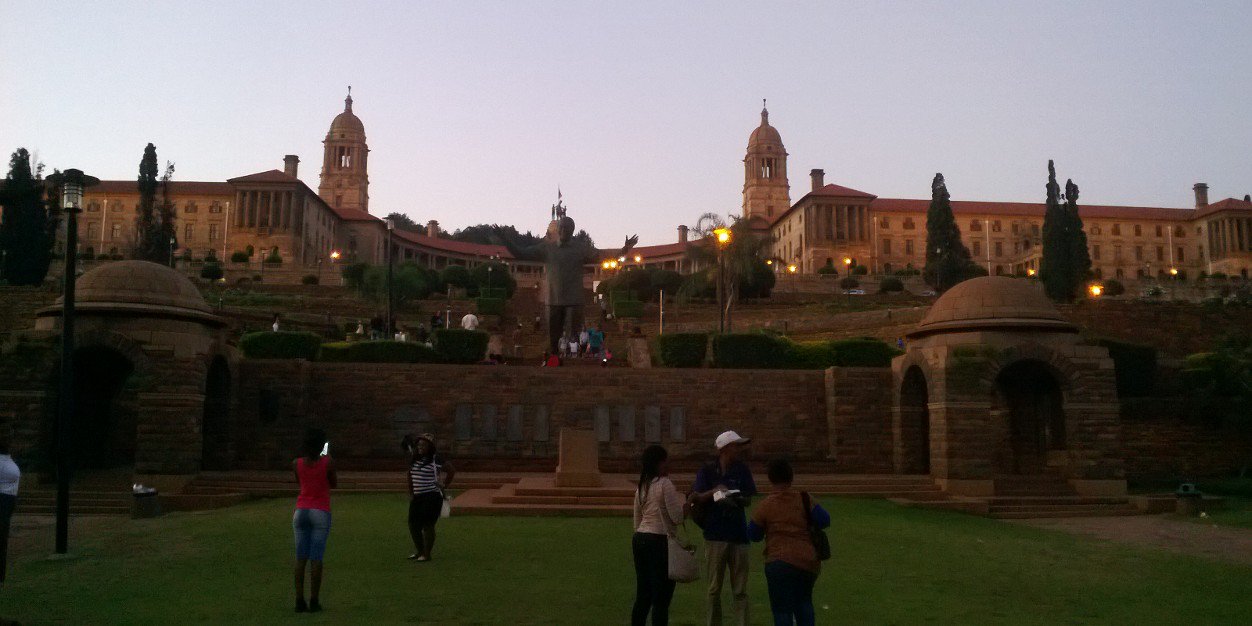
WATCH | As anti-immigration marches intensify, South African Council of Churches General Secretary Reverend Mzwandile Molo says the country must redirect its energy towards building an economy and region capable of improving people’s living conditions.
Crossing illegally from Nigeria to South Africa solely for grants, free education, free healthcare, our jobs and freedom . This is pure evil and jealousy.
Our government has since looked after us until illegal foreigners and migrants arrived.
Now we are overcrowded🤬🤬
Foreign Nationals Are Stopping Us From Progress. They Were Found With 2 Stolen City Solar Panel Street Lights
Authorities say solar-powered street lights installed to curb copper cable theft are now being targeted by criminals stealing the entire units.
🔴WTF
" I blew R17.4 million, I wake up in the morning I buy GTI R250 000 I'm swiping it, I bought three houses, R1.8 million, R3.8 million , R2.8 million " What the hell🤧🤧🤣
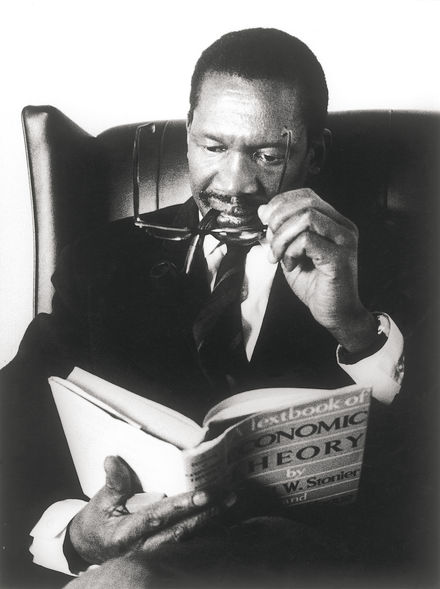
Reuben Tholakele Caluza (1895 - 1969) was a South African composer, educator & a significant player in the development of choral music in South Africa. Caluza attended the Ohlange Institute (1909-1914), then attended Marianhill Training College (1918-1921) where his choir performed his Ixengwane song. In 1930 he toured London with his double quintet. Following this he traveled to the US to further his education at the Hampton Institute where he earned a Bachelor degree in music. While at Hampton, he composed works such as a Rondo for Orchestra & a string quartet titled Reminiscences of Africa. Caluza later pursued a Master's degree in music at Columbia University. Upon his return to SA, he became a key figure in the development of choral music. Source: Affrison / Encyclopediaafricana
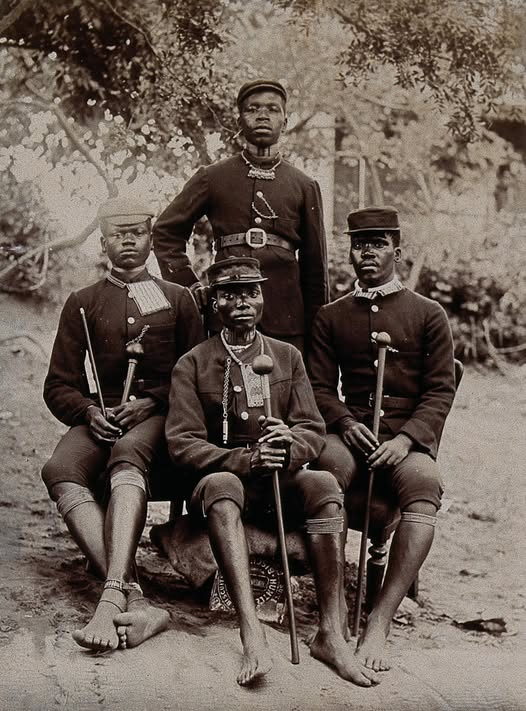
African Policemen in Natal, 1896📷
A photo from 1896 shows four African policemen in uniform in the British colony of Natal, South Africa. It provides a rare visual record of the African men who served in the colonial police during this time.
These men were likely members of the Natal Police, a force established in 1874 by Major John Dartnell. By the 1890s, the force included both white and African policemen. African constables were often used in rural areas, where their knowledge of local languages and communities was seen as useful.
Though African policemen were not given the same status or authority as white officers, they were expected to carry out a wide range of duties - patrolling, tracking, gathering information, and helping to enforce colonial laws. Many were assigned to the Native Detective Force, a special unit used for undercover and intelligence work.
The uniforms in the photo suggest a British military influence, but with changes suited to the local climate. These men likely worked under difficult conditions, often facing tension between their role in the colonial system and their place within African society.
The image is part of the Wellcome Collection. While little is known about the individuals pictured, the photo offers a window into the lesser known role of African men in upholding colonial authority.