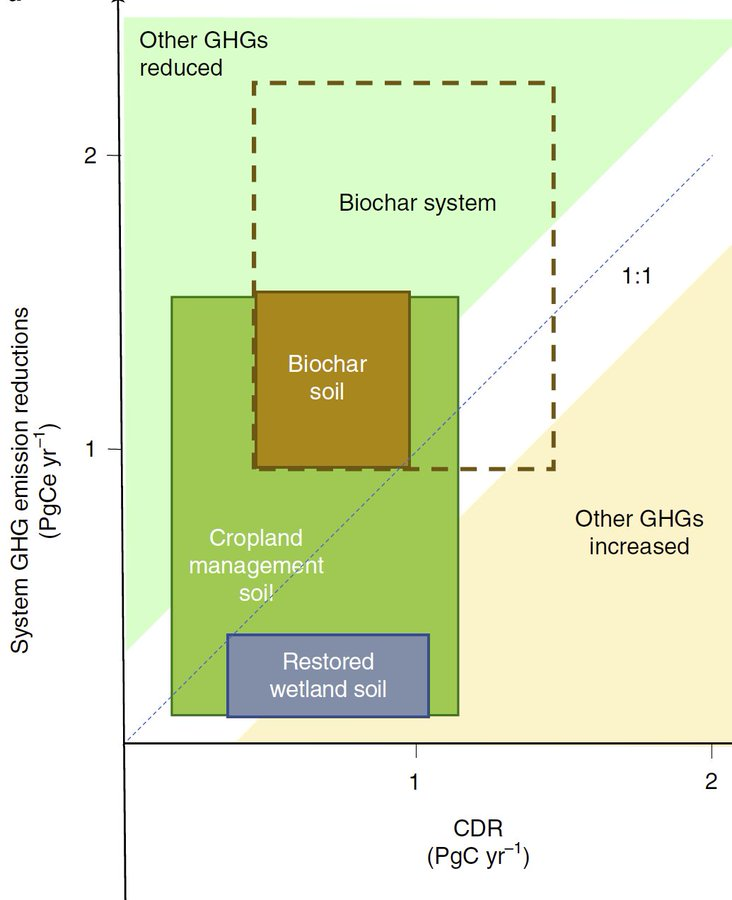
Biochar systems durably sequester carbon, can reduce soil GHG emissions, displace fossil fuel emissions thru use of syngas, and avoid emissions from residues.
Our review finds strong evidence for gigaton-scale mitigation potential of biochar.
https://t.co/heKSQ62vso
@HANS0L0Weng
🚨New Paper🚨"Science-based targets miss the mark" by Andy Reisinger, Annette Cowie, @Oliver_Geden & me @Nature - @CommsEarth#OpenAccess
In this perspective, we challenge the equity & ambition claims of science-based targets 🧵
https://t.co/4PSLO5SjIa
1/20
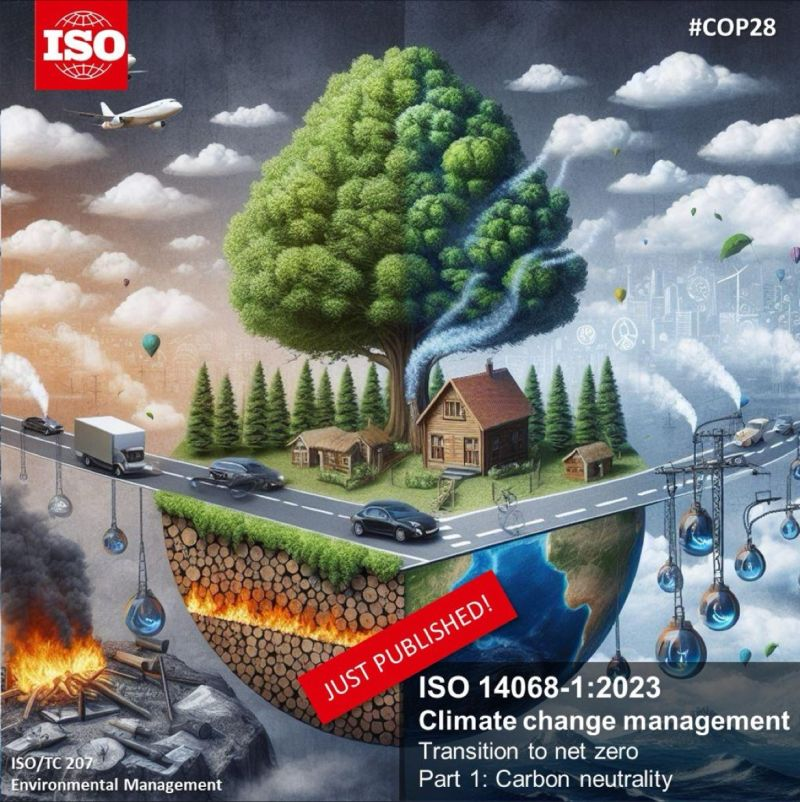
New ISO Carbon neutrality standard (ISO 14068-1:2023) to stamp out greenwashing. The hierarchy approach prioritizes actions to reduce GHG emissions and enhance GHG removals of the subject, with offsetting used only for the remaining carbon footprint. https://t.co/YZykbEDYR1
NSW DPI @nswdpi scientists lead call for revision to the way credits are awarded for soil carbon sequestration to ensure investment in carbon credits contributes to our national emissions reduction targets. @ConversationEDU https://t.co/UDaK4tq6Jw
Campaigns against bioenergy from wood misrepresent on-the-ground forestry practice. This is dangerously short-sighted and ignoring broader environmental and social implications. Policy making should be based on facts, not on fiction.
Full Press Release:
https://t.co/GJYFgr2rrr
Environmental footprint calculators aim to help consumers make greener choices. @DPI_ClimateTeam researchers show environmental footprints can mislead consumers and may encourage choices that harm the environment.@CowieAnnette
👉https://t.co/Y2XPCgjiTc
Current focus on methane overlooks that #ruminant#livestock produce high quality protein from pasture & crop residues that humans can’t eat, & on land that can’t be used to grow crops. Livestock have a key role in feeding a growing global population. 👉 https://t.co/Ahz65je5wg
Biochar in climate change mitigation: reviews potential for biochar to reduce GHG emissions and sequester carbon. Thanks @JLehmannCornell for leading a great team https://t.co/UgPsdeYjJ3 (now with correct link!)
Biochar in climate change mitigation: reviews potential for biochar to reduce GHG emissions and sequester carbon. Thanks @JLehmannCornell for leading a great team https://t.co/8BmJHdV5tE
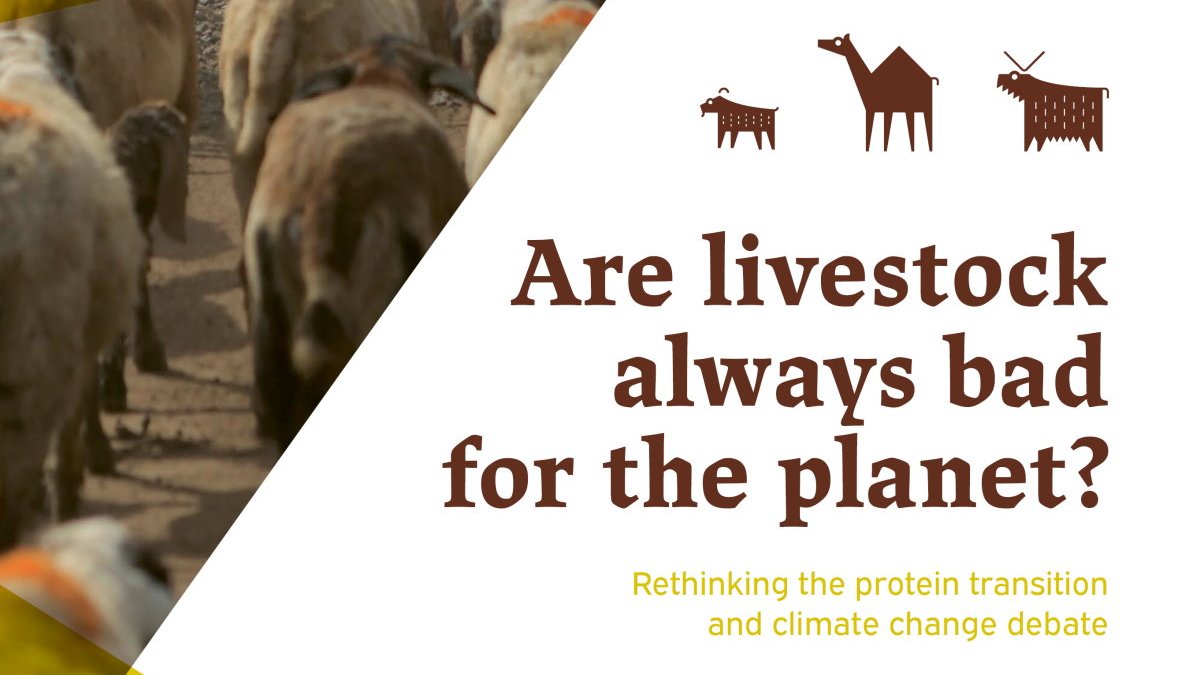
NEW REPORT: Are livestock always bad for the planet?
Not all meat and milk is the same: we need a more sophisticated debate on livestock and the climate.
https://t.co/huuOP4tHYQ
#UNFSS2021#COP26
Including livestock in mitigation policies, while recognizing their unique social, cultural and economic roles, is important to reaching the temperature goal of the Paris Agreement. We show why managing livestock methane matters, and how to do it. https://t.co/JthJolKffh
Most livestock GHG emissions occur in low- and middle-income countries, yet most mitigation strategies suit developed countries, and focus on individual animals. We argue for a holistic, systems-based, multi-metric approach. https://t.co/CpQNXOfyZ6 @m8harrison @DiMaybs
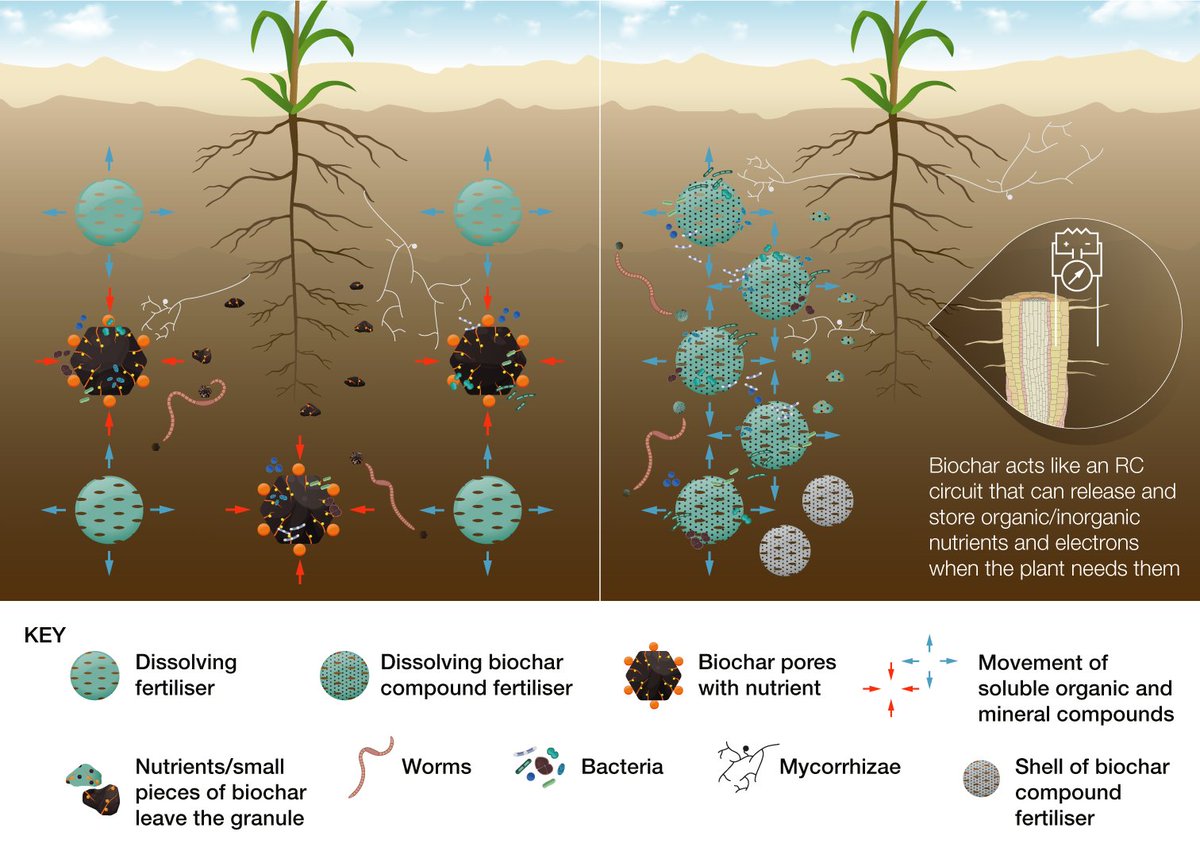
@mycoanalysis The fabulous illustrations produced by Anders put the icing on the cake for this review which brought together expertise of biochar scientists across the world.
How #biochar works: this review synthesises 20 years of global research to explain soil and plant responses to biochar. Read @GCB_Bioenergy: https://t.co/my1eApGSpn
Try explain in less than one minute, why sustainable bioenergy has a head start in climate change mitigation! Scientists from @IEABioenergy took up the challenge =>https://t.co/q8sfWvDuS3 #COP26#TogetherForOurPlanet
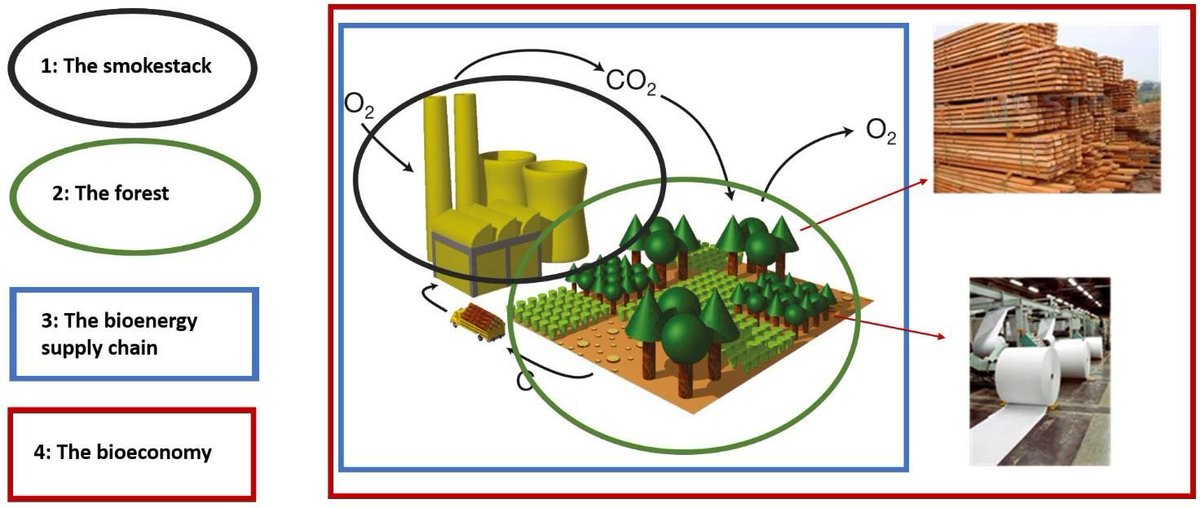
Just out! Applying a science-based systems perspective to dispel misconceptions about climate effects of forest bioenergy. https://t.co/L0MoSVora9 Narrow perspectives obscure the role bioenergy can play by displacing fossil fuels and supporting energy system transition.