The Plant Initiative's @plant_init 2025 annual report is now available online, describing our work in behalf of plants in the past year. Check it out! https://t.co/NLKxuUVFBd
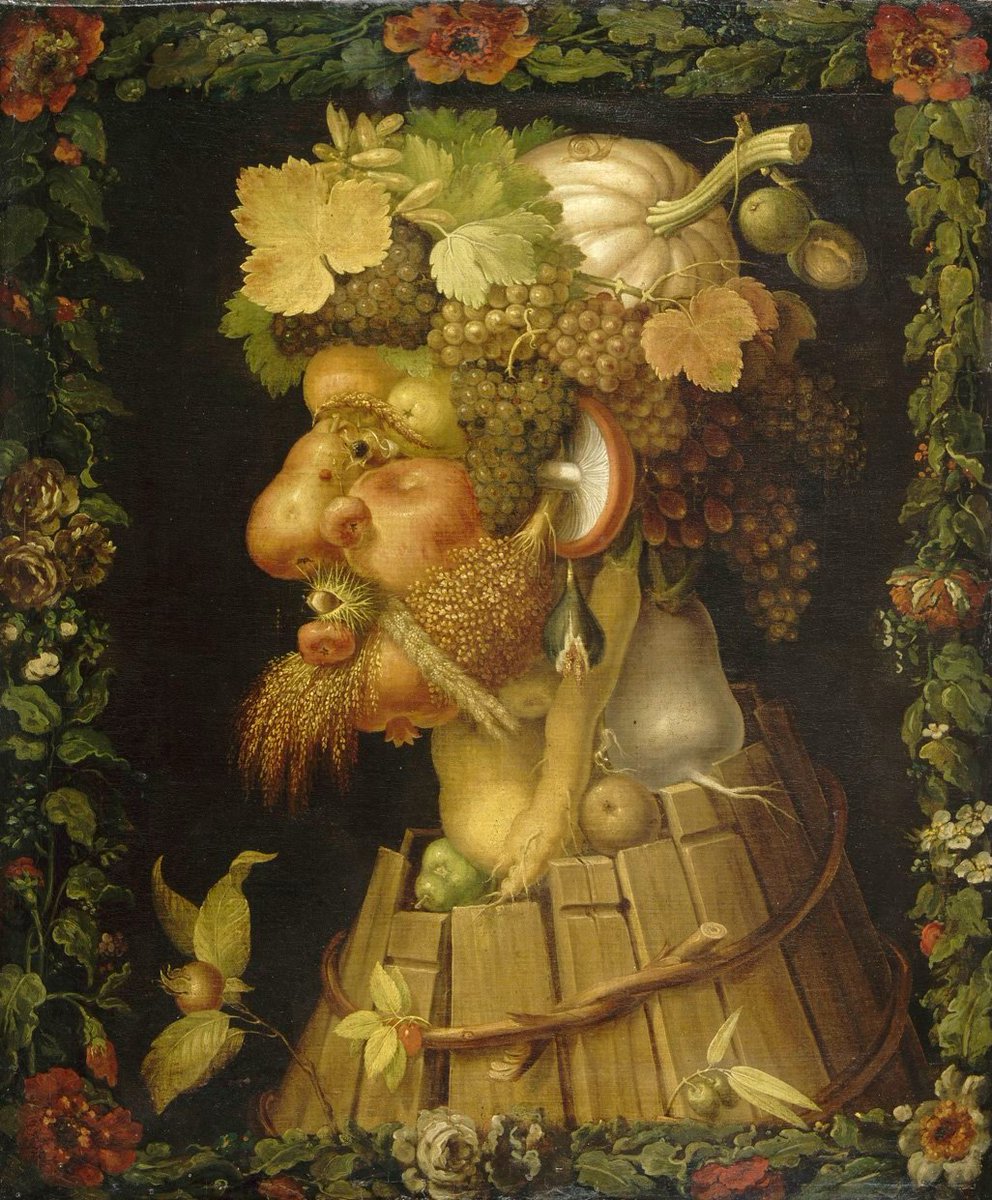
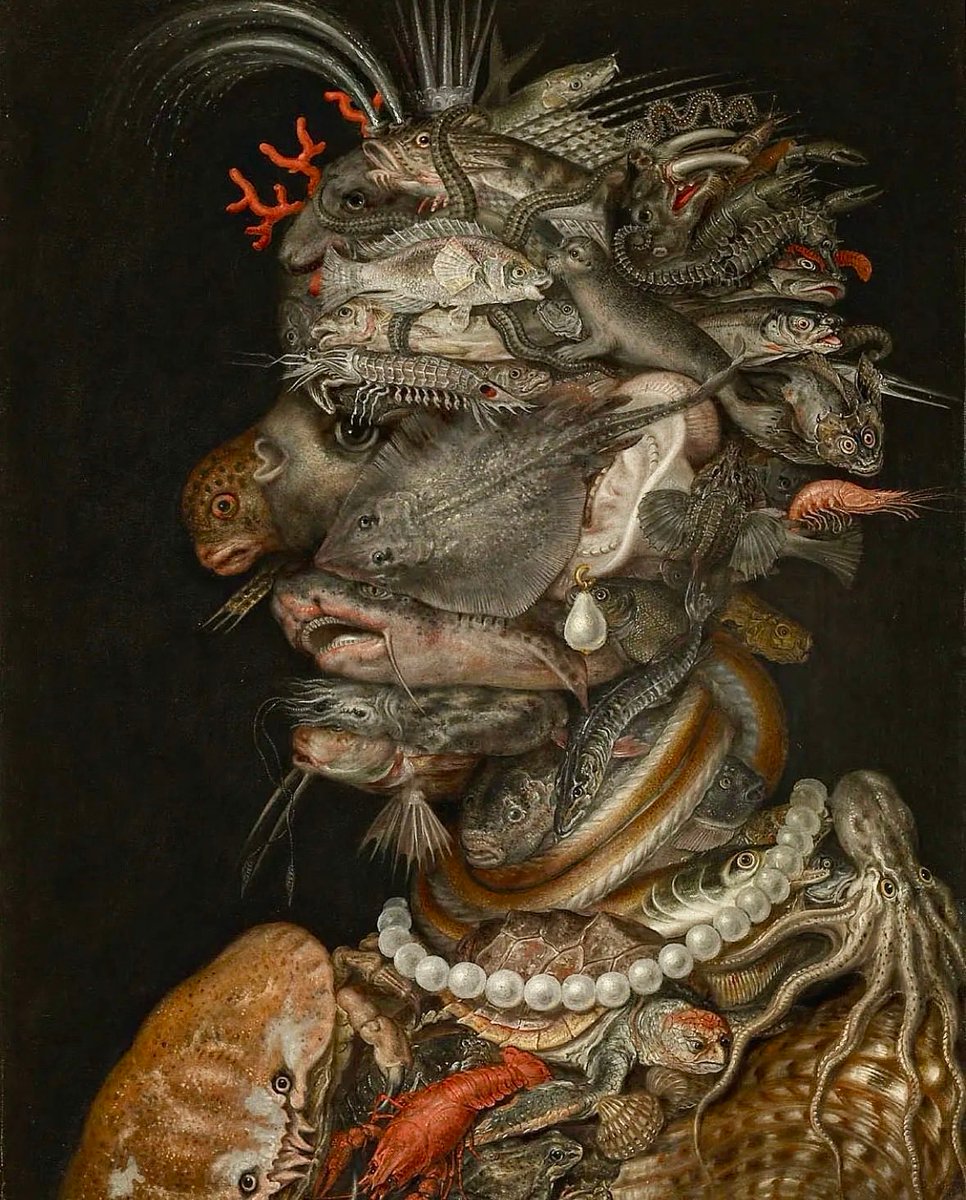
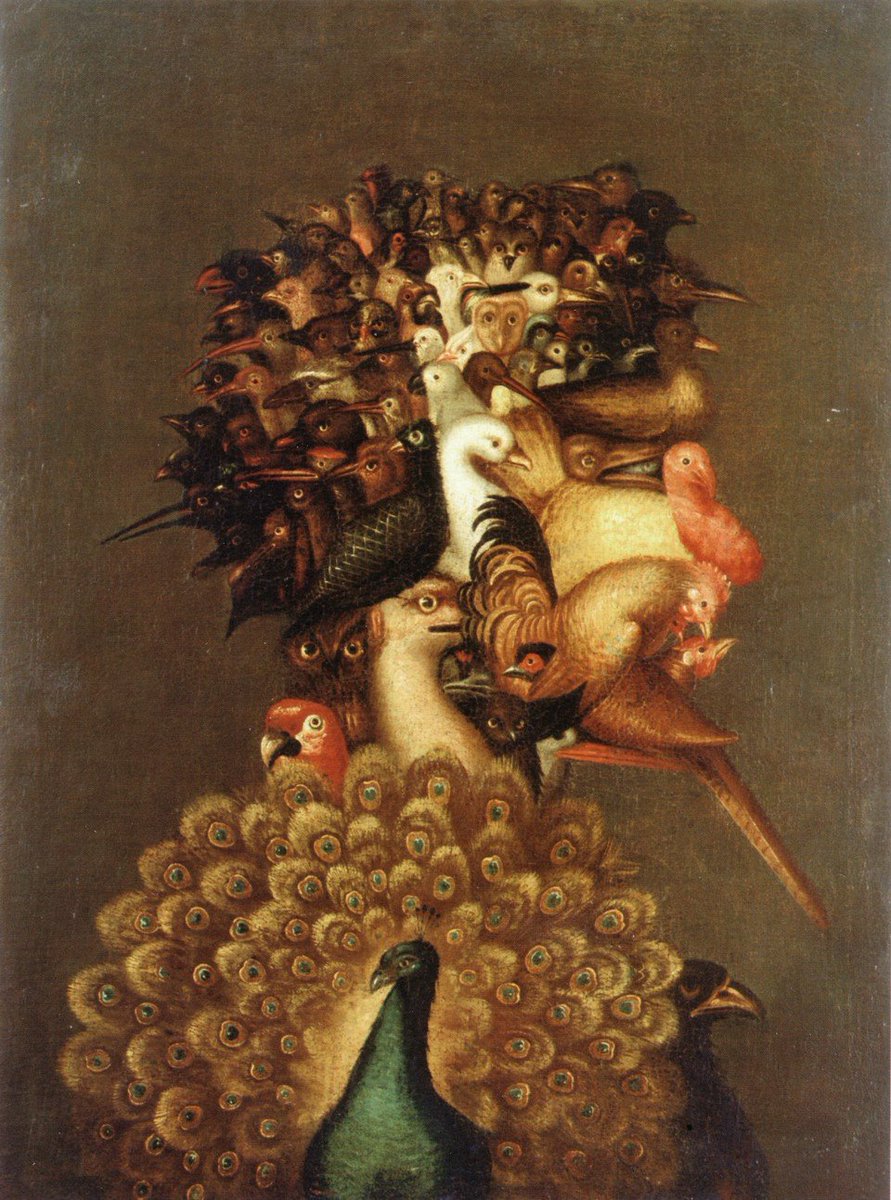
Giuseppe Arcimboldo, né vers 1527 à Milan est mort le 11 juillet 1593 à Milan. Peintre maniériste italien, il est célèbre comme auteur de nombreux portraits suggérés par des végétaux, des animaux ou des objets astucieusement disposés.
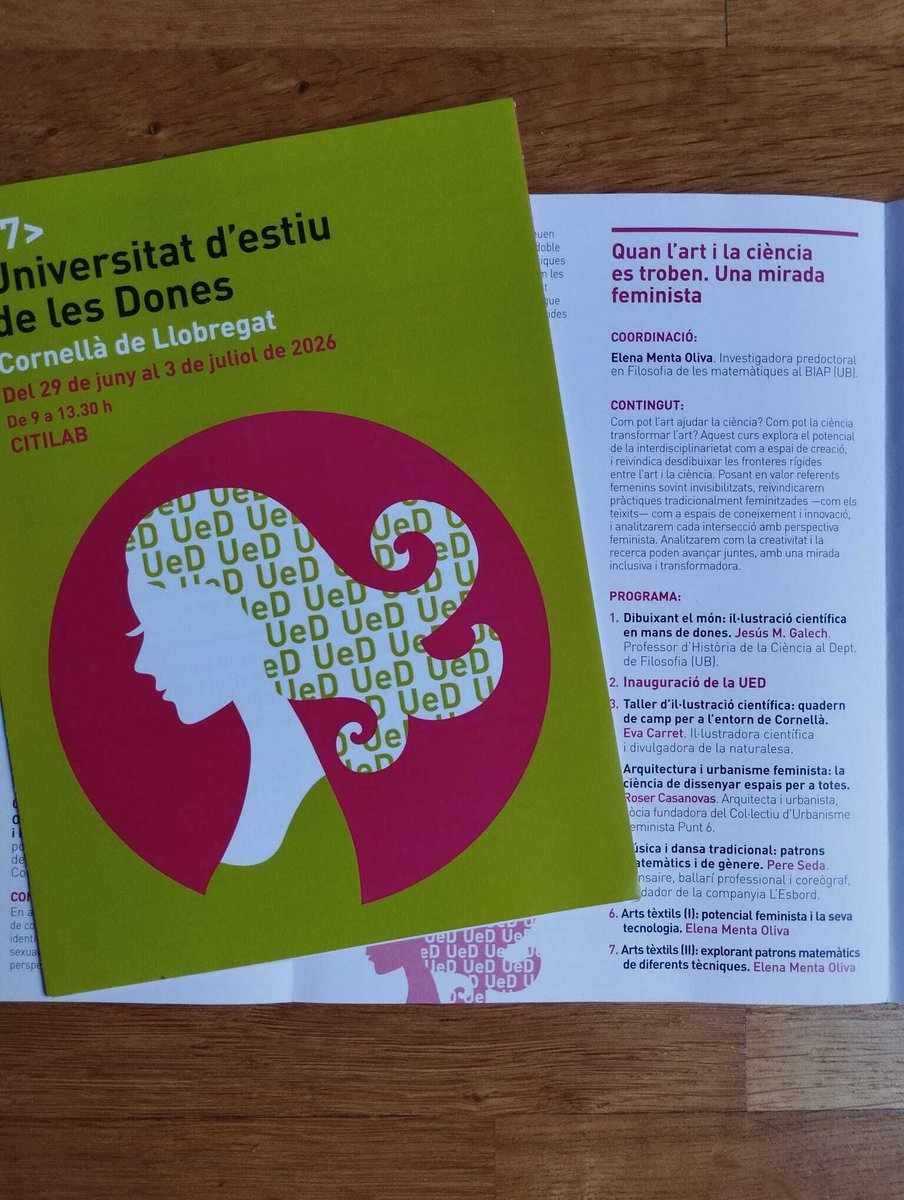
From botanical illustration to knitting, from architecture to video games—all were covered in the fantastic course on science and art organised last week by BIAP member Elena Menta Oliva at the Universitat d'Estiu de les Dones in Cornellà! 🌺🧶🏛️👾
In medieval calendars the month of July is often illustrated by scenes of labourers working hard in a meadow, getting in the hay harvest. My latest piece for @HistoryToday is all about meads and meadows, their language and their poetry... https://t.co/mdmVajslay
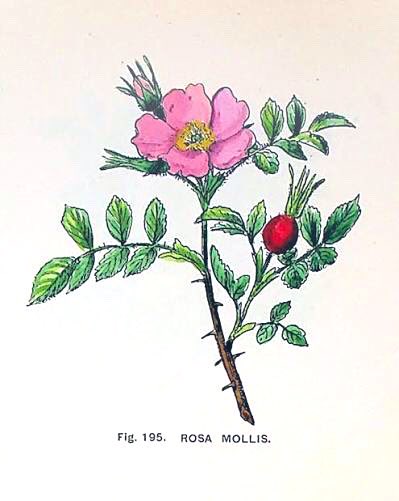
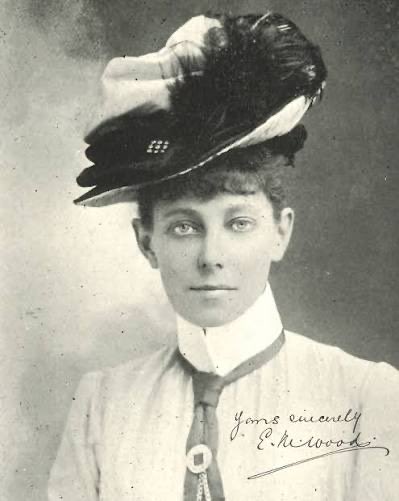
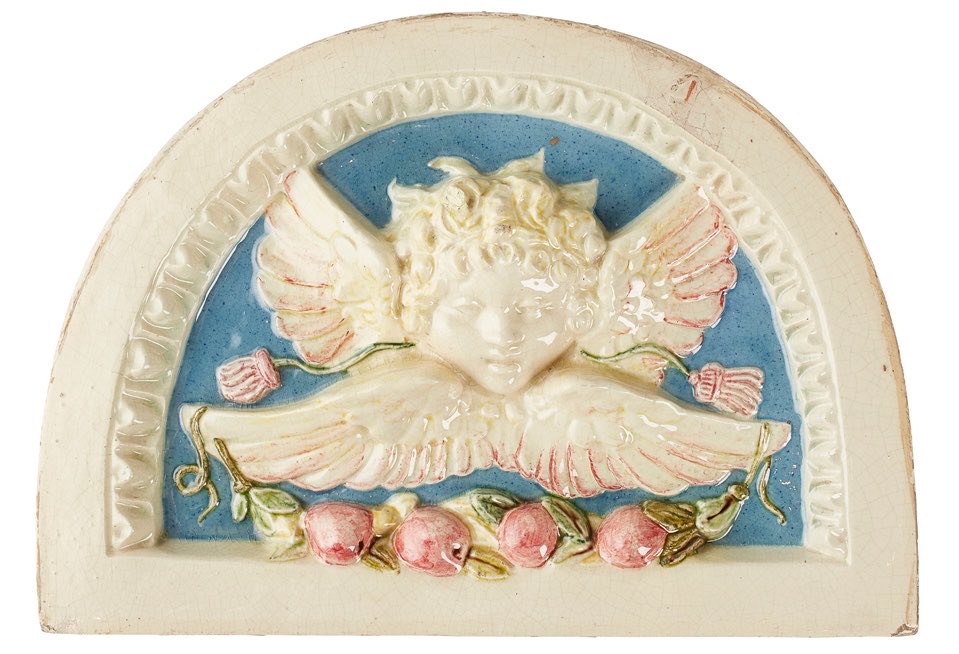
Emily Margaret Wood (1865-1907) fue botánica, ilustradora científica y ceramista.
Es conocida por sus más de 800 dibujos botánicos y por su trabajo en cerámica dentro del movimiento Arts and Crafts.
Te lo cuento 👇🏼
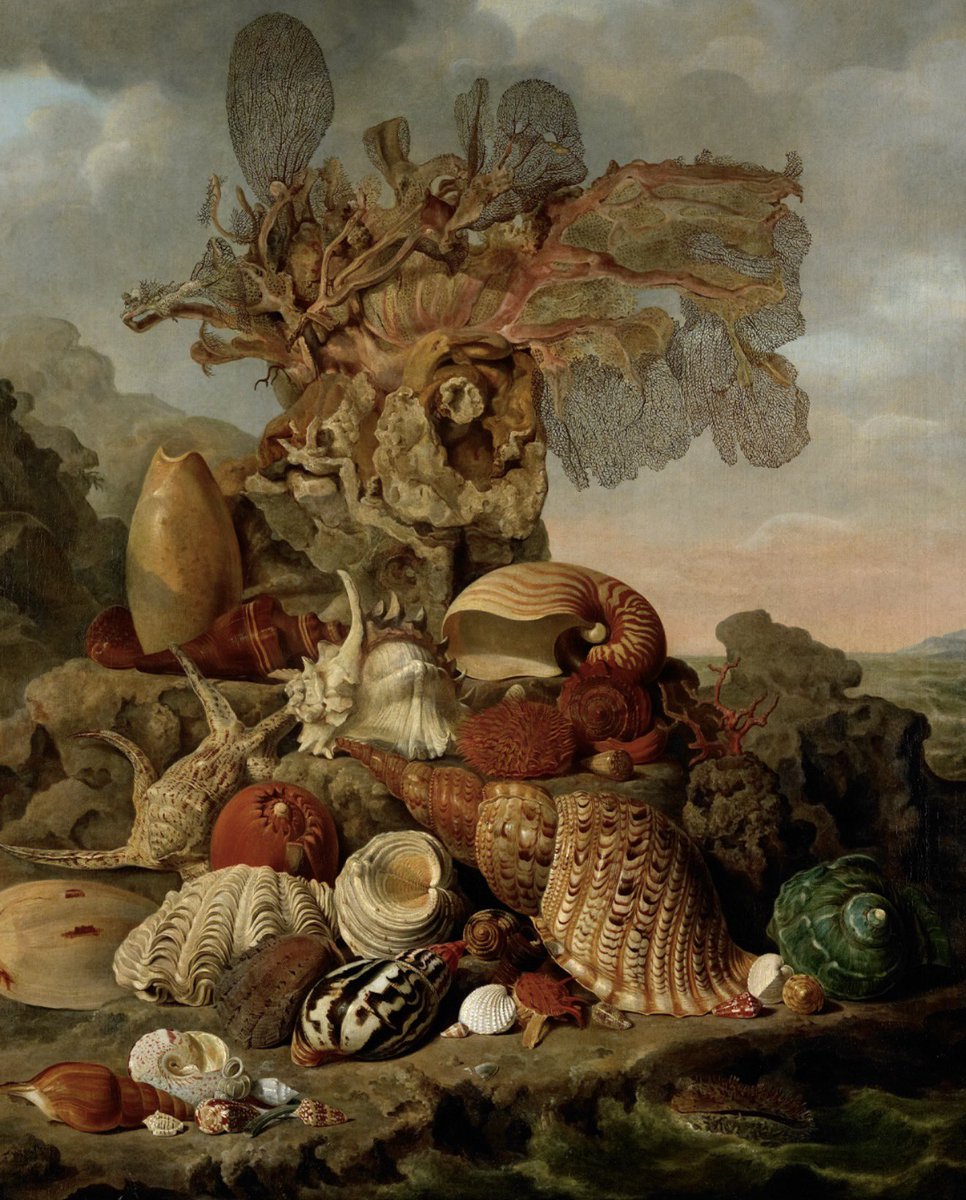
Still life painting titled "Shells and Marine Plants" by Henricus Franciscus Wiertz, painted in 1809. The #art work depicts various exotic shells and pieces of coral arranged on a rocky shore. Housed in @rijksmuseum, Amsterdam, 🇳🇱
The website for the new book series Crafting Nature is online
@Brepols
I co-edit it with Giancarla Periti - and the board is rich with colleagues working on the intersections between #arthistory#histsci
We look forward to proposals #bookseries
https://t.co/fMgwpvGHVL
Very sad news from Italy. Carlo Ginzburg the micro-historian died. He produced some of the most interesting work on supernatural belief systems. Here translation of obituary from Repubblica.
Carlo Ginzburg has died, aged 87: the great historian and theorist of “microhistory”. The son of Leone Ginzburg and the writer Natalia Ginzburg, he was famous throughout the world for his research on witchcraft and popular beliefs.
He was born in Turin in 1939. Professor emeritus at the Scuola Normale in Pisa, where he had studied, he had also taught from the 1970s onward at the University of Bologna and at the American universities of Harvard, Yale, Princeton and California, UCLA.
In the 1960s, while studying documents in the Archiepiscopal Archive of Udine, Ginzburg discovered a pagan cult widespread in Friuli in the sixteenth and seventeenth centuries. Its members were a kind of shamanic healer, accused of heresy by the Inquisition, and known as the “benandanti”. This became the title of his first book, published in 1966, in which he traced the origins of this peasant cult back to older beliefs widespread in central Europe. The group of Friulian peasants who became the object of the historian’s research claimed that they fought in dreams against witches in order to ensure the fertility of the fields.
I benandanti, published by Einaudi, became an example of Ginzburg’s approach to microhistory: a research method that concentrates on particular cases which sometimes escape grand history, by combing through judicial records, correspondence, registers and diaries.
Another model of this approach is found in another of Ginzburg’s books, The Cheese and the Worms — Il formaggio e i vermi, Einaudi, 1976 — in which the historian tells the story of the miller Menocchio, a sixteenth-century miller tried by the Inquisition.
In another Einaudi book, Ecstasies — Storia notturna, 1989 — Ginzburg returned to the theme of the infernal sabbath and to the myths and beliefs connected with witchcraft, always beginning from specific documents such as trial testimonies.
Ginzburg’s method turns the historian into a kind of detective who works from an evidential paradigm. In 1991 The Judge and the Historian appeared, in which Ginzburg re-examined the papers from the trial concerning the murder of Commissioner Calabresi, focusing on the relationship between evidence and truth. The book was written in the wake of Adriano Sofri’s conviction, and advanced arguments intended to demonstrate his innocence. It was first published by Einaudi, then republished twenty years later by Quodlibet.
These are the books, mostly published in the second part of his life, in which Ginzburg concentrated on the history of political thought, questions of historical method, and the relationship between truth and falsehood. He wrote about the historian’s difficulty in maintaining the right distance from what he studies, without adhering to a single perspective, and about how similar difficulties can arise in many other contexts.