You turn down the invite. Relief hits instantly. Then the house feels too quiet.
That's often protective avoidance: when connection feels risky, withdrawing feels safe, but it removes the very reassurance you wanted.
Loneliness makes you scan for rejection. A short reply becomes proof you're unwanted.
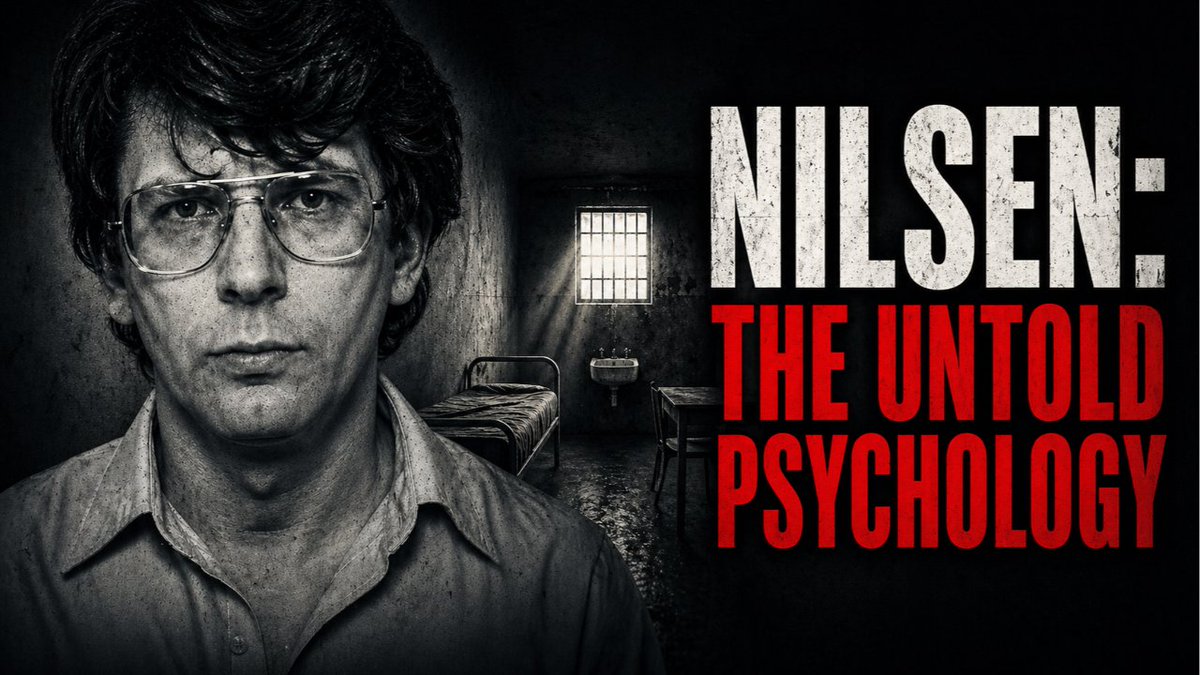
I explore the extreme true-crime side in Nilsen Decoded. Different subject, firm boundary: loneliness doesn't make anyone dangerous.
Wanting company and expecting trouble can coexist. Notice the invitation, not just the pause.
1978. Dennis Nilsen killed for the first time, then went back to work.
No appeal. No knock at the door. Nothing.
When the first wrong step costs nothing, the next one comes easier.
True or false: most bad habits survive because nobody said a word the first time?
@afreedomindset Very true. A person who believes they can't is easy to manage. The moment you question the story you were handed, you become inconvenient, and free.
@WathenyaMurage Exactly. Most people try to change behaviour while leaving the belief untouched. The behaviour always drifts back to whatever the subconscious believes is true.
@Drshararemaleki Inner conversations are the most overlooked part of his teaching. Most people affirm for five minutes, then spend the rest of the day rehearsing arguments in their head.
@NevilleGodCoach Naturalness is the key word. Most people imagine the outcome like a wish they're begging for, not a fact they're living in. The subconscious can feel the difference.
@arelysmeraki Not a coincidence. Isolation and information control are the core of every coercive system, from cults to spies to abusive marriages. Different costumes, same playbook.
@AdrianneCurry Fair point. Overusing the words actually hurts real victims, because when everything is narcissism the genuine patterns get dismissed as drama. Selfish isn't the same as disordered.
@Cam_eronleonard Exactly. Intermittent reward is the most addictive schedule there is. Same reason a slot machine beats a vending machine. The brain chases the good moment it can't predict.
@phillipcdugas1 Men often miss it because they've been told abuse only looks like fists. Constant criticism and walking on eggshells is the same control system, just quieter.
@deceasedempress This is the part people judging victims never understand. The early warning signs get answered with more intensity, not less. By the time it's obvious, the confidence to leave has been dismantled.