#DigitalHealth must balance innovation with ethics—protecting patient data, ensuring equitable access, and avoiding provider burnout. The goal: tech that enhances care without widening disparities or overburdening clinicians. #DigitalHealth#Innovation https://t.co/crVx4vvzO8
Sleep health is evolving with OTC tools like trackers enabling early issue detection & patient-physician talks. Combine telemedicine, non-pharma solutions, and data-driven care for better outcomes. Integrate tech to meet rising sleep care demand! 💤📊 https://t.co/ZMDqu7OSt5
Prior authorizations are a pain point for physicians and patients alike. Could "gold cards"—PA exemptions for trusted physicians—be the solution? Streamlining admin burdens and improving care, this idea sparks hope (and skepticism). 😆 #PriorAuth#design https://t.co/QoF6LERM3l
@UCDavisHealth CMIO Scott MacDonald, MD shares how AI scribes, tailored training, & human-centered design are transforming physician workflows, reducing burnout, & improving patient care. Listen to actionable insights for healthcare leaders! #HealthIT
https://t.co/BHPqWBGhBK
A great explainer from @miteshspatel about how #wearables might overwhelm physicians with data if we don't focus on finding the signal and ignoring the noise. Easier said than done! #design#healthIT https://t.co/8o3m7PTlVd
Digital #nudges significantly boosted flu vaccine uptake in high-risk AMI patients, especially those unvaccinated (+13.7%) or with recent AMI (+26.1%). Scalable, low-cost, and impactful, these messages highlight prevention as a key tool for reducing #MACE. https://t.co/Bu5cxb4gmt
H/t Spencer Dorn, MD: EHRs aren’t the real problem—they reflect deeper issues like complex workflows and admin overload. Blaming them oversimplifies healthcare’s challenges. Real solutions? Redesign care systems, streamline workflows, clarify priorities. https://t.co/cjlstjahzK
A Harvard study shows that including patient photos in the #EHR may reduce radiologists' recommendations for extra imaging by personalizing encounters. This could impact millions, highlighting the potential influence of visual cues on clinical decisions. https://t.co/wSjYBhyjYY
Why waste a perfectly good crisis? A hurricane causes a major shortage of IV fluid, yet some hospitals carry on with only half as much fluid. We clearly overuse IV fluid, so let's build on this crisis to hardwire our systems for better (and cheaper) care! https://t.co/NnV0aLaFxj
Many of us want antibiotics when we're sick, but they don't help with viral infections. New research now shows antibiotics might actually increase the risk of getting a bacterial infection even if you didn't have one to begin with. #AntibxStewardship https://t.co/L6VV6mEkGn
New study: High telehealth use in primary care doesn’t increase low-value care and may reduce unnecessary services like cervical cancer screening for older women. #Telehealth can streamline care without waste, highlighting its value in primary care. https://t.co/P7tzA0Ju10
Interesting thoughts from @AdvisoryBd regarding "bespoke care" (as opposed to personalized care, maybe?) They suggest focusing on longitudinal benefits, shared decision making, appropriate use of resources, and patient trust with data use. Check it out! https://t.co/1G9PTtmGZ9
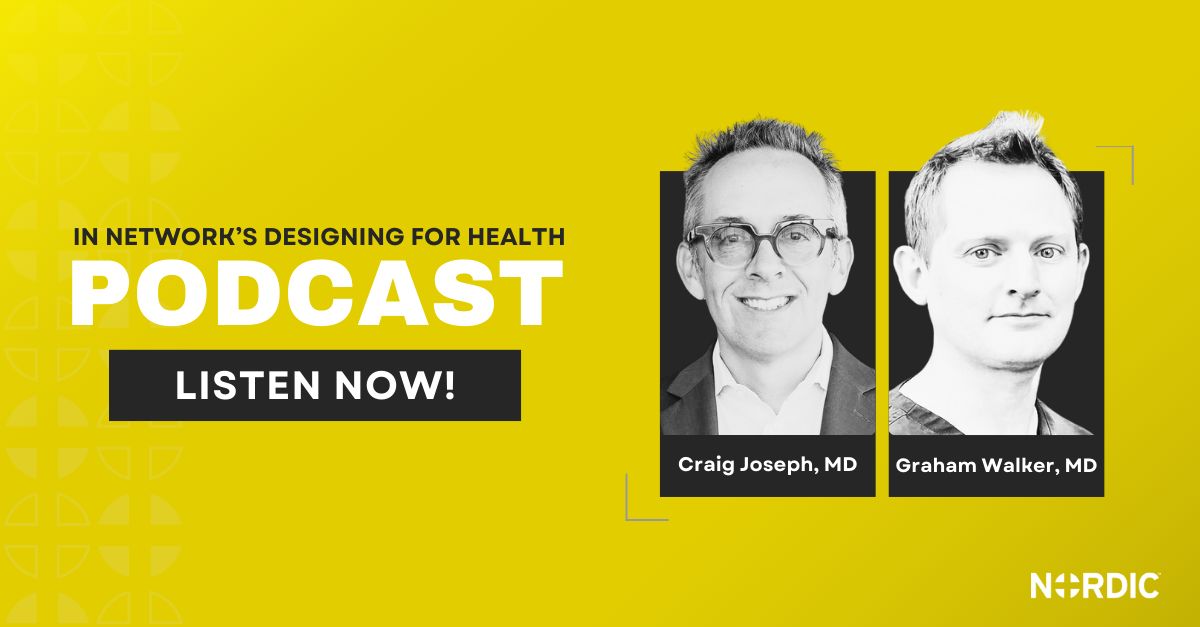
In this week's #DesigningForHealth pod, I speak with Graham Walker, MD from @aboutKP. We talk about how he created #MDCalc, designing for clinicians, the dangers of an IT blackhole, and how tech rounding can lead to unexpected benefits. Tune in! https://t.co/NlWjeWtVg4
Large study shows that nurse burnout was associated with decreased patient safety; more nosocomial infections, patient falls, medication errors, and adverse events; lower patient satisfaction ratings; and lower nurse-assessed quality of care. #MustFixThis https://t.co/hVOCwxkOlL
Engaging in a "Wizard of Oz" setup is an excellent method to ensure adherence to #HumanCenteredDesign principles, enabling users to comprehend your workflow or app and accomplish their intended tasks. Appreciation to @miteshspatel for sharing this insight! https://t.co/Mr4qRy3hox
I'll be at the @CIOCHIME Fall Forum in San Diego this week. If you're there and want me to buy you an overpriced coffee, send me a message! #CHIME24 https://t.co/2JZVDNzeAu
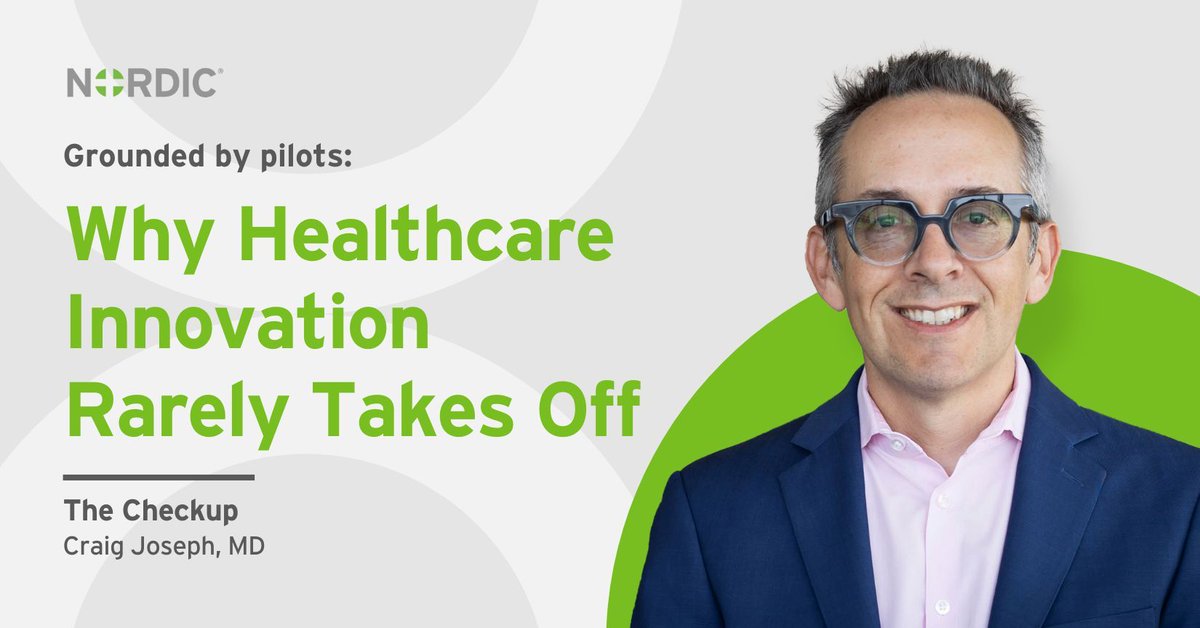
My latest blog post: Why do #healthcare systems have more pilots than the airlines? The answers: fear of failure and no preset plan for #scaling. How can your hospital become a scaling machine? Read on! #healthIT#innovation https://t.co/TpKz1ozvIZ
Interesting study to overcome the inertia involved in infrequent actions (like ... voting!) Write a message to your future self, thereby increasing the likelihood of forming a stronger habit. How can we do this in medicine? #DesigningForHealth#design https://t.co/Izi4DEJK9O
While it might be surprising to some, the results at @SentaraHealth are clear to most physicians: we want to see patients. 😲 Remove clinically-irrelevant tasks and let us do what we do best! #TeamBasedCare#DesigningForHealth#JoyInMedicine https://t.co/nnCez9Zom2