Short (<6 h) and long (>8 h) sleep duration, compared with a normal sleep duration (6–8 h), are associated with increased risk of systemic diseases with evidence from genetic correlations and time-to-incident survival predictions. https://t.co/M6vVkkvjMK
With years of expertise, Creative Bioarray serves as a trusted partner in safety evaluation, specializing in preclinical toxicology testing. Our comprehensive testing platform supports applications throughout all stages of product development. https://t.co/qjSNYwveIc
Immunoglobulin E (IgE)-sensitized mast cells (IgE-MCs) for targeted drug delivery and augmented cancer immunotherapy
https://t.co/iggwZButD0
https://t.co/V3QZ7dyMKq
A 100% Healing Rate: Stem Cell Exosomes Make Diabetic Foot Ulcers Vanish, With Zero Recurrence in 24 Months.
https://t.co/CGxxQzteEX
https://t.co/32TIVBN1TI
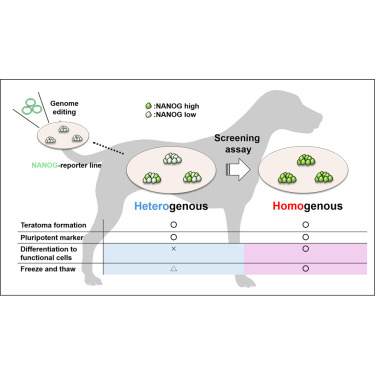
The ciPSC medium supplemented with activin and IWR1 stabilizes ciPSCs and reduces heterogeneity. It enables ciPSC differentiation into cardiomyocytes with functional traits. https://t.co/FlN9bKVBgw
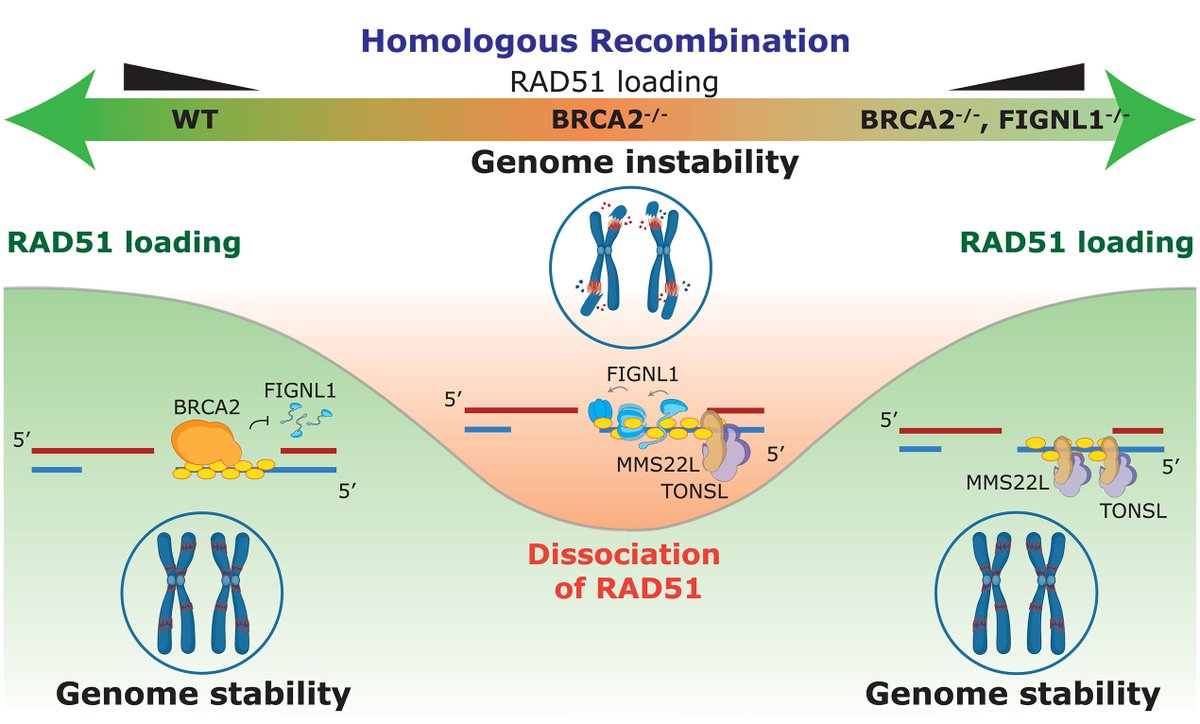
Kuthethur et al. demonstrated that depletion of the AAA+ ATPase FIGNL1 in BRCA2-deficient cells restored RAD51 loading and rescued HR defects, suggesting that recombination failure in BRCA2-deficient cells is primarily due to excessive removal of RAD51 by FIGNL1.
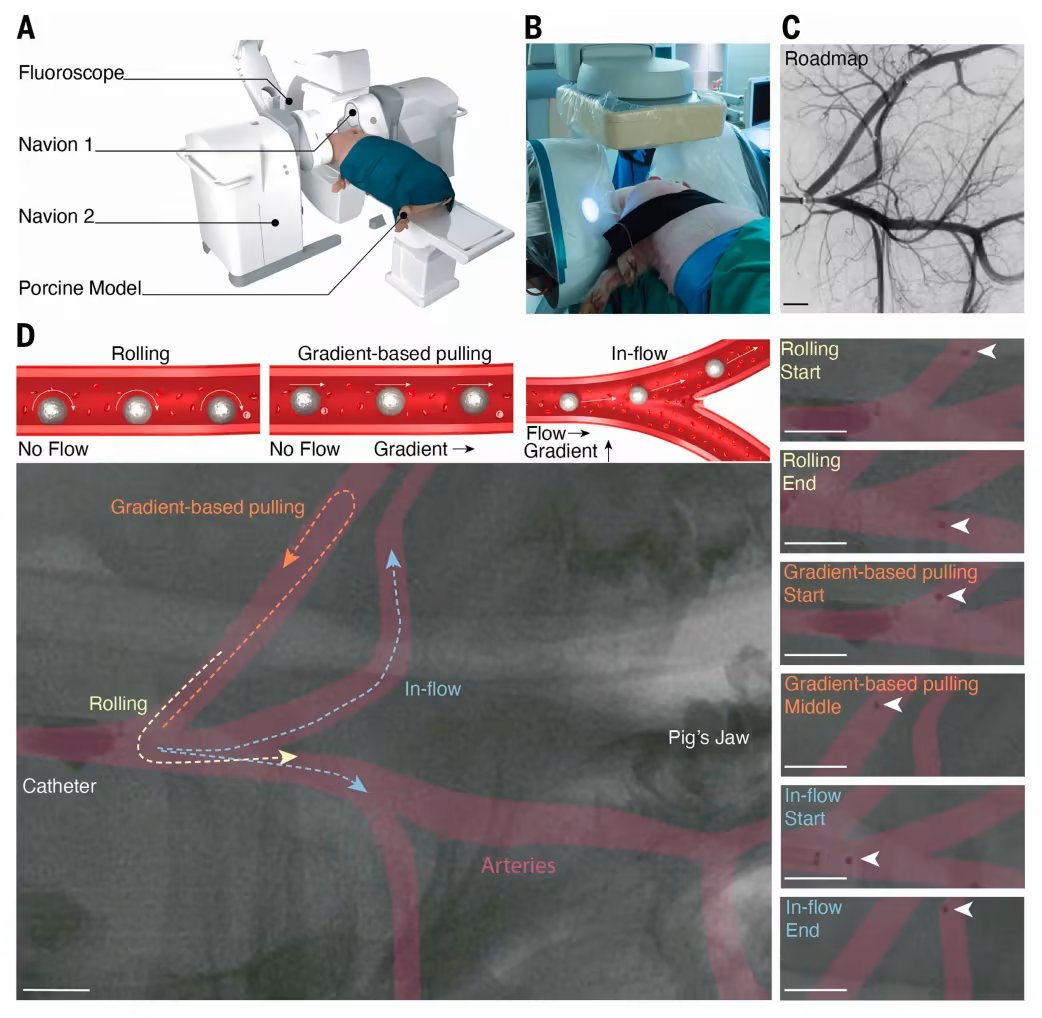
Landers et al. designed a microrobotic system that combines electromagnetic navigation, a release catheter, and dissolvable drug-loaded capsules. They demonstrated precise navigation in human vasculature models and tracking and navigation in large animal models.
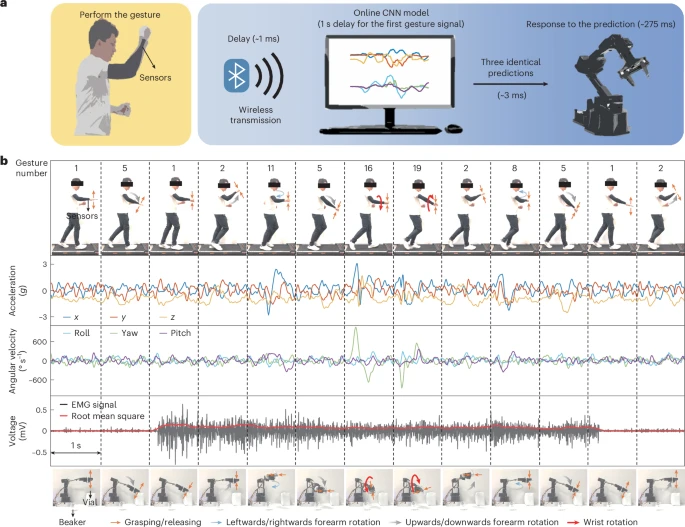
The study presents a human–machine interface capable of tolerating diverse motion artefacts through deep learning-enhanced wearable sensors. https://t.co/Xnd4VGDNix