The budget enables $1 trillion in total investments over five years (public and private), targeting $500 billion in private capital to catalyze growth
Impact to GDP:
•Real GDP growth: Forecast at 1.1% in 2025–2026
•Real GDP growth: Averages 1.6% through 2028–2029
—> GDP Hitting 2.0% by 2029/2030
Odds are increasing for a referendum
But separating or leaving is not so easy;
1. Canada’s Constitution has no explicit provision for a province to leave. The Supreme Court ruled that:
(Supreme Court of Canada Reference re Secession of Quebec, 1998)
• Unilateral secession is illegal under Canadian law.
2. The Clarity Act (2000)
This federal law operationalizes the Supreme Court’s opinion:
• The House of Commons (not the province or courts alone) decides whether the referendum question is clear (it must be unambiguous about secession, no wiggle room).
3. Constitutional Amendment Process
Secession requires amending the Constitution:
• This involves negotiations with the federal government + all provinces.
• Likely the 7/50 rule (federal Parliament + at least 7 provinces representing 50% of Canada’s population)
@unusual_whales 🏫The top ten largest private equity-linked owners of U.S. apartment housing which are heavily concentrated in Sun Belt:
...control roughly 10–13% of all U.S. apartment units
TOTAL COMBINED: 897,757 units
@unusual_whales 🏡 there’s been a 73% decrease in apartment construction starts in the U.S. since the peak in 2022
Current levels equal 2011 at 55,000 nationwide 📊
📍Meanwhile the city with the most supply: Miami
Less people buying
⚠️weakening economy: with slow growth and rising unemployment.
Why no cut to help boost spending and jobs?
📈ENERGY INFLATION!
Oil prices are rising, which is inflationary. The Bank wants to wait and make sure inflation doesn’t climb too high
🗓️What next?
June 10 should also be a hold
Lots of uncertainty from trade wars, oil crisis, and don’t forget CUSMA is still on the table
Shop around for better rates if you need, banks want to do business with you
⚠️weakening economy: with slow growth and rising unemployment.
Why no cut to help boost spending and jobs?
📈ENERGY INFLATION!
Oil prices are rising, which is inflationary. The Bank wants to wait and make sure inflation doesn’t climb too high
🗓️What next?
June 10 should also be a hold
Lots of uncertainty from trade wars, oil crisis, and don’t forget CUSMA is still on the table
Shop around for better rates if you need, banks want to do business with you
⚠️weakening economy: with slow growth and rising unemployment.
Why no cut to help boost spending and jobs?
📈ENERGY INFLATION!
Oil prices are rising, which is inflationary. The Bank wants to wait and make sure inflation doesn’t climb too high
🗓️What next?
June 10 should also be a hold
Lots of uncertainty from trade wars, oil crisis, and don’t forget CUSMA is still on the table
Shop around for better rates if you need, banks want to do business with you
@MarkJCarney 📊 Overall GDP growth has been modest ~1.7% in 2025
⚠️ ongoing challenges like:
• increasing debt,
• ongoing housing affordability crises,
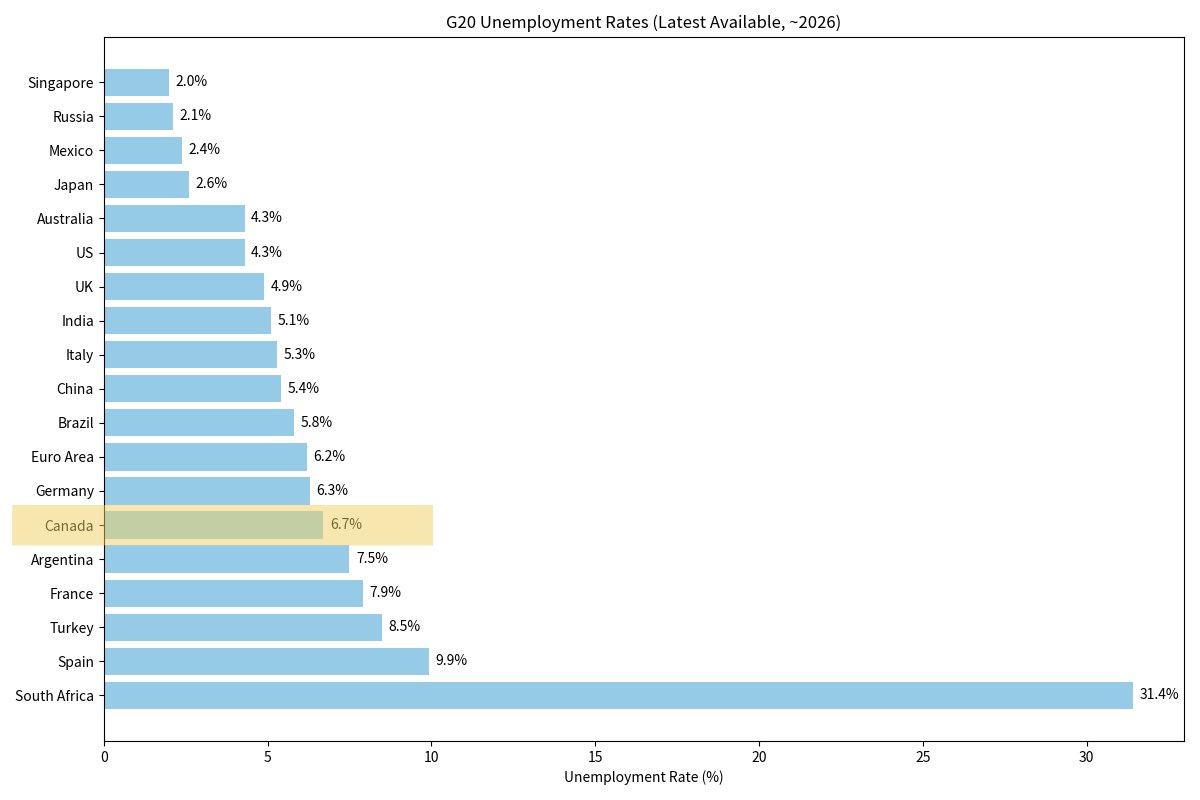
• unemployment higher than most G20 nations
…Let’s hope for the best
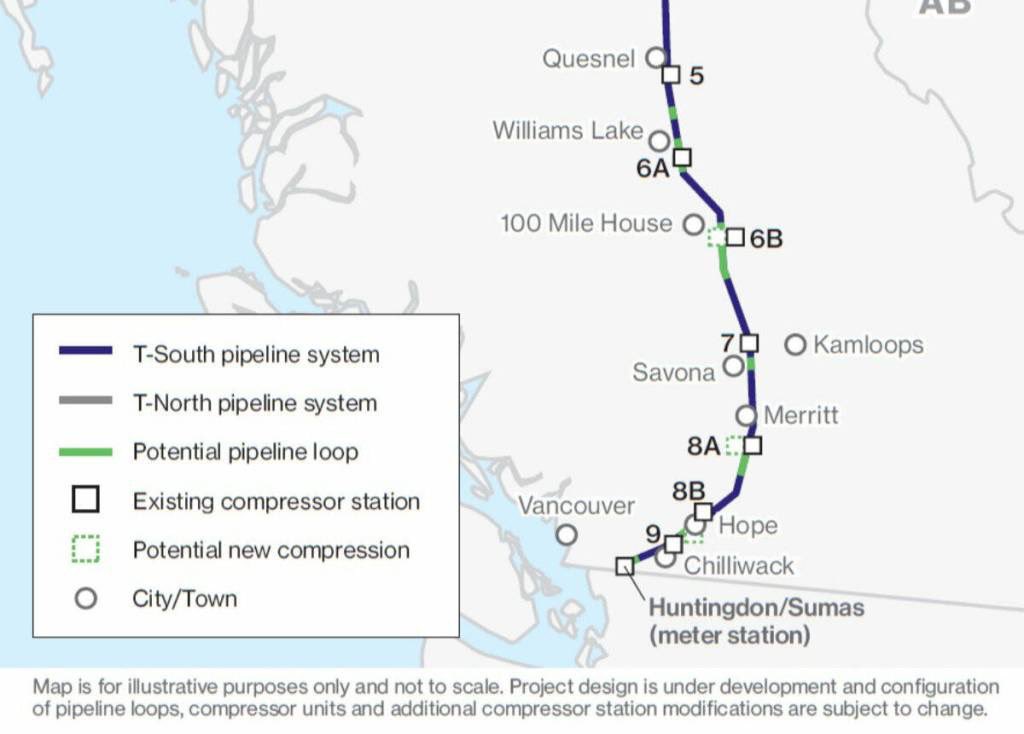
Map source: IMF
@DeItaone 🇨🇦 Projected to contribute more than $3 billion to Canada’s economy/GDP.
📍Located entirely in British Columbia,
🏦 It is also expected to generate over $700 million in federal and provincial tax revenue
@CanadianPM ⚠️ the largest industry at risk of a failed 2026 USMCA (CUSMA) review:
1) Automotive ~22% of all USMCA trade
...which is ~3–4% of Canada’s GDP
https://t.co/Iakaifnydf
🇨🇦 2026 growth forecasts:
Canada projecting an increase of GDP @ 1.5%
…second of the G7 countries, behind the US @ 2.3% per IMF
⚠️ the reason for the growth projection: rapid population driven and high levels of immigration - which has been revised to a sustainable, controlled policy
You may be right!
the Midwest is a great place for home buyers because it offers a great blend of affordability, stable housing markets, and access to jobs and livable communities thanks to lower median home prices than other U.S. regions
Ohio, Michigan, and Indiana offer homes with a median prices of $255k - $290k
@Barchart 📍The state with the largest spread of buyers vs sellers in the US is: Florida
The inbalance is driven by the Miami metro having 159% more home sellers than buyers
Followed by: Fort Lauderdale at 128%
Over all, the stringent buyers market is in the south
meanwhile luxury brands in Florida Real Estate like Mercedes-Benz suffer from foreclosure in Miami
100 NE Eighth St. in Brickell less than a month after it acquired a bridge loan that was allegedly in default
the developers new lender filed an $80M foreclosure lawsuit, with an apparent loan of $755M USD (capital stack mismatch)
@MarkJCarney ⚠️ financially qualified Canadian buyers remains limited, especially in Ontario
“Toronto buyers still face difficult hurdles with 62.9% of a typical household’s income needed to cover the costs of owning an average home at current prices”
https://t.co/6rKSzTeIZf
… remember Ontario’s post-pandemic population spike significantly contributed to the rise in housing prices, primarily by surging demand in a supply-constrained market, of AFFORDABLY priced homes!
🏗️🏢GTA condo market has been hit hard with some suburbs saw a decline in prices of 30–57%
🏠New home construction has stalled,
🏦Bank of Canada hiked rates aggressively to fight inflation starting in 2022 as warnings about few completions by 2029
📉up to 100,000 sector jobs now at risk fueling uncertainty of unemployment and softening spending
⚠️Buyers market: interest rates rose ➡️ then rents started to go down, investors exited or rented out units instead of selling at a loss, increasing inventory
❓Will government intervention really help by pricing tax breaks and incentives?
https://t.co/Vza2bszMbt
🏡🏢 Will this help with buyers?
Key Details
•Eligible homes: ≤ $1 million (full benefit)
•Partial rebate:
◦Up to $130,000 for $1M–$1.5M homes
◦Phases down to $24,000 at $1.85M
•Applies to:
◦Owner-occupied homes
◦Residential rental properties
🗓️ Timing is sensitive
Timeline
•Purchase agreements: Next Wednesday → March 31, 2027
•Construction must:
◦Start by Dec 31, 2028
◦Finish by Dec 31, 2031
⚠️ Expected Impact
•~8,000 additional housing starts
•~21,000 construction jobs
•~$2.7B economic growth
📉 KB Home’s new home sales in the Las Vegas metro fell 17.2% Y-o-Y
⛔️ the largest percentage decline among the top publicly traded builders tracked there:
• Lennar: down 16.2% (1,796 units)
• D.R. Horton: down 13.3%
• PulteGroup: down 9.1%
Meanwhile:
📍 Las Vegas is one of the three worst-performing major metros nationally, with new home sales down 22.8% Y-o-Y
@unusual_whales Miami, Florida:
The city with the widest gap in the US between sellers at 159%
Other notable cities;
• Fort Lauderdale, FL: 128%
• Austin, TX: 124%
• Nashville, TN: 120%
• San Antonio, TX: 114%