An Australian Golden Whistler (Pachycephala pectoralis), a species that can be found in forest, woodland, mallee, mangrove, and scrub in southeastern Australia. For the April 2026 #BirdWhisperer.
A Whitetail Deer buck in pen & ink with some pencil shading I did for a card.I used to do a lot of black & white art for the magazine I used to work for as not all of the pages were produced in color due to cost savings, so I learned to substitute color for shades & textures.
The Eastern Comma butterfly (Polygonia comma). It is named for the small, silver, comma-shaped mark located on the underside of its hindwing (not seen from above). When its wings are closed, it resembles a dead leaf. One of the first true butterflies to emerge in spring.
For this #SundayFishSketch I chose to do a watercolor on a page from a book written in Chinese (I think). It is just an imagined Beta Fish or Siamese Fighting Fish as they are also known as.
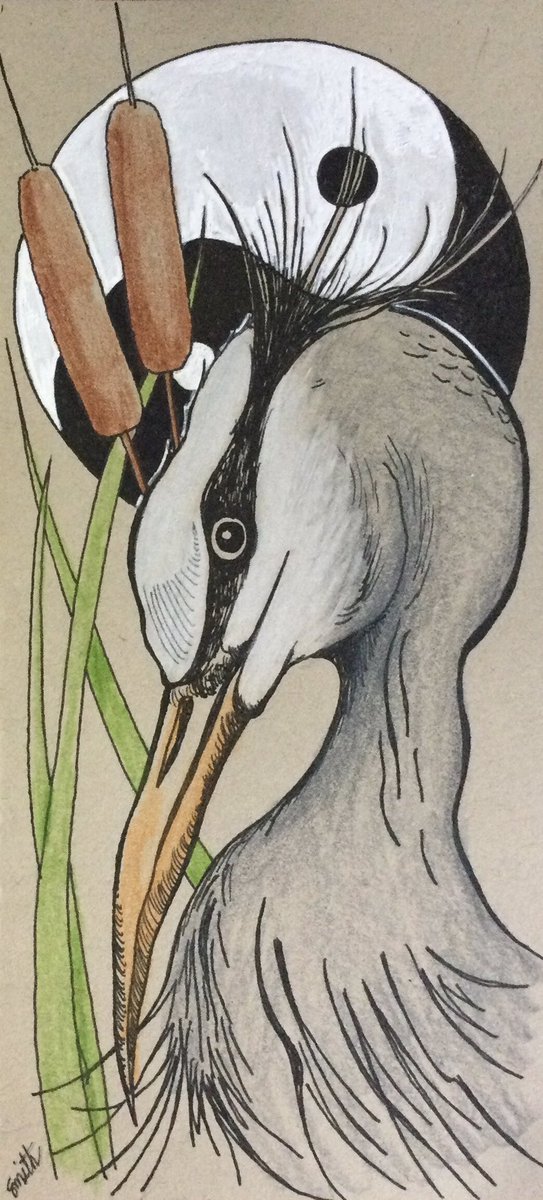
I like to put different spins on the black & white symbol of the yin/yang in some of my art, and how it is representative of the duality of the universe. The Black-capped Chickadee is an almost black & white bird that connects well to duality in nature coloring.
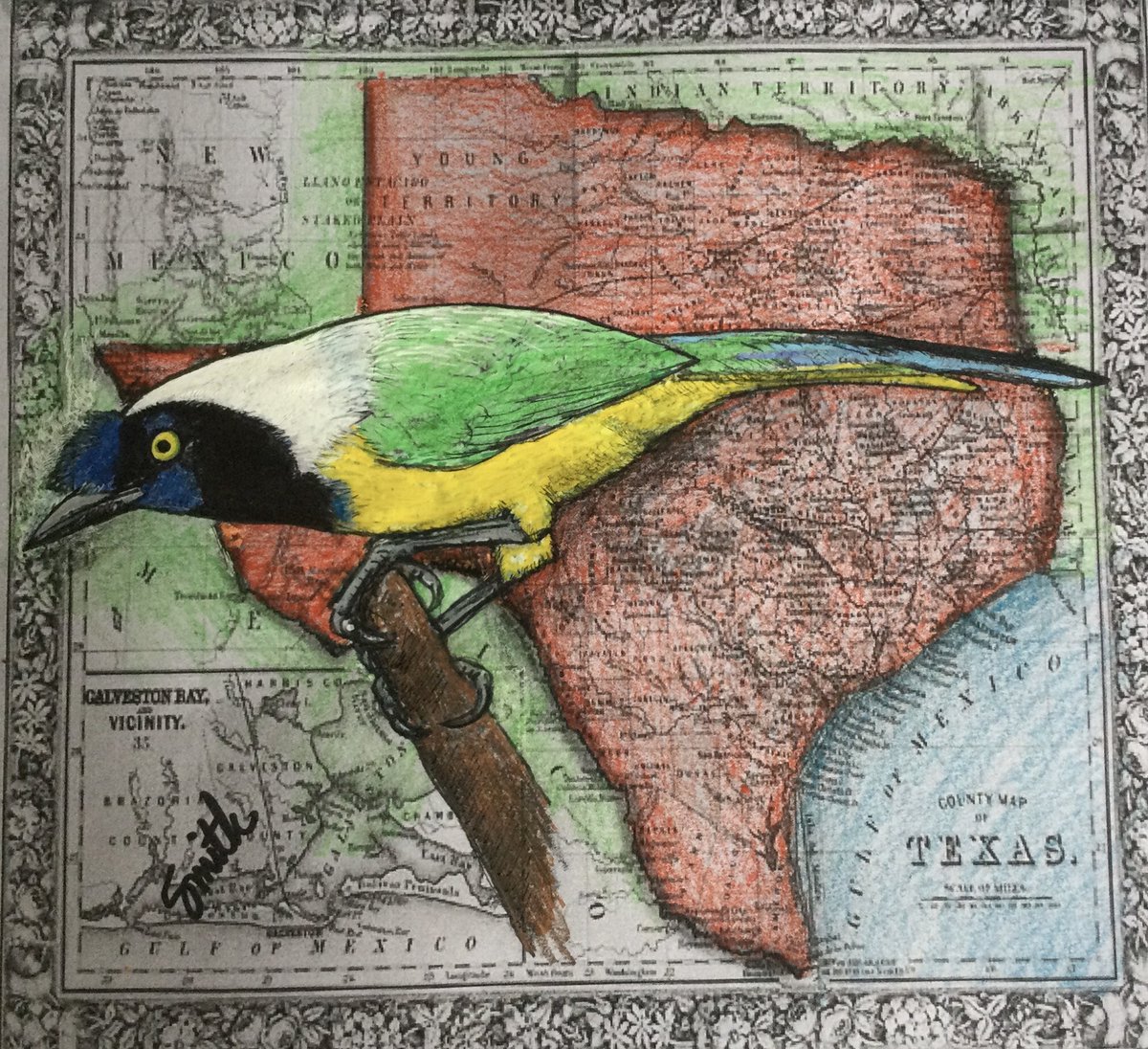
The Green Jay (Cyanocorax luxuosus) is found in southern Texas, Mexico, and northern Central America. Interestingly, they have been observed using sticks as tools to extract insects from tree bark. Drawing for the March #BirdWhisperer prompt.
The Coyote (Canis latrans) of Native American folklore embodies the "sacred" trickster, blurring the lines between animal and human natures, creator and destroyer, and wise teacher and fool. Chaos, death, and mischief often follow him through his mythological world.
Michigan's state bird is quite a colorful species. I once believed that American Robins all left the state during winter, making it an inappropriate choice for Michigan. Over time, I learned that not all did, and would see the males even on the coldest winter days.
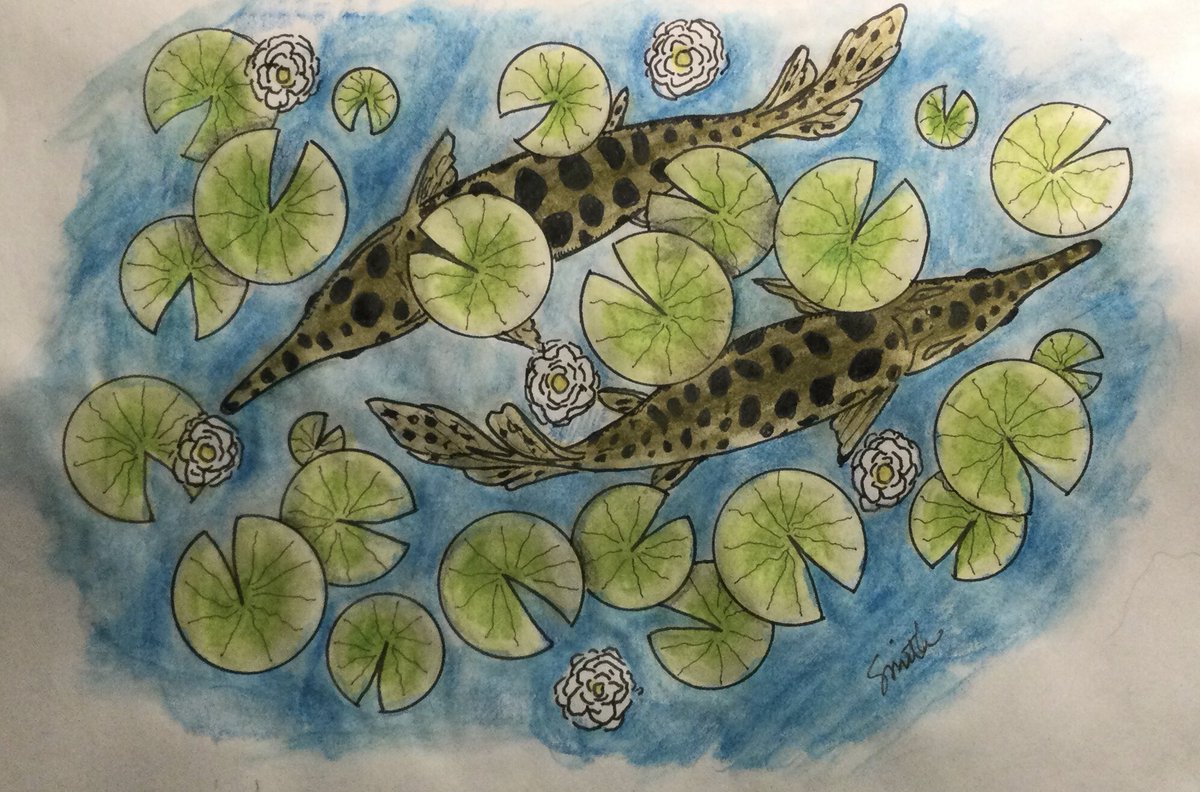
The Spotted Gar (Lepisosteus oculatus). A North American fish patterned with dark spots on its body and sporting an elongated mouthful of needle-like teeth. The smallest of 7 gar species found in North America, they still grow to 2–3 ft in size. #SundayFishSketch
A Varied Thrush (Ixoreus naevius). They are found in the dense humid forests of the Pacific Northwest. A member of the Thrush Family, like the similar American Robin but far more elusive, usually feeding on the ground among dense thickets.
In the late winter/early spring, the Eastern Skunk Cabbage (Symplocarpus foetidus) appears. A unique, early-blooming plant known for its foul, carrion-like odor. It smells of death in a time where I think of renewal. This one was in our wetlands behind our house.
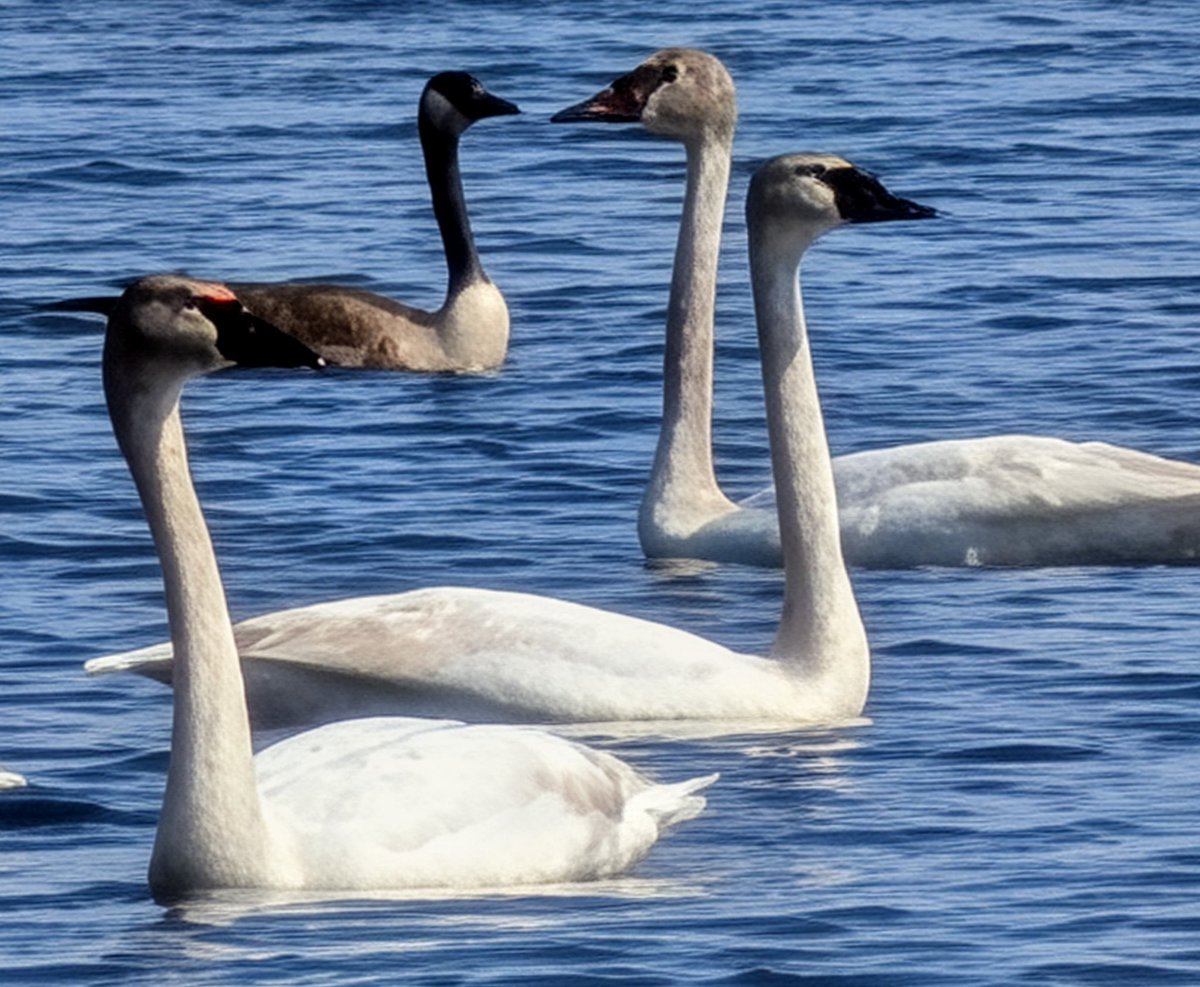
Spring. Trumpeter Swans passing through mid-Michigan, crossing paths next to the trail we walk. Sure are an awesome success story for wildlife management. Back from the brink of extinction, to be now seen in great numbers. A Canada Goose had to photobomb the picture as well.
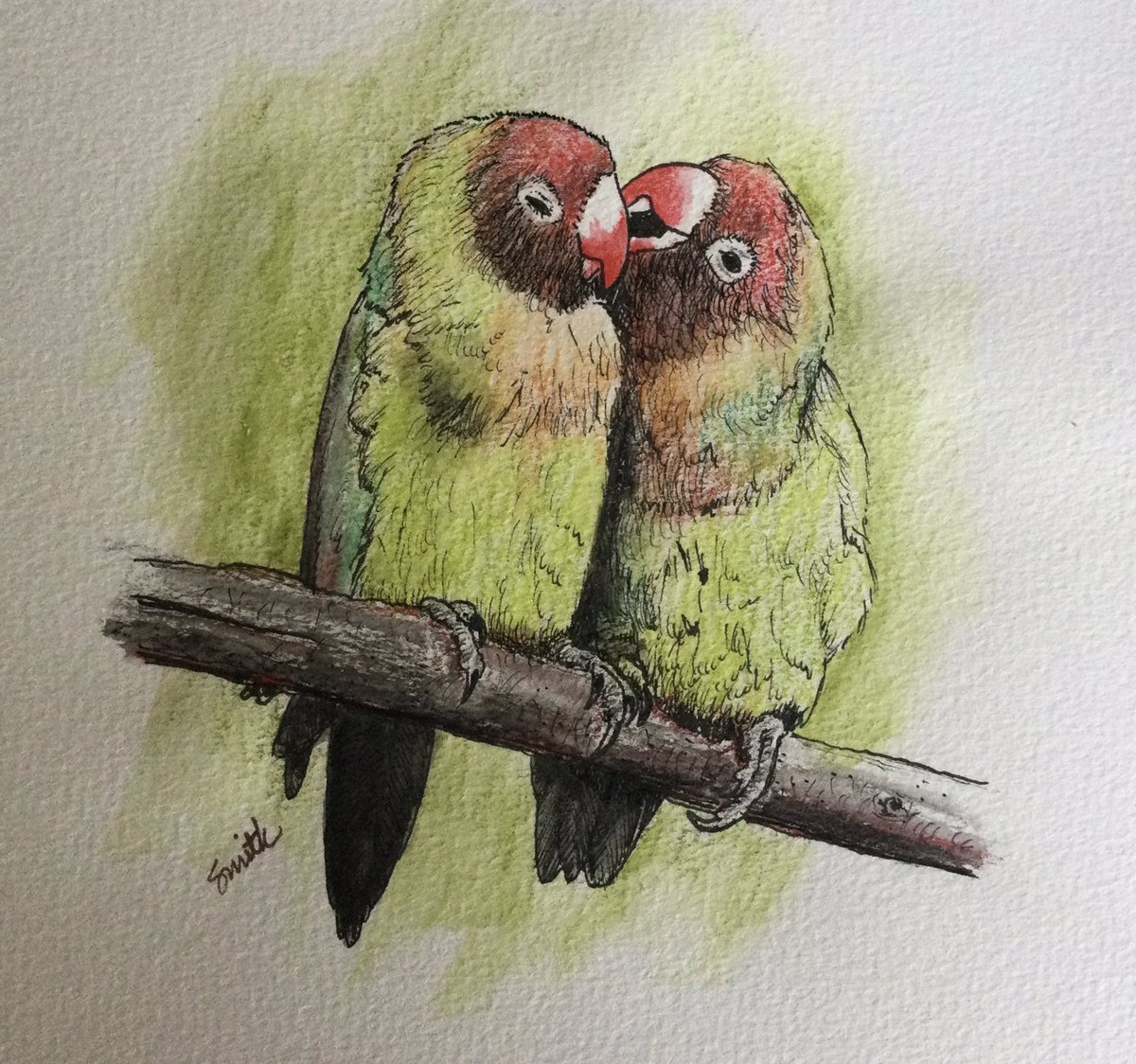
The Black-cheeked Lovebird (Agapornis nigrigenis) is a small parrot that is endemic to a relatively small area in southwest Zambia. Luckily for them, they are uncommon in aviculture pet trade and uncommon as pets. This is a watercolor for the February 2026 #BirdWhisperer prompt.