🎉 WE'RE OPEN! 🎉
We’re delighted to welcome families to our brand-new clinic in Bromsgrove, now offering Occupational Therapy support for children and young people. 🌟
☀️ Summer Support 2026 is here!
📲 Scan the QR codes or visit our website via the link in our bio.
The future of neurological rehab @strolllapp we love this product - thank you for today’s talk at the Brain Injury Networking Forum hosted by @lanyonbowdler
Why We Recommend Using ‘Sensory Integration and Processing’, and Framing Reports Around Strengths and Difficulties Impacting Participation
At ASI Wise and The Sensory Project, we recommend using the term ‘sensory integration and processing’ because it more accurately reflects the full scope of sensory experiences — not just how sensory input is received, but how it is understood, organised, and used to support participation in everyday life. This terminology honours the original theory of Ayres Sensory Integration® (ASI®) while staying up-to-date with current research across neuroscience, occupational therapy, and education.
Rather than focusing only on deficits or ‘problems,’ we structure our reports to highlight both strengths and difficulties, particularly how they influence a person’s ability to participate meaningfully in daily activities. Participation is at the heart of occupational therapy and is a key measure of well-being and development.
By framing reports this way, we:
•Emphasise what a person can do, building confidence and supporting self-efficacy.
•Clearly identify needs without labelling or limiting the individual.
•Maintain a neuroaffirming, person-centred approach.
•Focus intervention planning on supporting adaptive responses, skill development, and increased independence.
•Enable collaborative, goal-oriented support between individuals, families, educators, and therapists.
This approach also better aligns with contemporary frameworks like the ICF (International Classification of Functioning, Disability and Health), promoting a holistic view of health and participation rather than focusing purely on medicalised diagnoses.
https://t.co/wV5dSO9ank
👏🏽🙏🏼 Our clients tell us how challenging it often is to find clothes they want to and can wear in a daily basis. As OTs we see the daily barriers they face with things as simple as getting dressed & using the toilet. Accessible clothing @Primark is a step in the right direction!
Part 2 of our blog is all about why communication is key between you and a child with sensory processing needs: Talking To Your Child About Sensory Processing https://t.co/VgPyDZLGu5 via @sensorydirect@AndreaM56955322
We’ve partnered up with @sensorydirect to create a 4-part blog series about sensory processing and how to help your child. Written by @AndreaM56955322 Director & Advanced Sensory Integration Practitioner read pt 1 here: https://t.co/5JrB0G1j75 #sensoryprocessjng#regulation
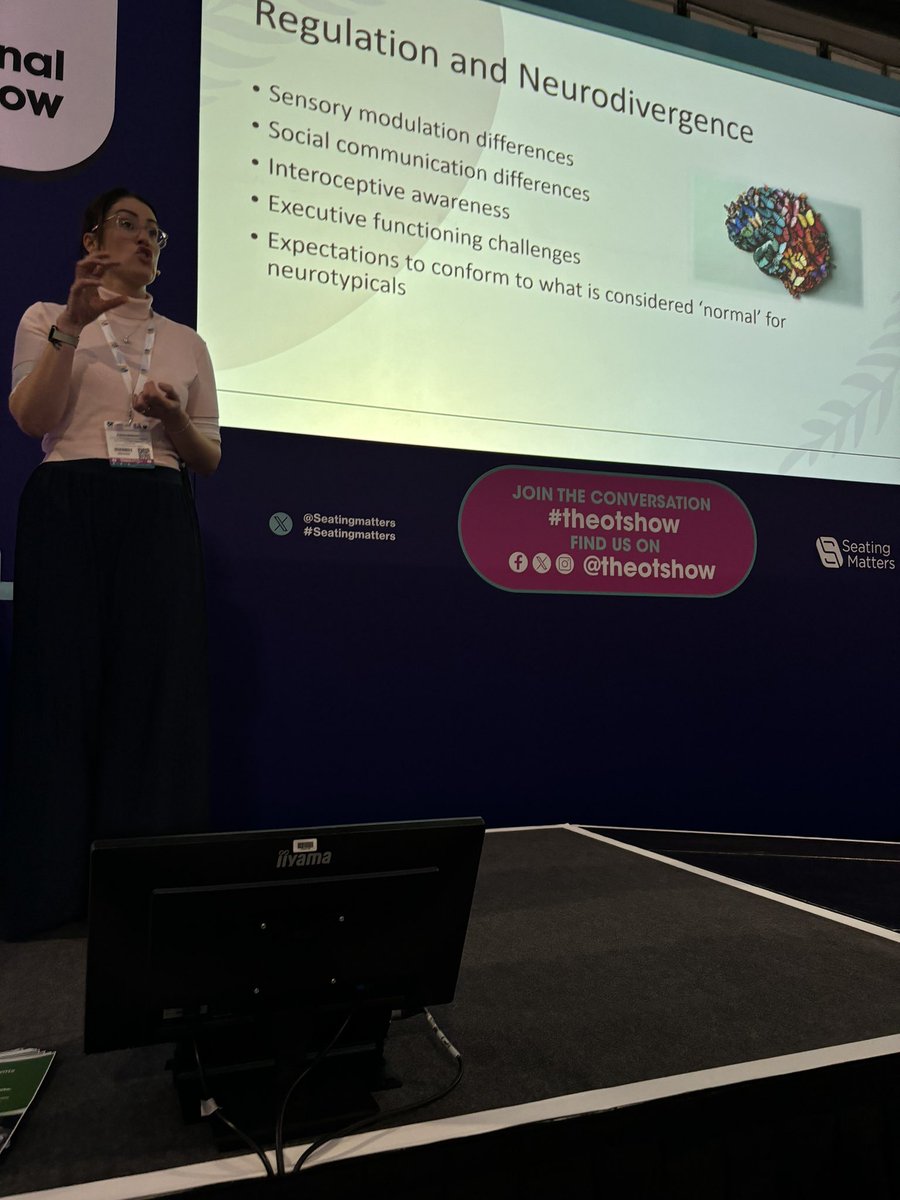
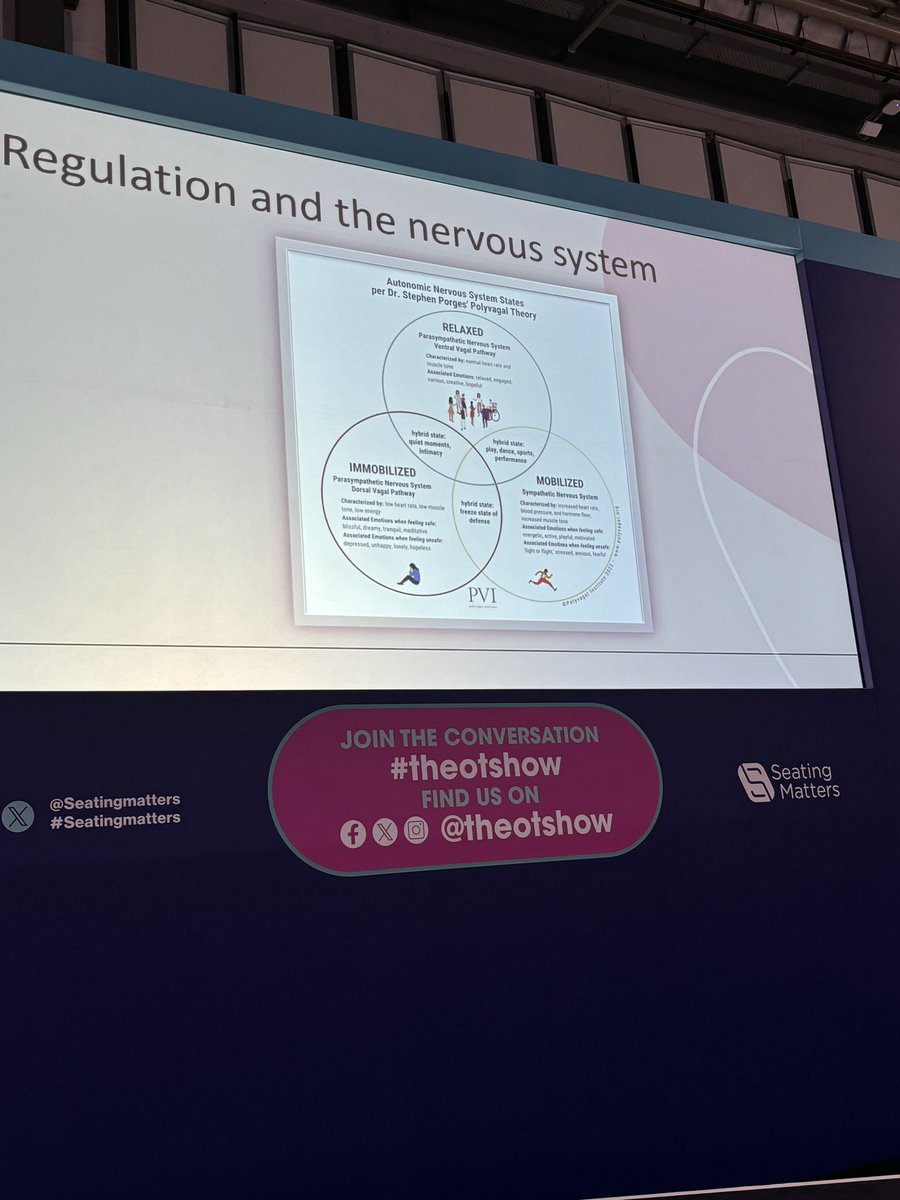
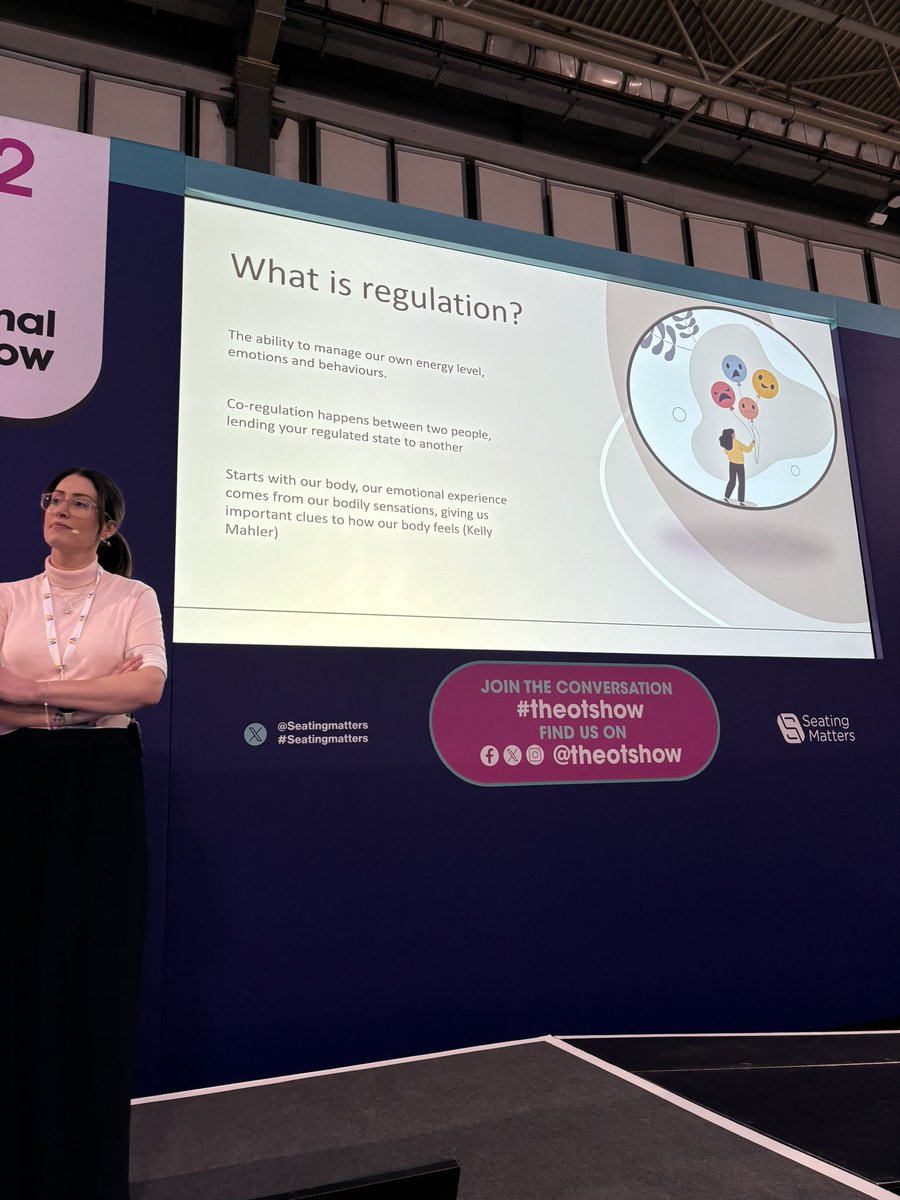
Many things influence regulation: internally and externally. We subconsciously do things to manage our own arousal levels 💚 #theotshow#sensoryregulation
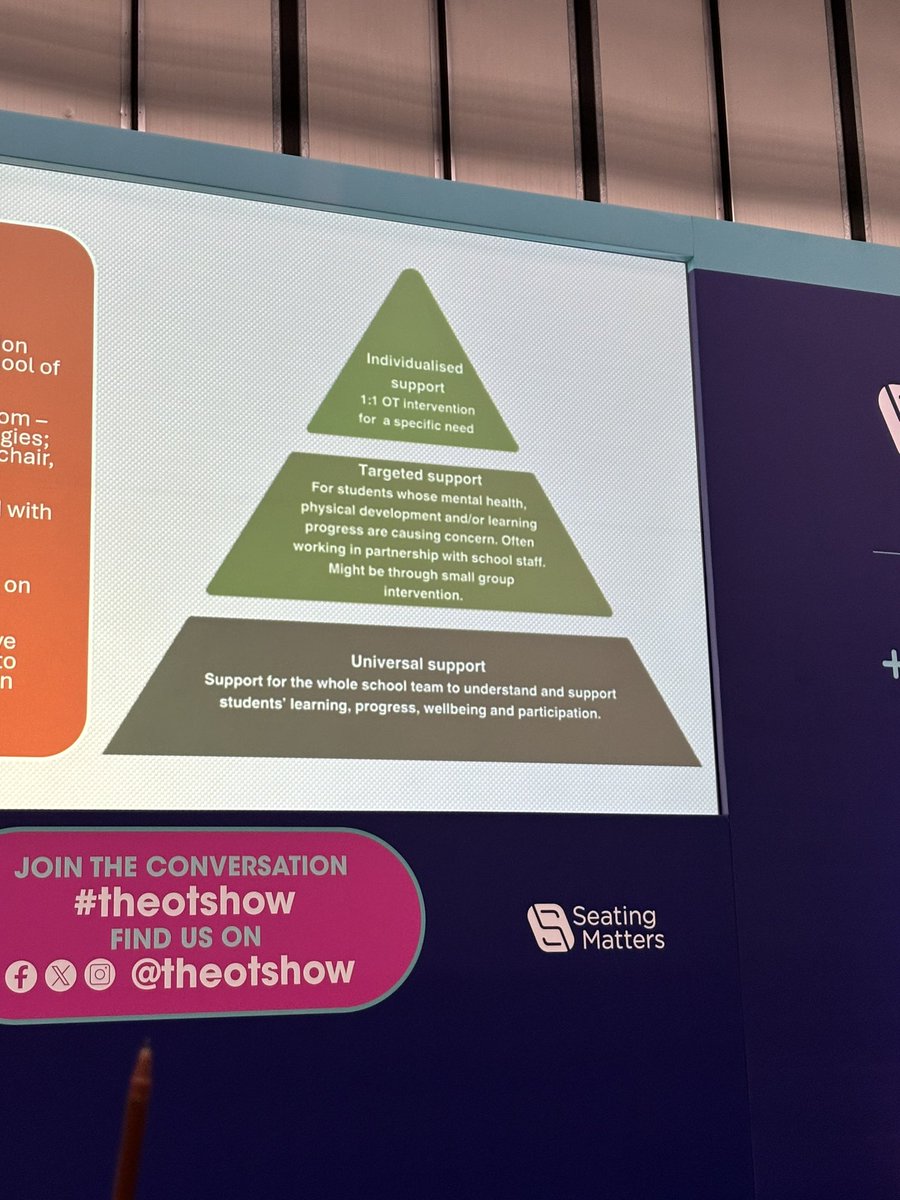
A school some of our OTs work at to enhance learning and education through a 3-tier approach to targeted OT intervention including staff training and sensory regulation strategies #theotshow