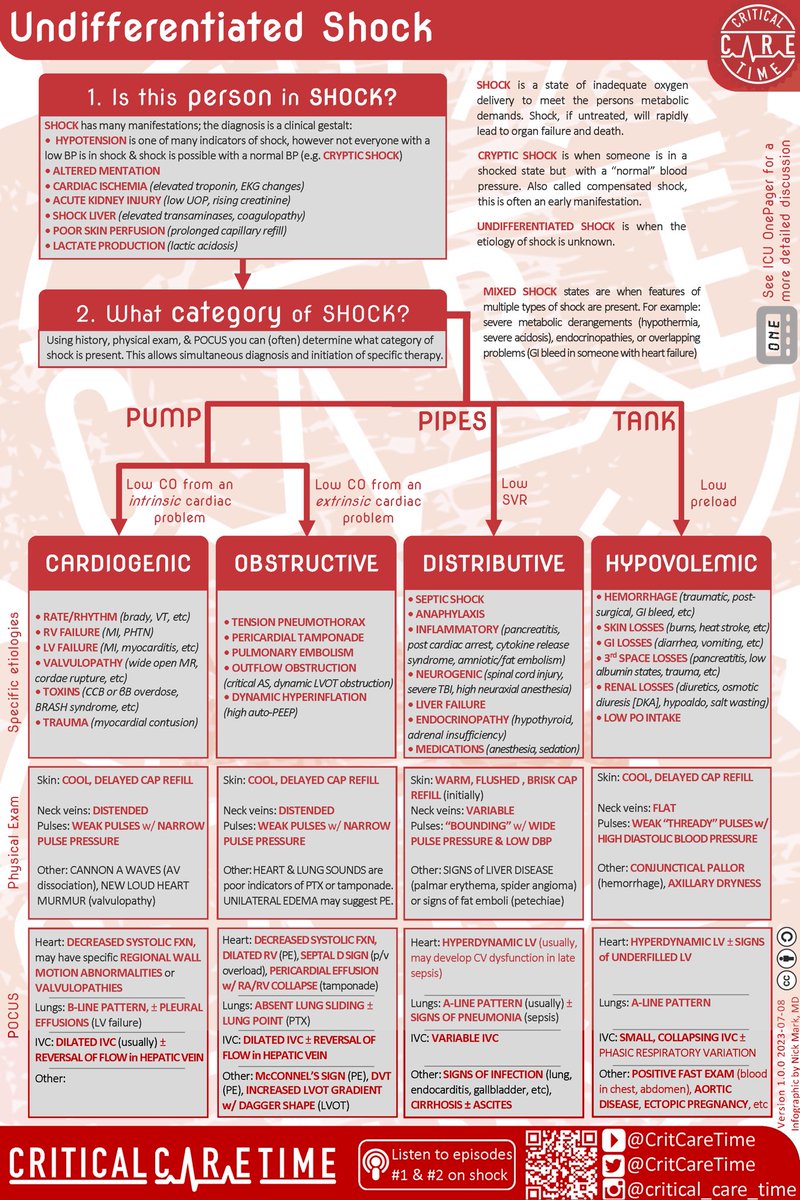
Check out our 🆕 infographic on undifferentiated shock; the perfect accompaniment to the first episode of Critical Care Time!
Part 1️⃣ https://t.co/SO4h8cCdVP
Part 2️⃣ https://t.co/32SJAaoS0Y
🙌 This episode is supported by MetricAid, providing physician scheduling software and services for healthcare organizations where scheduling is complex.
Learn more:
LinkedIn: https://t.co/b5rCjhQTJ5
Website: https://t.co/X9FZojHTsK
The EtCO₂ Reading Is Only Half the Picture.
A single value can tell you only so much.
Capnography offers more information than the number alone.
Here's how to understand what you're seeing on the monitor. 🧵
In our latest Back to Basics episode, Nick and Cyrus break down EtCO₂, its clinical applications, and how to interpret capnography waveforms.
Watch the full episode on YouTube & listen on all major podcast platforms.👇️
https://t.co/7kqhvcplh0
Capnography isn’t just a number.
The waveform contains physiological clues that can help inform patient care.
Knowing what to look for can make waveform capnography a much more useful bedside tool.
An unrecognized esophageal intubation can have devastating consequences.
Capnography helps confirm tube placement and can provide an early warning when something is wrong.
Stay out of island jail. Use capnography.
The number on the monitor is only part of the story.
EtCO₂ reflects ventilation, perfusion, and metabolism. The waveform can reveal even more.
In our latest episode, Nick and Cyrus break down what to look for when reading a capnogram.
Watch the full episode ↓
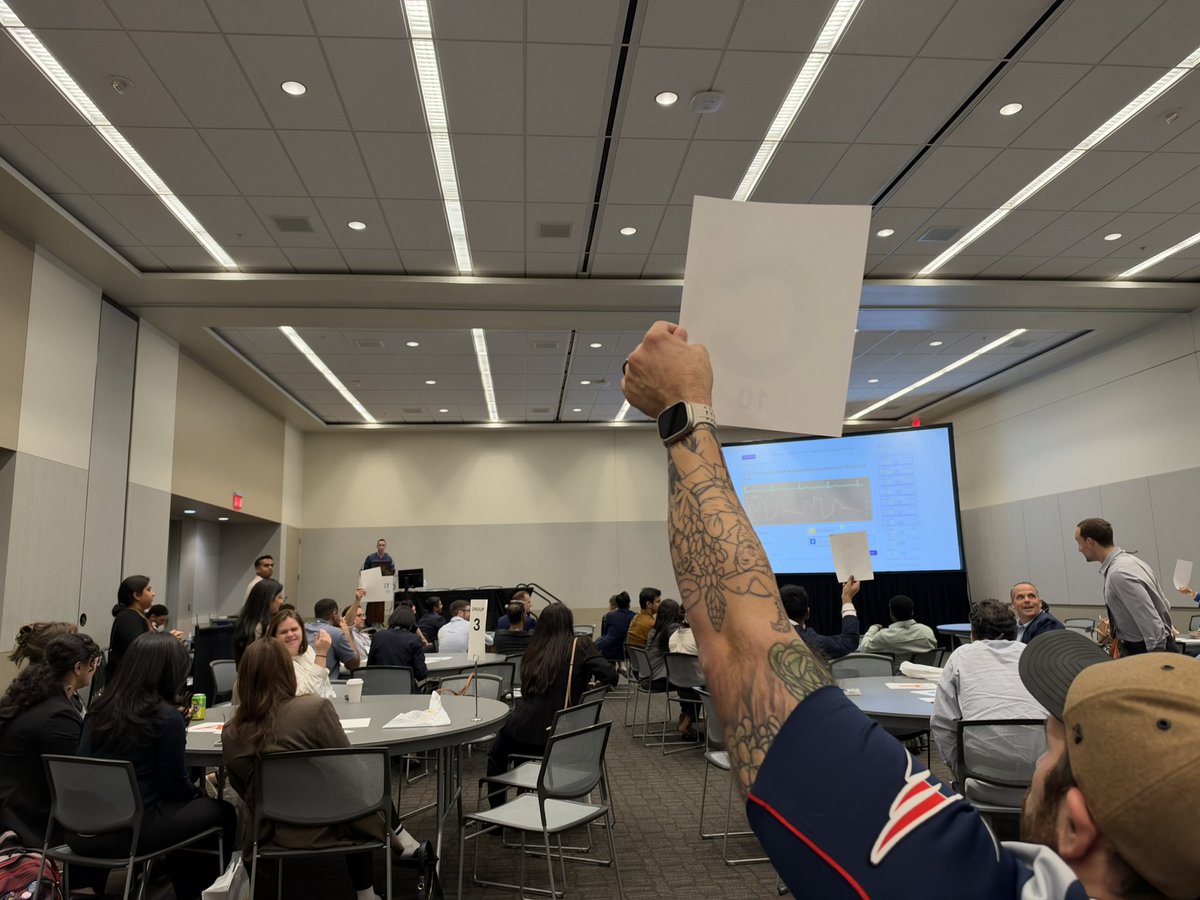
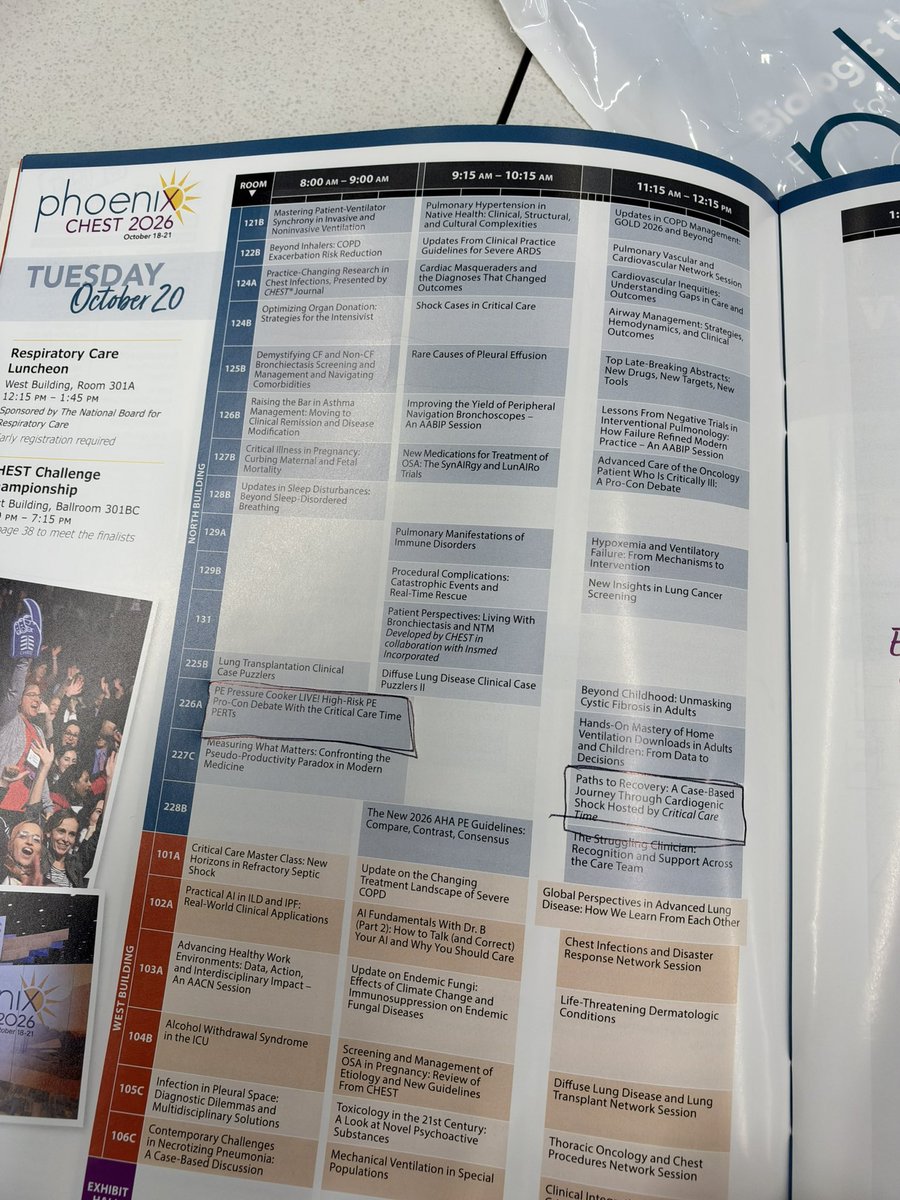
If you are at #CHEST2026 on Tuesday be sure to catch our TWO @CritCareTime events:
- PE Pressure Cooker (226A 8am on 10/20)
- Case based Cardiogenic Shock (227C 11:15am on 10/20)
Want To Understand More Deeply About Critical Care?
Follow Critical Care Time for thoughtful conversations on critical care, clinical practice, and the human side of medicine.
🎧Watch on YouTube and listen on all major podcast platforms.
Follow us for more.
Before You Call an ICU Patient COMBATIVE, See their Reality.
A patient pulling at lines or resisting care can quickly get that label.
Confusion or perceived threat may be driving it.
Understanding what the patient is experiencing can change how you respond. 🧵
Understand the Behavior Before You Label It.
What looks like resistance may be a response to fear or perceived threat.
Understanding the patient’s reality can change how we approach them.
Better care starts with asking what the patient thinks is happening.