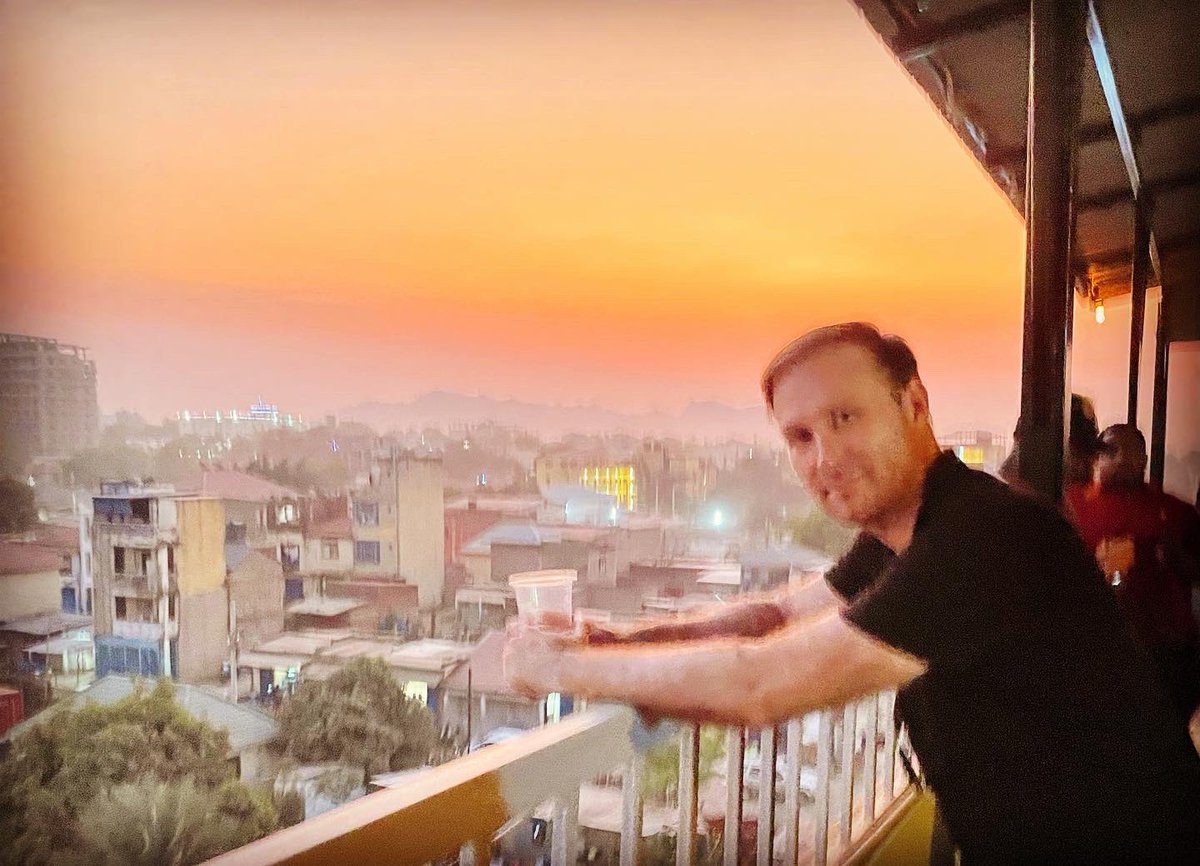
An inspiring visit to the @Give_Bikes workshop in Rotterdam today to meet Martin.
His nonprofit foundation rescues and refurbishes Dutch bikes and donates them to partners around the world.
Looking forward to collaborating on some projects in the future! https://t.co/02ijsbHHpY
Cities, like life itself, is a sum of our choices. A post by my friends Melissa & Chris @modacitylife reminded me of the honoured saying “cities get the traffic they plan for”.
Plan for cars, get cars.
Plan for other modes, get them.
People will use whatever is convenient.
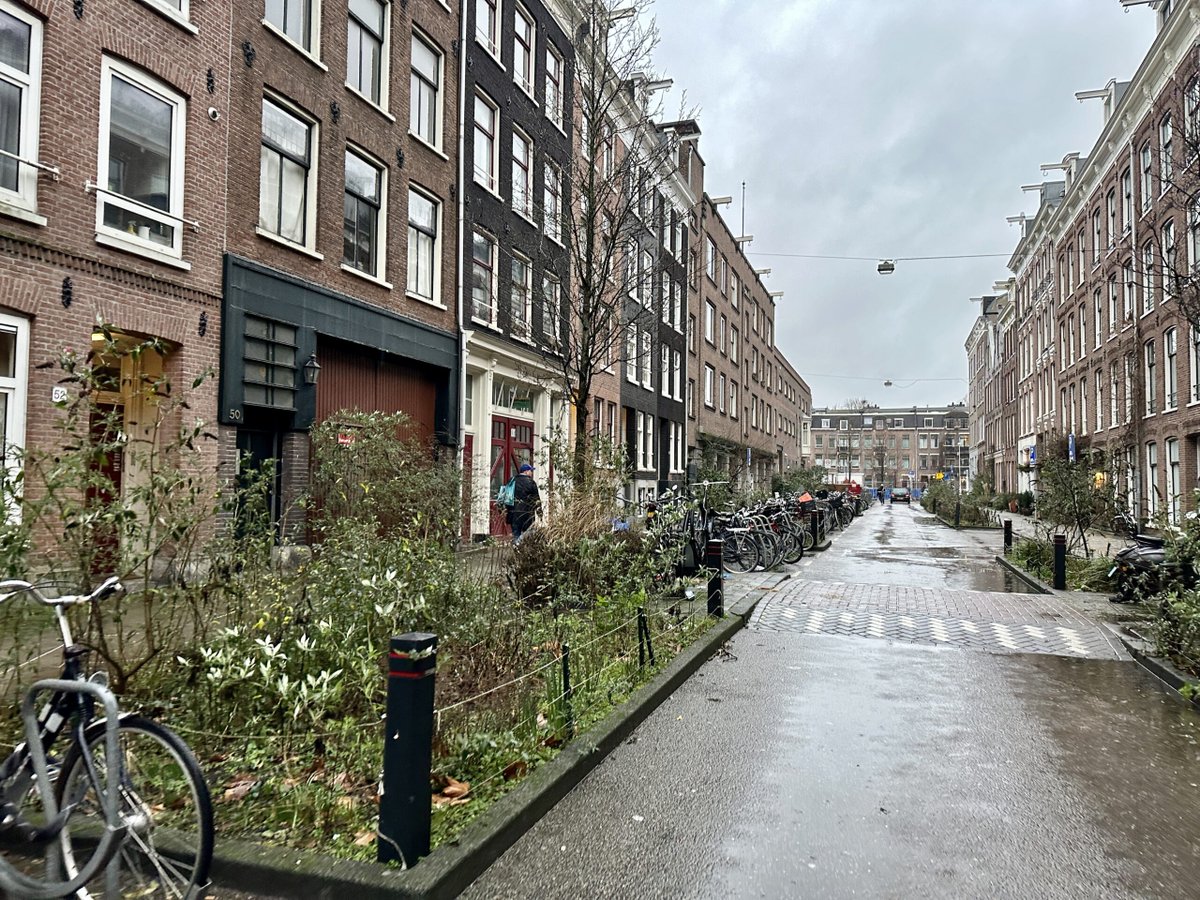
"Walking around Amsterdam today, it felt the streets had always looked like this. But a quick look at Google says otherwise. Just a few years ago, the areas now filled with beautiful greenery, bikes and even a couple of play structures were full of cars."
https://t.co/VLFebfCDmB
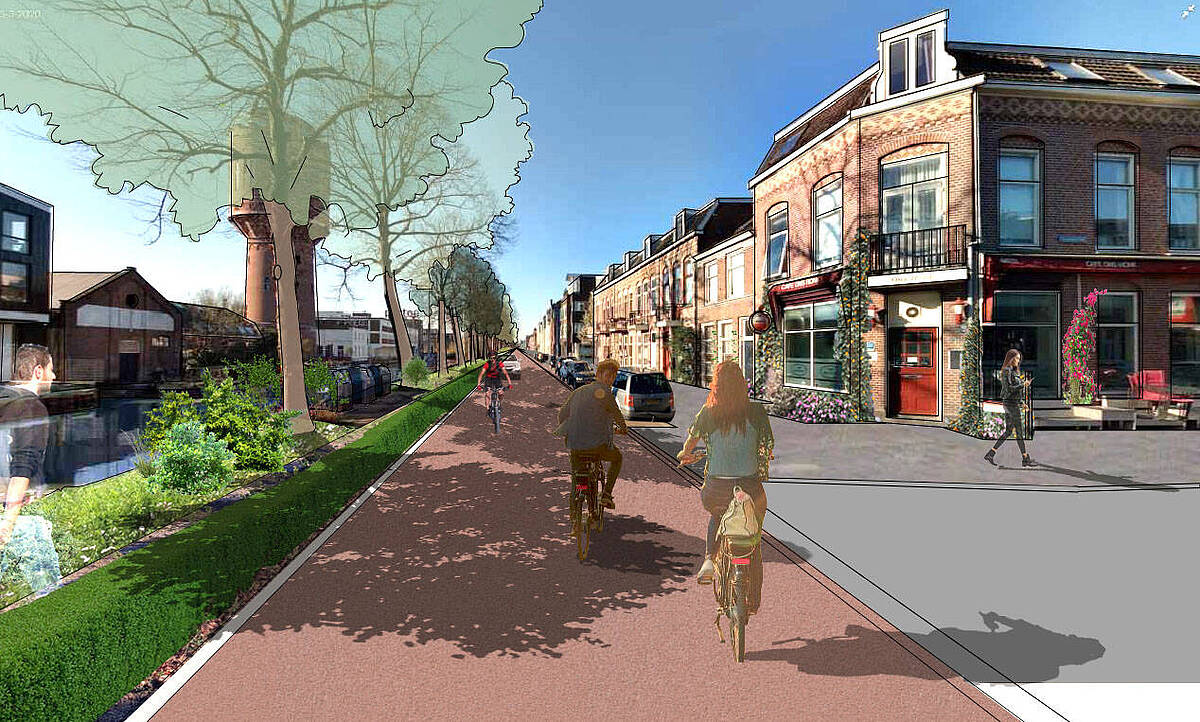
Utrecht's Jutfaseweg will soon become an attractive bicycle street, where the car is a guest.
This will create more space for seating and greenery on the Vaartsche Rijn waterfront and turn the corridor into a green and pleasant cycling and walking route.
https://t.co/SdMCFDhLPW
For university students interested in studying in the EU universities & for capacity building projects of South Sudan’s universities, explore the opportunities in the Programme Guide and apply for #ErasmusPlus Call 2023:
https://t.co/PK7iY4eQle
Enabling more people to ride bikes can help reduce congestion, pollution and the cost of living. All whilst boosting public and mental health and making nicer places to live. For a better future, #BikeIsBest
The most important part of an effective cycling plan is the car plan.
By making driving indirect and inconvenient—and riding a bike the opposite—cities improve the attractiveness, comfort and safety of their streets; and the more desirable way of travel becomes the quickest one.
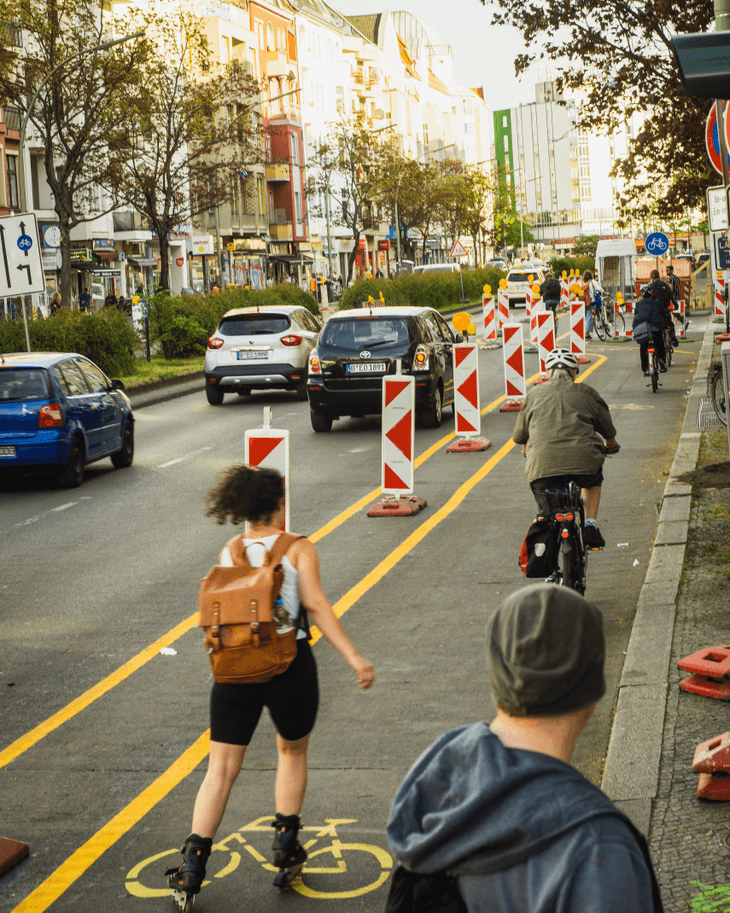
During the pandemic, temporary bicycle lanes appeared in many large cities.
For his thesis, @tudelft student Yvar de Waaij examined in what form these pop-up bicycle paths appeared and how users experienced the safety and comfort of the several designs.
https://t.co/UqITqVd6Mn
“A bucket is a useful tool, but at lunch it’s no substitute for a spoon.
Efforts to build cities for cars fail because—like buckets—cars are useful tools that can’t serve all needs well.
The pursuit of drive-everywhere cities serves no one well—not even drivers.” @PeterNorton12
If cities really want to reduce car usage, they must focus less on complete streets and more on complete networks.
Rather than individual isolated routes, they need to plan and build a cohesive grid that enables travel from anywhere to everywhere.
WATCH: https://t.co/QtoqX3GxRh
Across the globe more and more cities are realising that enabling cycling is critical for healthier, sustainable, cost effective and efficient transport. For a better future, #BikeIsBest https://t.co/YyE26pagvM
Working from the home office in Delft has its benefits.
Whenever it feels like the walls are closing in, we can momentarily escape the endless emails, phone calls and virtual meetings; taking time for a meandering walk through the city center to just *breathe* for a few moments.
"You should #ride for #meditation for 1 hour per day. Unless you're too busy, then you should ride for 2 hours." - Old Zen Saying 😎
#HappyFriday dear #BikeFriends 🙌🏽 🚴♀️🚴♂️🚴🏻 💚
"We travel partly to glimpse new possibilities for our lives back home. We travel to be changed, hopefully for the better.
Cycling in Rotterdam made me imagine the pleasures of Dutch cycling culture being brought to pockets of America." - @LisaMontanaro
https://t.co/Hz9qGLv6QO