🚶♀️💪 Menopause & Exercise: Why You Should Keep Moving! 💪🚶♀️
We all know exercise is good for us, but when menopause hits, it can be the last thing you feel like doing. The key is to break it down into smaller, more manageable steps:
⭐️Find an exercise buddy to encourage you and hold you accountable
⭐️ Start small—even 10 minutes of movement can make a big difference
⭐️ Make it a non-negotiable part of your day, like brushing your teeth
⭐️ Change your mindset—exercise is your menopause medicine
⭐️ Exercise doesn’t have to be a big time commitment, and when you find ways to make it fun and part of your routine, you’ll start to see the benefits: better energy levels, improved sleep, mood boosts, and even muscle tone! Plus, regular exercise helps protect your telomeres and can keep you feeling younger for longer.
🌟 So let’s keep moving and embrace our menopause journey—after all, it’s therapy for both body and mind! #MenoHealth #MenopauseSupport #ExerciseIsMedicine #MoveThroughMenopause #menopausesupport #menopausesymptoms
A new survey by the BMS and @YouGov for #WorldMenopauseDay confirms many Healthcare Professionals would like further training around #menopause. BMS has launched new online education to help address these challenges in menopause care https://t.co/fj1jtMQkCD
Do you remember when you joined X? I do!
Haven’t been posting much due to Admin issues (sorry) but hoping to resume service as it’s World Menopause Day this week #MyXAnniversary
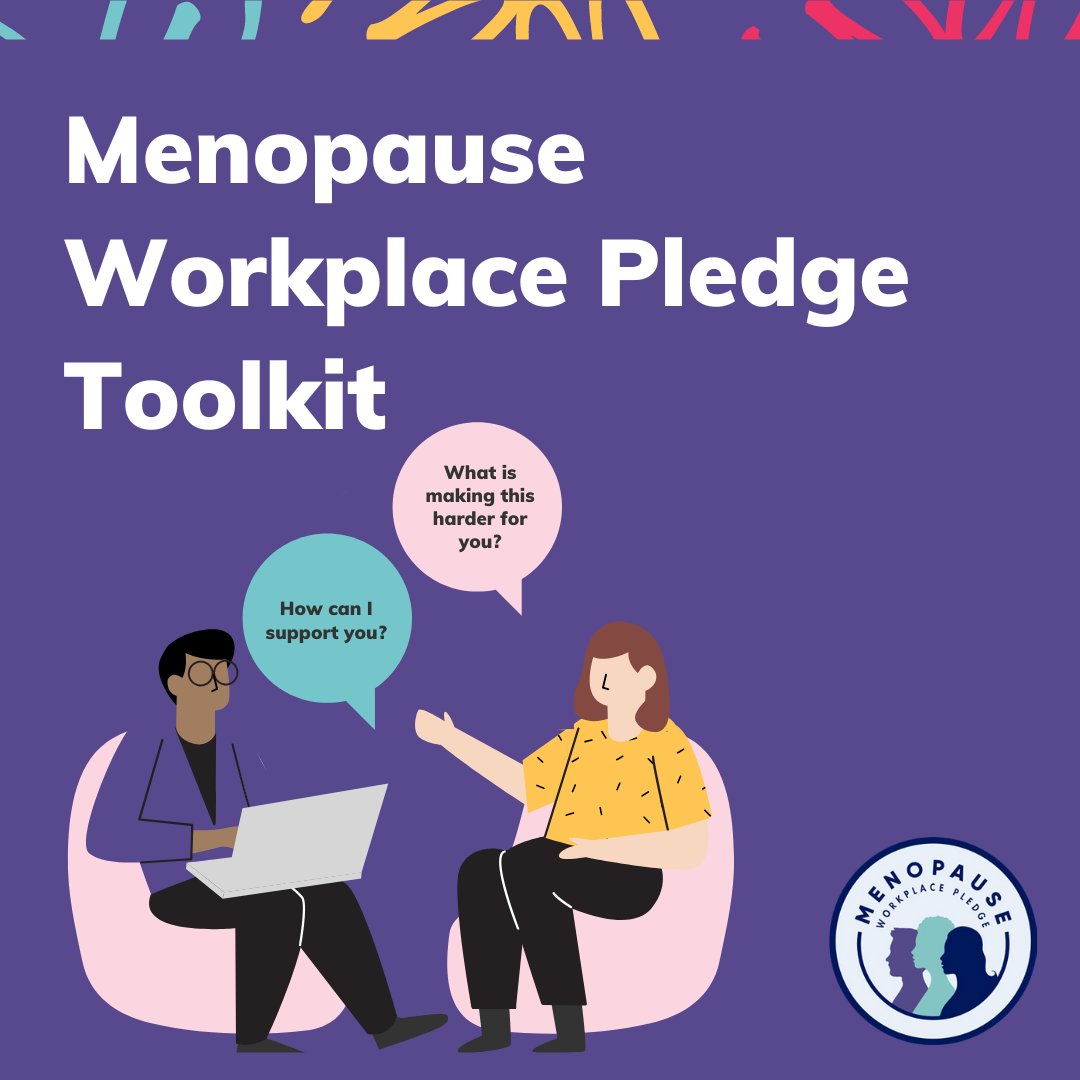
We've launched a toolkit of resources tailored for all staff in SMEs to create menopause positive workplaces. All workplaces whatever their size could benefit from the tips and guidance.
Explore full toolkit here: https://t.co/AXSJj7wU6D
Body identical HRT has more benefits than risks for most women. Benefits include improving symptoms as well as improving future health.
Important to remember that our hormones oestradiol, progesterone and testosterone are biologically active hormones with many beneficial roles in our bodies.
These benefits and risks charts are worth a read.
https://t.co/BJSh9YJZ9V
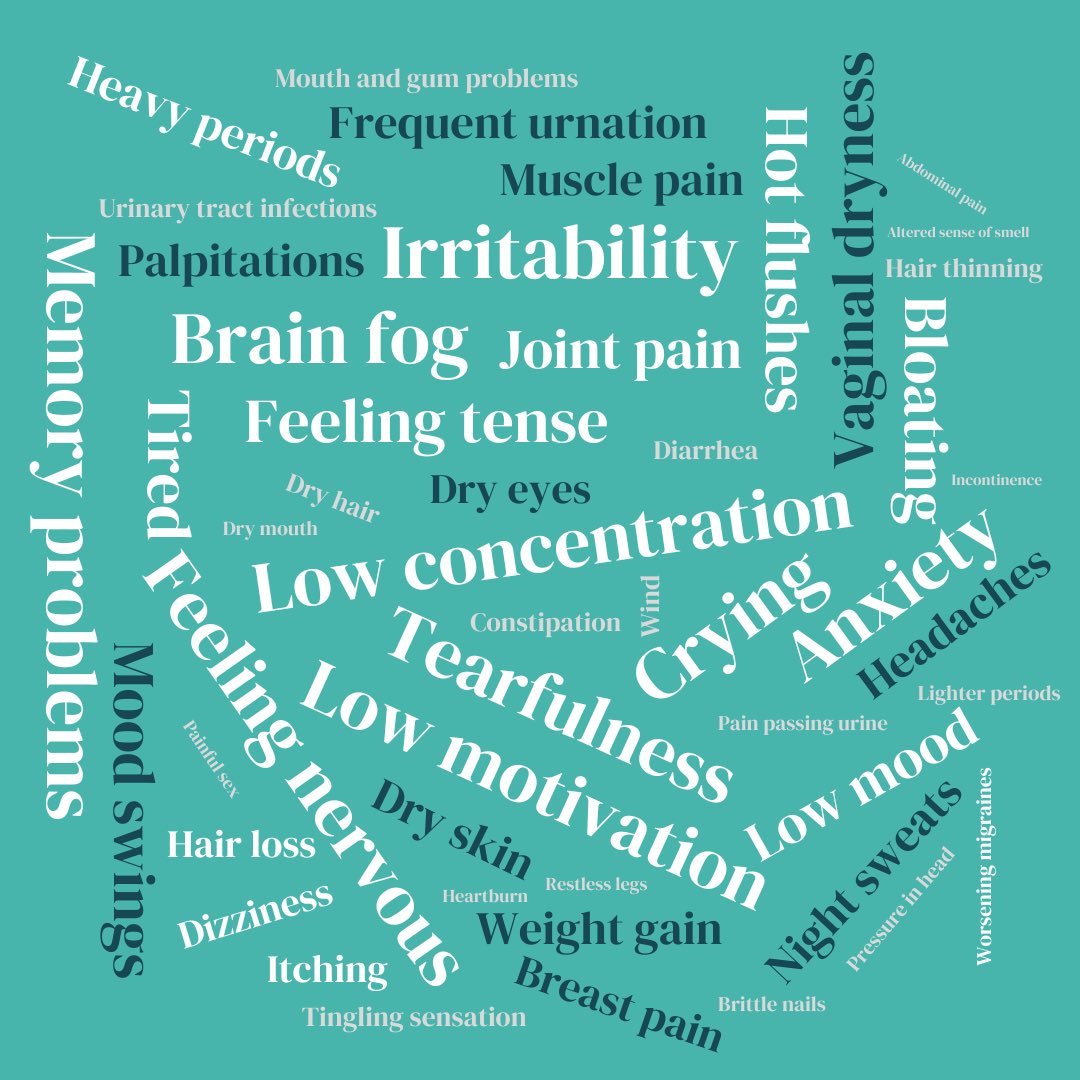
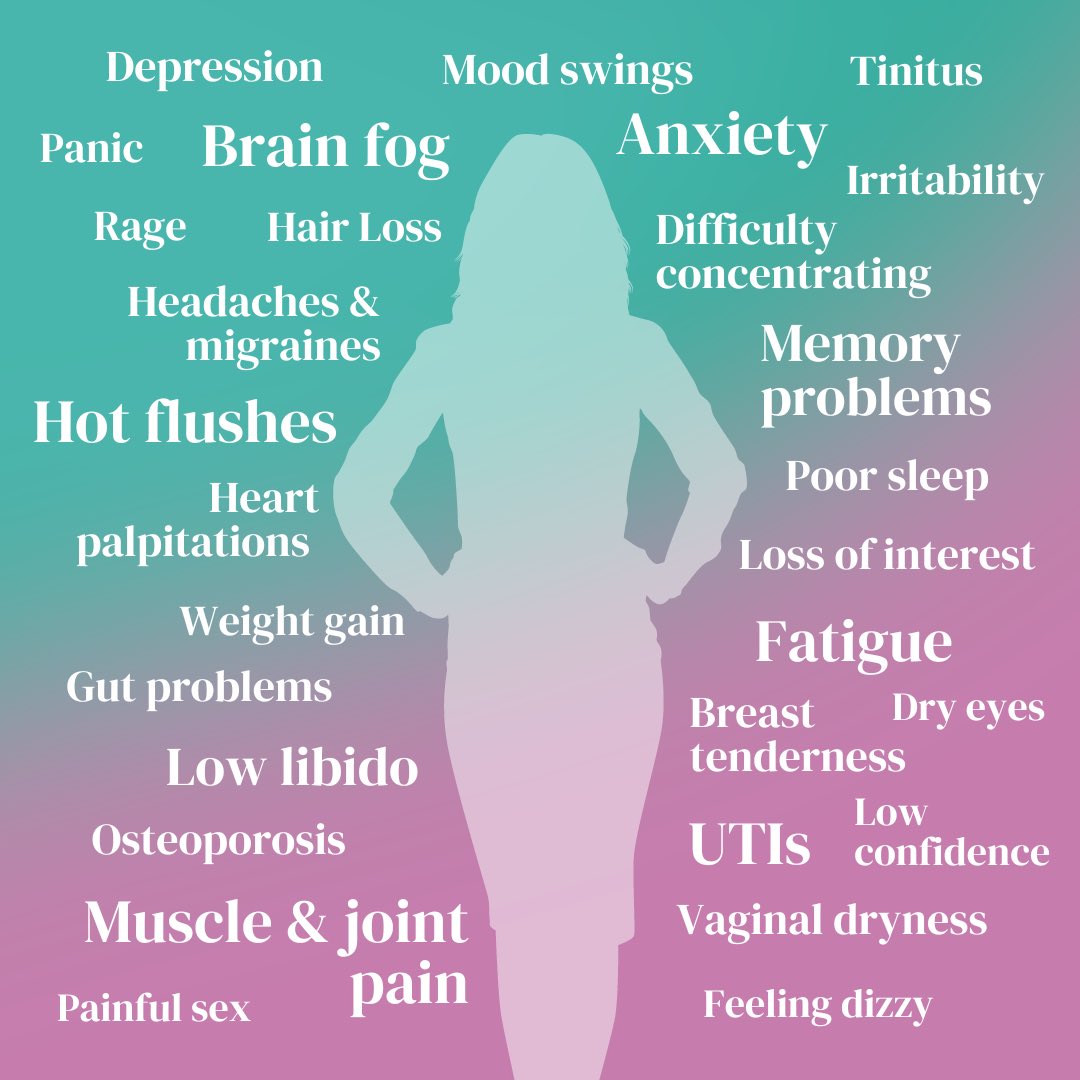
I have generated a word cloud of menopause symptoms based on a large survey of nearly 6,000 women we did recently - the larger words are the more common symptoms.
Notice how many of the most common symptoms are related to the brain!
Just one week away. Healthcare professionals. Live & interactive webinar with menopause specialist panellists. Join us for as many webinars as you like from the remaining four #Menopause Masterclasses in the brand new 2024 series.Evidence based education https://t.co/PCilOCLbWN
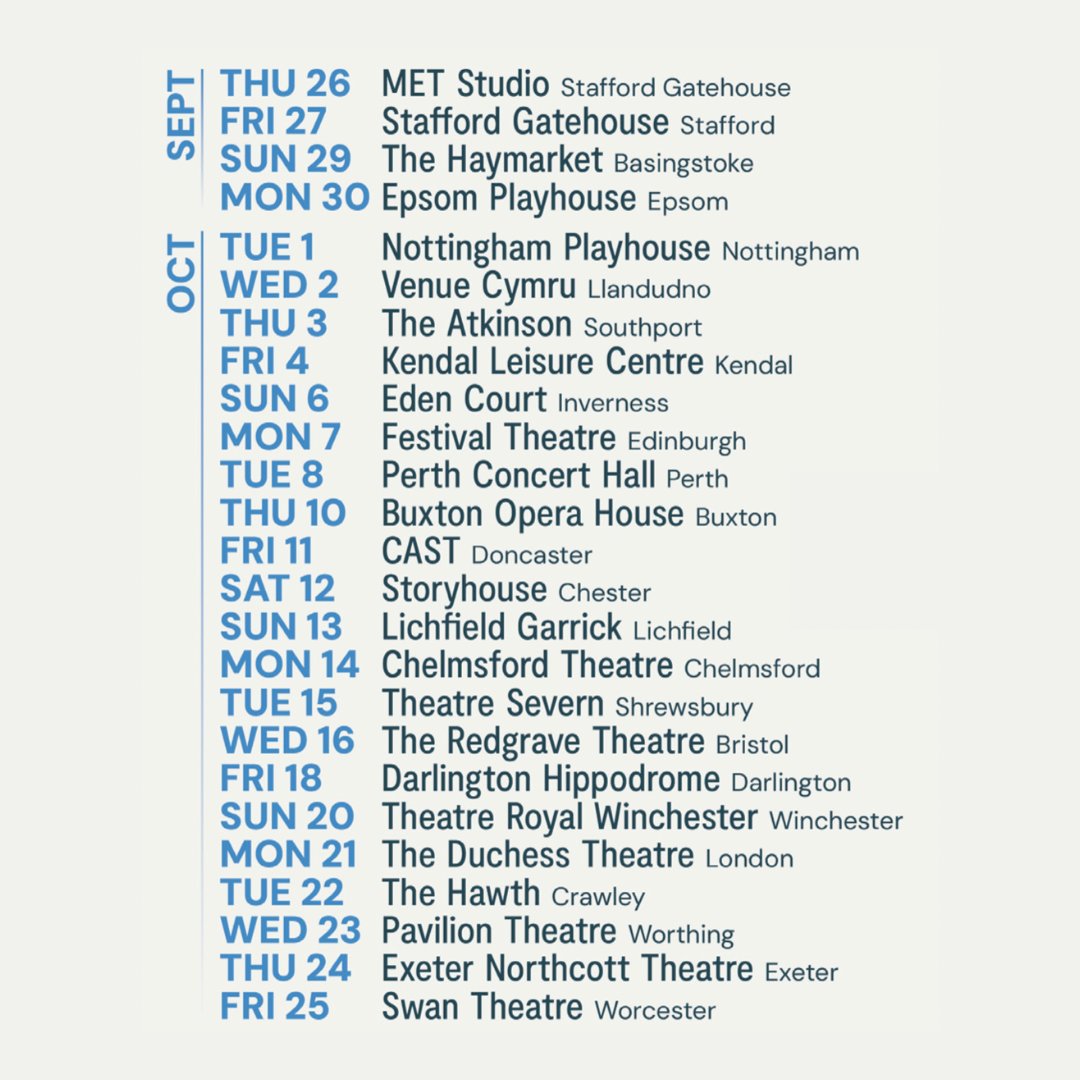
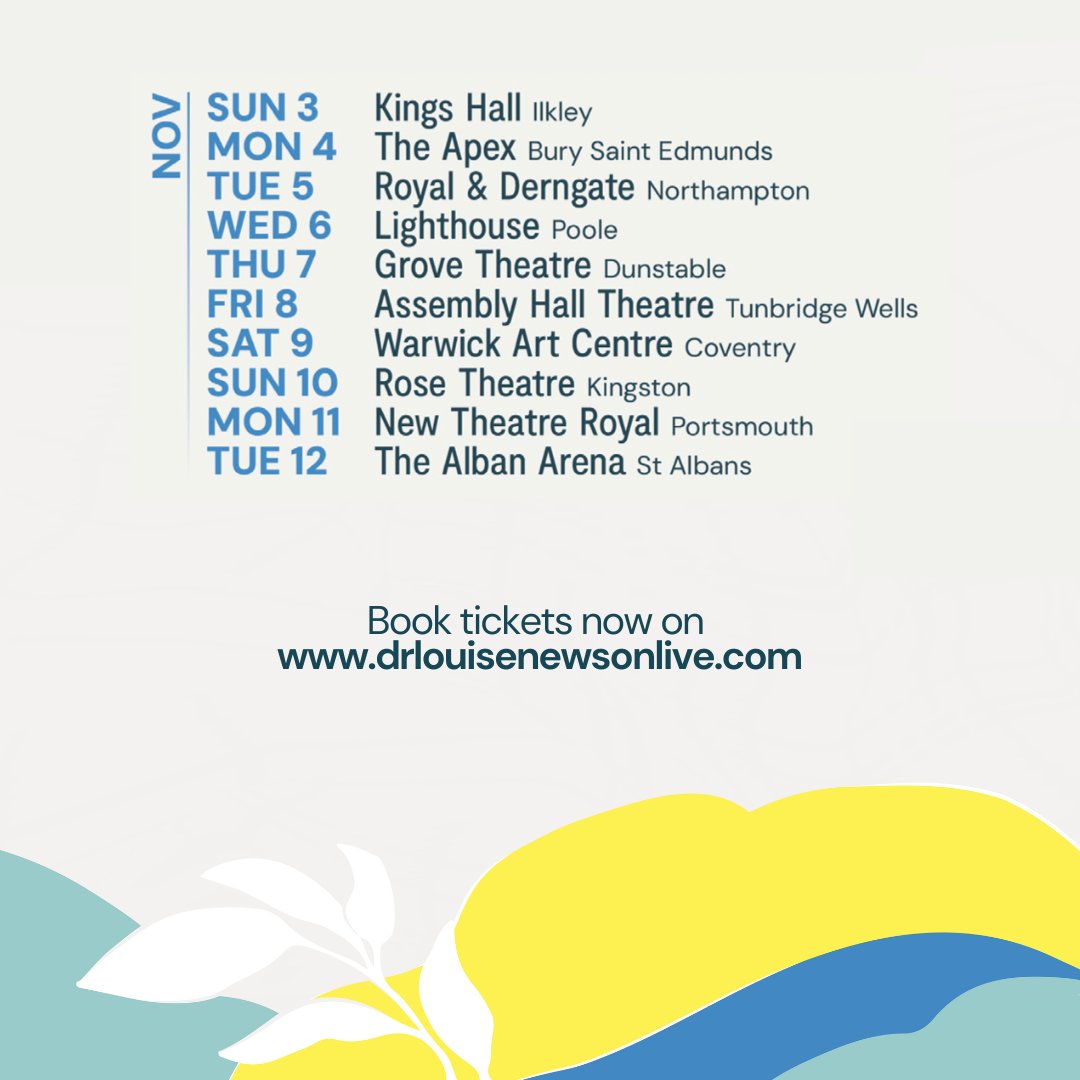
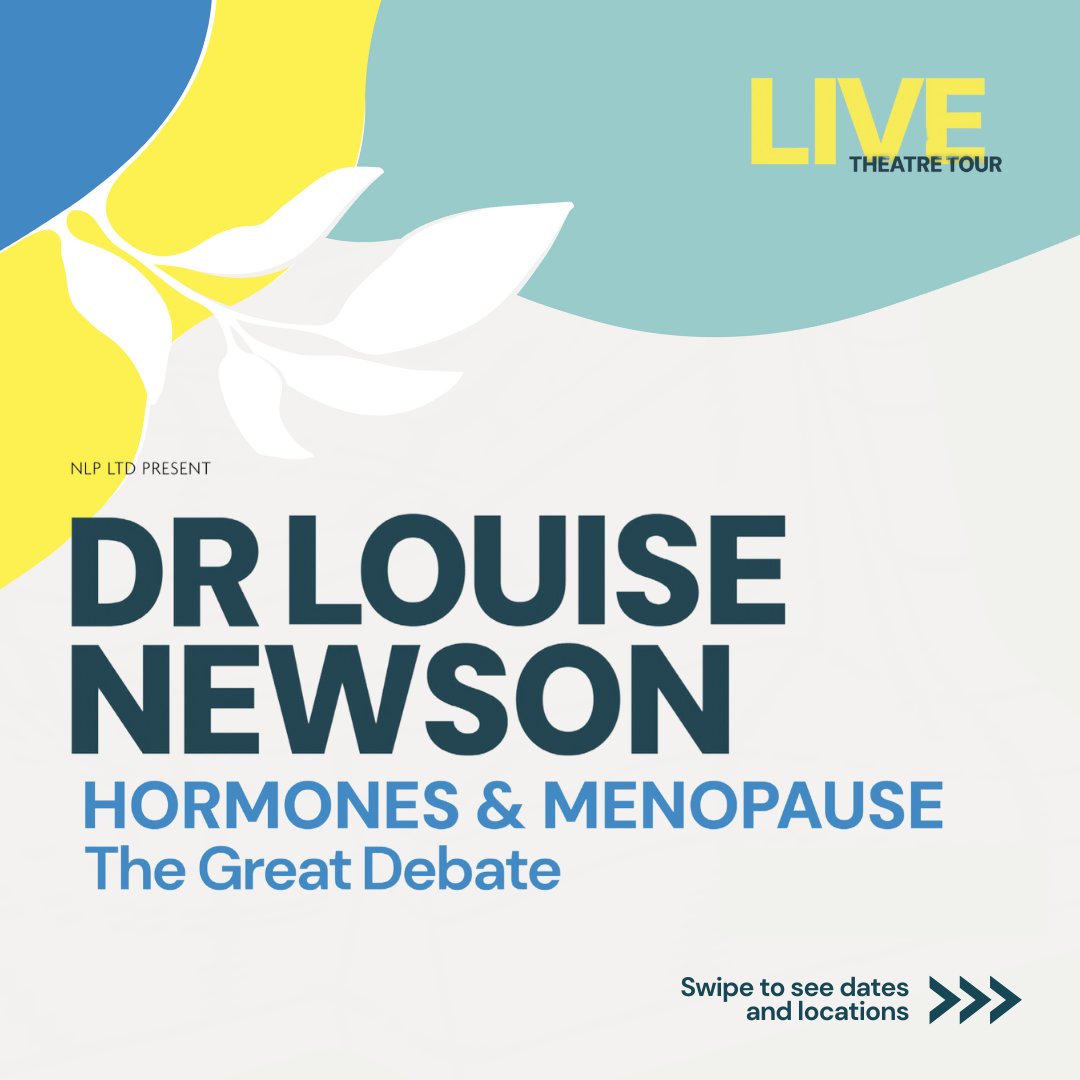
Wow - seeing all the dates and locations listed out like this is making me even more excited than ever to go on tour later this year.
It’s such an honour to be able to travel around Britain and speak to women face to face about menopause and hormones because understanding their roles in our bodies can really be very empowering. I am already preparing some great (and shocking) content for the show..
If you'd like to join me, you can get tickets for all dates/locations here: https://t.co/8q2CqhNqOx
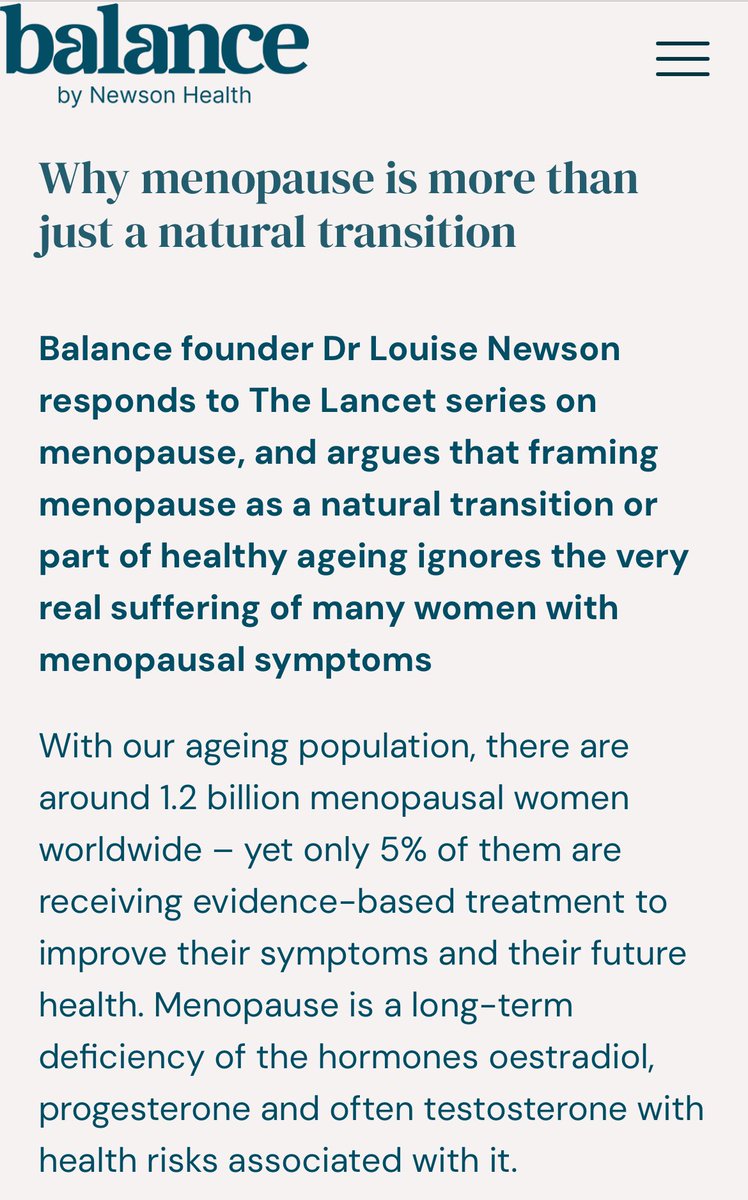
If you’ve seen the headlines this morning debating whether menopause is a disease and being over-medicalised, this video explains my thoughts.
Menopause is more than a collection of symptoms; it is a cardiometabolic and inflammatory condition which leads to an increased risk of numerous diseases.
Menopause has been ‘medicalised’ for years – including with antidepressants, antipsychotics, painkillers, sleeping tablets, anticholinergics to treat bladder symptoms, and heart medications to lower cholesterol, reduce blood pressure and control palpitations. The first-line treatment for menopausal symptoms is body-identical HRT.
Studies have shown that when women are given the right dose and type of hormones, their symptoms improve, and they have a lower future risk of numerous long-term inflammatory diseases associated with menopause including diabetes, cardiovascular disease, osteoporosis, dementia, and depression as well as early death.
Talking about menopause as being a ‘natural transition’ or part of ‘healthy ageing’ ignores the very real suffering of many women with menopausal symptoms.
Measles cases are rising in England.
You can still ask your GP practice for the MMR vaccine if your child has missed either of these 2 doses.
For more information ➡️ https://t.co/pGbmMXqcSf
Money worries can appear out of nowhere. Whatever your concern, we’ll do all we can to help you take the weight off your shoulders. See how we can help you https://t.co/UMHiILydpl
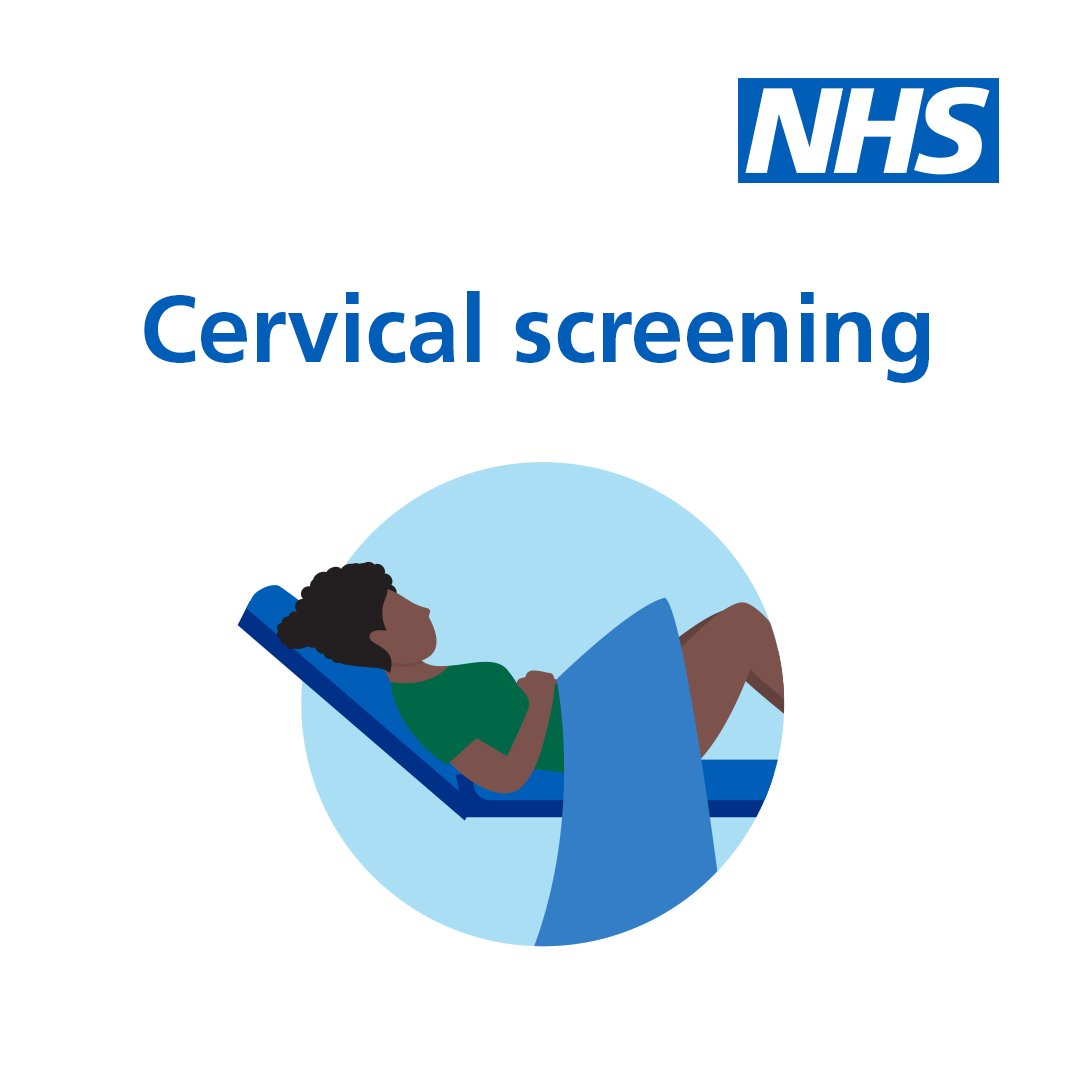
It’s #CervicalCancerPreventionWeek.
Cervical screening can help stop cancer before it starts. If you missed your last one, book an appointment with your GP practice. You may also be able to book with your local sexual health service.
➡️ https://t.co/LCjzeeGWbY
I've been asked to clarify:
Women aged 50-59 who are on or have taken HRT are much less likely to die of #breastcancer (~70% less) than never users
Reduced risk of breast cancer mortality in women using postmenopausal hormone therapy (Mikkola et al 2016)
https://t.co/XxgNz36EhI
The majority of women will experience symptoms during their menopause, which can affect both their home and work lives. The symptom you may hear about most is hot flushes, but this is a bit misleading because actually women can experience symptoms all over their body - and not just physical symptoms, psychological symptoms too.
The severity of symptoms varies tremendously between women. Some will only experience them for a few months, others can continue to suffer for years, or even decades. But it’s important all women are supported with accurate and up to date information, and can also access HRT to help relieve symptoms if that is what they want.