officially announcing the next @cryodao research project:
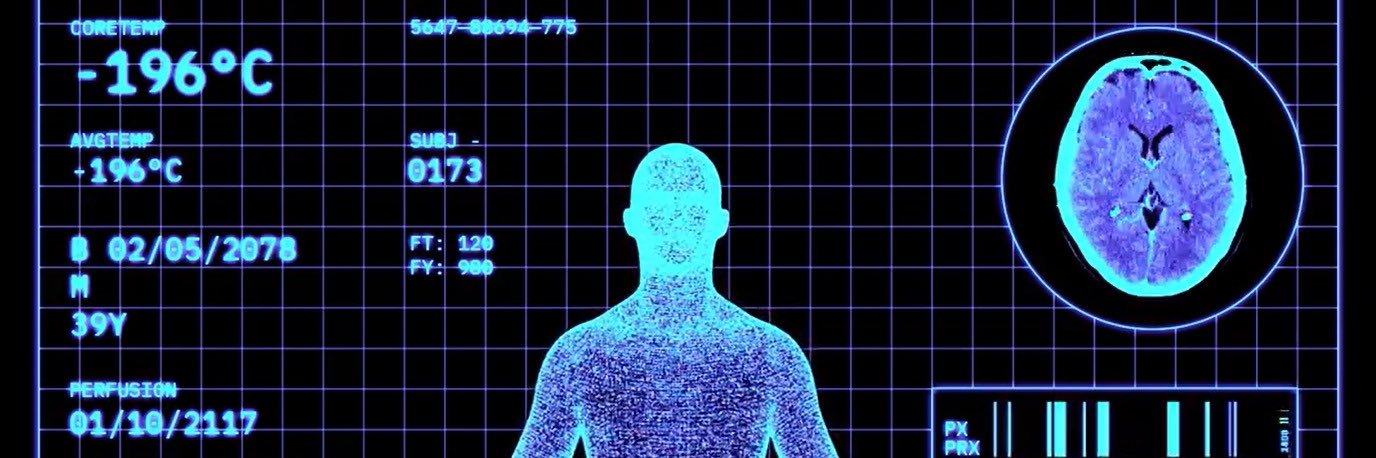
$259,000 for "TOTAL RECALL" 🧊🧠
setting out to prove that complex mammalian memory can survive cryopreservation with legendary cryobiologist greg fahy and principal investigator regina monaco
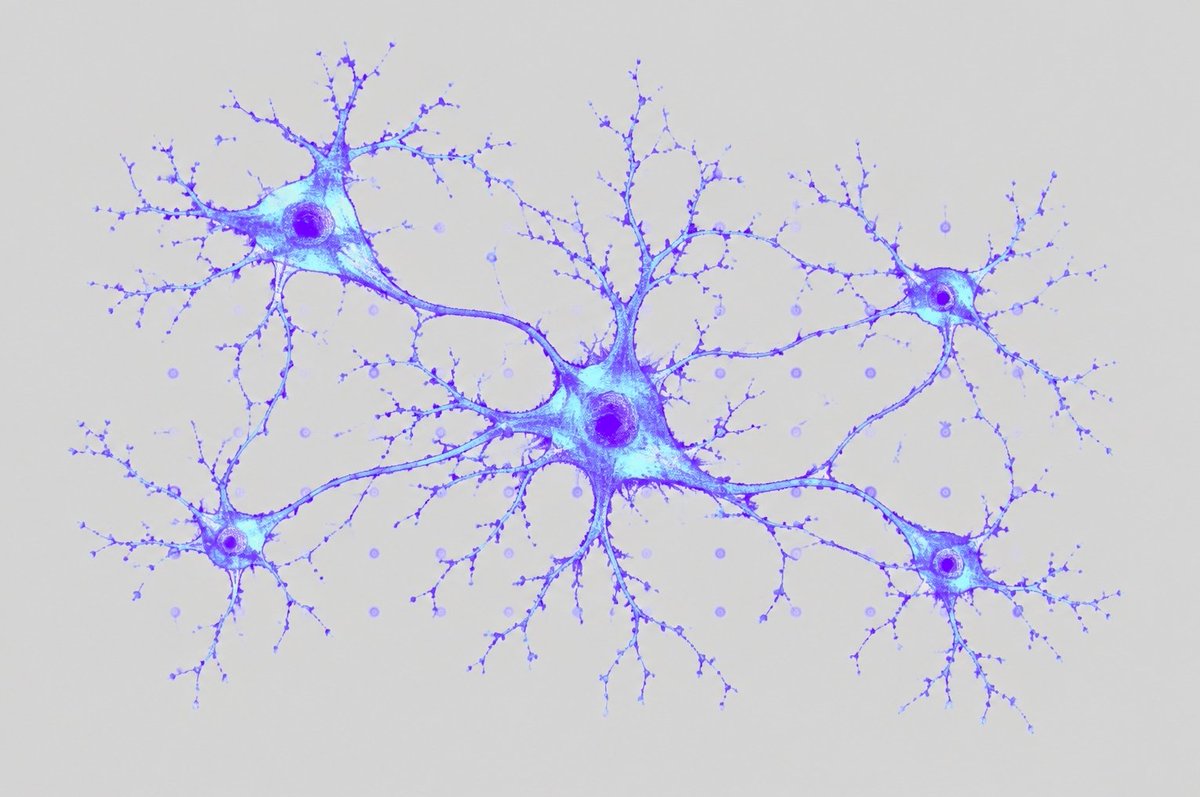
two complementary approaches will be pursued: testing whether learned responses survive cryopreservation in neural cultures and/or hippocampal slices, and whether the molecular changes associated with training are preserved
together, these approaches target one of the central questions for cryopreservation: can the information underlying memory survive?
What a fascinating chat with @emilkendziorra on the advances taking place with biostasis/cryopreservation and the quest to live forever.
Dude is a very fun listen.
Full episode here or wherever you get podcasts - https://t.co/YIe7j3IRdD
I will be booking my place in Tomorrow Bio's vault with our @brexHQ card because it's that powerful. #brexpartner
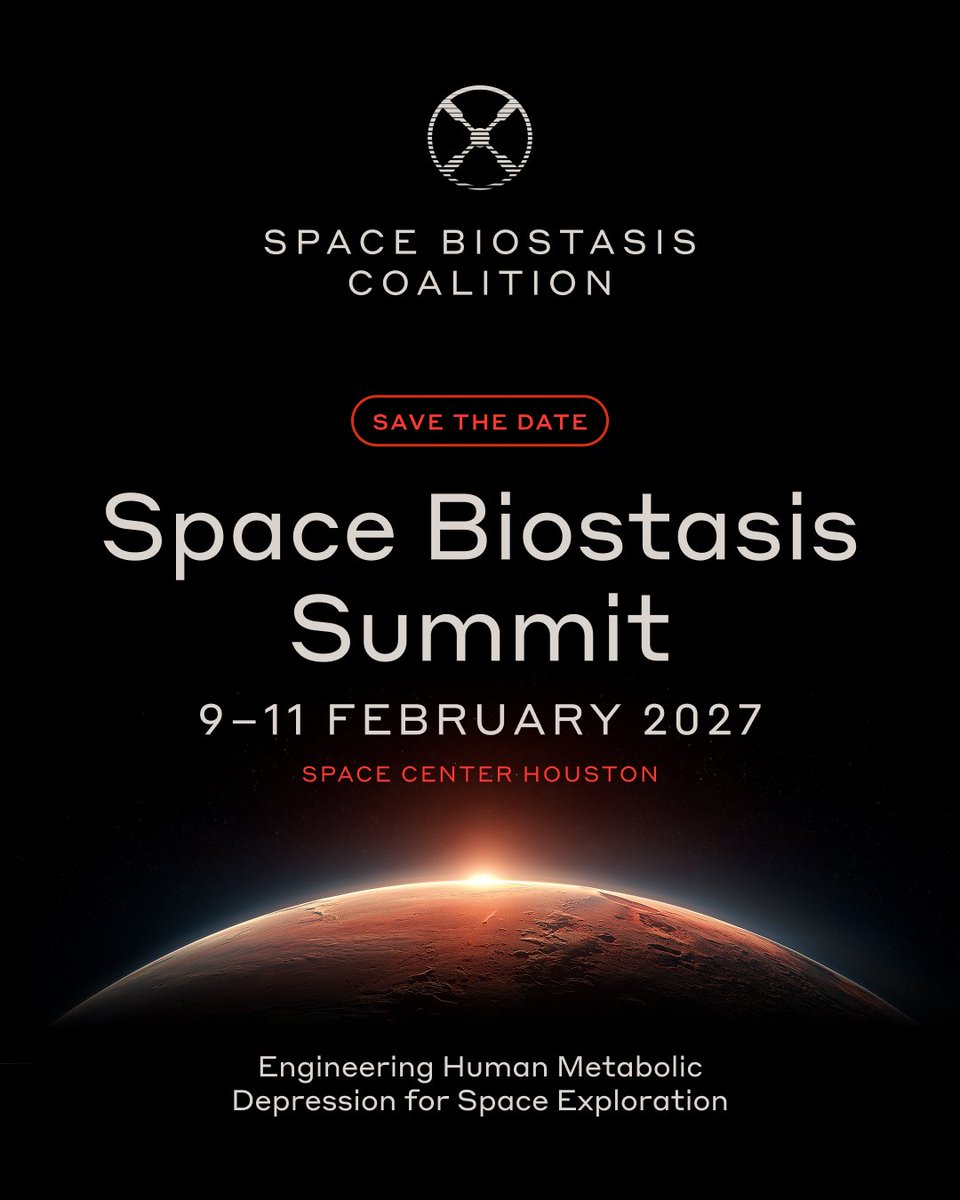
We're organizing the Space Biostasis Summit at Space Center Houston next year. Expect the top cryobiology and hibernation researchers presenting breakthroughs in metabolic depression (i.e. hypersleep) for space exploration, emergency medicine, and combat casualty care. NASA, ESA, DoW speakers will talk about national security implications, search and rescue, and Moon/Mars evacuation.
Let me know if you're interested in contributing to @spacebiostasis!
on february 9-11, 2027…
space meets biostasis @spacebiostasis
announcing the official date for the upcoming space biostasis summit, hosted at space center houston in texas
we’re bringing together the top space agencies, scientists, cryobiologists, funders, and astronauts to discuss:
- human metabolic depression for space exploration
- the latest breakthroughs and recent progress in cryobiology
- space search and rescue and medical evacuation
we will kick off the coalition that will develop the biostasis technologies required to make humanity multiplanetary
(and even share our latest groundbreaking research in whole-organism cryopreservation & revival)
not one you will want to miss 🥶
Cryopreservation is hard. Not least because perfusion under adverse conditions is difficult to do right. Ischemia is clearly the most common and most complex to handle.
We just published our thoughts here: "Overcoming Perfusion Impairment in the Ischemic Brain: A Review"
https://t.co/8W03ILlLoO
Thanks to all co-authors: Andrew T. McKenzie, Aschwin de Wolf, Alexander Grotemeyer, and Alexander German
Most of the problems in the Biostasis Roadmap are still open, two years after we published it.
I don't think that is a bad sign. A field that writes down its unsolved problems is in better shape than one that only publishes its wins. The roadmap was never meant to be a highlight reel. It was meant to be a to-do list.
Some items have moved. Others have not moved at all. There is still no standard metric for what "good enough" preservation even means, which makes almost every other question harder to answer.
We update every two years. The next version is in progress, out in a few months.
Roadmap here: https://t.co/Nb2Qg3xi9i
"Space is vast. Mars is months away. The nearest star system is thousands of years out. And the human body wasn’t built for any of it." - our full talk at @VitalistBay is in the next comment
The Berkeley Biostasis Classification is out.
For years the honest answer to "how close is biostasis?" has been wide range of positions that are difficult to compare. Fifteen of us met in Berkeley on May 18 to fix that.
The result is a 3x3 grid. Biological scope on one axis: CNS only (A), CNS plus peripheral nervous system and musculoskeletal system (B), whole organism (C). Scale on the other: small rodent, large mammal, human. Nine milestones, each a yes or no question with a defined experiment behind it.
The moonshot we argue the field should aim at is B1/C1: reversible cryopreservation of a small mammal with a behavioral test after rewarming. A rodent that can still solve a task settles the mammalian biostasis question in the affirmative. Every component technology exists in some form.
It is a proposal that will take a lot of time to fill with results. But it will be worth it.
DOI: 10.5281/zenodo.21514009 (https://t.co/2ne32iGXY2)
Special thanks to Alex German for pushing this forward!
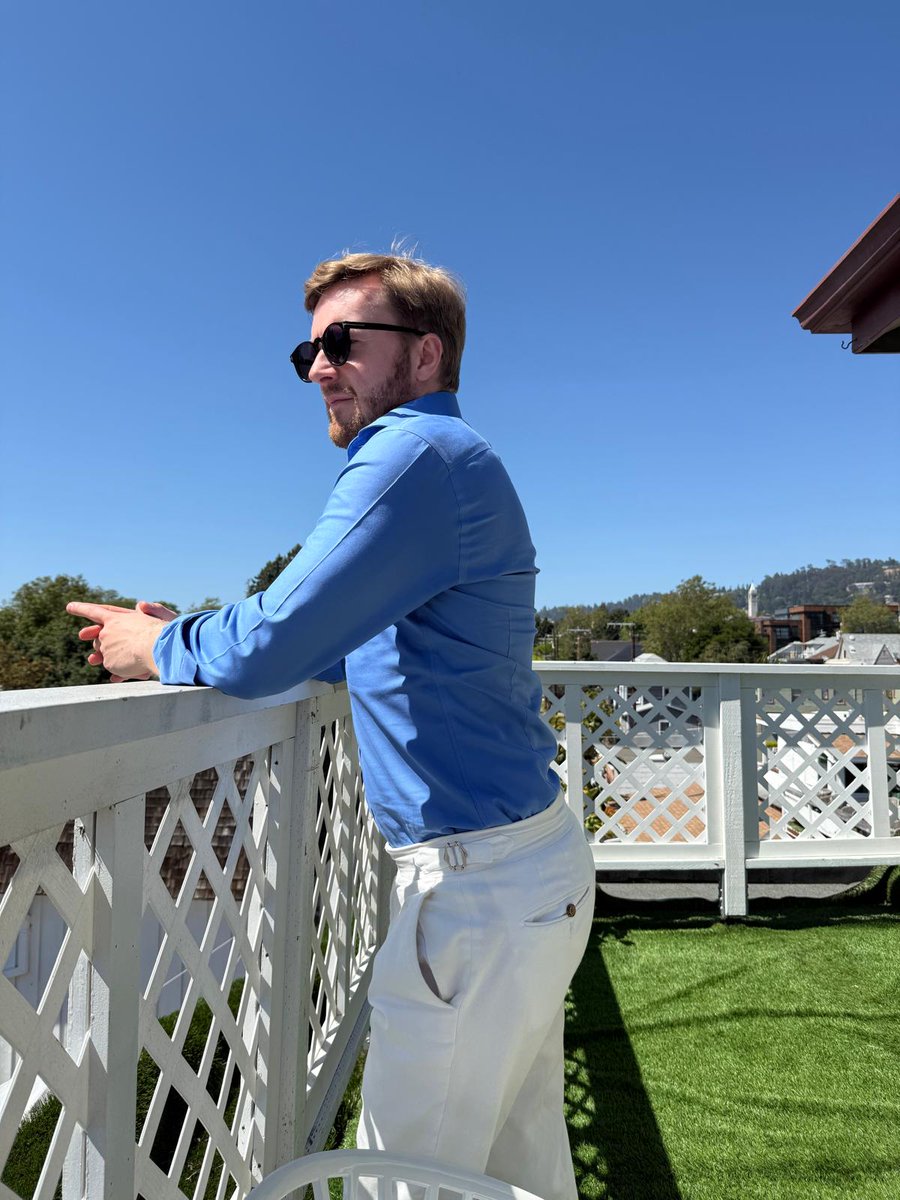
Picture half-related, me in Berkeley at the location of the declaration :)
"While reversible cryopreservation of organs has many beneficial applications, we here provide a classification for measuring progress toward biostasis of human persons, by scaling existing techniques to relevant biological systems of increasing scale."
https://t.co/3zS27074rT
in 2024 we set out with $1,000,000 and a dream to bring a non-hibernating mammal back from the frozen abyss for the first time in history
the most important experiments are happening as we speak
the rat will rise 🧊🐀
Proud to have been able to support this incredibly important work through @cryodao. Kudos to ASRI and KUMC, and the indomitable Dr. Christenson. More research awaits.
Death should be optional. If you want to do something about it, check out my new book Radical Life Extension: Technological Strategies to Defeat Aging. ❄️🫀🧬
You can make organs more resistant to various stresses ex vivo. In the future, we'll have replacement part banks with thousands of organs, and for those who can afford it, their own grown younger organs (no rejection risk).
We built @cryodao and @daohydra to address the key bottlenecks on this path: accelerate cryopreservation and replacement technologies.
And soon, we'll be able to engineer humans for cryosleep, enabling deep space missions.