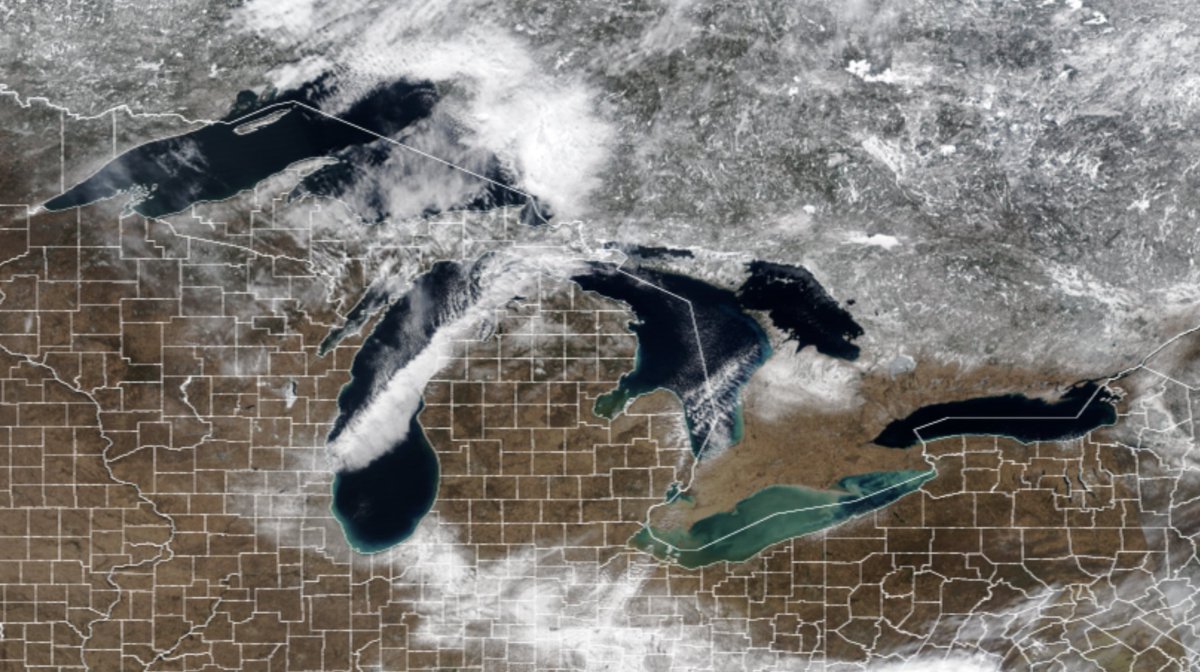
The Great Lakes had almost no ice this winter! Compare satellite images from late February this year and early March in 2014. Read more at https://t.co/5sl7p0mqTS.
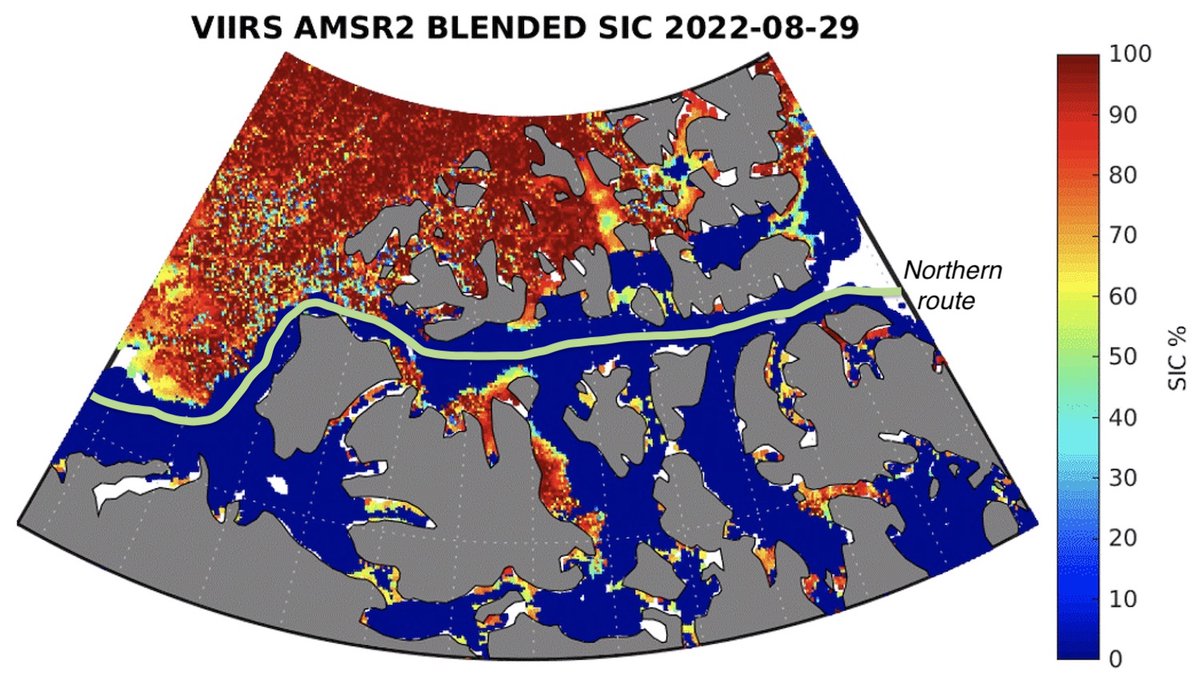
On 29 August 2022, satellite data revealed the opening of the northern route of the Northwest Passage (NWP). Sea ice area in the northern NWP route was well below average but above the 2011 record low. Read more at https://t.co/Fx8zTF4wFR.
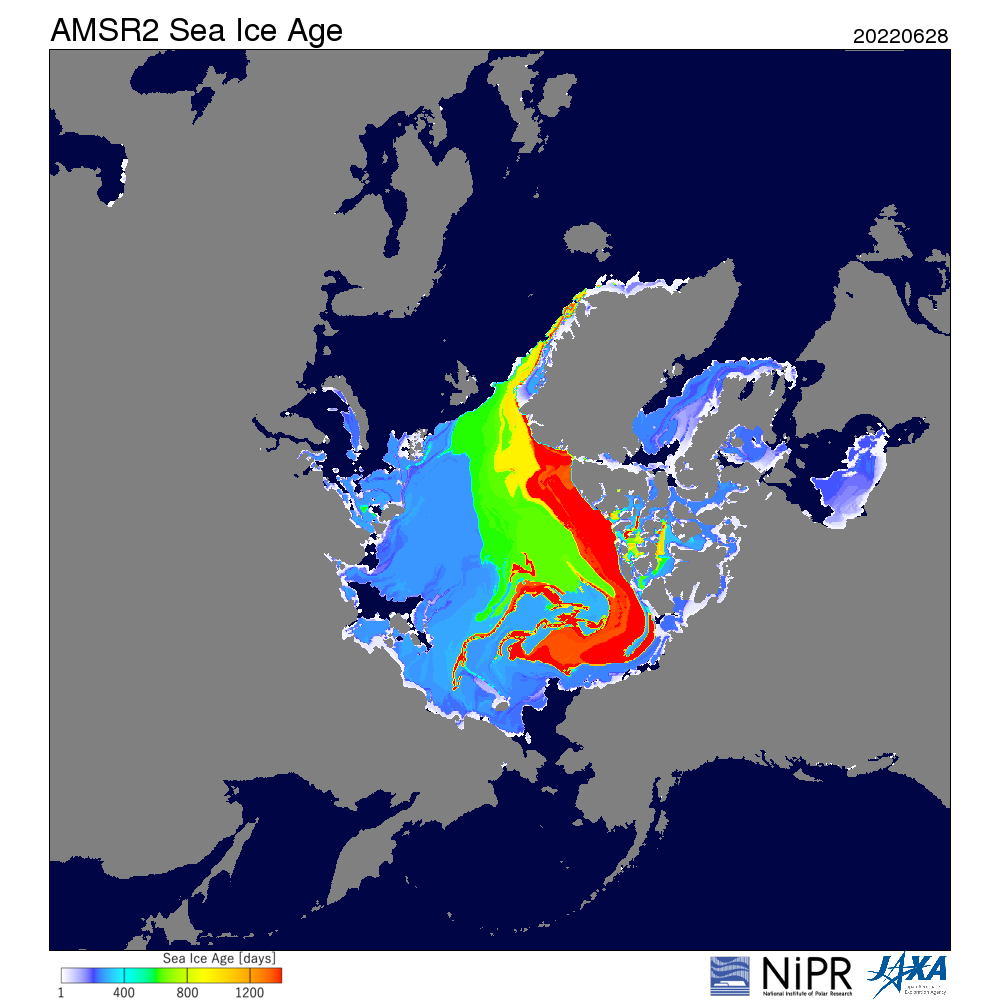
Sea ice age from Japan's National Institute of Polar Research (NIPR) and JAXA is now available on the Cryosphere Now section of the GCW website (https://t.co/dByL3B9lO3), for both the Arctic and Antarctic.
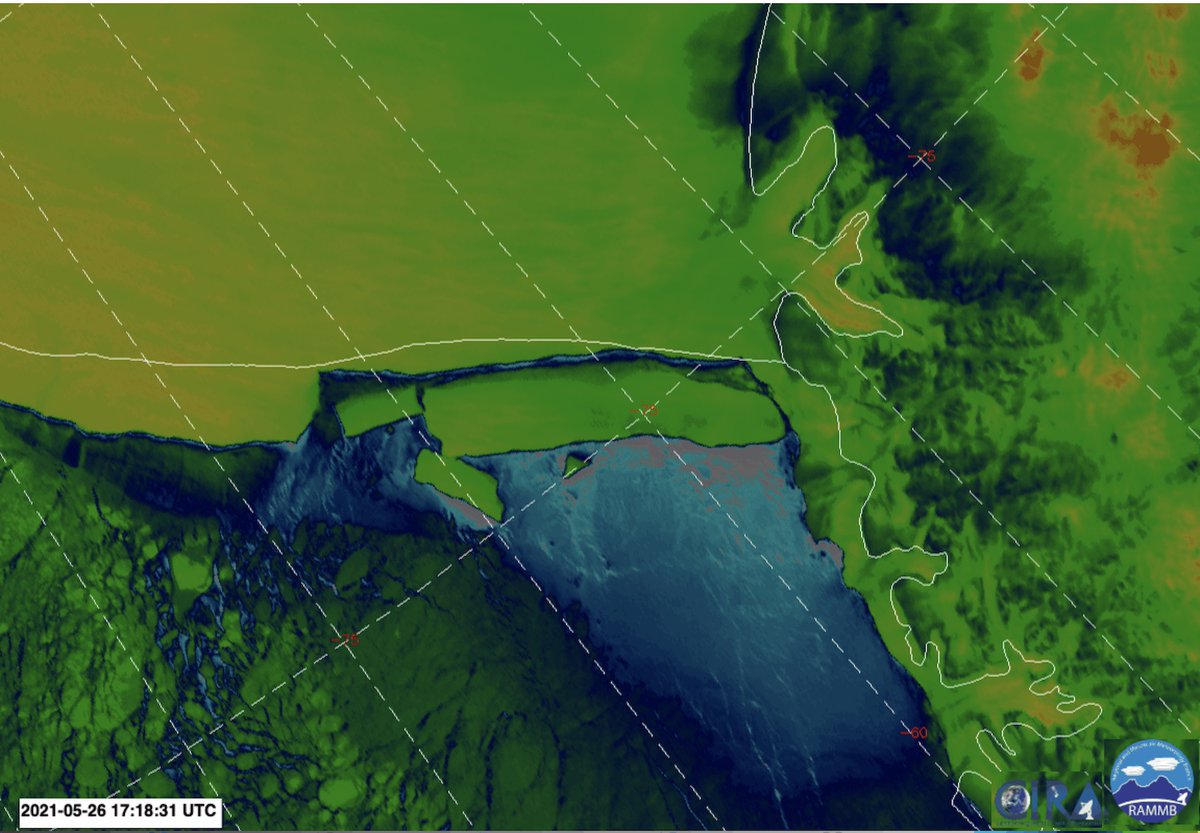
In early May 2021, the Ronne Ice Shelf in West Antarctica produced one of the largest icebergs to break off from Antarctica in the recent past, and currently the largest in the world. See satellite images and read more at https://t.co/h6RZ85n3ht.
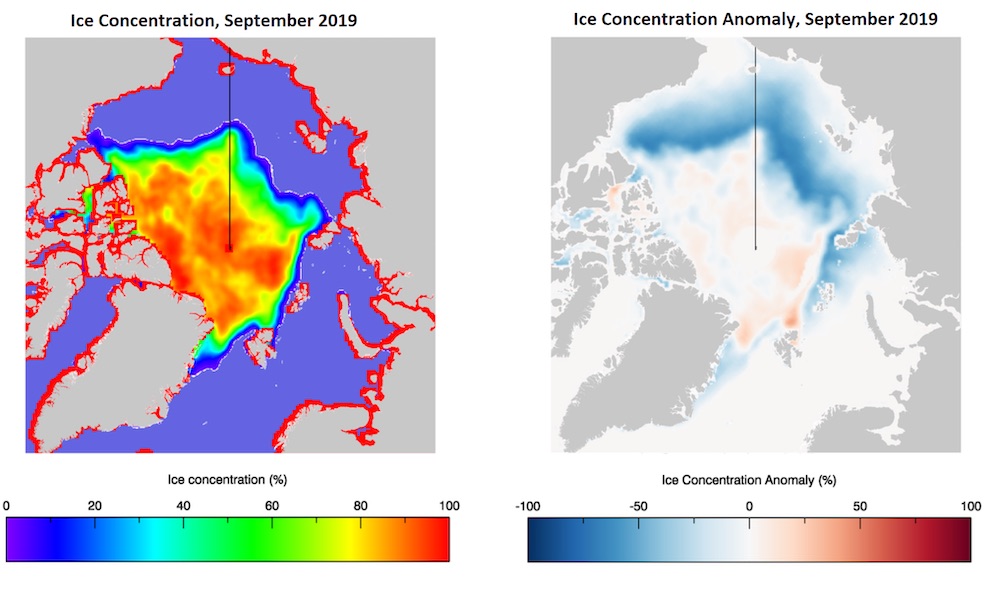
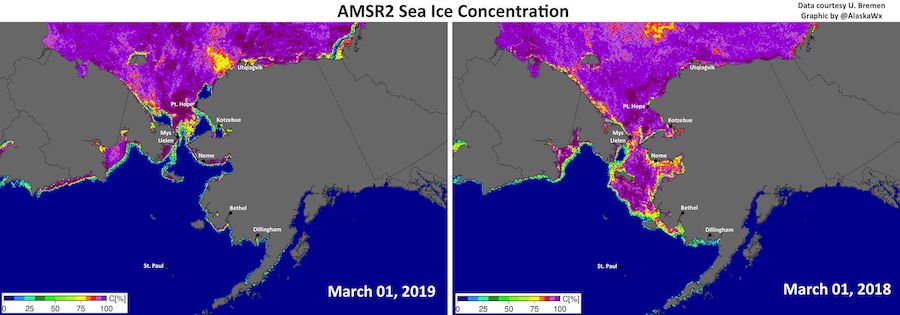
Dramatically low Bering Strait sea ice in March of last year and a ring of open water around the Arctic sea ice in September. Read the 2019 Sea Ice Assessment at https://t.co/UpasRmMD2X.
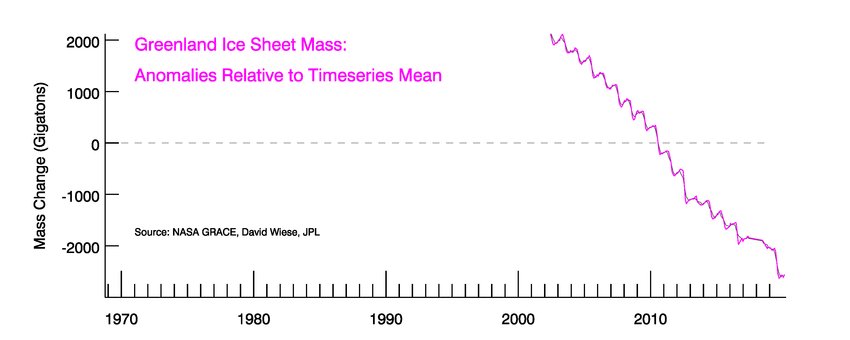
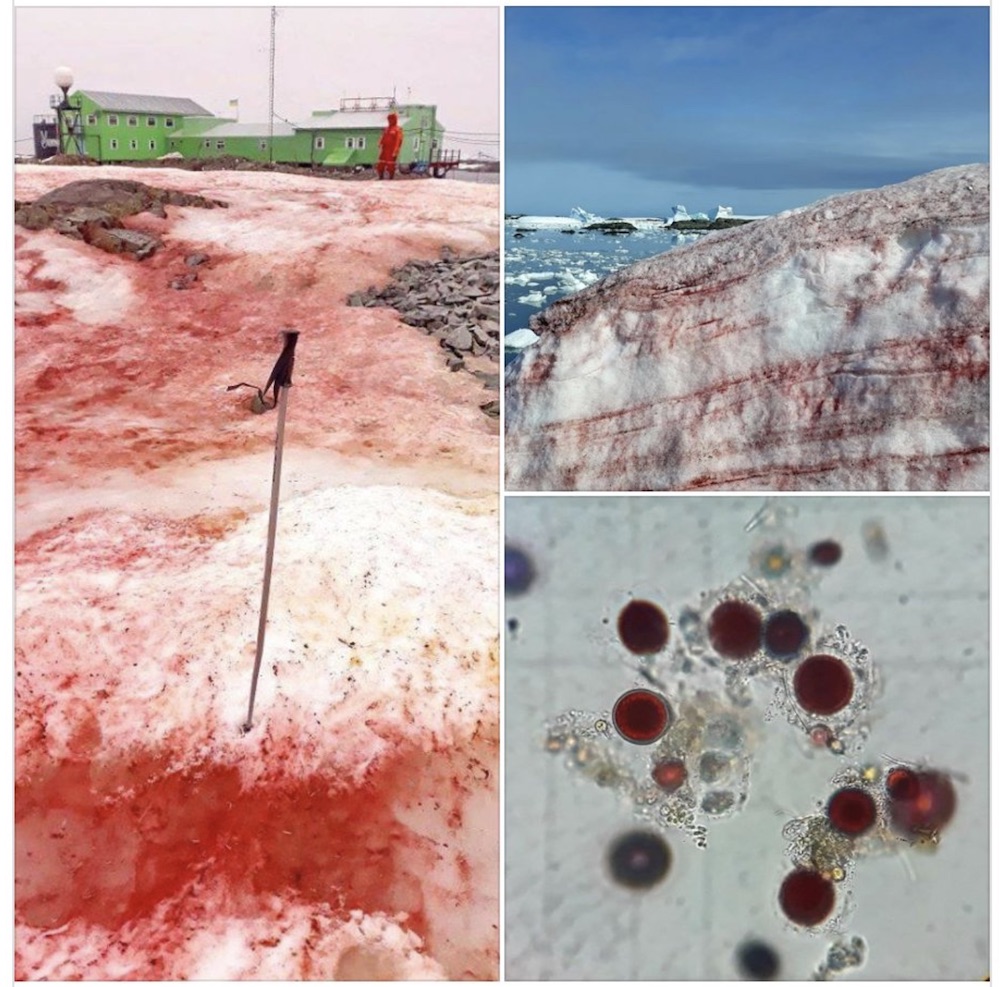
In 2019, Antarctic temperatures continued the increasing trend while the mass of the Greenland and Antarctic ice sheets declined. Changes in snow, sea ice, glaciers, and permafrost were less noteworthy. Read more at https://t.co/GW6hsPba59.
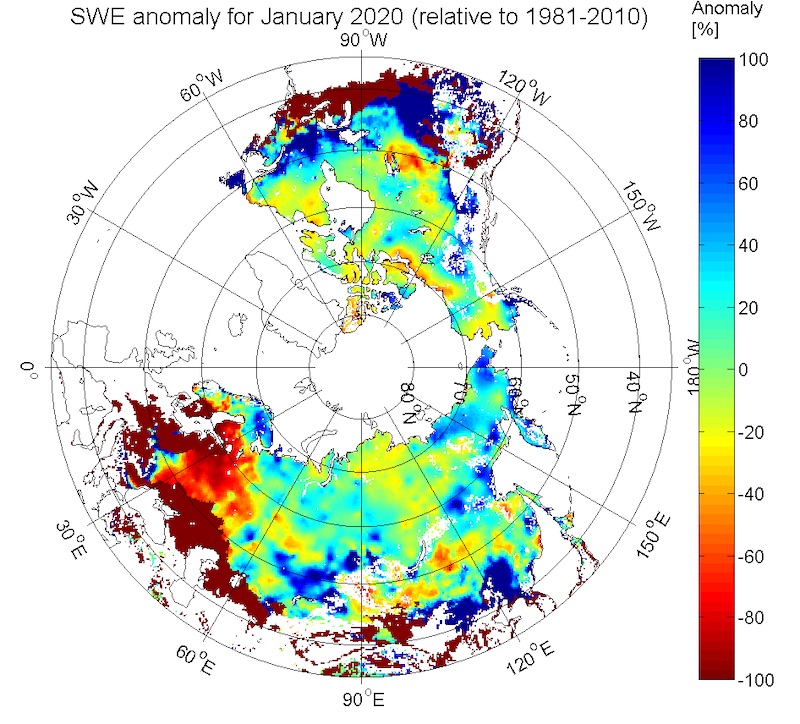
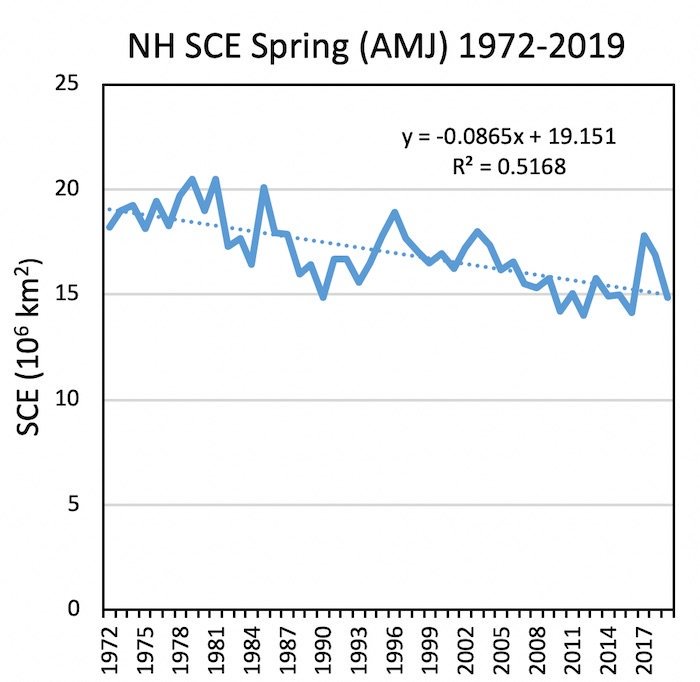
Northern Hemisphere (NH) snow cover extent for 2018-2019 was close to normal but the peak snow water equivalent (SWE) was substantially above average. NH springtime (April, May, June) snow cover extent has decreased significantly over the period 1972-2019. https://t.co/vteVMiBejQ
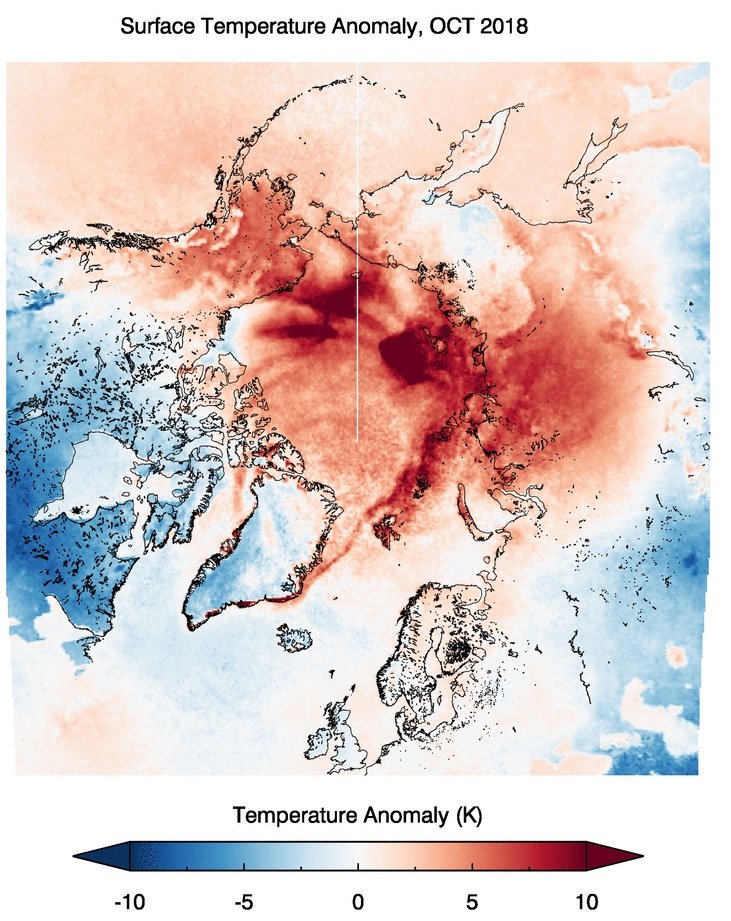
Last October, Arctic Ocean surface temperatures were more than 10°C above normal. The Arctic experienced its third lowest October sea ice area. https://t.co/3FzAAHuoGB
The narrative remains the same for worldwide glacial mass balance: large decreases in mass throughout the 2016/2017 season and continuing into the 2017/2018 season. https://t.co/WklLYYFjzc
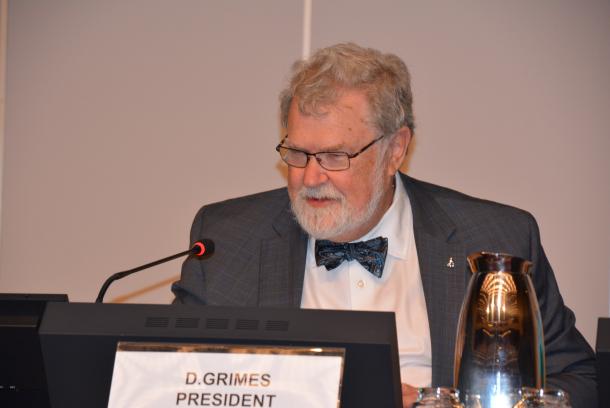
At the 18th World Meteorological Congress in Geneva, David Grimes of Canada ended his second and final term as the World Meteorological Organization’s President. He has been a strong supporter of GCW since its inception.
The 18th World Meteorological Congress agreed that the development of GCW will continue over the next financial period (2020-2023) with its preoperational phase. While this resolution was expected, it is nonetheless a positive step forward for GCW!
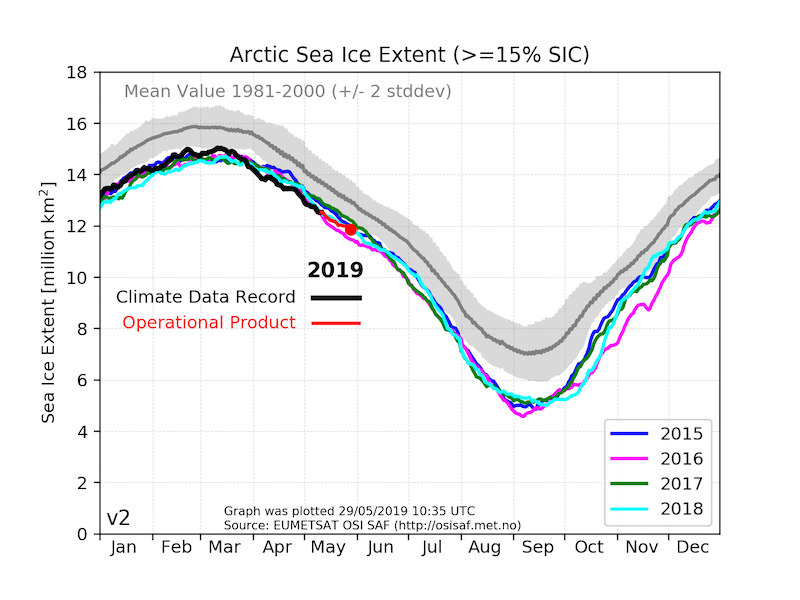
New sea ice extent trackers from the EUMETSAT OSI SAF have been added to the Cryosphere Now. They provide a nice complement to the trackers from JAXA-NiPR and NSIDC. Thank you Thomas Lavergne (Metno)!
The success of Snow Watch"s snow reporting activity was highlighted in the latest WIGOS Newsletter. As a result of GCW's efforts, the number of SYNOP stations reporting snow depth has increased dramatically over the last five years. https://t.co/jhOAN4hmvr
New snow extent trackers for the Northern Hemisphere, South America, and Australia/New Zealand have been added to the Cryosphere Now section of the GCW website.