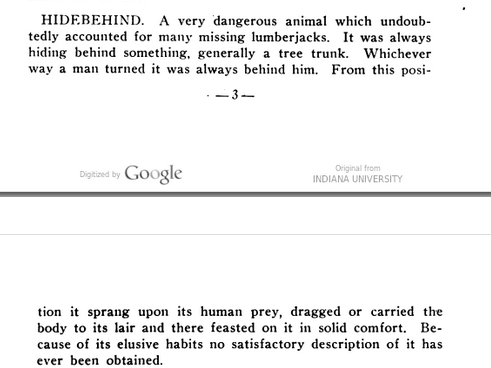
@Globsterologe@BestCryptids That report is from a letter by Patrick Bowen (the alleged witness) in the October 1925 issue (No. 330/Vol. 25, available online), titled "What Was It?". Interestingly, the artist's (not Bowen's) depiction seems to me to have been influenced by sphenacodontid reconstructions.
https://t.co/u95XLWhBa2
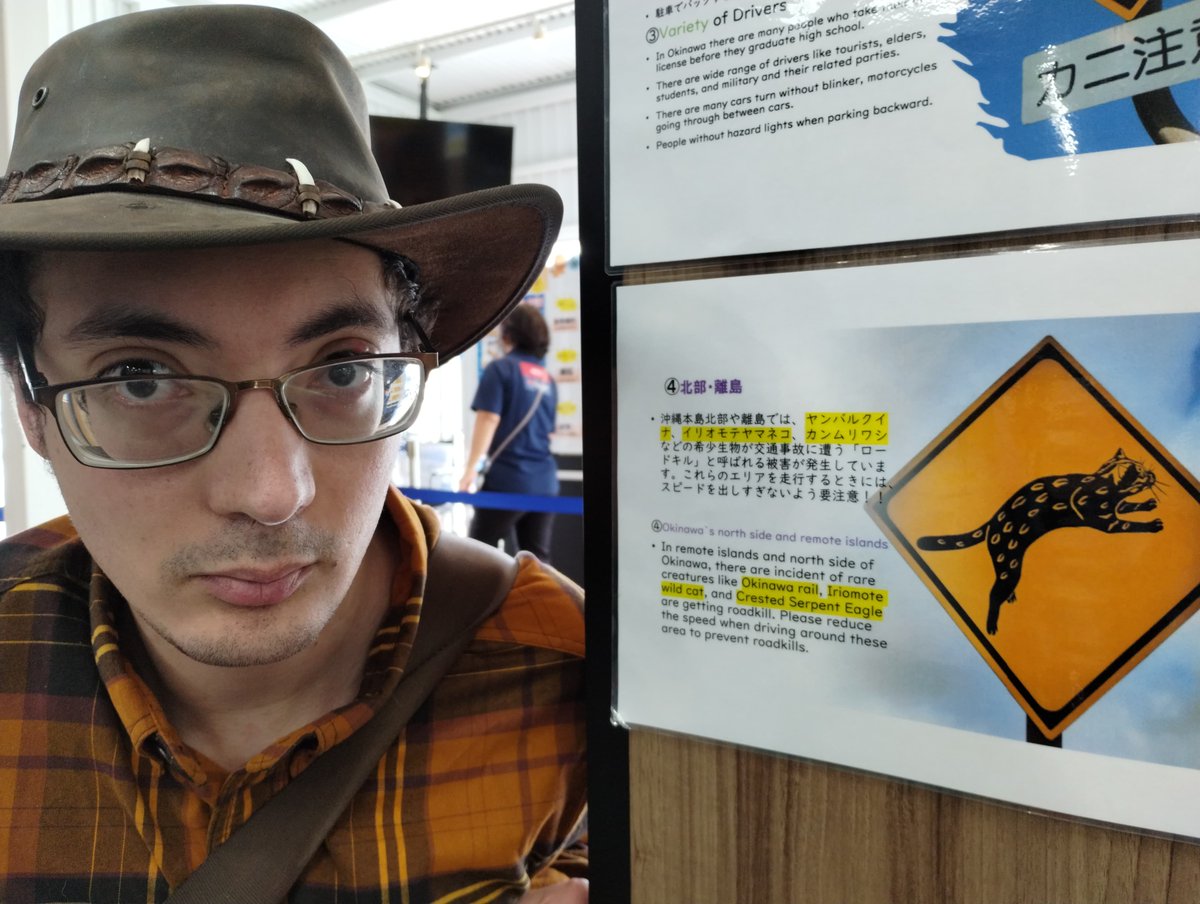
I've finally fulfilled my lifetime dream of visiting #Japan 🇯🇵! Check out my video on sightings of the Yamapikarya (ヤマピカリャー), a big cat like cryptid, as well as Okinawa's Mothman and giant land crabs!
Cryptid investigation in #Japan 🇯🇵 Search for the Yamapikarya (ヤマピカリャー) updates coming soon! Large big cat reported from Iriomote Island, Okinawa, Japan. Iriomote Island, the "Amazon of Japan," is 90% covered by untouched jungle. Home to the smaller, rare Iriomote wild cat
The Cape Hatteras Mermen were strange sea creatures allegedly caught near Cape Hatteras Light by the crew of the ship Abby H. Gheen and eaten by them according to a Pittsburg Dispatch article in June 1890. In a 1957 story, they were likened to merfolk. #outerbanks#cryptids
https://t.co/uqECuA1pKX
One of my favorite youtubers, Charlie @MoistCr1TiKaL , just made a video reacting to some obscure cryptid lore to determine which ones are likely real or fake . Be sure to check it out! His reactions are hilarious!
Pennsylvanians speak of a small, #bigfoot like creature called an Albatwitch. Their name is derived from "apple-snitch". Apples have been central to Pennsylvania’s agriculture since William Penn was credited with establishing PA's "orchard culture" in the 1680s.
In the 6th century BC, Hanno, an explorer from Carthage (Phoenician colony in Africa) possibly made the earliest known report about gorillas. His description served as the origin of the modern word “gorilla”, which was officially discovered in 1902 by explorer Robert von Beringe
An alleged photograph of the "Fiordland moose". Not native to New Zealand, moose were released there over a century ago for hunters. While reports of them gradually tapered off, occasional sightings have led people to believe that moose may have established a colony there
Entelodonts, nicknamed "hell pigs", had bulky bodies, short, strong legs, and disproportionately large heads. Despite their fearsome appearance and "killer teeth," they were likely omnivorous, using their powerful jaws to crush bones, roots and tough vegetation.
Shanzhuangzai (Chinese: 山撞仔, lit. "mountain crasher") is a reported cryptid from the Dabie Mountains in China, specifically along the borders of Hubei, Henan and Anhui provinces. Suggested to be a living entelodont, which are known to have persisted in China until the Miocene.