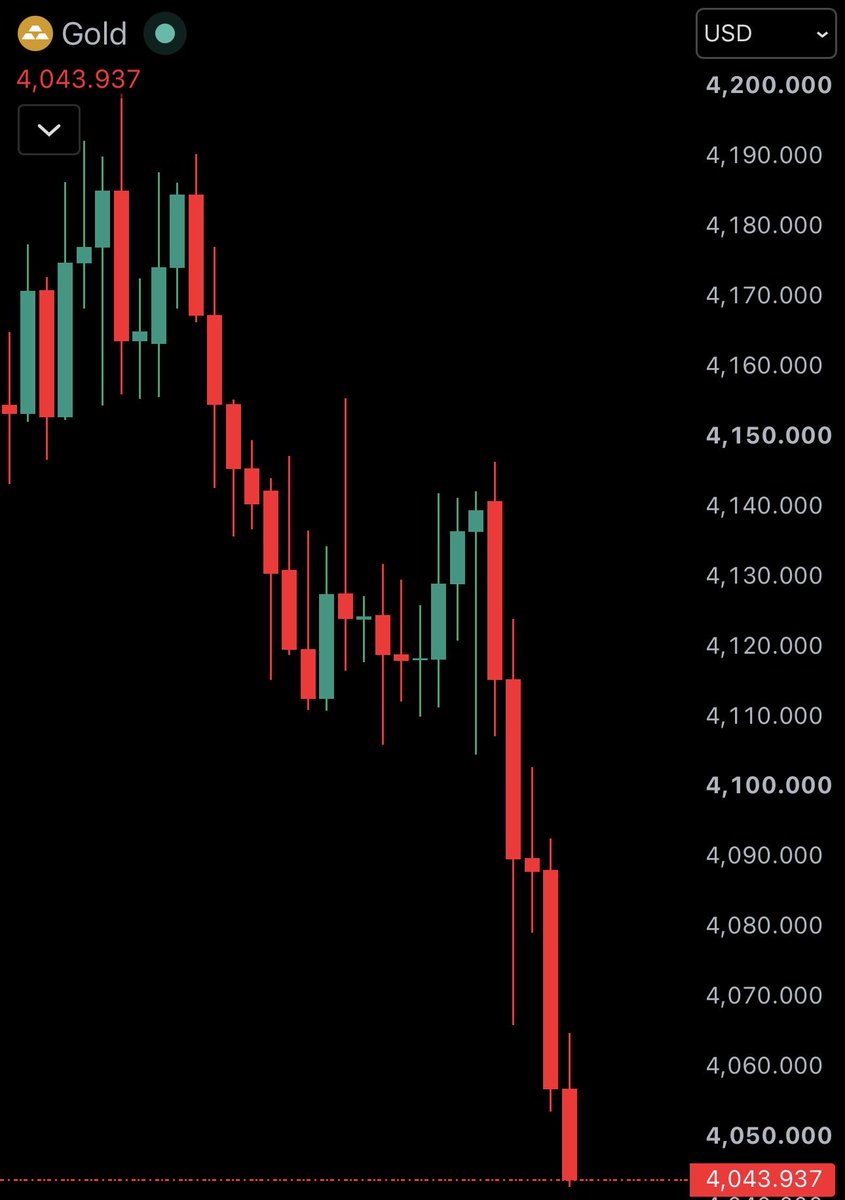
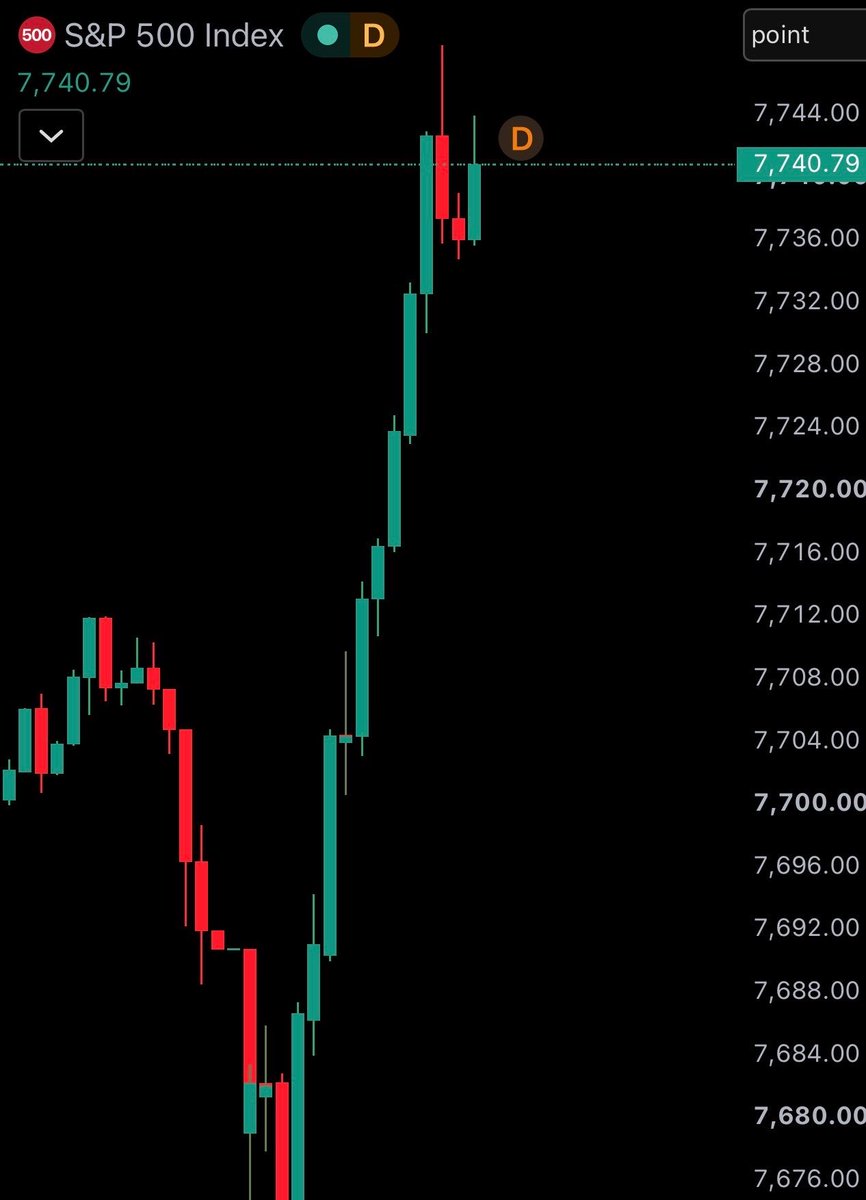
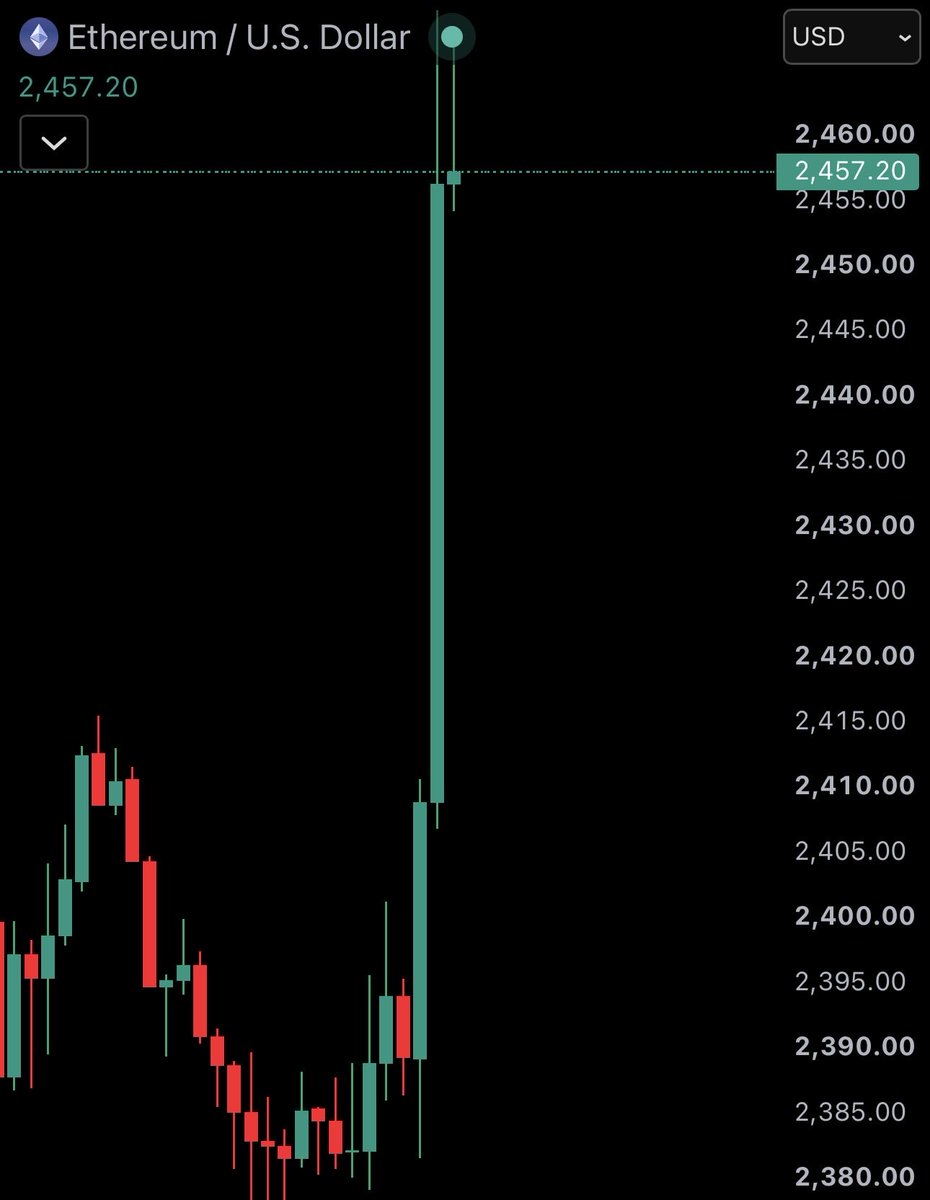
🚨 BULL MARKET IS OFFICIALLY HERE. 🚨
We're not going higher… we're going MUCH fucking higher. 🚀
Bears had their time. Now watch them cope. 🐻💀
$BTC
$ETH
$SOL
$BNB
LET THE FUCKING PUMP BEGIN. 🚀
The internet is going into a LOCKDOWN.
Hundreds of millions of websites are potentially at risk from cyberattacks.
Governments, banks and major platforms have already taken their websites OFFLINE.
Many are already calling it “Black October.”
At the centre of the shutdowns is something most of us have never heard of, but use every day.
PHP, the software behind roughly 7 in 10 websites, has two critical flaws that can let hackers break in without a password.
Dubbed PHP2Shell, both are rated 9.2 out of 10 for severity.
Details began circulating on Oct 20. Emergency fixes arrived the next day, but attackers were already moving.
Cloudflare’s CEO says hacking attempts then jumped from thousands to MILLIONS within hours.
Cybersecurity agencies across several countries are telling PHP site owners the same thing: Patch it now, or take it offline.
Websites have gone dark worldwide, from government portals and hospitals to banks.
CrowdStrike warns these attacks leave almost no trace, so some sites may not know if they’ve been hit.
Around 2.6 MILLION internet-facing servers run PHP, potentially hosting hundreds of sites each.
Over 1.1 million use older versions no longer receiving official PHP updates.
Older installations may need an upgrade to a supported PHP version or a fix from their software provider.
And patching does not remove a backdoor an attacker may already have planted.
Cloudflare also says hackers are now tweaking their attacks to try to slip past its protections.
But PHP isn’t the only security story unfolding.
-Japan’s Onamae suspended ALL Desktop Cloud plans after malware was found on customer servers.
-India’s eMudhra had 8 website-certificate keys so weak, one was literally the number “4”.
-State Bank of India confirmed 3,897 customer records on the dark web.
-Criminals used AI agents to break into 400+ Latin American banks.
-Capcom confirmed a breach exposing 11.7 million email addresses.
-GitLab disclosed a 10/10 severity flaw in versions going back to 2014.
-LiteLLM removed a malware-containing release. Railway reported possible exposure of customer secrets.
None of these has a confirmed link to PHP2Shell.
We’re seeing separate breaches unfold together.
The true number of incidents could take months to come out.
The world is still on alert. Attacks are still coming.
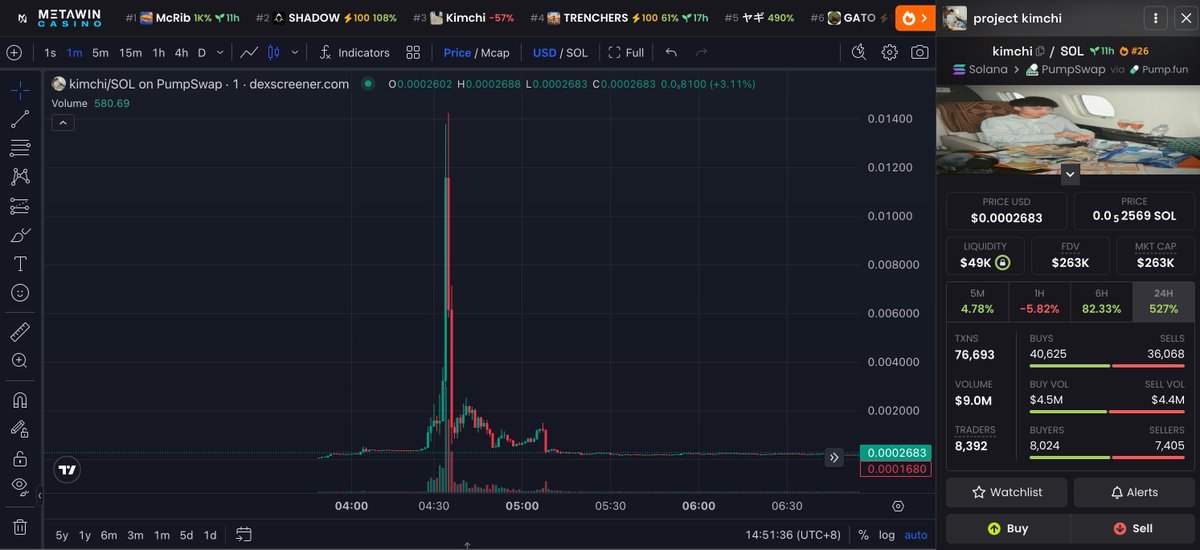
Today, kimchi (@kimchi1x) received 500M $kimchi and posted about the token, and @a1lon9 reposted it.
But @a1lon9 later undid his repost, and @kimchi1x deleted the post.
$kimchi quickly surged to a $14M market cap before crashing over 95%.
We found that the scammers used multiple wallets to buy $kimchi at low prices and later sold for over $385K in profit.
https://t.co/2PTMjcb2DR
https://t.co/f0pNJaKAbZ
https://t.co/Fu1UJ32uww
The 6,000 $BTC that Irish drug dealer #CliftonCollins reportedly lost the keys to are moving again!
A wallet belonging to #CliftonCollins deposited 500 $BTC ($41.52M) into #CoinbasePrime after more than 10 years of inactivity.
https://t.co/Ac3IROD13O
Strategy has repurchased $193M of $STRC and acquired 267 $BTC. As of 10/18/26, we hold 848,517 BTC and $5.3B of USD Assets. We have also increased the size of our Digital Credit Securities Repurchase Program from $2.0B to $3.0B. $MSTR https://t.co/ea29gd1OO5