One careless link can expose months of strategy, flows, and counterparties.
That is why privacy has to exist before the mistake, not after it. Protocols like SilentSwap matter because public trails are permanent.
Nothing kills momentum like bridging to a new chain, only to realize you can't transact because you lack $0.05 of their native gas token
We've normalized holding dust balances across 8 networks. Fee abstraction isn't a luxury feature anymore. It's mandatory for adoption!
the alphabet of crypto is not abc anymore.
A is for Avalanche, where speed became the pitch.
B is for BNB Smart Chain, where retail never left.
C is for Cosmos, because appchains deserved their own universe.
D is for Dogecoin, the real OG of memes
E is for Ethereum, the settlement layer that made smart contracts mainstream.
F is for Filecoin, because storage also needed a market.
G is for Gnosis, where infra quietly keeps shipping.
H is for Hedera, enterprise crypto’s favorite contrarian bet.
I is for Injective, where finance got its own chain.
J is for Jito, because Solana MEV became an economy.
K is for Kaspa, proof that PoW narratives are not dead.
L is for Litecoin, the old soldier still alive.
M is for Monero, because privacy is not a feature. it is survival.
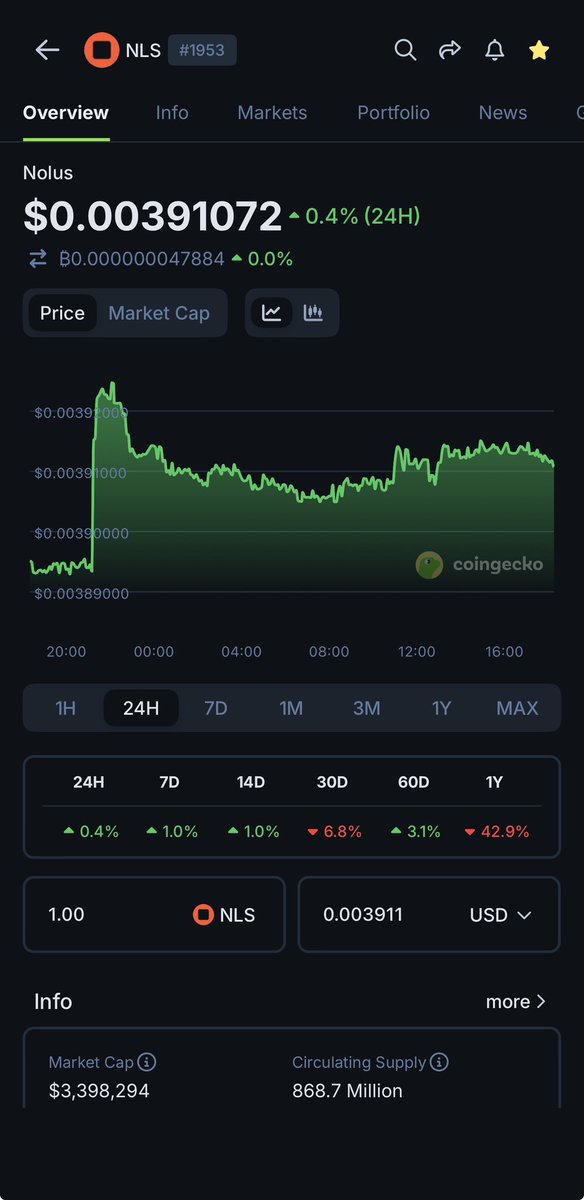
N is for Nolus, where leverage meets structured risk.
O is for Osmosis, the DeFi lab of Cosmos.
P is for Polygon, the scaling brand that refused to disappear.
Q is for Quant, because interoperability keeps coming back.
R is for Render, where crypto met decentralized compute.
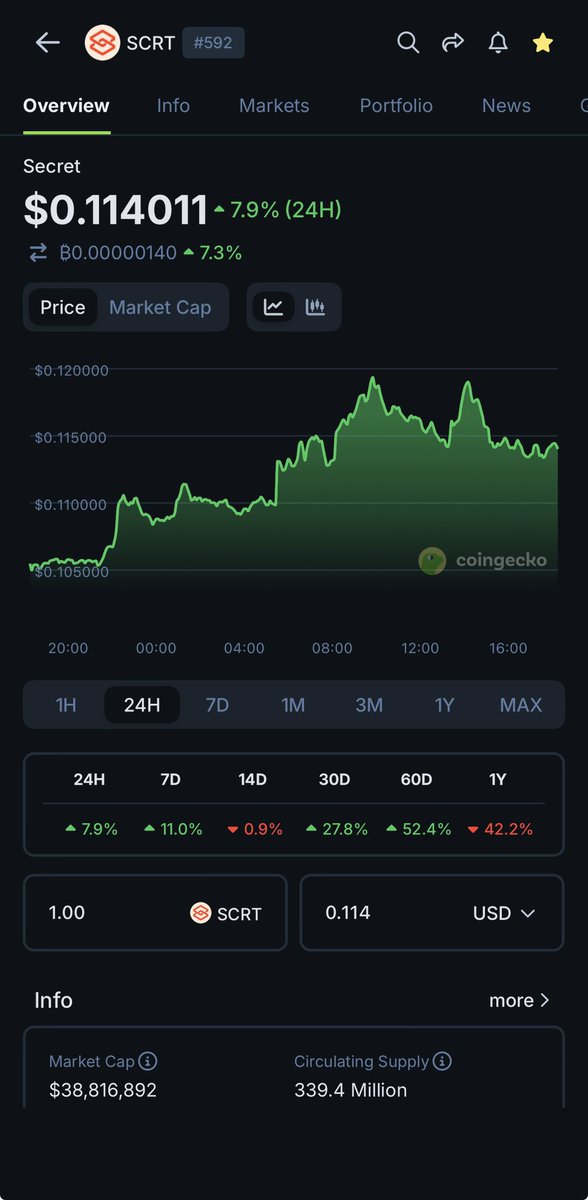
S is for Secret, because public-by-default was always broken.
T is for Tron, where stablecoin rails became impossible to ignore.
U is for Uniswap, the DEX that changed market structure forever.
V is for VeChain, still pushing blockchain into real-world supply chains.
W is for Wormhole, because chains need bridges, even if bridges need better security.
X is for XRP, the coin that survived every cycle narrative.
Y is for Yearn, DeFi’s old vault brain.
Z is for Zcash, because selective privacy still matters.
crypto has grown too big for one narrative.
payments. privacy. compute. DeFi. storage. bridges. appchains. oracles. stablecoins.
pick a letter.
there’s probably a war being fought there.
$AVAX $BNB $ATOM $DOGE $ETH $FIL $GNO $HBAR $INJ $KAS $LTC $XMR $NLS $OSMO $POL $QNT $RENDER $SCRT $TRX $UNI $VET $W $XRP $YFI $ZEC
real one.
people are finally seeing the product, but the part that sticks with me is the refusal to compromise on privacy just to get there faster. that matters. too many projects bend the second conviction gets expensive.
building non-custodial privacy infra through doubt, noise, and dead air is not normal. respect to the ones who kept showing up anyway.
Secret AI / SecretVM Weekly Highlight
Last time, we introduced EIP-8004 support on SecretVM and the trust surface for autonomous agents.
This week: secretvm-verify
Because private compute means very little if users cannot verify what is actually running.
🧵
listen to me ct mfers…
$ATOM below $1 billion is madly undervalued…
$SCRT below $300 million is crazily undervalued…
$NLS below $30 million is insanely undervalued.
but then there you go…
I said what I said 🏃♂️
Correct.
On-chain finance cannot scale to support businesses, payroll, treasury, or serious users if every transaction becomes publicly available.
Privacy is the infrastructure for real adoption.
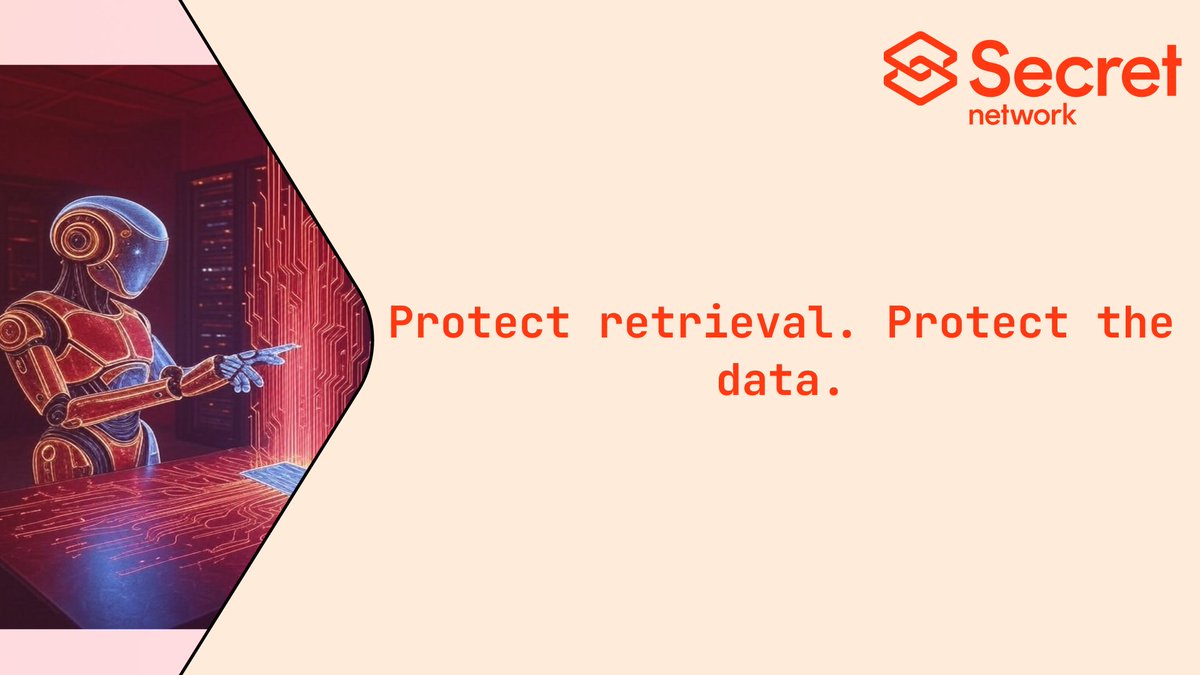
Retrieval-Augmented Generation systems create a new privacy surface.
If retrieval outputs are exposed, sensitive data can leak far beyond the intended user. Private AI has to protect retrieval, not just generation.
this is how data economies should work.
users earn from their data without exposing it, and businesses get signals they can actually trust.
SecretVM sitting underneath QSTN as the verification layer means rewards, campaigns, and insights can be proven without turning users into products.
quietly one of the most practical uses of confidential compute so far.
$SCRT
The market is finally saying out loud what privacy builders have known for years: efficient rails without confidentiality do not scale.
Serious capital needs privacy.
Applications should not force users into full public exposure just to access programmable finance.
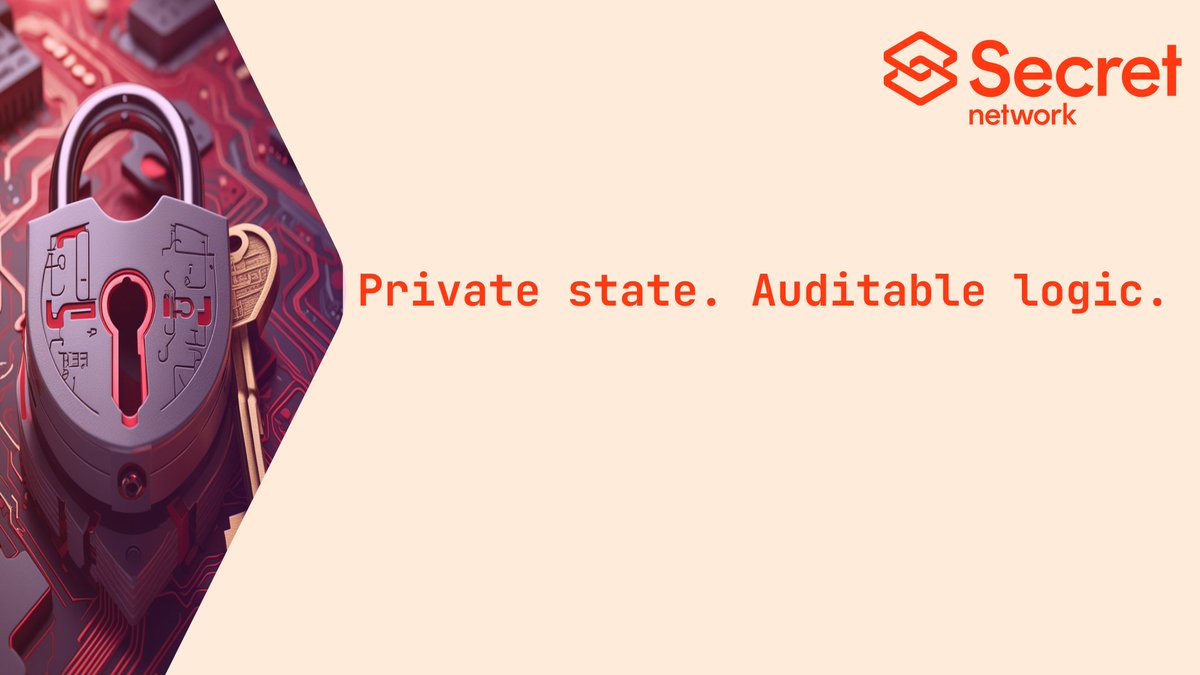
Secret Contracts make it possible to keep state private while preserving auditable logic, giving builders a stronger foundation for secure, usable products.