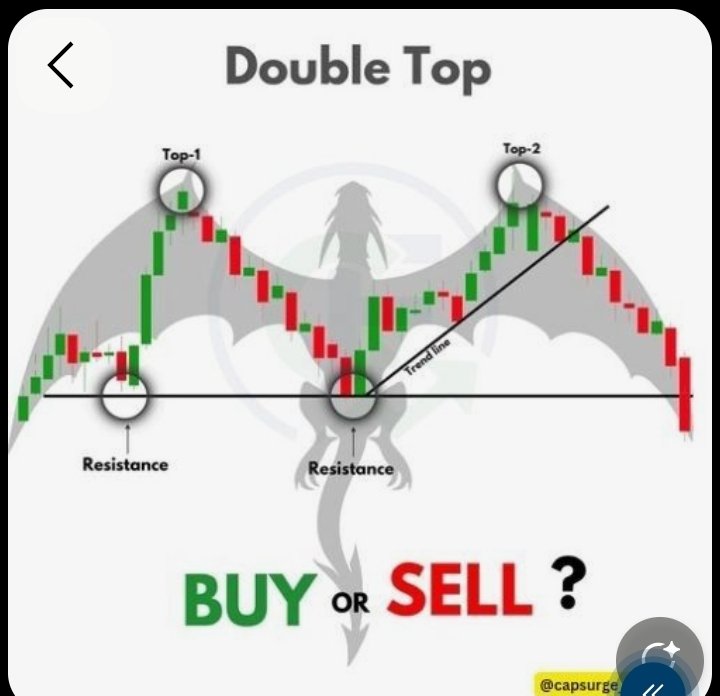
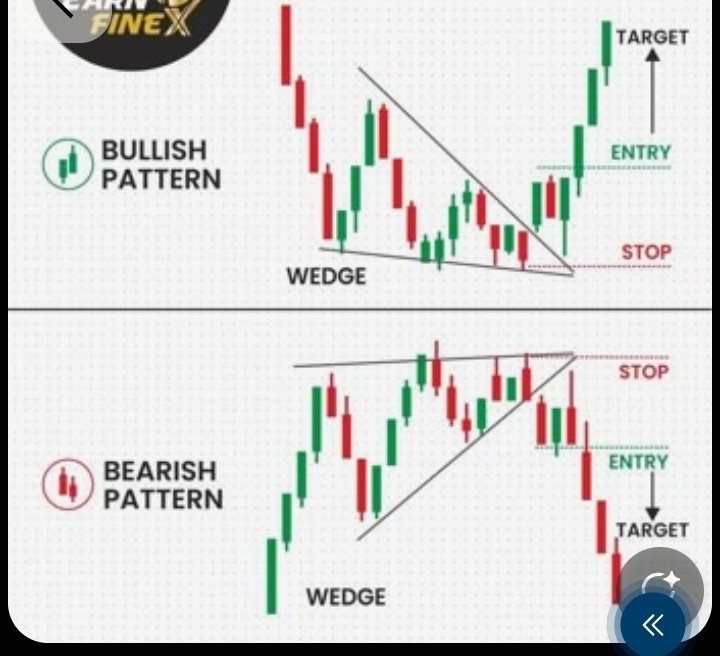
Habits of professional traders
Risk only 1–2% per trade
Use stop losses
Wait for high-probability setups
Keep a trading journal
Focus on consistency, not excitement
HTF–LTF LIQUIDITY ALIGNMENT FOR PRECISION ENTRIES
✔ Identify the HTF reclaimed OB to define directional bias
✔ Wait for LTF structure to form a clear high before prioritizing breakout
✔ Track MSS + FVG to locate the true displacement zone
✔ Use BPR + minor SSL to refine your entry trigger
✔ Place stop loss at the neutralized low aligned with the FVG
STOP LOSING TRADES, LEARN HOW SMART MONEY BUILDS A DAILY CANDLE BEFORE THE BIG MOVE!.
✅ Start with the Daily (1D) candle to identify the market's overall direction.
✅ Mark the Day Open, it acts as a key reference level for intraday trading.
✅ On the 15-minute timeframe, watch for Accumulation where price moves sideways.
✅ Expect Manipulation, a fake breakout designed to trap buyers or sellers.
✅ Wait for a Market Structure Shift (MSS) to confirm the real direction.
✅ Look for FVG, Order Block (OB), or Breaker as high-probability entry zones.
✅ Trade in the direction of the confirmed move, not the fake breakout.
✅ Let the market complete its Distribution phase instead of chasing price.
✅ Patience and confirmation beat emotional entries every time.
Master the process, trust the setup, and let the market come to you.
MASTER THE AMD + LIQUIDITY + FVG COMBINATION TO STOP CHASING PRICE AND START TRADING WITH CONFIDENCE!
✔️ Accumulation builds the setup.
✔️ Manipulation sweeps liquidity and traps traders.
✔️ Distribution delivers the real move.
✔️ Wait for the Liquidity Sweep before entering.
✔️ Use the Fair Value Gap (FVG) as your high-probability entry zone.
✔️ Trade with confirmation, not emotions.
Follow the process. Protect your capital. Let the market come to you.
🚨INVERSE HEAD & SHOULDERS (BOTTOM REVERSAL PATTERN)👀👇
✅ Downtrend – Pattern forms after a clear downward move.
✅ 1st Shoulder – First low formed, followed by a bounce.
✅ Head – Lower low (the deepest point), then a rally back to the neckline.
✅ 2nd Shoulder – Second low near the first shoulder level (higher than the head).
✅ Neckline – Resistance level connecting the two peaks between shoulders/head.
✅ Entry – Enter long when price breaks above the neckline.
✅ Stop Loss – Place stop just below the 2nd shoulder (or head for wider safety).
✅ Target – Measure distance from head to neckline, then project it upward from the breakout point.
Key Rule: Wait for the neckline break with volume – that’s your confirmation! Then ride the reversal.