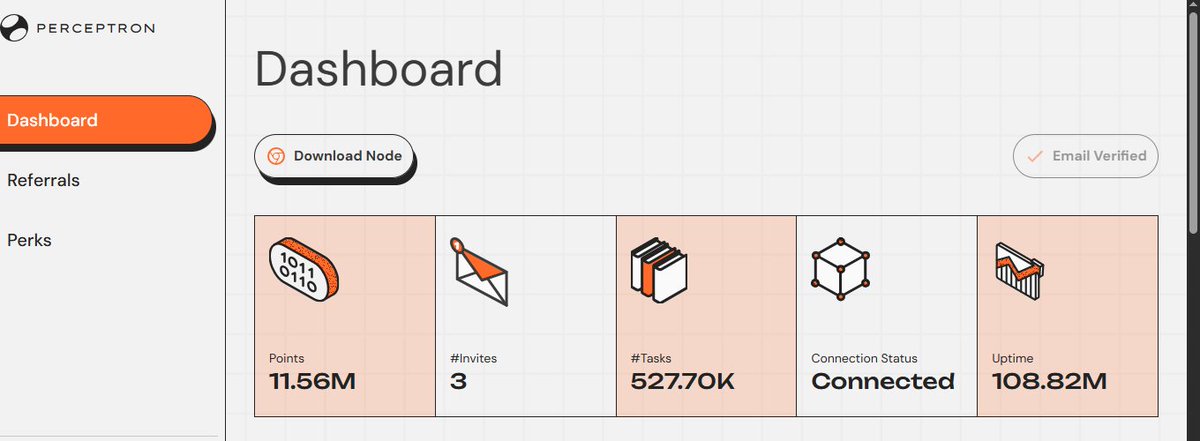
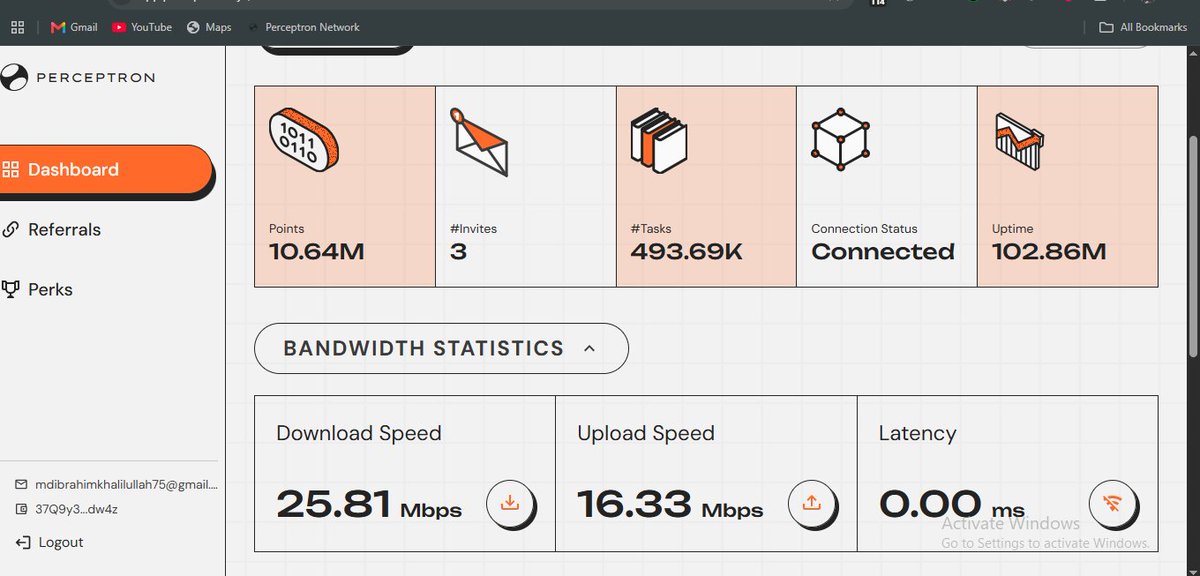
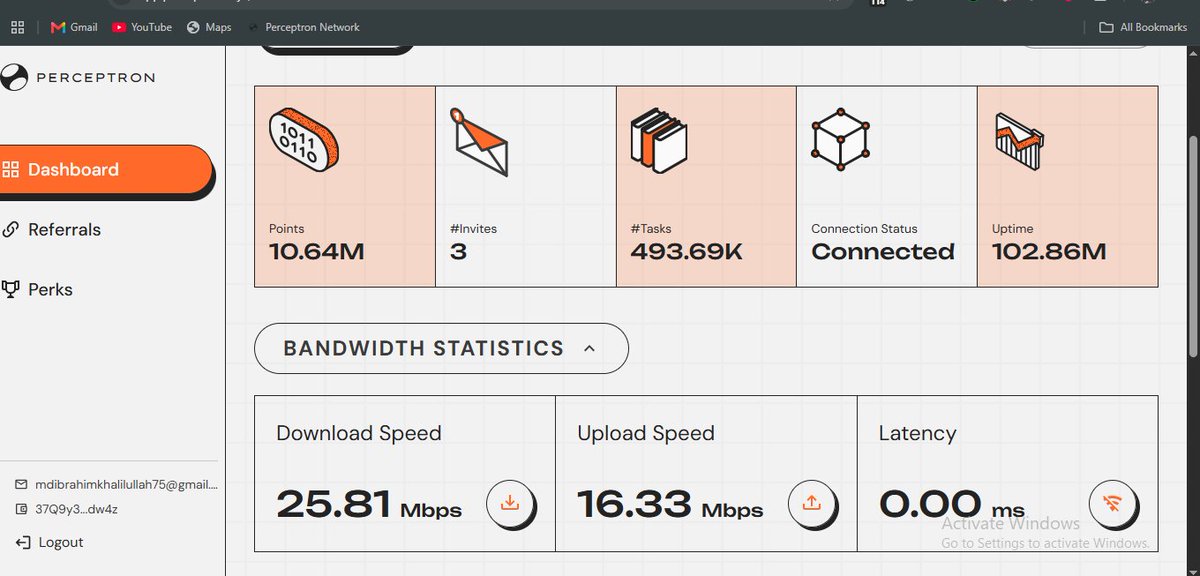
No passive waiting here just active building.🌐
Powering the #DePIN revolution one connected node at a time with Roam. The dashboard doesn't lie! 📈
Are you in the game yet? 🚀
Zelay Quest :
https://t.co/MUqbDkKWlD
Roam App :
https://t.co/yvq7JZQm8j
Exploring the Perceptron Node Dashboard and discovering new possibilities in decentralized infrastructure. The journey continues! ⚡
@PerceptronNTWK#NodeAndProud
If your AI product reads the live web, the page it gets depends on where the request comes from. We tested how much.
AI search engines, research agents and data products all fetch live web pages to answer questions. Most of them fetch from cloud servers. Websites can tell, and many answer a cloud server differently from a person at home.
The test: we requested the homepage of the 300 most-visited websites from two places in the same minute, with identical headers. One request came from a cloud server in Paris. The other came from a home broadband connection near Dublin.
What came back: 213 sites answered both. Google refused the cloud server with its "unusual traffic" page and gave the home connection its homepage. Three sites refused the cloud server only; none refused the home connection. Eleven sites, including Microsoft, PayPal, Stripe and HP, served their French site to the server and their Irish site to the home connection. Same URL, different page, and no error to tell you.
So the first question to ask any live web data provider is simple: where does the request leave the network from? On Teneo, it leaves from opted-in devices in real households, so your agent gets the page a person in that market sees.
Our new guide gives you six questions to ask before you sign, the full data, and a test you can run on your own pages:
https://t.co/9icbsjyarB
Building AI search, RAG or crypto data products? Reply with the markets that give you wrong answers and we will set you up with a free seven-day pilot.
It's time to bring your idea to life. Build your own workforce with an AI-powered Organisation.
@Vanarchain Foundry campaign is live now. @PerceptronNTWK has joined as an ecosystem launch partner to bring you special access.
🎁 7,000 free credits with code "Perceptron"
👉 https://t.co/P9ZiiSZpl7
Spending on AI agents is set to more than double next year, from $29.2B to $65.5B, per Gartner.
An agent acting on last month's data just makes last month's decisions faster.
Perceptron's network is capable of feeding agents live, ground-level data from the web as it moves.
Who gave your AI agent permission?
Teneo's weekly agentic round-up, 16 October: the agent news that matters for builders, checked at the source.
- Sierra published a draft of Personal Agent Protocol, built with Meta. A customer signs in on the business's own page and chooses whether their agent can view the account, make changes, or both. The grant can be revoked. Draft v0.1; design partners are not deployments.
- MetaMask's Agent Wallet is now live on Grok Bot. In Guard Mode the wallet holds a protocol allowlist and a 24-hour outflow limit, and anything outside them waits for two-factor approval. In May, a command hidden in a coding question got Grok to trigger a $204,000 transfer through another bot. Controls as described by MetaMask; not tested by us.
- Mysten Labs and Google Cloud announced Verifiable Agent Arbiter: the full agent record stays in the customer's cloud, proofs go on Walrus and Sui, including for x402 payments. Still in development.
The common point: permission stops being something the agent reads or claims. It becomes a grant held somewhere the agent cannot edit, checked when it acts, and provable afterwards.
Last week we asked whether you can undo what an agent did. This week is the step before: who allowed it.
On Teneo, every agent has a wallet-authenticated identity, starts private, and goes public only after review. Changing its commands sends it back to private. Users see the price before a task runs, and payment goes through x402.
The SDK does not document per-user scopes, spending caps or revocable grants. So keep your allowed agents, commands and spending limit in client config the model cannot change, and log which rule allowed each paid call.
A useful test this week: try a payment your agent should not be able to make. Check it is refused, and that the refusal is recorded.
Read this week's round-up here:
https://t.co/7ojwo7Mu0t