Fasting on the Day of ‘Arafah is an expiation for two years.
The Messenger of Allah (peace and blessings of Allah be upon him) was asked about fasting on the Day of ‘Arafah.
He said, “It expiates for the sins of the previous year and of the coming year.” Narrated by Muslim.
*The Prophet ﷺ said:*
*"Seek out Laylat al-Qadr on the _last night_ of Ramaḍān."*
Ṣaḥīḥ al-Jāmi' (1238).
Tonight is the last night.
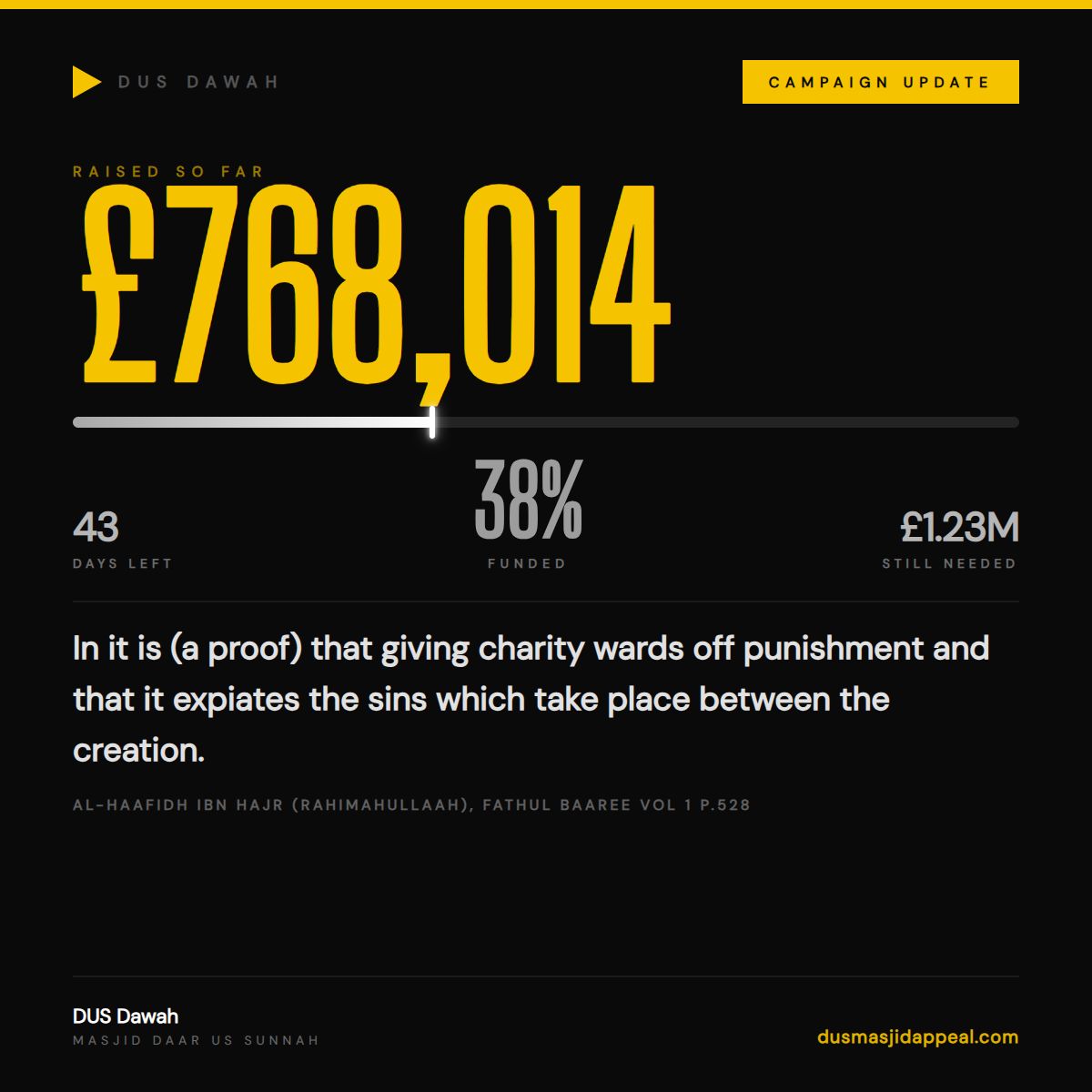
Ramadan is almost gone. This may be your last chance to catch Laylatul Qadr… your last chance to give in this blessed month.
Don’t let it pass without an act that continues to reward you long after you’re gone.
Give for the sake of Allah. Earn Sadaqah Jaariyah that echoes beyond your grave. 🕌🌙
💳 Bank Transfer:
Account Name: DUS London C.I.C.
Account Number: 17880947
Sort Code: 60-17-49
Ref: NEWMASJID
🌐 https://t.co/1TUxgviX5s
💙 https://t.co/KdizwGzdHp
❤️ https://t.co/qbdmUm49ik
💰 Cash & Gold: https://t.co/wlqsX5Fjfc
#DusMasjidAppeal #LaylatulQadr #29thNight #Ramadan
Imām Ibn Bāz said: “Zakāt al-Fitr can be given on the 28th of Ramadān, the 29th, the 30th, the night before ʿEid and the morning of ʿEid before the Prayer.” (Majmūʿ al-Fatāwā 14/29)
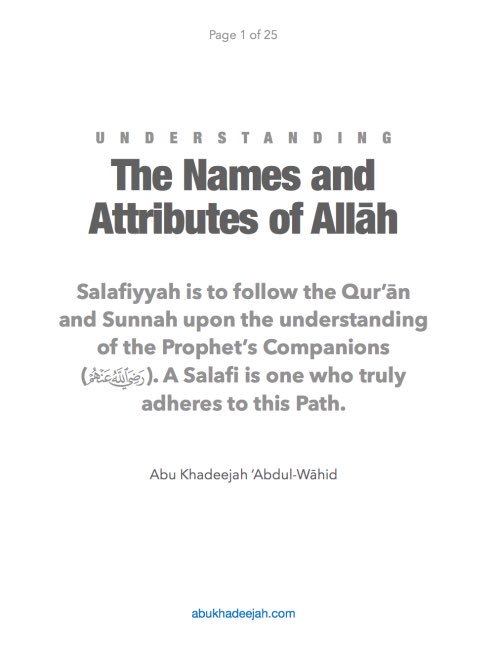
Here is a smartphone-friendly booklet explaining the belief of Ahlus-Sunnah concerning the Attributes of Allāh and a refutation of the Ash’arī Māturīdī #Deobandī doctrine. Where is Allāh? Where is the Throne? The Fingers of Allāh and His Hands.
https://t.co/JxHNOEdtek
“It is not permissible to pay Zakāt al-Fitr as money because the Sharīʿah proofs show that it is obligatory to pay it in the form of food.”
(Fatāwā al-Lajnah ad-Dā’imah 9/371)
Ibn ʿAbbās (radiyallāhu ʿanhumā) said: “Allah’s Messenger ﷺ obligated Zakāt Al-Fitr as a purification for the fasting person from loose talk, indecent speech, and to feed the poor.” (Sahīh Abī Dāwūd no. 1609)
Imām Ibn Bāz (rahimahullāh) said: “Rice is from the best of food as Sadaqat al-Fitr.”
Meaning, rice can and should be given as Zakāt al-Fitr, as well as other staple foods.
﷽
✨️ New PDF - Collection of 58 Du'ā's of Istighfār from the Qur'ān and the Prophetic Sunnah (89 page pdf)
-------------------‐-------------------------------
And Allāh will not punish them while you (Muḥammad ﷺ) are amongst them, nor will He punish them while they seek (Allāh’s) Forgiveness.” - [Sūratul-Anfāl: 33]
---------------------------------------------------
📕 PDF Link: Arabic - English Translation
https://t.co/fp7yV2L3ik
📤 Please share it with your family and friends. May Allāh reward everyone who reads, benefits and shares it. Aameen
Telegram: https://t.co/KoT41G4J3E
WhatsApp Channel: https://t.co/MURKUUJyZ3
⭐️[[Between Maghrib and ʿIshāʾ
An Underappreciated Time of Blessing]]
Many scholars mention the early Muslims' habit of praying between Maghrib and ʿIshāʾ, linking it to the description of the believers (Qur'an 32:16)—"Their sides forsake their beds, calling upon their Lord in fear and hope."
•Ḥudhayfah (رضي الله عنه) says he prayed Maghrib with the Prophet ﷺ, and the Prophet ﷺ continued praying until ʿIshāʾ, showing the virtue of reviving this interval with ṣalāh.¹
•al-Shawkānī concludes the reports about the topic establish the legitimacy of increasing prayer between Maghrib and ʿIshāʾ; even if many of the individual reports are weak, their combined weight supports the legitimately established practice, especially in faḍāʾil al-aʿmāl.²
•al-ʿIrāqī (as cited by al-Shawkānī) notes that many Ṣaḥābah and Tābiʿīn regularly prayed then—among them Ibn Masʿūd, Ibn ʿUmar, Salmān, and numerous later exemplars—followed by imams such as Sufyān al-Thawrī.²
•In the Ḥanbalī school, the night legally begins at Maghrib and continues until true dawn (al-fajr al-thānī); therefore, prayer after Maghrib (including between Maghrib and ʿIshāʾ) falls under “qiyām al-layl” in the broad juristic sense.³
Keep it flexible—pray whatever you can (no fixed number), aiming simply to fill the space with ṣalāh and goodness. This brief window between the two night prayers holds a missed opportunity for reward. It represents what the scholars call "easy gain"—a short period of worship that yields immense benefit.
For someone who cannot carry long night prayer or struggles to wake before Fajr, this window becomes a precious opportunity.
Ways to Fill This Time
•Voluntary prayer
•Qur'an recitation
•Dhikr and tasbīḥ
•Personal duʿāʾ
•Seeking knowledge
📚Sources:
¹ Muḥammad Nāṣir al-Dīn al-Albānī, Ṣaḥīḥ al-Targhīb wa-l-Tarhīb, 1:382 (Riyadh: Maktabat al-Maʿārif li-l-Nashr wa-l-Tawzīʿ, 1st ed., 1421/2000), from Ḥudhayfah رضي الله عنه.
² Muḥammad b. ʿAlī al-Shawkānī, Nayl al-Awṭār, citing al-ʿIrāqī on the cumulative strength of the reports and listing the Salaf known for this practice.
³ Manṣūr ibn Yūnus al-Buhūtī, Kashshāf al-Qināʿ ʿan Matn al-Iqnāʿ, vol. 1, p. 530; Muṣṭafā ibn Saʿd al-Ruḥaybānī, Maṭālib Ūlī al-Nuhā fī Sharḥ Ghāyat al-Muntahā, vol. 1, p. 567; ʿAbd al-Raḥmān ibn Ḍiyāʾ al-Dīn Ibn Ḍuwayyān, Manār al-Sabīl fī Sharḥ al-Dalīl, vol. 1, p. 113
Man was created weak, impatient, and prone to wrongdoing. Sin is inevitable, for no one is perfect. What truly matters is striving against the soul, resisting its pull, and continuing the journey toward goodness until the end.
Just as There is Ongoing Charity After Death, Likewise There is Ongoing Sins
Many people are heedless of the matter of ongoing (continuous) sins and the gravity of their danger. Just as there is ongoing charity after death, there are ongoing sins. This is because some sins, when their doer dies, end with his death, and their effects do not extend beyond the person who committed them.
However, among sins are those that do not cease with the death of their doer, but rather remain and continue to be recorded against him.
Social media has made the spread of ongoing sin far easier than ever before. A single share of a clip containing a song or a haram image can generate hundreds of thousands of views, and those viewers may pass it on to thousands of their own followers. Some may memorise the song, save the content, create their own edits, and share it again - resulting in an endless spiral in which the same sin is repeated and multiplied.
May Allah protect us.
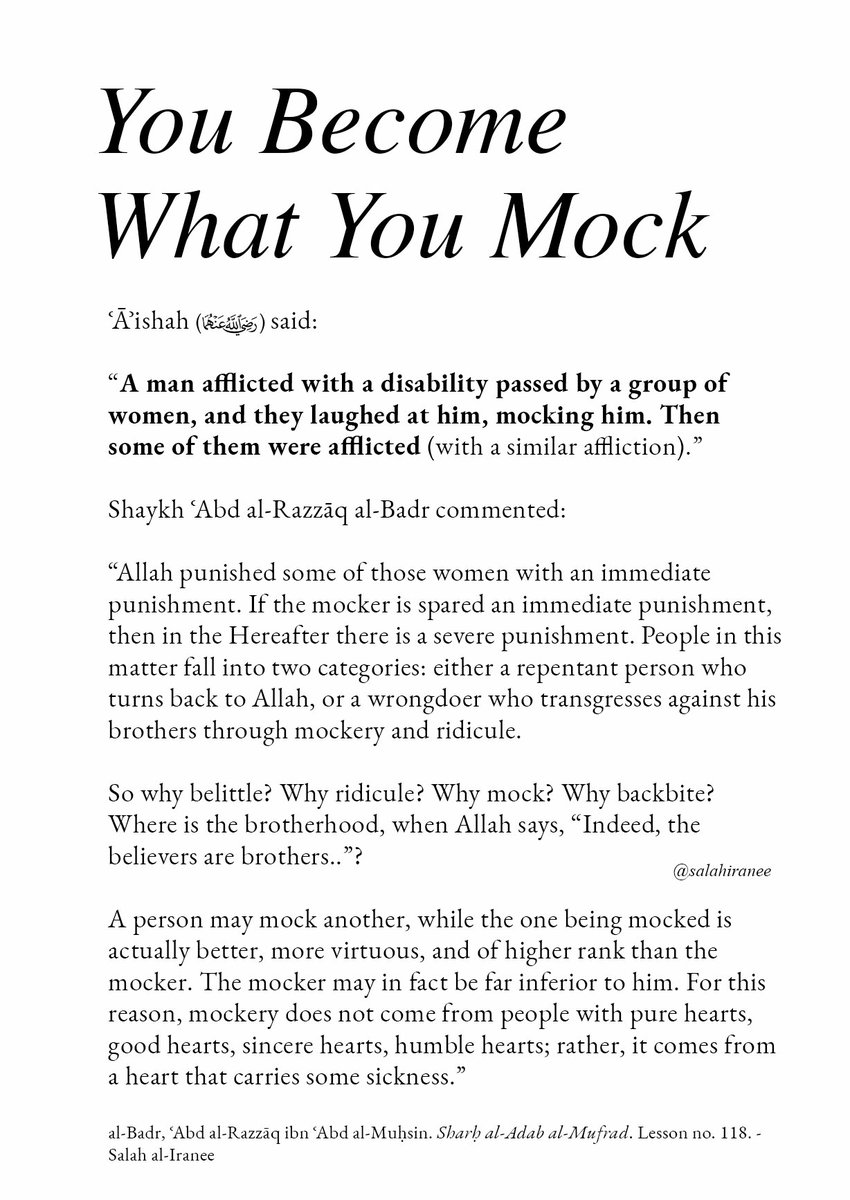
The Recompense of An Evil is An Evil Like it
Be cautious of mockery, because it quietly reshapes how you see yourself and how you see others. When a person begins to feel superior, even subtly, mockery follows. Others are no longer viewed with fairness or mercy, but through a lens of fault-finding and contempt. What begins as “just a joke” can grow into belittling, dismissal, and a refusal to respect others or accept truth, simply because it comes from someone deemed “less.”
Mockery is often rooted in arrogance. It is like standing on a high place and laughing at those below, assuming they look small and insignificant. Yet the one mocking forgets that from their perspective, he too appears just as small - if not smaller. Mockery does not elevate a person, it exposes insecurities.
Start your day with Dhikr remembering Allah much and end it that way.
Make each day beneficial. You are preparing your Hereafter.
Check ikhlaas and that actions are upon Sunnah no matter how small


![AthariBangalore's tweet photo. ﷽
✨️ New PDF - Collection of 58 Du'ā's of Istighfār from the Qur'ān and the Prophetic Sunnah (89 page pdf)
-------------------‐-------------------------------
And Allāh will not punish them while you (Muḥammad ﷺ) are amongst them, nor will He punish them while they seek (Allāh’s) Forgiveness.” - [Sūratul-Anfāl: 33]
---------------------------------------------------
📕 PDF Link: Arabic - English Translation
https://t.co/fp7yV2L3ik
📤 Please share it with your family and friends. May Allāh reward everyone who reads, benefits and shares it. Aameen
Telegram: https://t.co/KoT41G4J3E
WhatsApp Channel: https://t.co/MURKUUJyZ3](https://pbs.twimg.com/media/HDJ--qdbQAECDr9.jpg)
![AthariBangalore's tweet photo. ﷽
✨️ New PDF - Collection of 58 Du'ā's of Istighfār from the Qur'ān and the Prophetic Sunnah (89 page pdf)
-------------------‐-------------------------------
And Allāh will not punish them while you (Muḥammad ﷺ) are amongst them, nor will He punish them while they seek (Allāh’s) Forgiveness.” - [Sūratul-Anfāl: 33]
---------------------------------------------------
📕 PDF Link: Arabic - English Translation
https://t.co/fp7yV2L3ik
📤 Please share it with your family and friends. May Allāh reward everyone who reads, benefits and shares it. Aameen
Telegram: https://t.co/KoT41G4J3E
WhatsApp Channel: https://t.co/MURKUUJyZ3](https://pbs.twimg.com/media/HDJ-9llaQAAoUE9.jpg)
![AthariBangalore's tweet photo. ﷽
✨️ New PDF - Collection of 58 Du'ā's of Istighfār from the Qur'ān and the Prophetic Sunnah (89 page pdf)
-------------------‐-------------------------------
And Allāh will not punish them while you (Muḥammad ﷺ) are amongst them, nor will He punish them while they seek (Allāh’s) Forgiveness.” - [Sūratul-Anfāl: 33]
---------------------------------------------------
📕 PDF Link: Arabic - English Translation
https://t.co/fp7yV2L3ik
📤 Please share it with your family and friends. May Allāh reward everyone who reads, benefits and shares it. Aameen
Telegram: https://t.co/KoT41G4J3E
WhatsApp Channel: https://t.co/MURKUUJyZ3](https://pbs.twimg.com/media/HDJ-4uKbQAAEnjN.png)










![AthariBangalore's tweet photo. ﷽
✨️ New PDF - Collection of 58 Du'ā's of Istighfār from the Qur'ān and the Prophetic Sunnah (89 page pdf)
-------------------‐-------------------------------
And Allāh will not punish them while you (Muḥammad ﷺ) are amongst them, nor will He punish them while they seek (Allāh’s) Forgiveness.” - [Sūratul-Anfāl: 33]
---------------------------------------------------
📕 PDF Link: Arabic - English Translation
https://t.co/fp7yV2L3ik
📤 Please share it with your family and friends. May Allāh reward everyone who reads, benefits and shares it. Aameen
Telegram: https://t.co/KoT41G4J3E
WhatsApp Channel: https://t.co/MURKUUJyZ3](https://pbs.twimg.com/media/HDJ-_qdboAAf8RK.jpg)