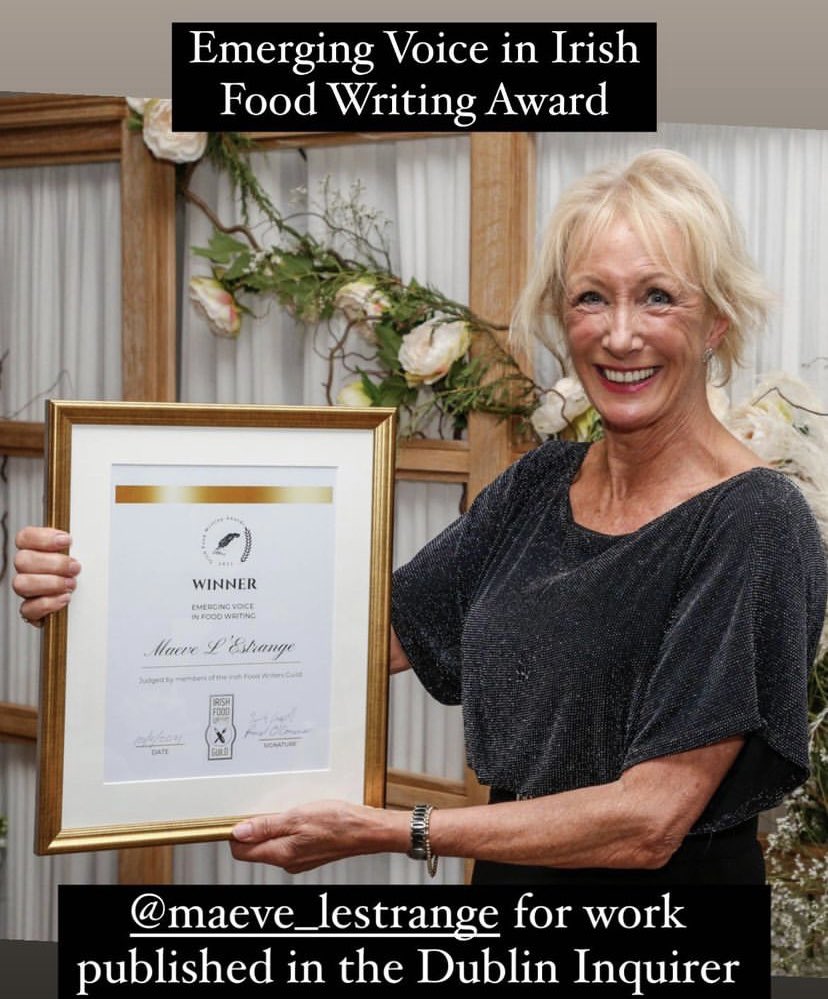
My name is Maeve L'Estrange, IRC PhD Scholar #LoveIrishResearch. As a culinary archaeologist, my research is food, culture and identity in Ireland c. 1200-1500
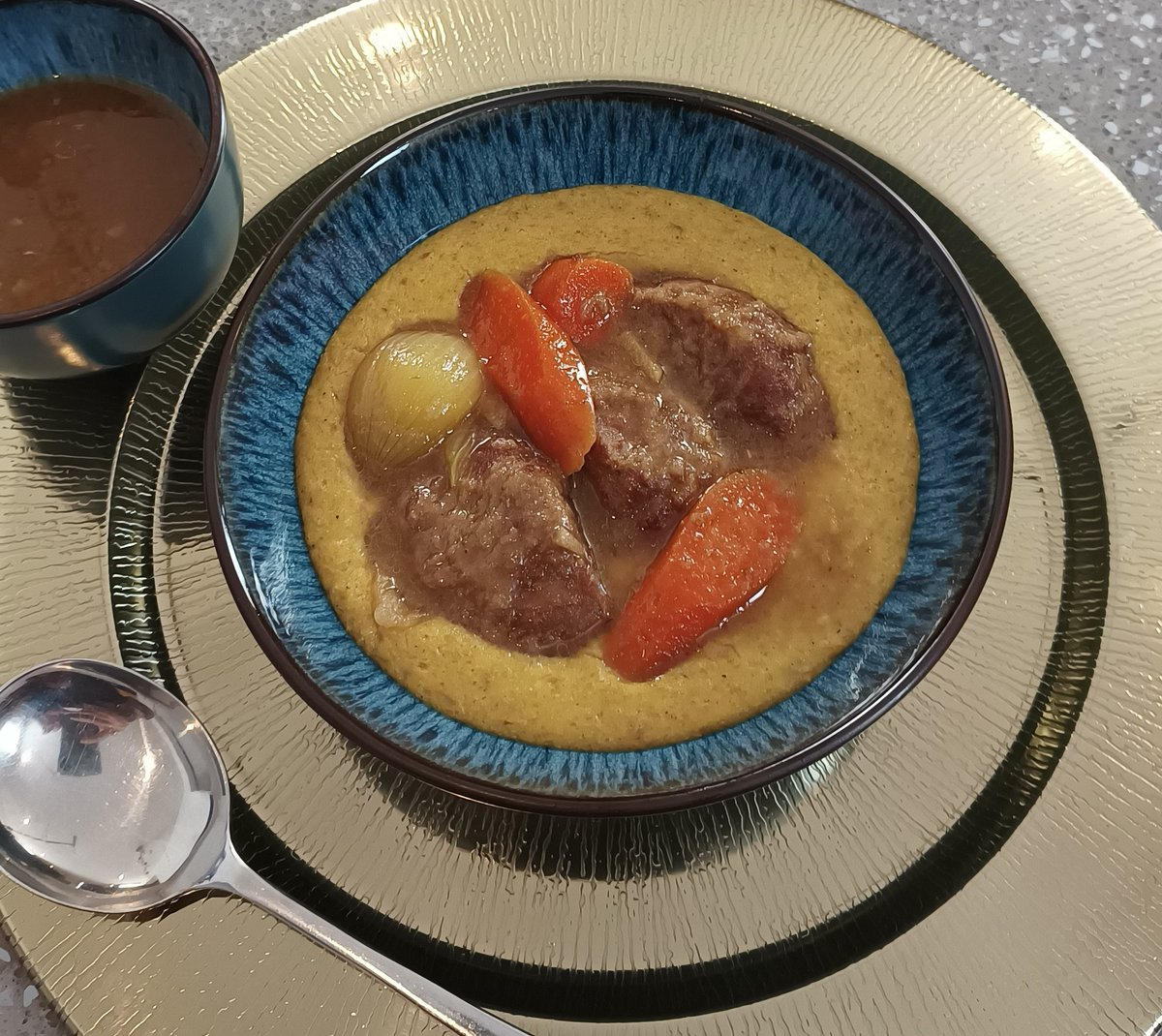
Medieval beef roast with garlic sauce from Mainus de Maineris' Opusculum de Saporibus (14th century). Subtitles in English and Italian.
https://t.co/HrWw2aJRdD
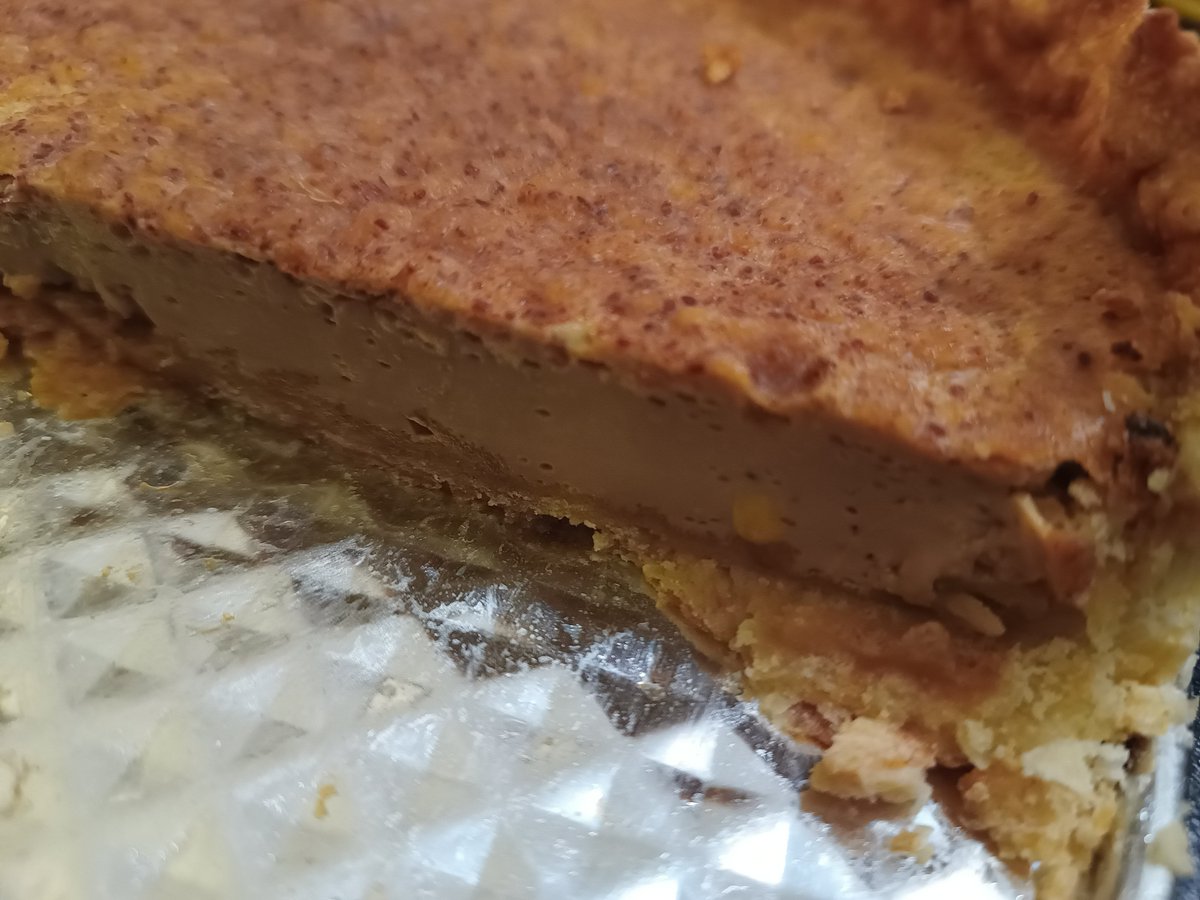
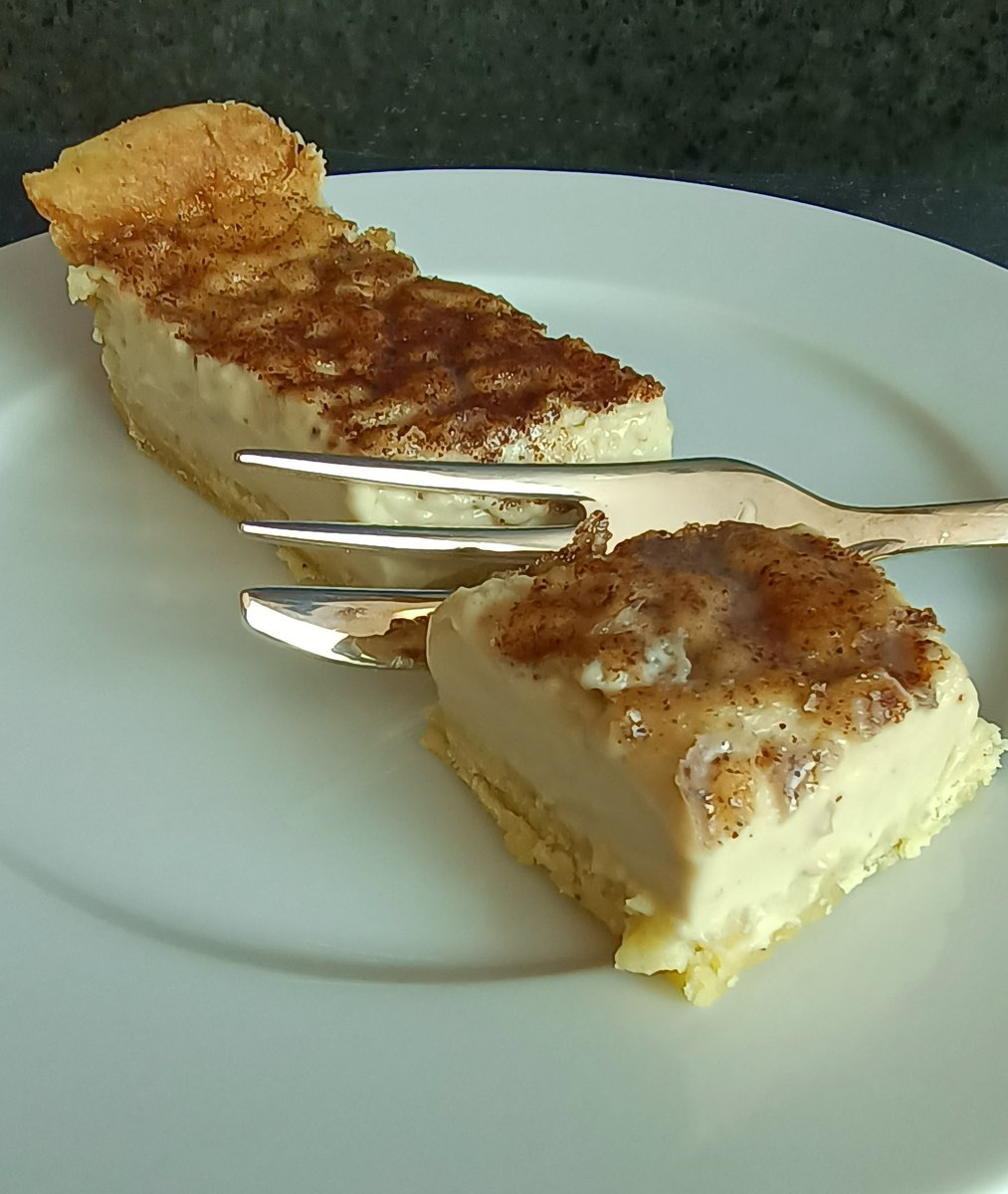
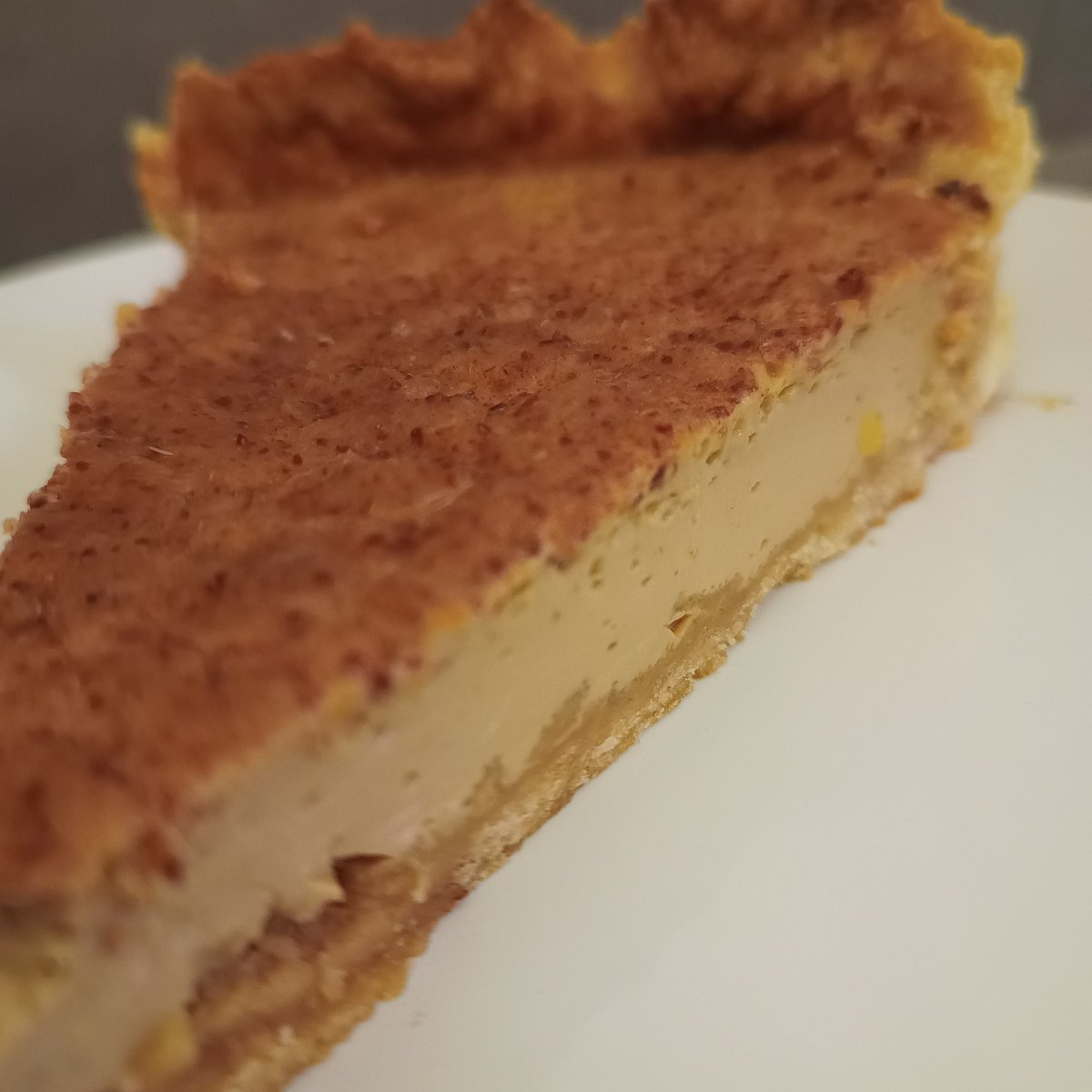
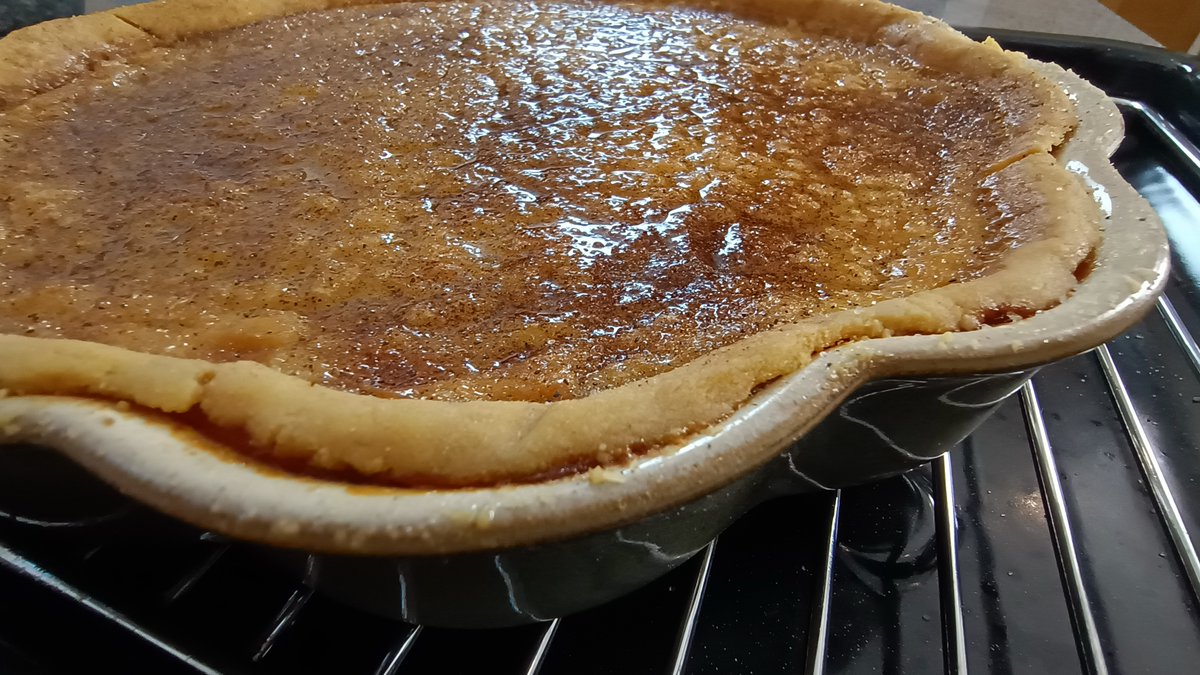
Just got back from visiting friends in Crete. Whilst out there I made them my medieval sweet flan using the recipe from my YouTube video (check it out: link👇) though I did use dark rather than light muscovado sugar -- SO good! 😋 @PaulHRoberts@dids60
https://t.co/OF7vuExEfV
Originally, Benedictine monks weren't meant to eat meat from quadrupeds (unless very ill). Find out how things changed 👇. The monks from 13th-cent Rochester Priory are my focus. Post includes new translations from @RochesterCathed's Custumale Roffense. https://t.co/Nb9TM2ikqy
#StandWithUkraine Making my latest recipe, the Rochester Priory Flan, available as a free download but asking folk to donate to the Ukraine Humanitarian Appeal. Details: https://t.co/N6E3uRquV0 @RochesterCathed
There are numerous recipes for gruel in medieval collections.
The recipes we find, however, are not for basic peasant fare: oatmeal and water.
Rather, gruel was 'enforced', enriched. Find out more in my new video: https://t.co/PvO0wcp11j
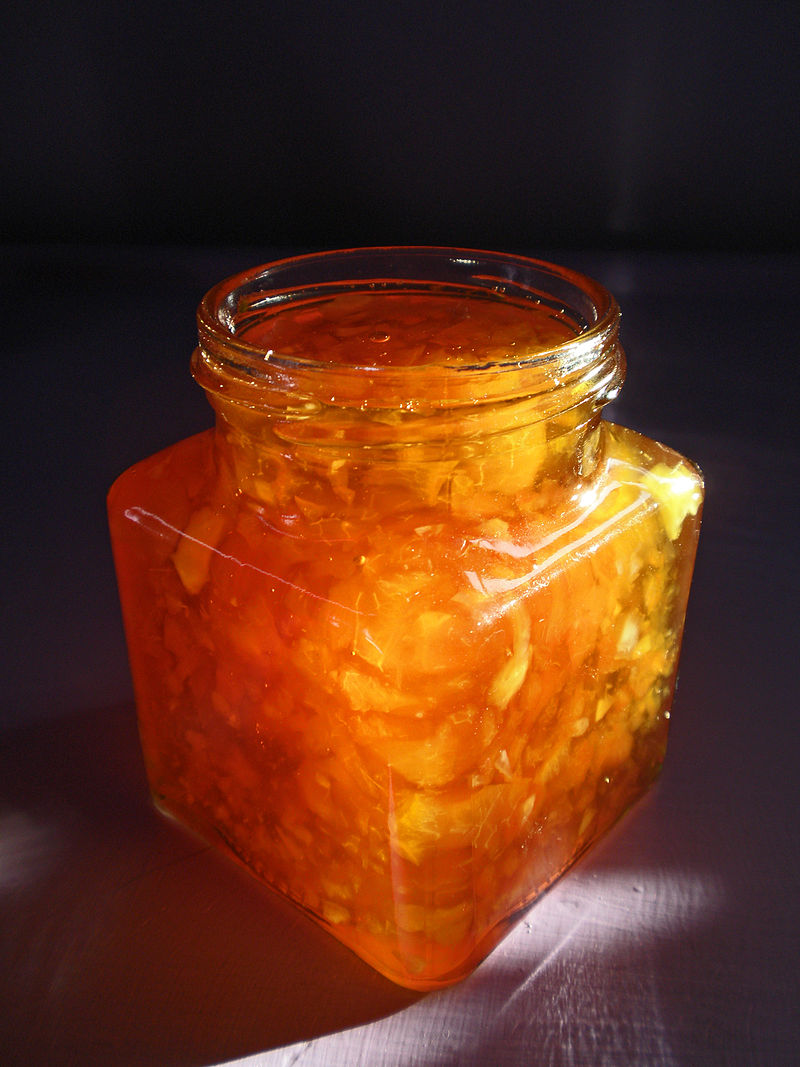
Do you like marmelade?
Marmelada was the Portuguese name for a sweet, solid, quince paste. It was imported to Britain by the late 15th century as a luxury good.
The 18th century saw the rise of the transparent orange ‘jelly’ marmelade with finely cut peel.
Love or hate it?
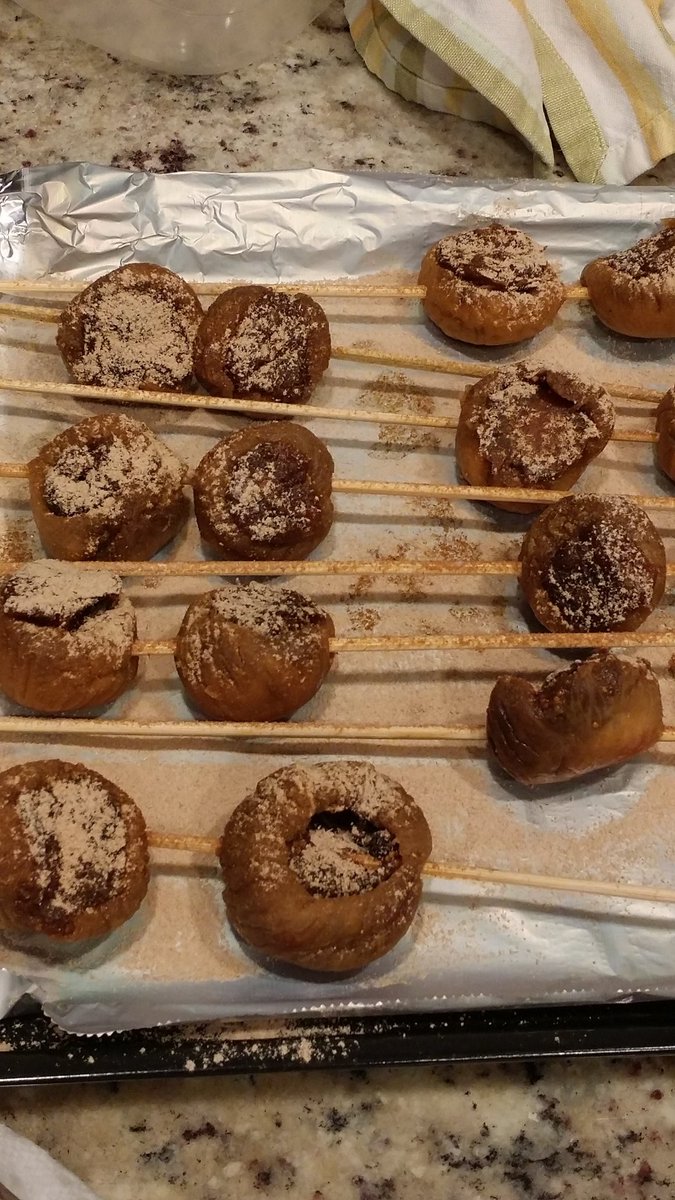
Prepping hastlettes of fruyt... from Richard II's cookery book c.1390 but with a few modern tweaks. These are still to be glazed with saffron & egg yolk then roasted... finished pics and recipe will go into a blog post.
Calling food scholars, writers, activists, artists for a special issue on #food and #water: https://t.co/ON0jzh31Q4
Inviting original research, critical translations, and other food phenomena. Deadline May 15.
#CFP#foodstudies#foodstories@ucpress
Medieval chickpeas and meat from a beautiful Indian manuscript dating back to the 15th century. Subtitles in English and Italian.
https://t.co/3CPu5lT9tY
Ancient Roman Encytum, a funnel cake made with cheese, spelt, and honey from Cato's De Agri Cultura. In the article you find the original recipe and our translation. The video is subtitled in English and Italian.
https://t.co/B5klN7jdnb
It is available on Patreon the translation of the first five books of De Re Coquinaria, the most extensive source of ancient Roman recipes.
The 5th book, titled Ospreon, collects recipes for cereals and legumes.
https://t.co/go9sF6CJof