We may be wearing heated vests today, but the show must go on! So excited to welcome attendees and exhibitors this week! @IPPEexpo#WinterStorm2026#Fern ❄️ 🧊
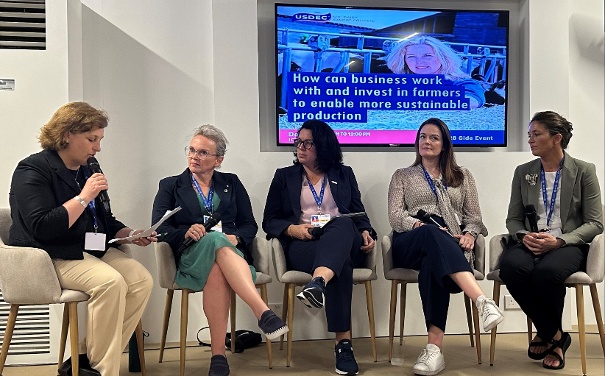
AFIA’s Director of Global Affairs is at #COP30 sharing how the animal food industry supports climate change solutions. Catch our panel Sat. Nov. 15 in the IICA Pavilion in the AgriZone at 3pm GMT.
Thank you @POTUS for recognizing the essential role that the US animal food industry's over 80,300 employees & 5,650 feed mills & #petfood manufacturing facilities play in producing safe #feed & pet food for the nation's animals! #HealthyFeedHealthyFood#HealthyPets@SecRollins
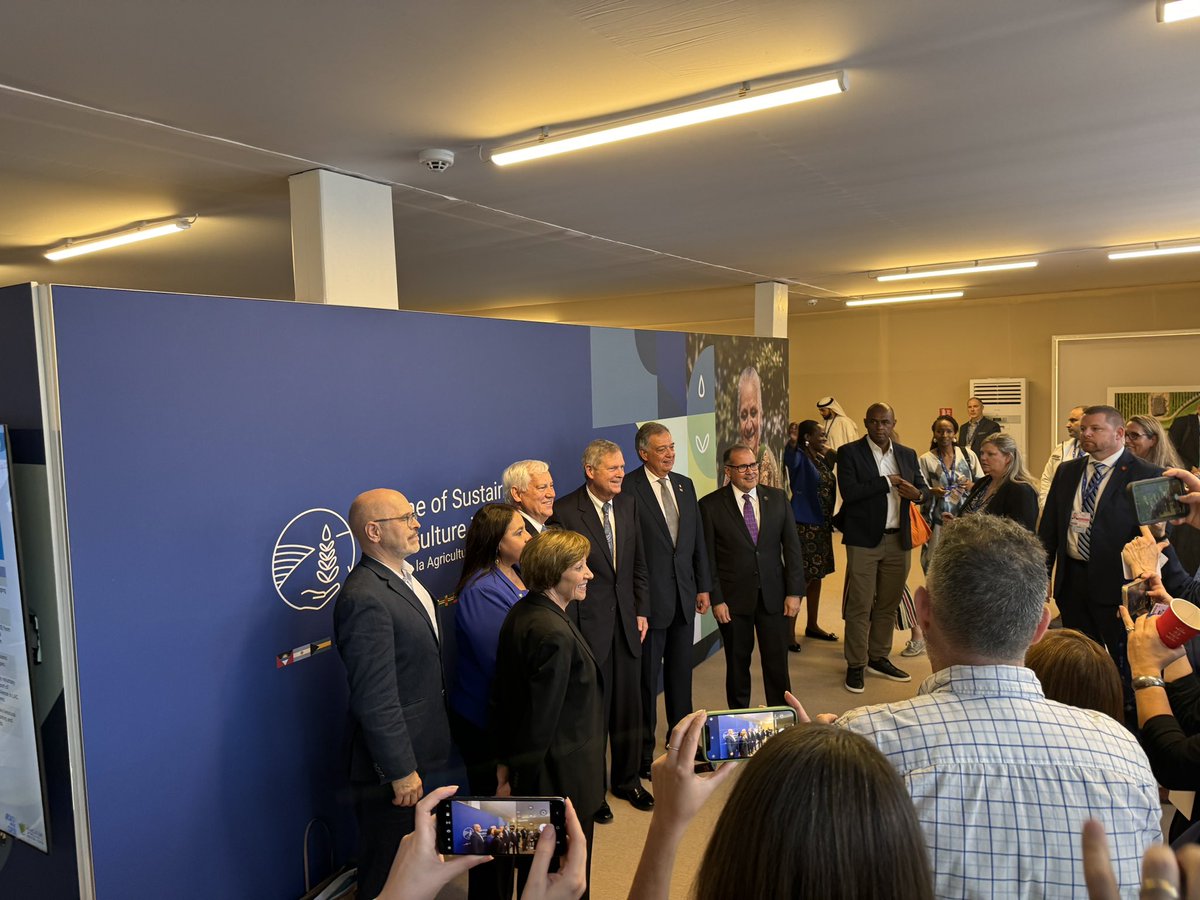
Many good discussions around food and climate at today’s COP28. Several ministers of Agriculture from the US, Mexico, Uruguay, California etc renewed their commitment to reduce agricultural methane by working with farmers.
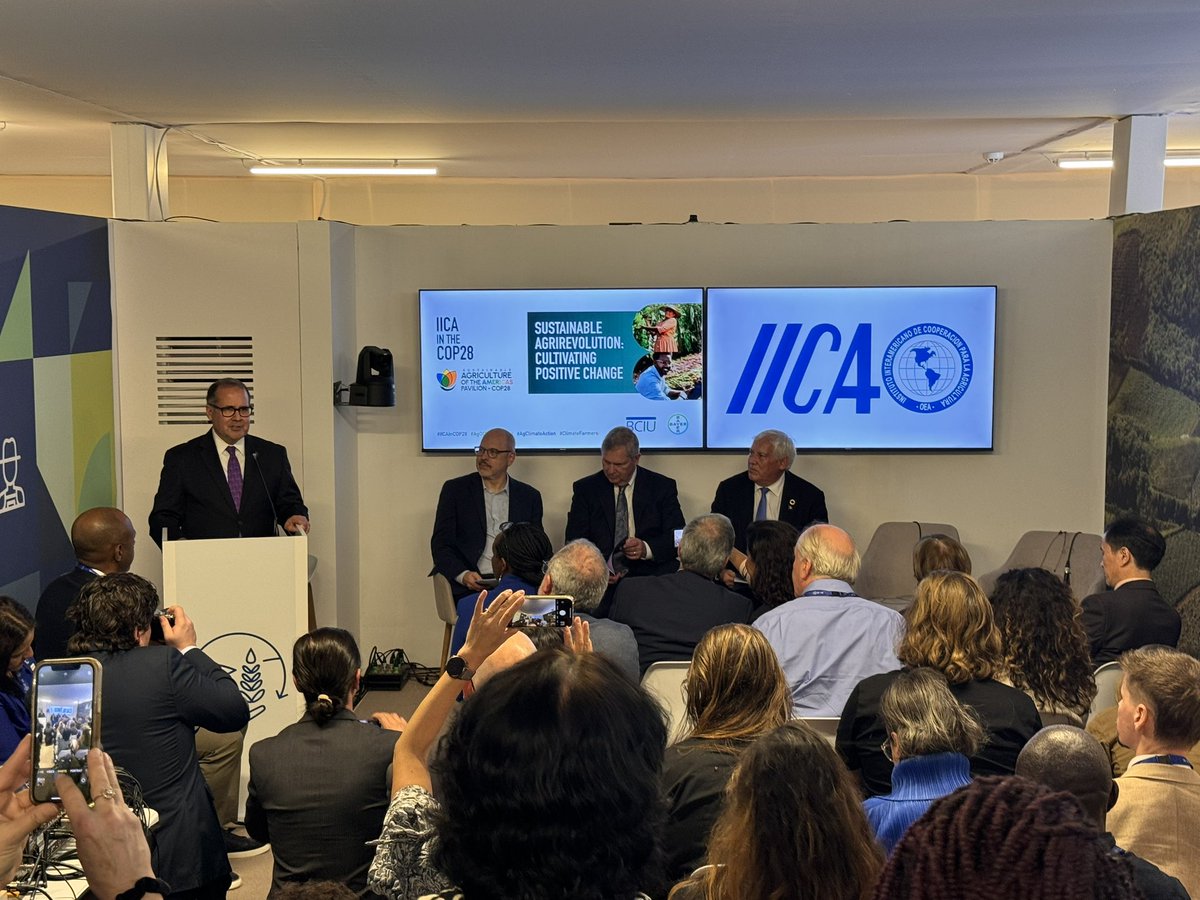
AFIA's Constance Cullman is in attendance @COP28_UAE and shares the results of the FAO milestone report.
Read more of the report here: https://t.co/NwnwyBAFdY
#COP28#cop28uae#AFIA#sustainability
Glad to see @SenateFinance approve McKalip to be @USTradeRep chief #agriculture negotiator - he will be invaluable to tackling current trade barriers & opening markets for US #animalfood industry https://t.co/wQIiqxJJSN
STILL FARMING IN 2020 https://t.co/PsXtvw7iJh via @YouTube
An incredible look at what one farmer has experienced this past year. Thank you Scott Whitman! #stillfarming#AgriLifeStudios
AFIA's @Cullmaninthe202 reflects on her first year working in the feed industry & how she thinks the US ag industry compares to an aircraft carrier. https://t.co/QjiJNezlRO
This claim was successfully debunked, but the damage had already been done. And for some, livestock became public enemy #1. This @CJR article does a great job explaining the timeline of this saga: https://t.co/aPFyBUzyUj 14/
Many people ask me why we don’t use more agricultural land to grow crops instead of livestock. This short video might be a powerful explainer on animal Ag land use.
https://t.co/qXibLOsCK6
Maybe the @Guardian would benefit from watching our latest “Rethinking Methane” video to better understand the difference on warming between biogenic carbon (e.g. belched methane) versus fossil carbon sources (related to fossil fuel extraction.) https://t.co/2h8hNBsLCI
Huge swarms of locusts, about 60 million insects, have caused major devastation to crops and livelihoods in countries in East Africa, Asia & the Middle East. Scientists in Pakistan are looking at the possibility of using these critters in chicken feed: https://t.co/rsMi0aj4Vb
IT'S. NOT. THE. COW. FARTS.
Nearly all enteric methane from cattle is from belching. Suggesting otherwise turns this serious climate topic into a joke.
Reducing methane is a HUGE opportunity. That should be a goal. But we shouldn't trivialize it for trendy marketing. #COWSMENU
Excellent work being done to make a real difference. Let's support science that can end suffering!
Repairing the Root of the Problem https://t.co/UG7YoBTFPe via @YouTube
Since #COVID19 began, with use of air travel, mass transit and automobiles down considerably, CO2 emissions worldwide have dropped 17%. This shows that curbing climate change is not about the burger you are eating. @GHGGuru https://t.co/KPGpqdXrh4
Although this is critical for a few markets it may seem small. It is exactly the proactive step we needed to avoid what would have been the cause of major disruptions to our exports.
Manufacturers exporting from the US are often asked by foreign customers or foreign governments to supply a “certificate” for products regulated by @US_FDA The new certificates will make it possible for facilities nationwide to export where & if required. https://t.co/o0tXVkVvsm
Discounted #PISC2020 webinar rates end TODAY! Don’t miss out on the cheaper rate to receive new animal food industry information! https://t.co/HeIvo9w6iN