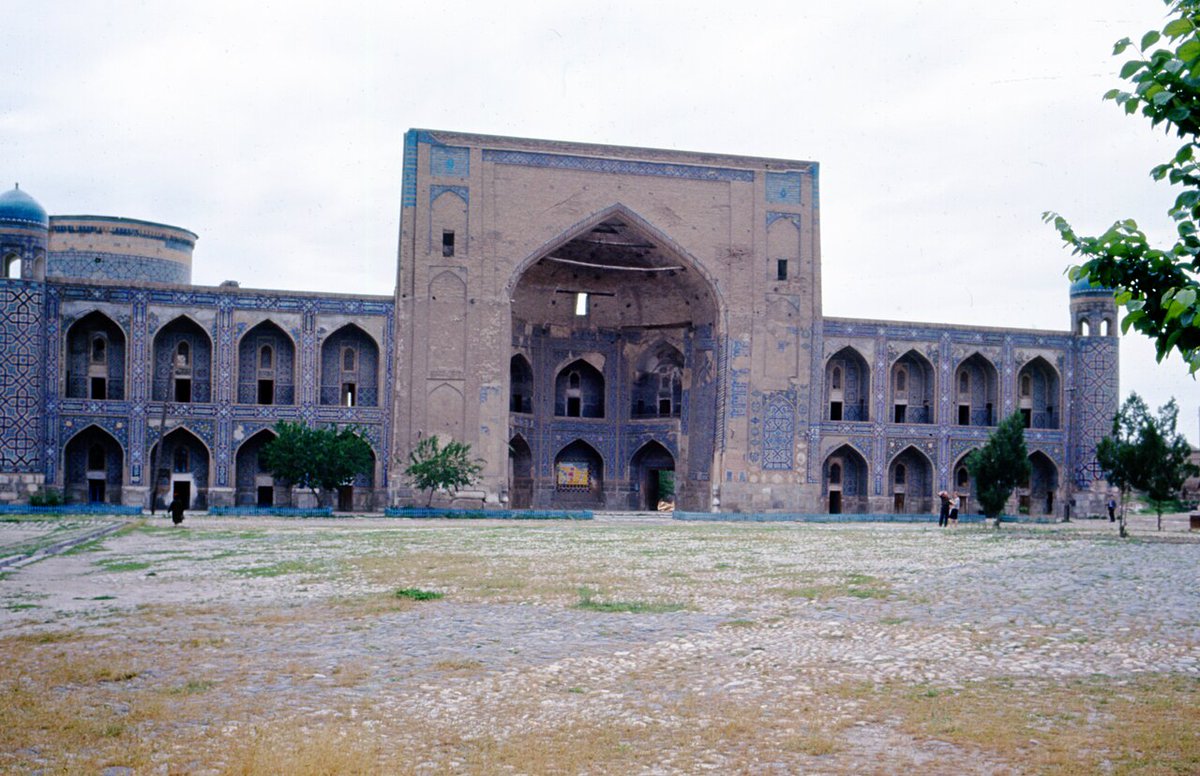
Ulugh Beg Madrasa is an outstanding architectural monument of the 15th century, located on Registan Square in Samarkand, Uzbekistan. Soviet Times. 1964
Kazakhstani authors and music producers will start receiving their first royalty payments in June-July for the use of their music via the new digital platform QazCopyright, Vice Minister of Justice Bekbolat Moldabekov has announced
In the village of Bozanbay in Eastern Kazakhstan, the Nazhitbanov family is reviving the ancient art of falconry, passing on their skills to children and visitors from around the world. Marks Nazhitban teaches that the golden eagle is not just a bird, but a symbol of the steppe’s power, and 16-year-old Aizere, the youngest falconer in the region, has already released her bird into the wild according to tradition. In the fall, a festival is held here, attracting thousands of tourists and hunters. It serves as a bridge between the past and the present.
A rare hoard dating to the 1st century CE has been discovered in the Shahritus District in southern Tajikistan. 173 copper coins from the Kushan period, which had been stored in a ceramic vessel underground. According to researchers, this discovery sheds new light on the political, economic, and cultural history of the Kushan Empire. After restoration, the coins will be added to the collection of the Museum of Aryan Civilization.
Kyrgyzstan continues to face challenges in protecting its historical and cultural heritage, said MP Saltanat Amanova at a session of the Jogorku Kenesh. She highlighted the petroglyphs in the Issyk-Kul region, where approximately 7,000 rock carvings of global significance have yet to receive adequate protection, despite a 2018 parliamentary resolution. Prosecutor General Maksat Asanaliev pledged to strengthen oversight in this area, taking into account the proposals raised.
We hope that the initiative will be implemented soon.
We are continuing to share powerful stories from the history of Central Asia and would love your thoughts on this one.
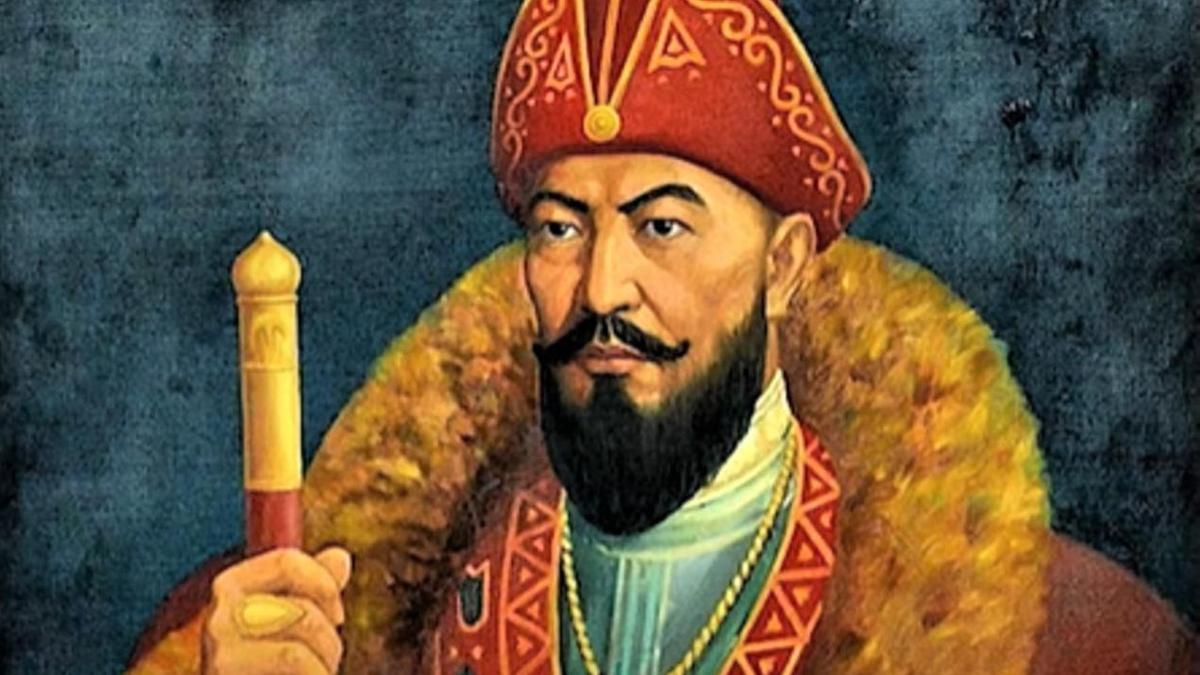
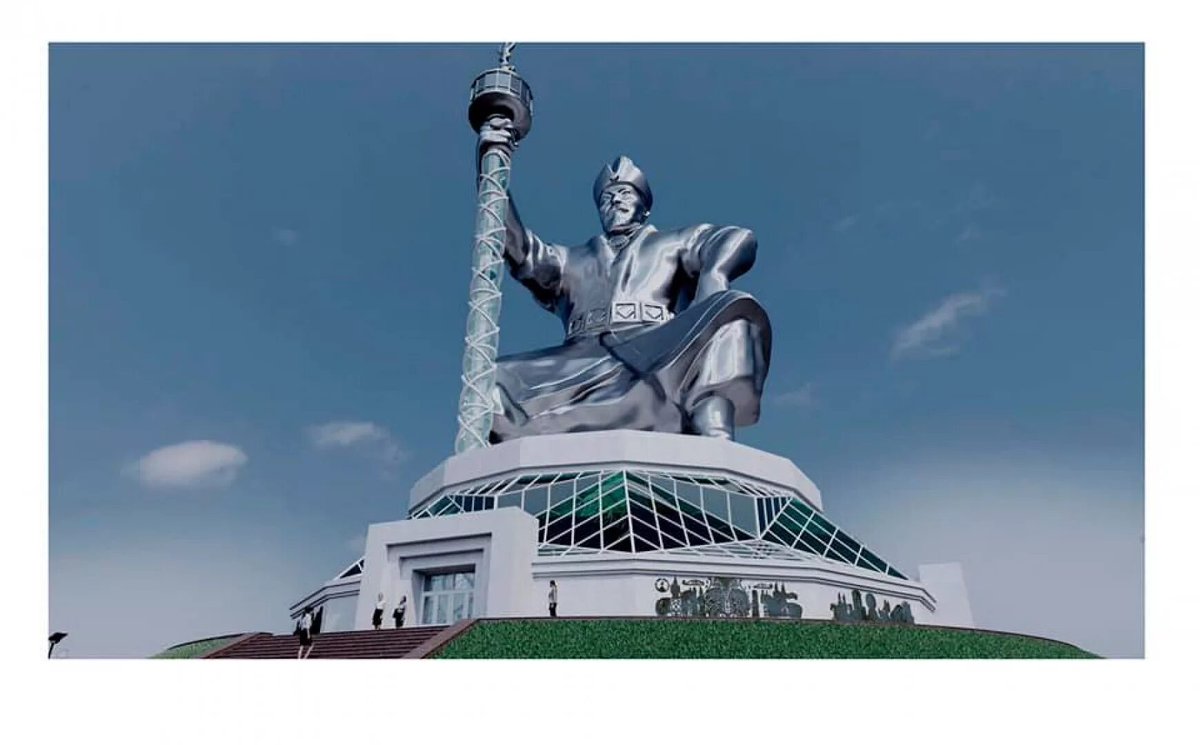
Abylai Khan was not just a ruler. He was a strategist who kept his people alive in one of the most dangerous geopolitical moments in Eurasian history.
In the 18th century, the Kazakh steppe stood between two expanding giants, the Russian Empire to the north and the Qing Empire to the east. Many leaders would have been crushed between them. Abylai chose a different path.
He did not rely on blind resistance or submission. He played a careful diplomatic game, maintaining relations with both powers while preserving the autonomy of the Kazakh hordes. At times he accepted formal allegiance. At others he acted independently when it mattered most.
But diplomacy alone was not enough. Abylai was also a battlefield commander who fought against the Dzungars and helped secure the survival of his people during years of constant warfare and instability.
What makes his story remarkable is balance. He understood that survival was not about pride or conquest. It was about timing, flexibility, and knowing when to fight and when to negotiate.
History often celebrates those who expand empires.
Abylai Khan was the one who ensured his did not disappear.
We are just getting started. Let us know what you think and which historical figure we should cover next.
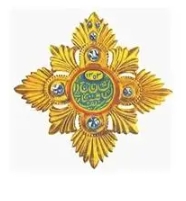
Order of the Crown of the State of Bukhara (Uzbek: Nishoni Todji Bukhoroi Dor-us-Saltanat, or simply “Todj” — crown).This is one of the highest awards of the Bukhara Emirate (which existed until 1920 on the territory of modern Uzbekistan, with its center in Bukhara). The order was established by Emir Abdul-Ahad Khan in 1886.
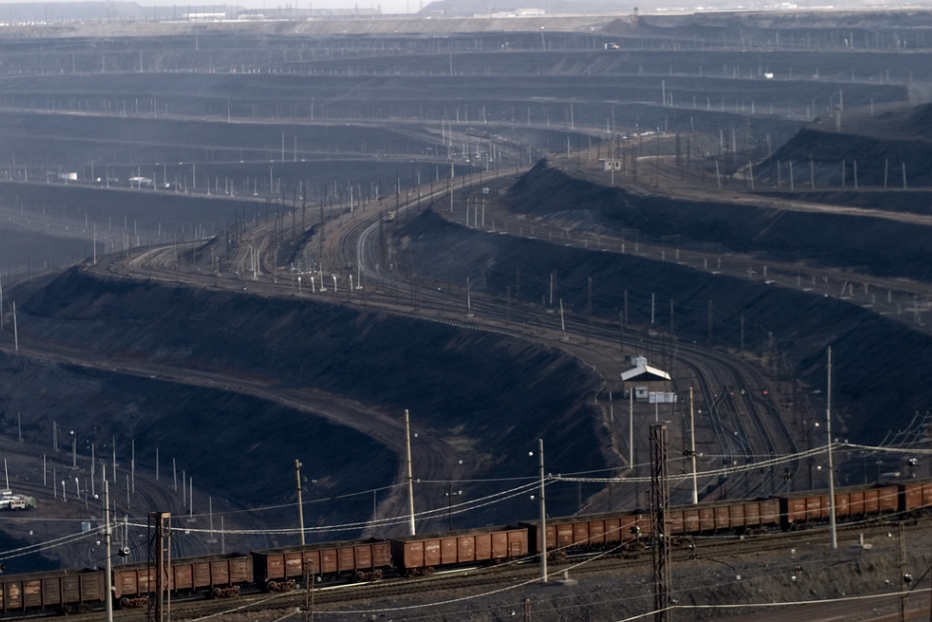
Kazakhstan is one of the world leaders in coal reserves and production. Proven coal reserves are estimated at approximately 33.6 billion tons (including bituminous and brown coal). The country ranks in the top 10 globally by this indicator. Coal provides about 70% of Kazakhstan’s electricity generation and plays a key role in metallurgy (coking coal).
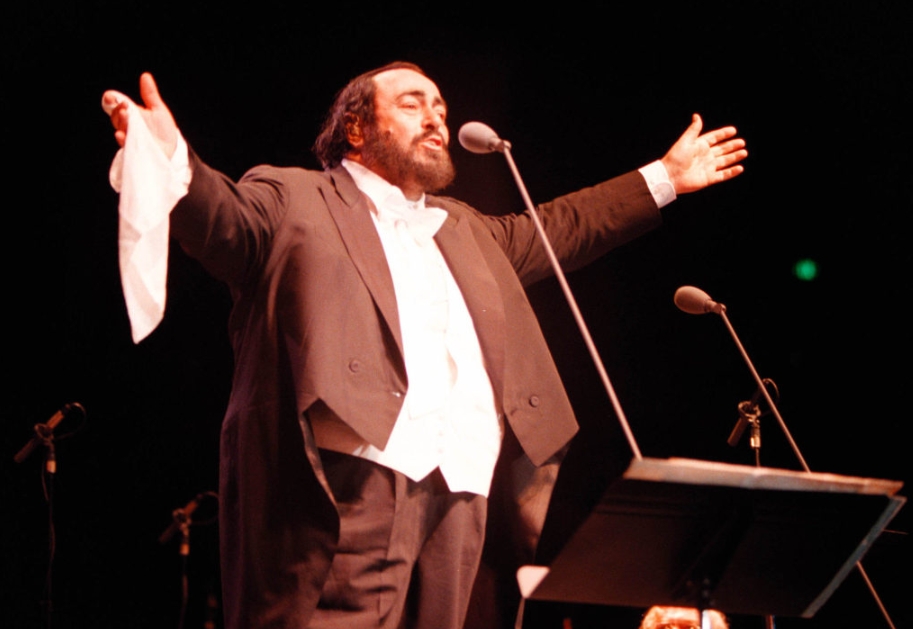
Today in Almaty, Kazakhstan, the "Parade of Tenors" is taking place — a traditional vocal acoustic concert at the Zhambyl Kazakh State Academic Philharmonic (Grand Hall). This is the fifth edition of the popular project. It is dedicated to the genius of Luciano Pavarotti, the legendary tenor who made an invaluable contribution to popularizing opera art worldwide
This theater of madness will end badly for all the countries in the region — and perhaps for the entire planet. The pre-election promises have dissolved like sugar in tea.
In Kyrgyzstan, Mirbek Mambetaliyev, Minister of Culture, Information, and Youth Policy, met with Yunusjan Ilakhunov, head of the Youth Association of the “Assembly of the People of Kyrgyzstan.” The parties signed a memorandum of cooperation, which will serve as the foundation for a long-term partnership in the field of youth policy. The document provides for the strengthening of interethnic harmony, support for the socio-economic development of youth, and the implementation of new joint projects.
Contemporary ballet has long since moved beyond the confines of classical narratives—today, imagery, ideas, and the language of movement take precedence. Kazakhstan’s "Zhusán" is precisely such a production: through the symbol of wormwood, it speaks to the memory of the steppe, nomadic culture, and the vitality that reemerges after adversity.
The ballet does not offer a direct retelling of history, but through movement, music, and visual imagery, important chapters of Kazakhstan’s past can be discerned. This is precisely why "Zhusán" is perceived not merely as a performance, but as a contemporary artistic reflection on the country, its roots, and the continuity of life.
Eco-tourism in Kazakhstan.
Almaty photographer Dmitry Dotsenko captured the blooming of rare Regel's tulips in the Chu-Ili Mountains. These flowers are listed in the Red Book and are considered one of the most unusual endemics of Kazakhstan.
One of the most famous historical fortresses in Tajikistan is the Hissor Fortress (also known as Hissor Fortress or Қалъаи Ҳисор). It is located just 25–30 km west of Dushanbe in the Hissor Valley and is considered one of the main symbols of the country’s ancient history.
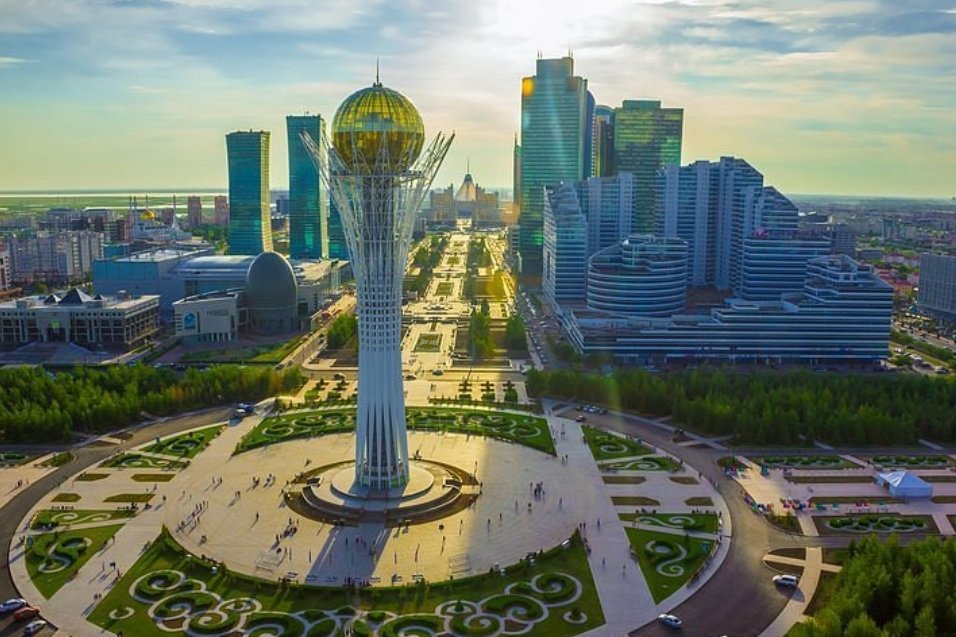
If you’re ever in Astana, be sure to go up. Even one view from the top of Bayterek is worth it. Which monument or place in Kazakhstan do you like the most? Share in the comments 👇
Bayterek is one of the brightest symbols of modern Astana and all of Kazakhstan. The tall tower with a golden orb on top immediately catches the eye and raises questions: what kind of tree is this and why is it so important? Let’s break it down.
Inside the golden orb, there is an observation deck where you can leave a handprint of the First President and make a wish. From a height of 86 meters, you get a stunning panoramic view of the entire city — especially beautiful in the evening when Astana lights up