What kills a data center project?
The reasons for **cancellations** differ markedly from the reasons for **delays**
The main factors in project cancellations are community opposition (52%) and permitting issues (30%)
Delays are mostly caused by construction issues (36%), power and grid (15%) or tenant/offtake (12%)
Developers will often cancel a project and move on to another site to escape community opposition, while they’re willing to wait for equipment and power
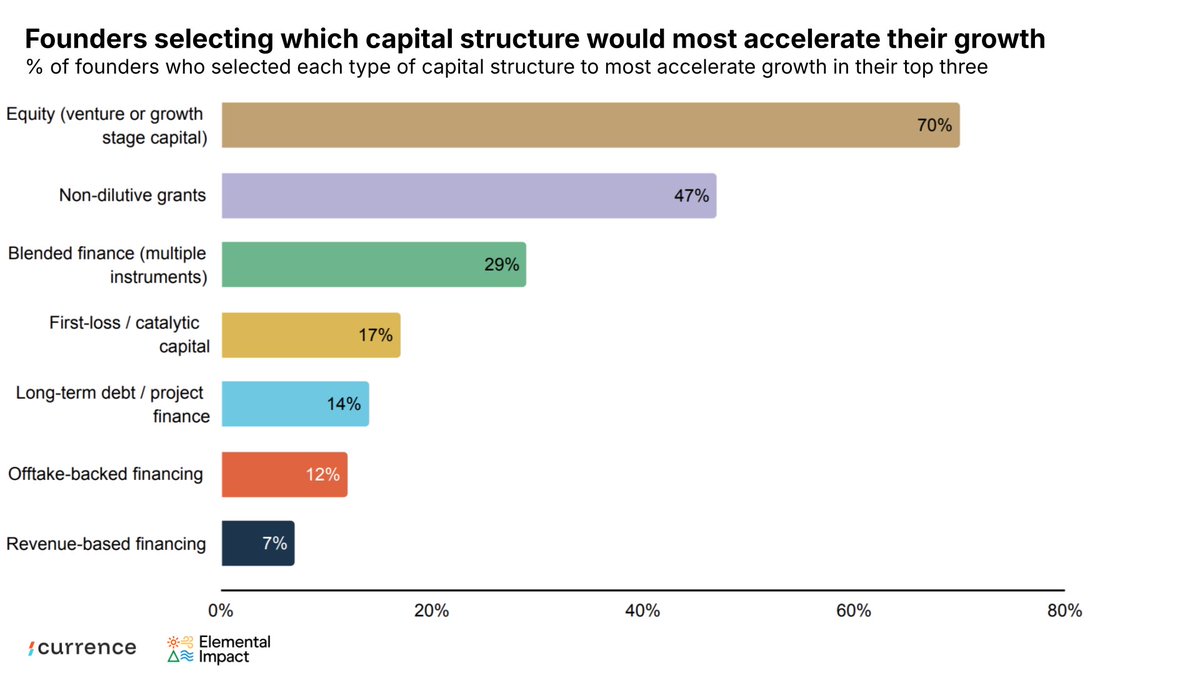
We polled 121 founders on their fundraising challenges and ran into what could be called the Climate Tech Paradox:
- 70% of founders say equity (venture or growth) would help them accelerate growth.
- 73% said VC isn't the right capital structure for them.
https://t.co/8BBu4btQ0v
OpenAI confirmed it will anchor 8GW of the PORTS-Pike data center campus. Powering this is a planned 9.2GW natural gas plant (!!)
By generating capacity, this new plant would surpass the Grand Coulee Dam to become the largest power plant in the country, of any fuel type, and one of the largest gas plants in the world.
https://t.co/OQErKOYlAF
.@Currence_AI's Q3 tracker covers 363GW across 1,234 global hyperscale projects >50MW.
>25.9GW carries a 2026 COD, but ~13GW hasn’t broken ground and likely slips. I get +12GW as the rough full-year delivery ceiling, including ~1GW already live. The separate 16GW “credible” number is a weighted estimate of this cohort, not the current 16GW operating base.
>283.7GW is announced, 38.4GW under construction and 16GW operational. Only 0.5GW came online in Q2; delayed capacity rose 25% QoQ to 20.1GW and cancellations rose 66% to 4.5GW.
>Through 2032, 182GW is planned versus 101GW deemed credible. That means 55% credible and 45% at risk, despite the chart headline saying 55% is at risk. 36% of projects have no disclosed power strategy.
>Across 67 troubled projects, community and political opposition caused 52% of cancellations but 3% of delays. Construction and engineering caused 36% of delays; median slippage was 8.6 months against a 23.8-month median build.
We don't have much experience building 1GW+ power plants everywhere. There's a reason. Some of these new efforts are EXTREMELY ambitious. They may succeed, they may not.
But important to know that rate of change you are underwriting. @Currence_AI
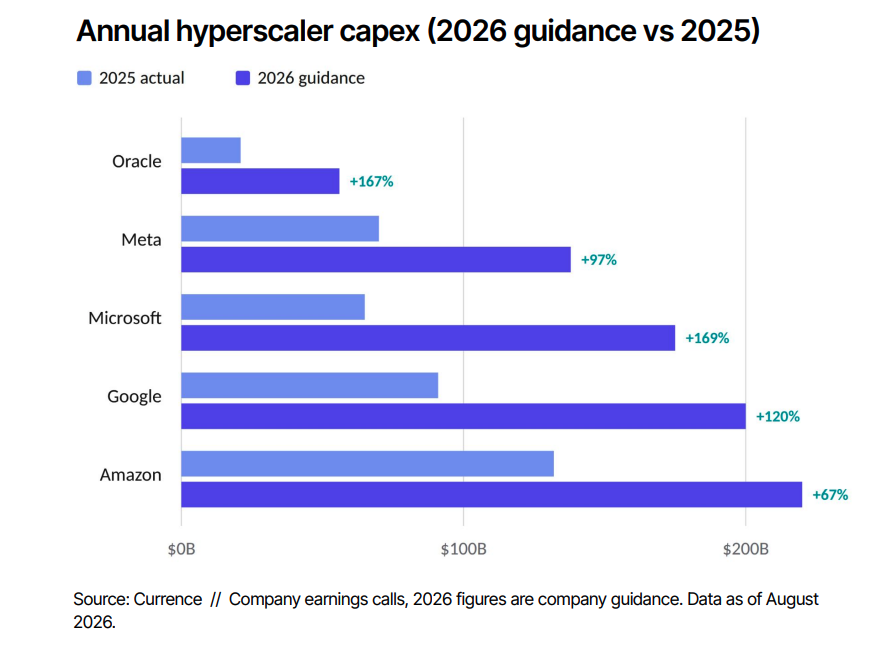
The media usually reads a hyperscaler capex increase as a signal for more AI capacity coming online. Our Q3 Data Center Outlook found it's mostly component inflation. Amazon's entire $20 billion guidance raise came down to memory costs alone.
https://t.co/lEQKC2pLpC
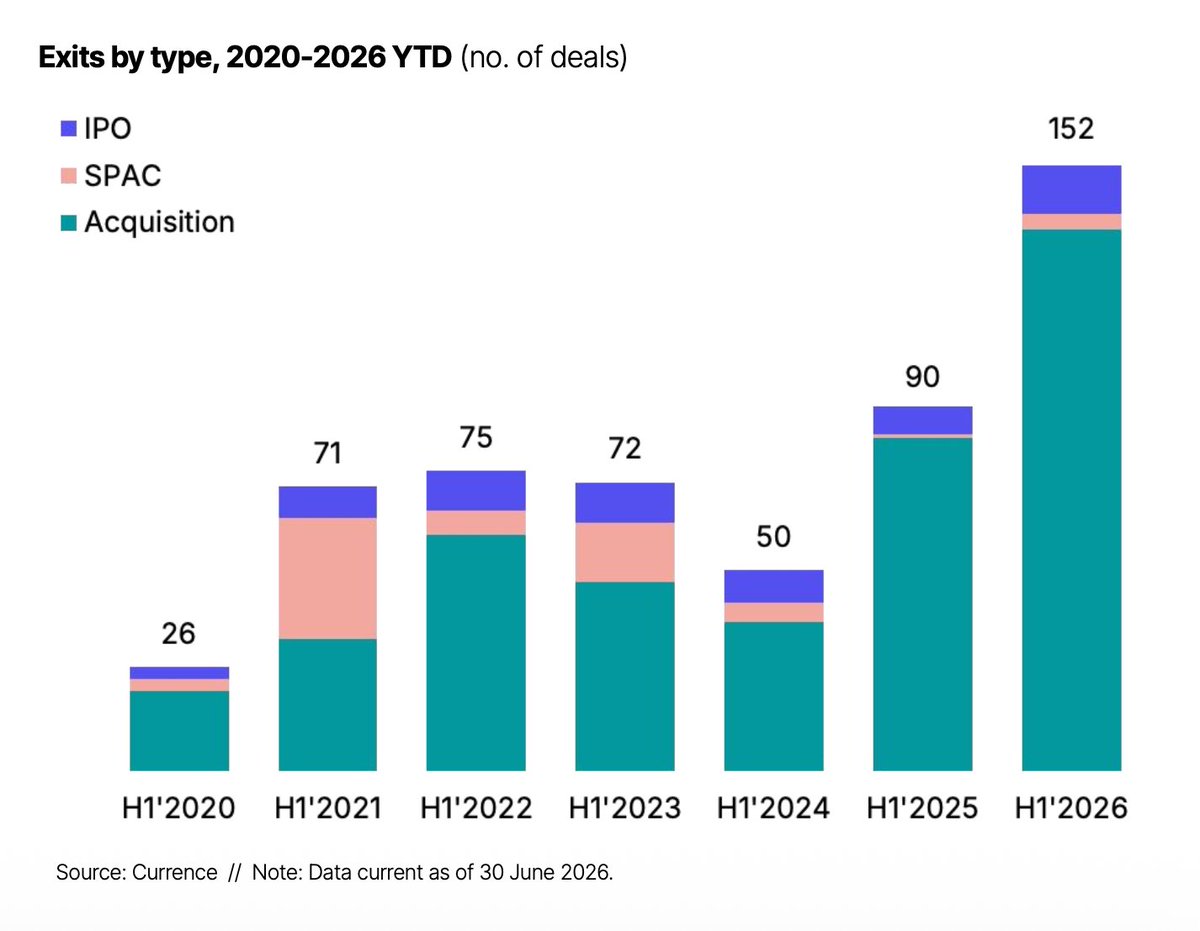
good graphs as always from @Currence_AI's H1 climate tech investment report: VC investment surged 55% YoY (largely thanks to low-carbon data center deals) even as total deal count fell 25%. meanwhile, the sector continues to consolidate, with energy acquisitions on the rise
So we built Currence, which combines the trust of expert research with the speed of AI.
Our AI engine ingests thousands of sources into one live view of companies, projects, deals, and costs. On top, our human experts build what AI can't: project economic models, price benchmarks, ranked leaderboards. Together, it’s market intelligence that maps to how energy teams choose partners, forecast demand and price, and decide where to build, buy, or invest.
New interview series from CTVC unlocked. @schrep sat down with @KimberlyZou and @SophiePurdom to talk about making the shift from the digital economy to the physical economy