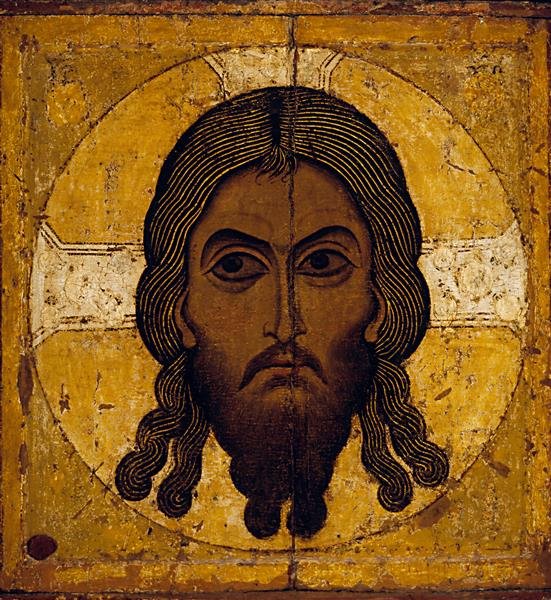
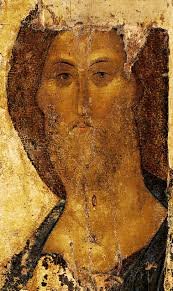
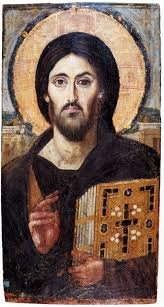
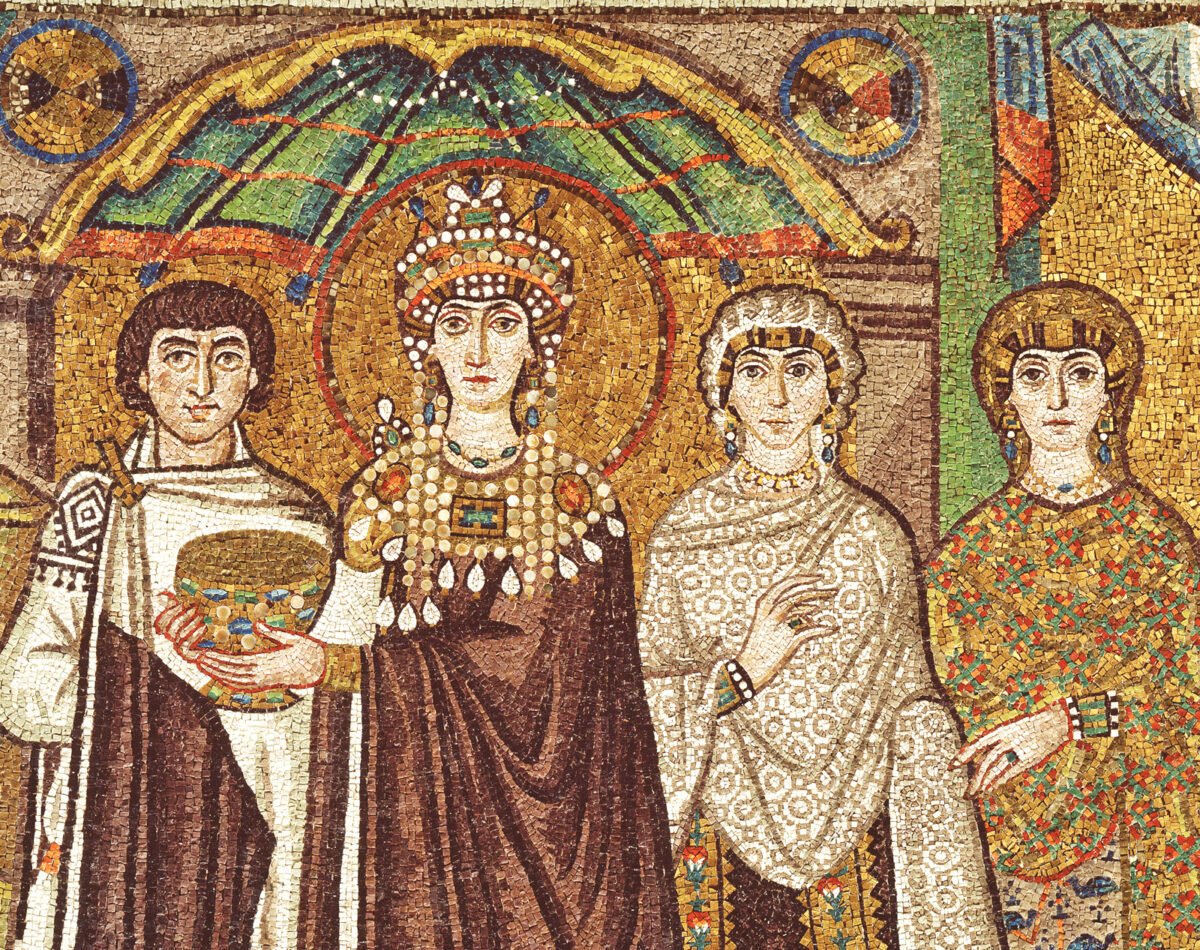
@KalEl144@Tyrese Likewise, the Renaissance did NOT carry out any "whitewashing"—in any sense the term has acquired over its semantic evolution. Byzantine art of white figures already existed in Italy, while black Madonnas arrived from Byzantium before & after 1453 intact. 2/3
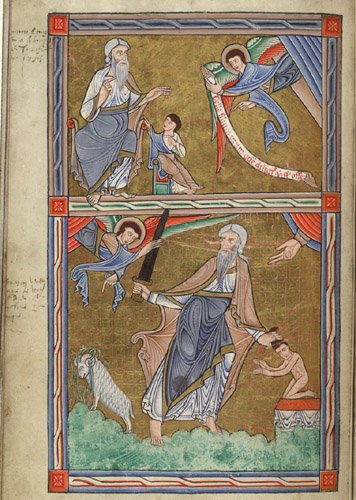
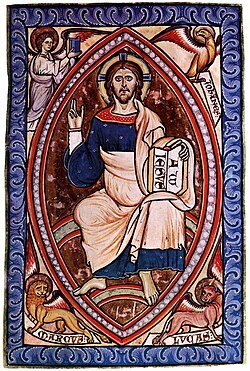
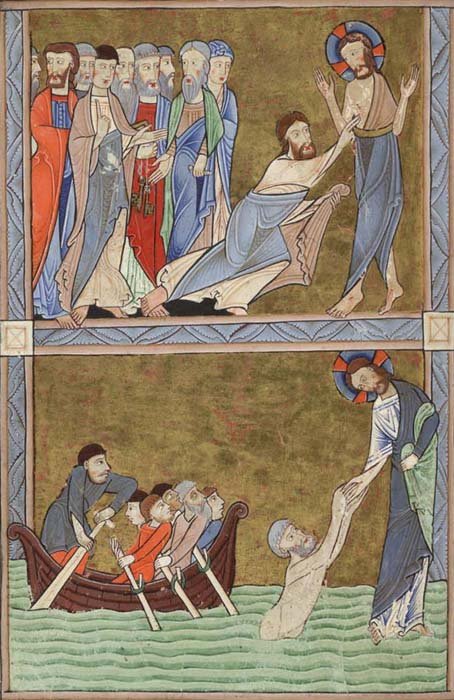
@KalEl144@Tyrese "Whitewashing" during the iconoclastic periods & reformation meant removing images—not lightening skin tones—nor was it a church plot to occult that "Jews were black." Long before the Reformation, Catholic medieval England already had psalters depicting fair-skinned figures.🤭1/3
@KalEl144@Tyrese Those same exact Byzantine traditions—which preserved diverse, brown-toned depictions of Jesus & the disciples—are also what spread into northern Russia. The process of "whitewashing" in the 16th century was the work of the Protestants, who painted over the walls of churches. 2/2
@KalEl144@Tyrese The Renaissance created new art using local models rather than erasing old works. Many frescoes,psalters, statues,& icons survived iconoclasm; furthermore, prominent Greek artists fled in successive waves to Venice, Florence,Rome,&Bari, providing an impetus to the Renaissance.1/2
@ZephaniahTwoOne@KalEl144@Tyrese The image shows John the Grammarian using a pole tipped w/ a sponge to spread quicklime—a caustic substance—over an image,w/ the intention of covering it completely. This is what iconoclasm,or "whitewashing," consists of: the removal of figurative sacred images from public view🤨
@KalEl144@Tyrese Clownzie. Byzantine iconoclasm had zero to do with whitewashing images. It rose because people were breaking the Second Commandment and treating icons as idols. Psalters already depicted Jesus and the Israelites in every skin tone. Race was never the issue.
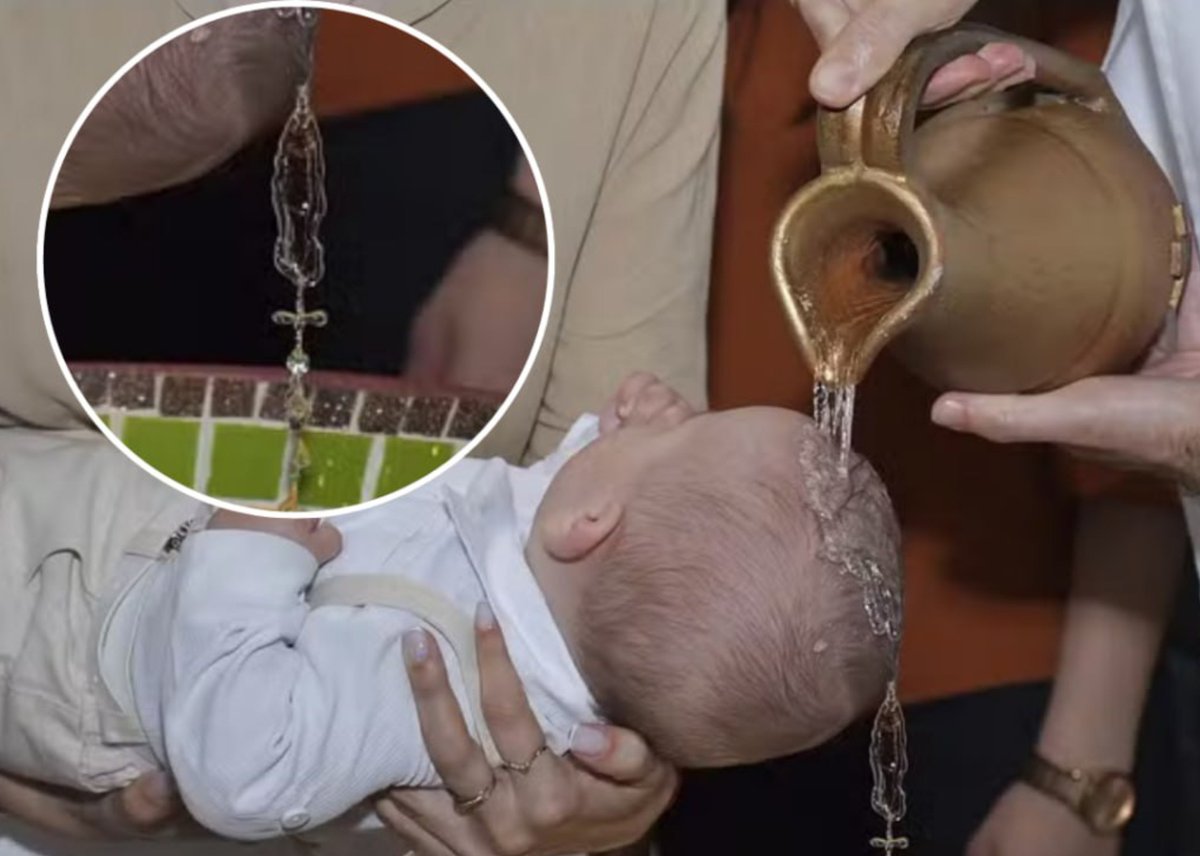
According to the photographers and the brazilian news report from Globo, the image was not digitally manipulated.
The falling droplets appeared to form a chain resembling a Rosary, with a small cross at the bottom.
The unusual formation was only discovered afterward, when the photography team was reviewing the pictures with the family.
Whether the formation was an extraordinary coincidence or something more, the photograph remains incredible.
@BishopNathanyel Your grammar and sentence structure are abysmal. How do you expect to interpret ancient texts when your command of English grammar and syntax is so deficient? In short, the way you express yourself is far from that of an academic—I say this w/ complete frankness. Your time is up.