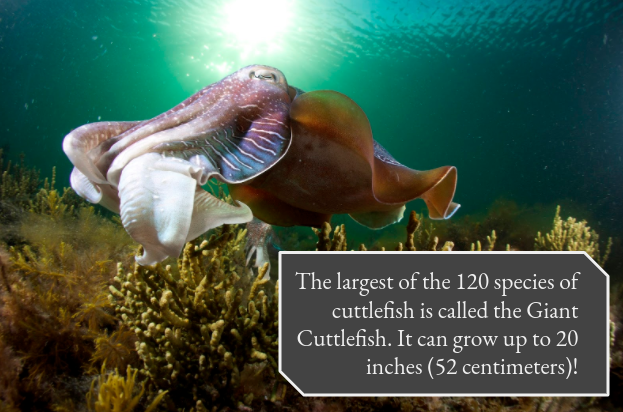
An Australian Giant Cuttlefish putting on a wonderful display at Cabbage Tree Bay Aquatic Reserve this morning. He changed his colour from mottled brown to deep red in the first clip in about 1/3 sec, from counting the number of frames from start to finish of the colour change
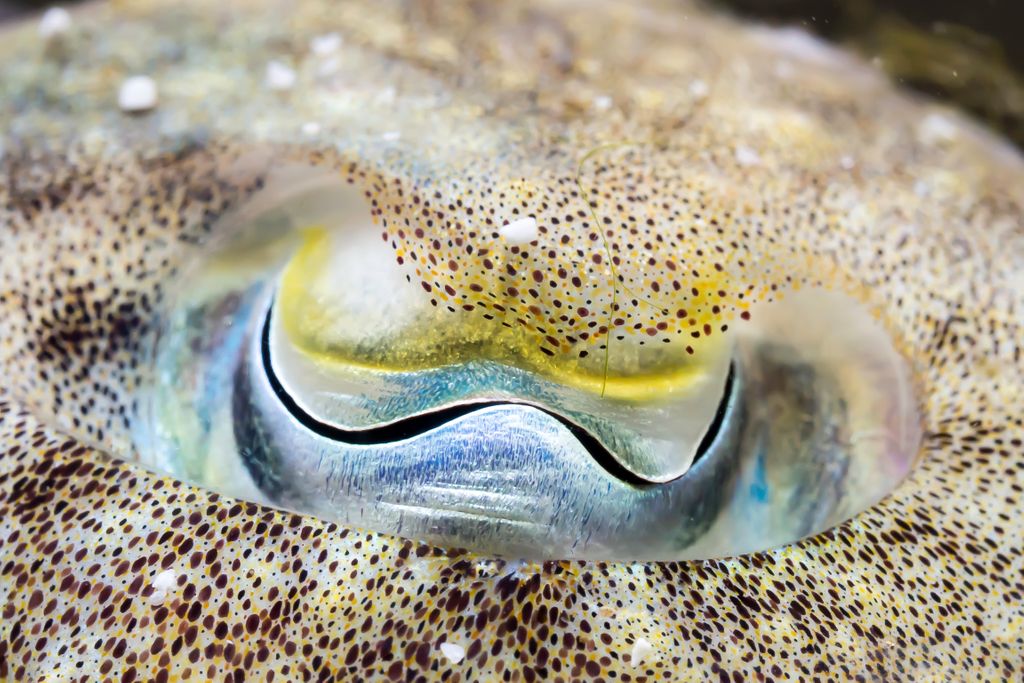
We couldn't help but share one of our most charismatic #research species this #MolluscMonday. This beautiful eye belongs to a cuttlefish, with their distinctly shaped pupils enabling them to see almost completely behind themselves, with no blind spot! 🐙 🐚 🦑
What I should be doing: Literally so many things
What I just did: Excitedly pull together resources because someone asked a question about a cephalopod
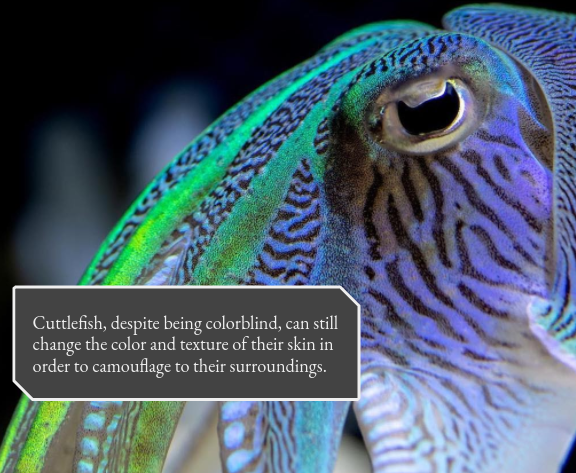
Cuttlefish, despite being colorblind, can still change the color and texture of their skin in order to camouflage to their surroundings.
What is your favorite color?
#cuttlefishfacts#animalfact#cephalopod
Despite its name, the flamboyant cuttlefish isn't very buoyant. Due to its shrunken cuttlebone, this species "walks" along the seafloor rather than swimming.
#AcademicTwitter#animalfact#cuttlefish#cephalopod
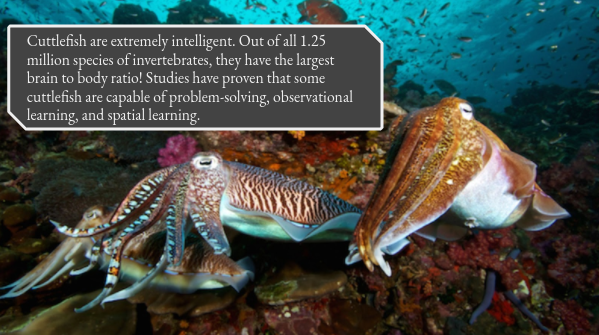
Cuttlefish are extremely intelligent. Out of all 1.25 million species of invertebrates, they have the largest brain to body ratio! Studies have proven that some cuttlefish are capable of problem-solving, observational learning, and spatial learning.
#AcademicTwitter#animalfact
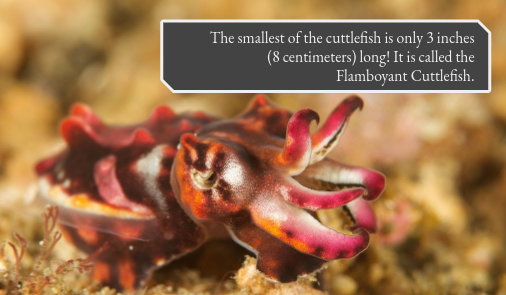
The smallest of the cuttlefish is only 3 inches (8 centimeters) long! It is called the Flamboyant Cuttlefish.
What are some of your favorite cuttlefish facts?
#cuttlefishfacts#animalfact#cephalopod
Cuttlefish control their buoyancy with their cuttlebone, an internal shell. The cuttlefish controls the levels of gas/water in the chambers of the cuttlebone in order to rise/fall in the water.
#cuttlefishfacts#animalfact#cephalopod
The largest of the 120 species of cuttlefish is called the Giant Cuttlefish. It can grow up to 20 inches (52 centimeters)!
What are some of your favorite cuttlefish facts?
#cuttlefishfacts#animalfact#cephalopod