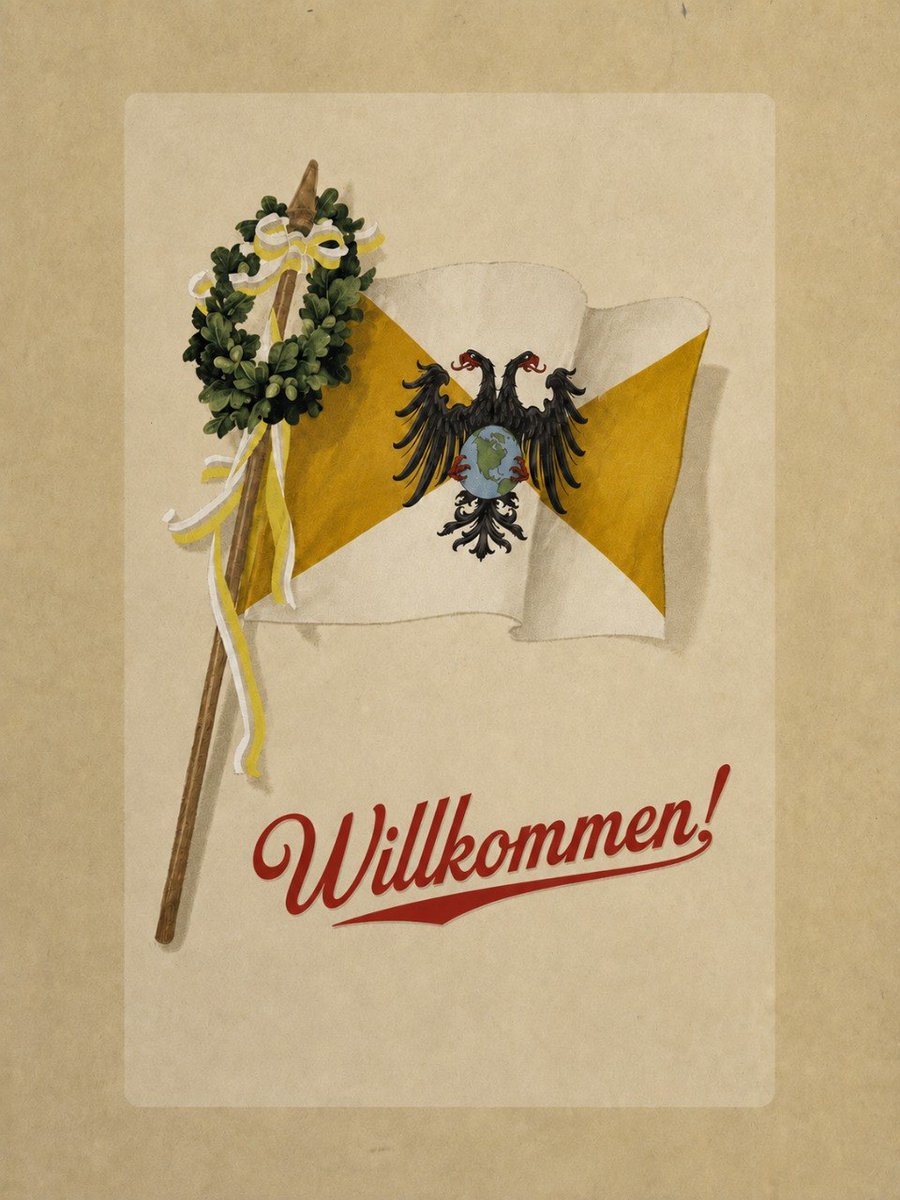
Willkommen beim D.A.K.
We are a non-political cultural club dedicated to preserving and renewing German-American language, history, and culture.
Membership Inquiries: [email protected]
Read our F.O.L.K. Mission Statement & learn more:
https://t.co/okcEjkZOzM
@HomericWigger German-Americans are an integral part of the German diaspora abroad. At the D.A.K., we emphasize a synthesis between German and German-American culture.
In its latest article, Der Kulturbrief traces the history of German Zinnfiguren. From the workshops of Nuremberg, we examine the finely cast and hand-painted miniatures treasured by generations of children and collectors.
Read it here:
https://t.co/mECbj4PvsN
Today's German phrase comes from Oberschwaben in Baden-Württemberg!
„Ma sott nia nia saga!“, an Upper Swabian proverb meaning “One should never say never!”
This phrase is equivalent to the High German „Man sollte niemals nie sagen!“
A Germanic Man in an Oak Landscape by Friedrich Frank.
Set beneath the ancient oaks, the solitary warrior embodies the Germanic past.
The inscription reads: “To be German means to be strong, faithful, and true. To stand for truth, freedom, and justice.”
Today's German phrase comes from Ostfriesland in Niedersachsen!
„Doon deit lehren“, an East Frisian Plattdeutsch proverb meaning "Doing brings learning".
This phrase is equivalent to the High German „Übung macht den Meister.“
This 16th-century map titled 'GERMANIAE TYPVS' depicts the Holy Roman Empire and its neighboring lands.
Cartographer/Publisher: Abraham Ortelius (1527-1598)
Also, was machen wir heute?
Es regnet, also bleiben wir zu Hause.
Stuck indoors during the summer showers? Make the most of it! Join the D.A.K. and start learning German!
Membership Inquiries: [email protected]
This richly detailed façade was created as a concept drawing, part of an architectural competition design for the Architekten-Verein zu Berlin.
Imperial Justice Office and Imperial Chancellery for Alsace-Lorraine, Berlin.
Georg Joachim Wilhelm von Mörner (1878).
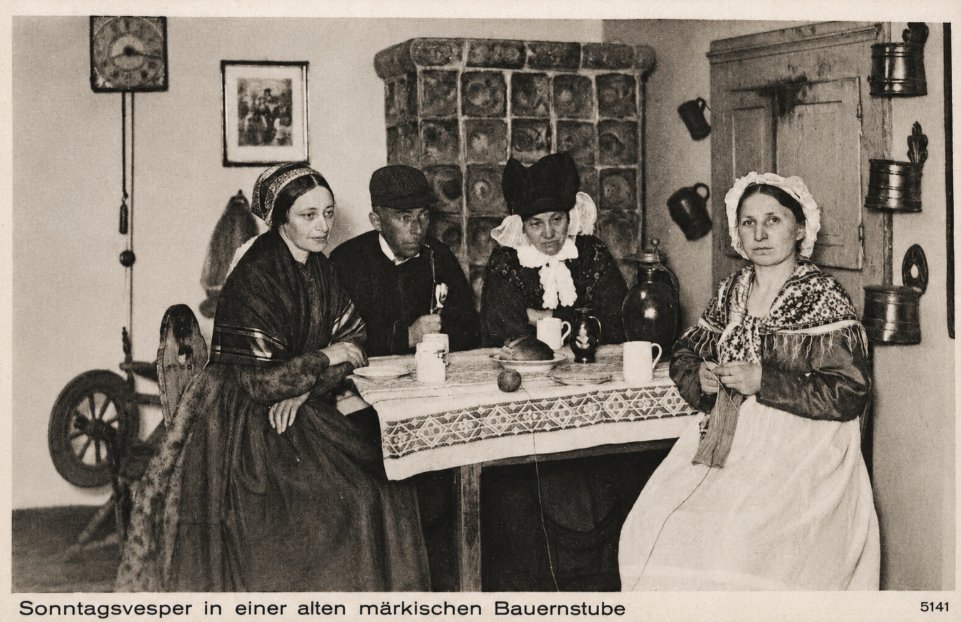
A Sunday vesper in a Brandenburg farmhouse, surrounded by the familiar furnishings of rural life.
German culture was preserved not only in monuments and great events, but in the home.
Willkommen!
For those new to the page, the German-American Catholic Zeitung is a newsletter dedicated to researching the once vast and now vanishing German influence on American Catholic history, culture, and faith.
Gott Segne Sie!
In its latest article, Der Kulturbrief takes a look at the origins of the Pennsylvania Dutch, the history behind their name, and the uniquely German-American language and culture that developed in Colonial Pennsylvania.
View it here:
https://t.co/gPpWhj356v