Arab raids of Sicily started in the AD 660s, when the island was part of the Byzantine Empire, Rome’s successor in the east. In AD 827, the Arab Aghlabid dynasty of North Africa invaded and quickly took control over the west side of the island, but it was not until AD 965 that Muslims had fully conquered Sicily...
On June 16, 827, the Arab conquest of Sicily began with the Aghlabid Arabs, allies of the Abbasid Caliphate, when Mazara del Vallo was successfully conquered. Following their landing on the island, the Arabs were able to weather the subsequent Byzantine counter-attack and hold on to a few fortresses.
With the aid of reinforcements from Ifriqiya and Umayyad Al Andalys, the Arabs took Palermo, which became the capital of the new Arab Muslim province. The Byzantine expeditions struggled against the Abbasids on their eastern frontier and with the Cretan Arabs who arrived from Umayyad Al Andalus in the Aegean Sea.
Under Arab rule, Sicily prospered and eventually detached itself from Ifriqiya to form a semi-independent Emirate. In 909, Sicily passed under the control of the Egyptian Fatimids, another Arab dynasty contemporary to the Abbasids in Iraq and the Umayyads in Al Andalus (Spain and Portugal).
Arab rule in Sicily lasted for roughly two and a half centuries, from the late 9th to the late 11th century. This period saw Palermo flourish as a major cultural and political center, with lasting impacts on Sicilian language, cuisine, and architecture.
The Arab rule in Sicily was not just a political entity, but also a distinct culture and intellectual traditions that influenced the other societies of Europe and North Africa.
It also represents deep roots, stretching back hundreds of years, the legacy of Arabian poets who wandered across the Arabian desert and across the imperial Arab courts of the Levant, Iraq, and Yemen. The Arabic poets of Saqalliya were a natural extension of those ancient masters.
In the thirteenth century, Sicily was the protagonist in a pivotal moment for world literature. At the court of Frederick II, a group of Sicilian poets known as the Scuola Siciliana (the Sicilian School) began writing verse in their own Romance language, the first instance of an organized and cohesive poetic activity in any Italian vernacular.
This early Siculo-Italian lyric was to prove paramount not only for Italian literature but also for Western literature at large: it influenced Dante and Petrarch, as well as humanists and scholars throughout Europe until at least the eighteenth century.
They used their own colloquial language, shaped into a poetics inherited from their Arab-Sicilian forefathers. Such a poetics was governed by one main aim: to shape the habitus of the court, in a way comparable to the trend set by ʿAbbasid poets and scholars in the eighth–ninth centuries. The link between theʿAbbasid court and the court of Frederick II is to be found, of course, in Norman Sicily.
The story of the Sicilian court habitus begins much earlier, with the dawning of the Arabic ode (qasida) in pre-Islamic Arabia. From its earliest attestations, Arabic verse played a fundamental role in promulgating and promoting social affiliations.
📷 : Miniature: The Arab conquest of Syracuse (in 878), a historic city on the Italian island of Sicily
#archaeohistories
قال المؤرّخ الشهير عبد الرحمن الجبرتي - رحمه الله - عن دخول الفرنسيين الأسكندرية عام ١٢١٣هـ: وهي أول سنين الملاحم العظيمة، والحوادث الجسيمة، والنوازل الهائلة، وتضاعف الشرور، وتوالي المحن .. وتتابع الأهوال، وفساد التدبير، وحصول التدمير، وعموم الخراب.
= عجائب الآثار.
حتى تعرف ما هدفهم ومن يقف وراءهم!
لا يسألون: من أين جاء الأتراك إلى الأناضول؟
ولا من أين جاء الهنود إلى الهند؟
ولا من أين جاء الإغريق والرومان إلى جنوب أوروبا؟
ولا من أين جاء الفراعنة إلى مصر؟
ولا من أين جاء البابليون إلى بابل؟
ولا من أين جاء ��لجرمان والسلاف والأنجلوسكسون والإيرلنديون إلى شمال أوروبا!
لا يسألون من أين جاء الروس إلى شمال آسيا،
ولا من أين جاء التتار إلى وسطها،
ولا من أين جاء المغول والصينيون إلى شرقها،
ولا من أين جاء اليابانيون إلى اليابان،
ولا من أين جاء الأفارقة إلى إفريقيا،
ولا من أين جاء الفرس إلى هضبة فارس.
لكنهم وحدهم، عندما يصل الأمر إلى العرب، يبدأون بالأسئلة:
من أين جاء العرب إلى بلاد الرافدين؟
ومن أين جاء العرب إلى الش��م؟
ومن أين جاء العرب إلى مصر؟
ومن أين جاء العرب إلى الصومال وموريتانيا وشمال إفريقيا؟
يتجاهلون أصول كل الأمم، حتى أمة أمريكا الحديثة التي قامت على أنقاض ودماء السكان الأصليين،
لكنهم لا يملّون من البحث في تاريخك أنت،
ولا يتوقفون عن تحليل جيناتك،
ولا يكفون عن التشكيك في حضارتك،
كأنهم يخشون الحقيقة: أنك أصل البشرية ومنبع الحضارة.
يفعلون كل ذلك ليبرروا تبعيتهم للغرب،
وليتستروا على عمالتهم وخيانتهم لأرضهم وأمتهم.
فهم يعلمون أن ما يروجونه لا يرفع شأنهم، بل يكشف دونيتهم وخضوعهم.
لذلك تراهم دائمًا يشككون في أصولك، ولو جئتهم بألف دليل.
يحاولون حصر العرب ف�� جزيرة العرب،
وكل إنجاز عربي يسعون لنسبه إلى الأعاجم،
ولو لم تكن عروبة محمد ﷺ ثابتة بالدليل والبرهان،
لأنكروها و��علوه أعجميًا أيضًا!
كل ذلك لأنهم يعانون عقدةً لن تزول ما لم يتصالحوا مع أنفسهم،
ويكفّوا عن الكذب على التاريخ.
هدفهم واضح: الإسلام والعرب، لأنهما الوعاء الذي حمل رسالة الإسلام ونور الحضارة إلى العالم.
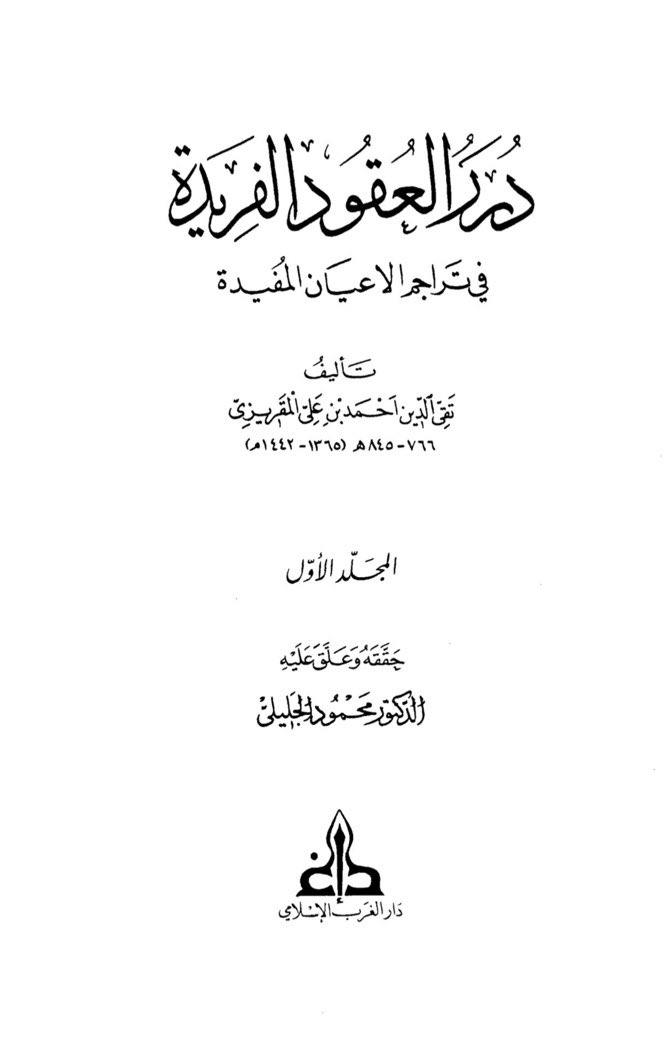
اشكر من قلبي للأخ الذي زودني بهذه المعلومة من احد كتبه ويذكر فيها نسب جدنا الشيخ إسماعيل بن إبراهيم العقيلي الجبرتي للمؤلف المقريزي المتوفي بسنة ٨٤٥ هجرية
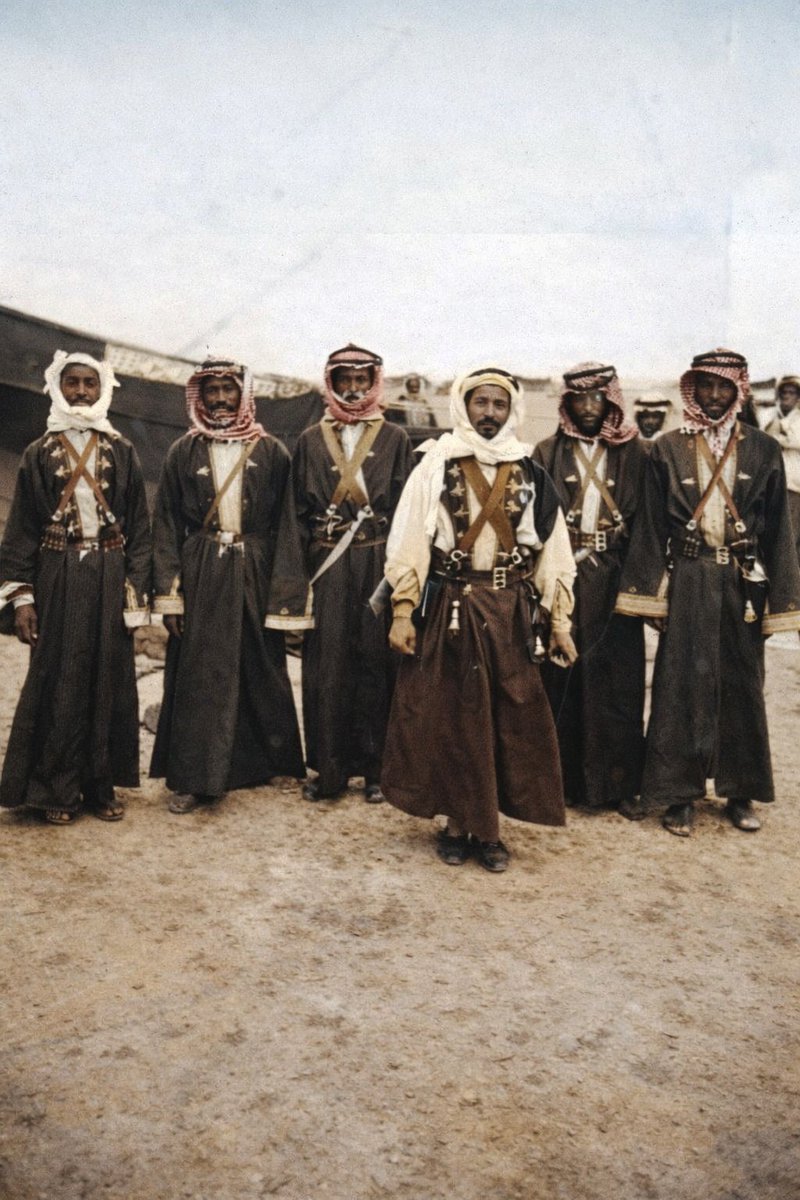
@aljabarti_515 The arabs were a desert people: dark-skinned, curly-haired, shaped by their environment. But today the arabian peninsula is heavily mixed with Europeans and Asians. who came to Arabia through migration, conquests, slavery, etc. When you read the history, you will understand.
@user110342 Pure arabs don't exist today but they were historically described as having curly wavy hair and very very dark skin. Mehris + other southern tribes weren’t originally Arab. They adopted the Arab identity after Islam and due to political changes, pan arabism and so on.