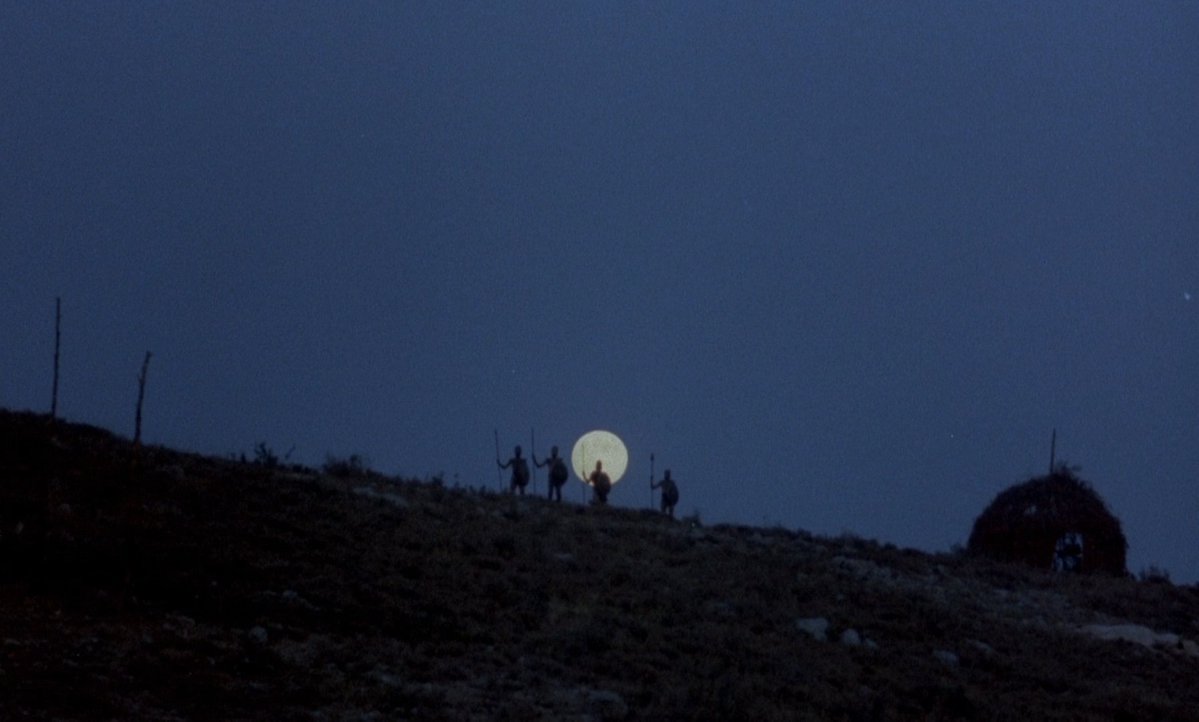
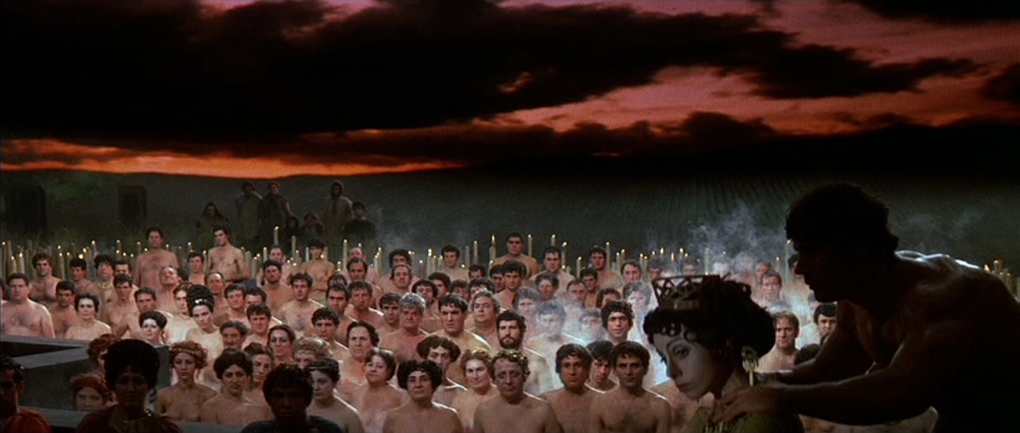
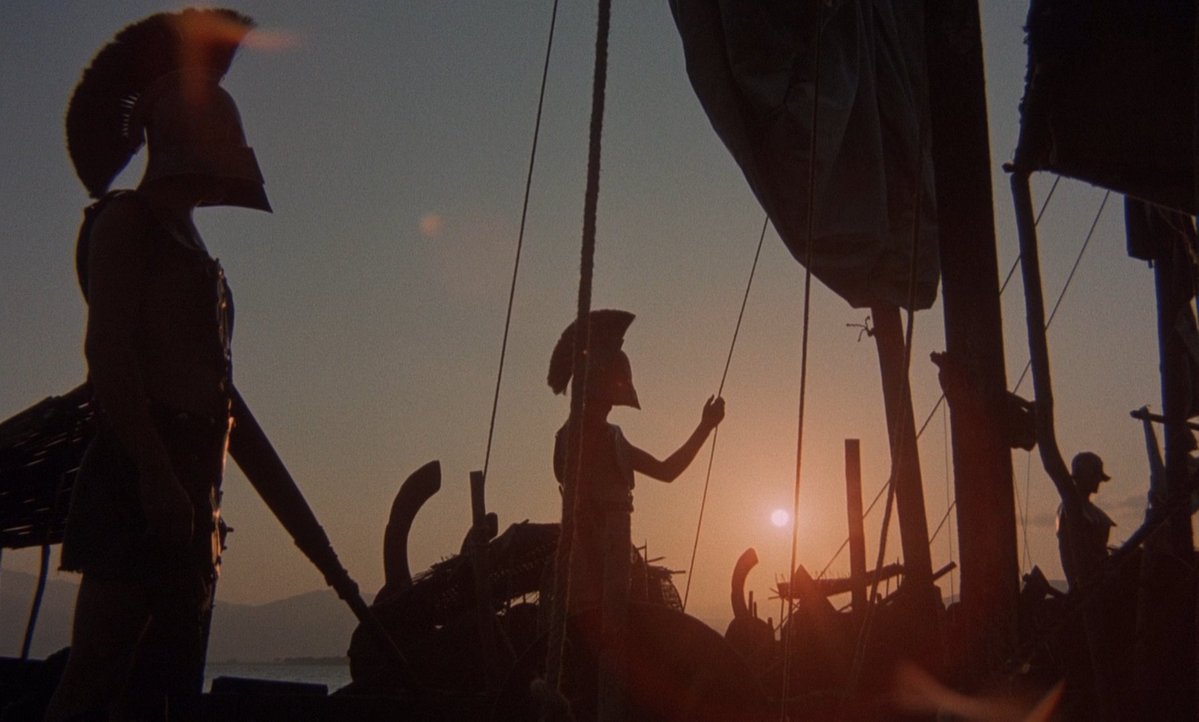
IPHIGENIA (Cacoyannis, 1977)
people get so caught up arguing over american adaptations of greek myths that they don't realize they could just watch a greek adaptation instead (and it'll probably be better)
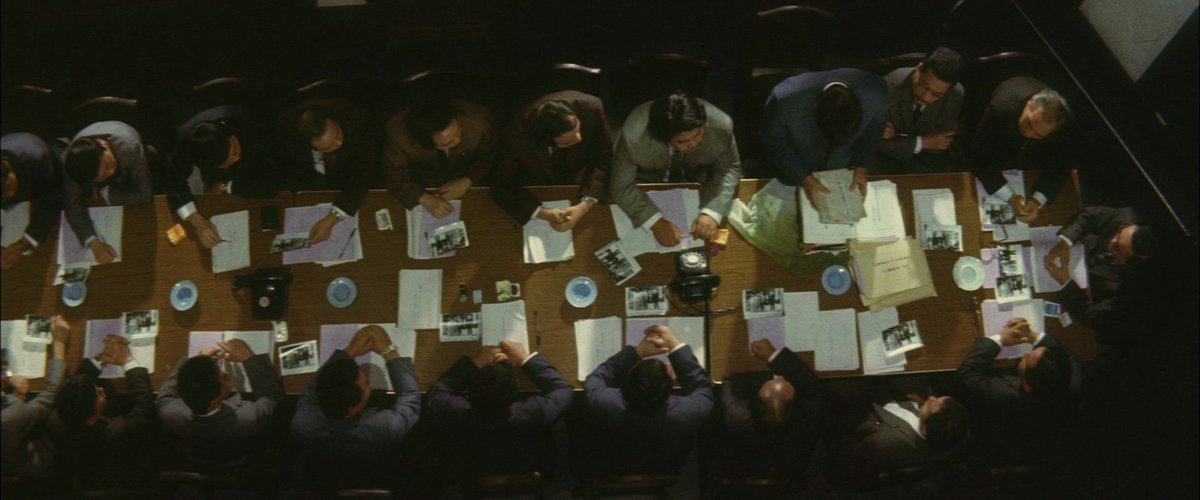
Third entry in my counter-examples to Nolan's Odyssey.
Fellini's Satyricon (1969).
An adaptation of a Roman novel written by Petronius, 1st century AD, fragmentary and unfinished, written under Nero, describing Roman society like a fever dream: corrupt, delirious, fleshy, utterly decadent.
Nolan would have found a dozen clever ways to finish it, logically writing the narrative's missing pieces, packaging the chaos into something contemporary audiences could follow, while treating historical accuracy as something he can use or not. The result I bet would have been an ambitious big film that completely domesticates everything wild about the source.
Fellini did the opposite. He took everything specific about the book and turned it to eleven.
More delirium, more excess, more obscenity, more beauty, more absurdity, more, more, more and more of everything. And the film ends mid-sentence, like the book. Only this time, the unfinishedness is an authorial gesture that makes it even more startling.
Fellini said he treated it like science fiction. By doing so, he freed himself from any obligation of historical fidelity before anyone could ask. He took the Satyricon completely into his own hands to make it what it needed to be.
The choice was obviously not innocent. Fellini thought with good reason that this novel of the first century had something to say to audiences in 1969, and it did.
Nolan did the opposite with the Odyssey: he chose to treat cinema as a reliable translator to bring the story from the past to today's audiences and tell them: these people were just like us, just humans, and you can be a hero in your own life too, and I'm going to make ancient Greece look like a Los Angeles Starbucks to hammer that point.
But the ancients didn't think that way. Not everybody could become a hero. They were excessive, alien, often monstrous, operating by codes we no longer share and can barely imagine.
Fellini was Italian and this Roman story was his cultural inheritance, his to claim, his to make familiar if he wanted to. He chose instead to film it as a violently foreign world, alien in the science fiction sense, and that choice is precisely what lets us in. We recognize ourselves just enough to step inside, stay disoriented enough to actually see them, and we discover people at once so much like us and so little like us.
Anyway, enough about Nolan. Don't miss the opportunity to watch the masterpiece that is Fellini's Satyricon. I can only give you so many screenshots. Experience its madness for real with the beautiful restorations available today. Fair warning though, it's a wild ride, made on purpose to make people uncomfortable on many different levels. You've been warned. But it's worth it!
These 600+ year old sculptures depicting the 64 yoginis were revealed when @sevavardhini volunteers desilted a stepwell in Khamb Pimpri, dist Nagar. We are looking for funding of Rs. 50-70 lakh to restore this beautiful structure. Please share if you know anyone who can help.
@keepwatchin89@Euthenos_ Vasco de Gama lost in sea but with the help of Indian sailors , he reached calicut. At that time they (west)still didn't know how to measure direction in the sea.
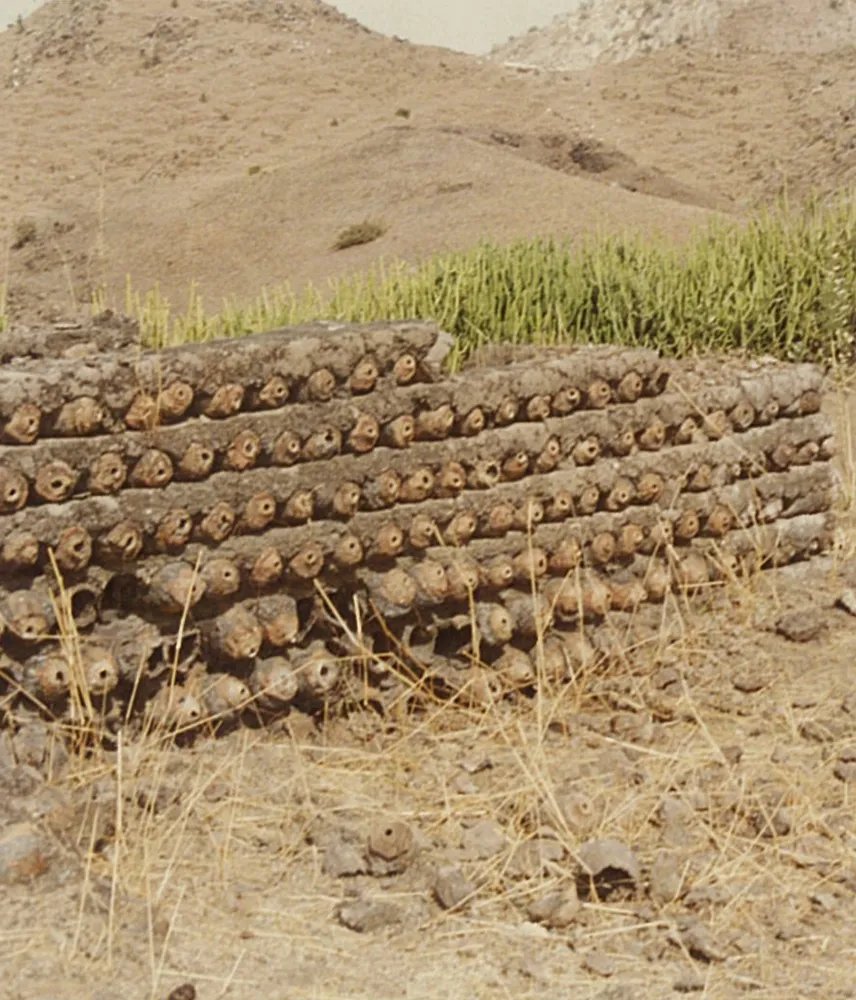
𝟏𝟐𝟎𝟎 𝐁𝐂𝐄. 𝐙𝐚𝐰𝐚𝐫, 𝐑𝐚𝐣𝐚𝐬𝐭𝐡𝐚𝐧.
India was distilling metallic zinc.
Not smelting traces. Not accidental alloys.
𝐏𝐮𝐫𝐞 𝐳𝐢𝐧𝐜. 𝐃𝐢𝐬𝐭𝐢𝐥𝐥𝐞𝐝 𝐚𝐭 𝟗𝟎𝟎°𝐂+.
A process Europe wouldn't crack until 1746 CE.
𝐓𝐡𝐚𝐭'𝐬 𝐚 𝟐,𝟗𝟎𝟎-𝐲𝐞𝐚𝐫 𝐠𝐚𝐩.
We have:
• Stone Age
• Bronze Age
• Iron Age
All named by Europeans. All centered on their timeline.
But no Zinc Age.
Because the civilization that mastered it first wasn't writing the textbooks.
So instead, you learned about European blacksmiths and Renaissance metallurgy.
Meanwhile, Zawar's retorts and furnaces sat in archaeological reports - 𝐫𝐞𝐚𝐝 𝐛𝐲 𝐧𝐨 𝐨𝐧𝐞.
This isn't about pride.
It's about taxonomy.
𝐖𝐡𝐨 𝐝𝐞𝐜𝐢𝐝𝐞𝐬 𝐰𝐡𝐢𝐜𝐡 𝐚𝐜𝐡𝐢𝐞𝐯𝐞𝐦𝐞𝐧𝐭𝐬 𝐝𝐞𝐟𝐢𝐧𝐞 𝐚𝐧 𝐞𝐫𝐚?
And whose innovations get buried in footnotes marked "local tradition"? 🏺
Women’s right to Upanayana ✨
This sculpture was discovered in Peshawar and dates back to the 2nd century BCE. As you can see, the figure—depicted as a goddess—is wearing a yajnopavita (sacred thread).
This shows that women also had the right to Upanayana in Ancient India.