NIHR’s latest e-learning module will help you uncover a range of influencing tactics, understand your influencing style and build an influencing toolkit.
Available to health and care researchers, the 40-minute course explores ways to engage people or groups and find strategies for overcoming influencing blockers.
Log in or register on NIHR Learn to find out more: https://t.co/WniaGWkA9a
This morning we published our key recommendations to the government to support the development of the 10 Year Health Plan and the need for transformational shifts in how health and care services are planned, delivered and accessed. Read the full piece. https://t.co/155NW3kjXd
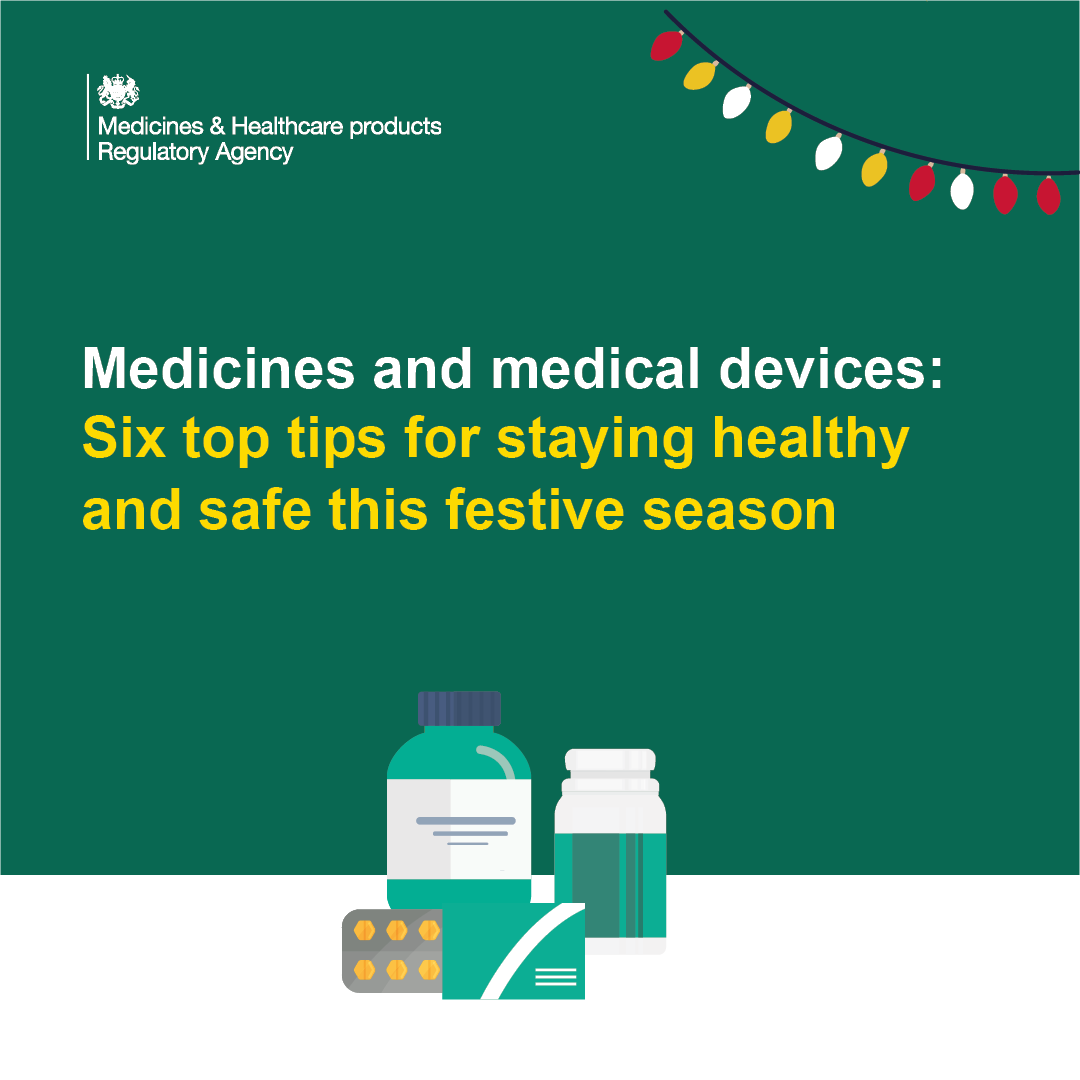
❄️☃️ Our six top tips for the festive season
As everyone usually has enough on their plate at this time of year (in more ways than one), we will be sharing our six top tips to help you stay healthy and safe through the festive season and beyond ➡️ https://t.co/rlHrCTMZL1
❄️☃️ Festive tip: Know which medicines interact with food and drink #MHRAFestiveSznTips
Read the advice on how to understand in advance which food and drink can interact with your medicines, altering their effects or increasing the risk of side effects: https://t.co/rlHrCTMZL1
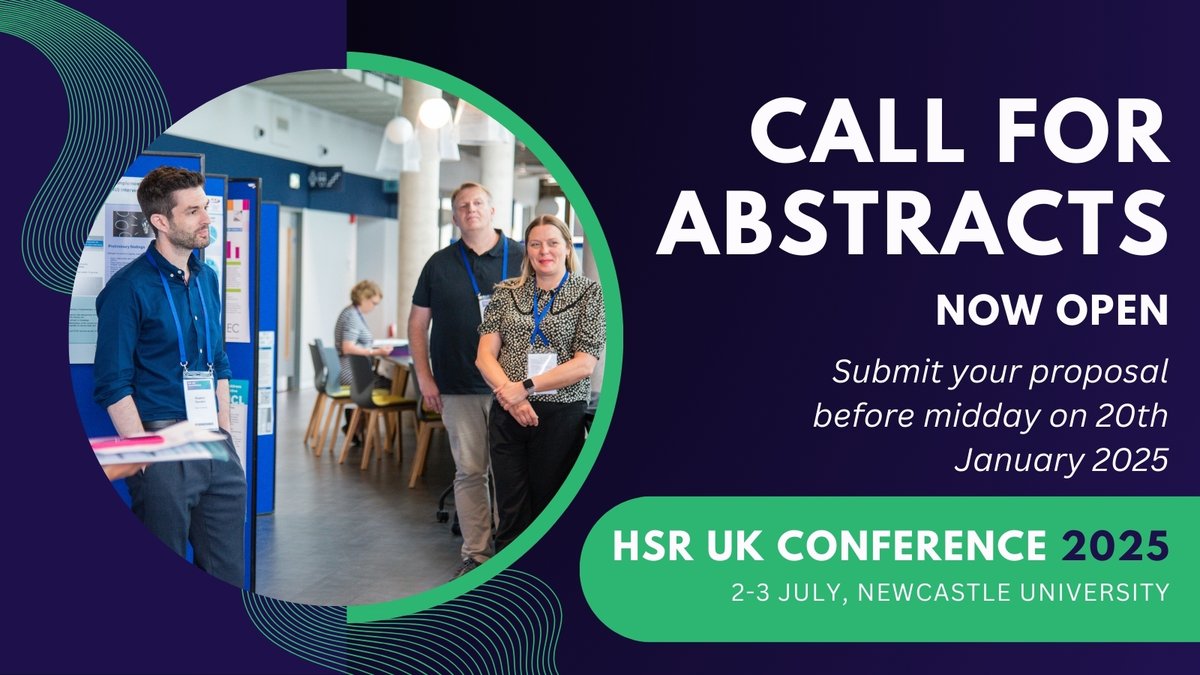
📢 Submit your abstracts for #HSRUK25! Don’t miss this chance to contribute to our engaging, innovative and friendly conference. Submit early!
Apply here: https://t.co/B4Os6ppLzG
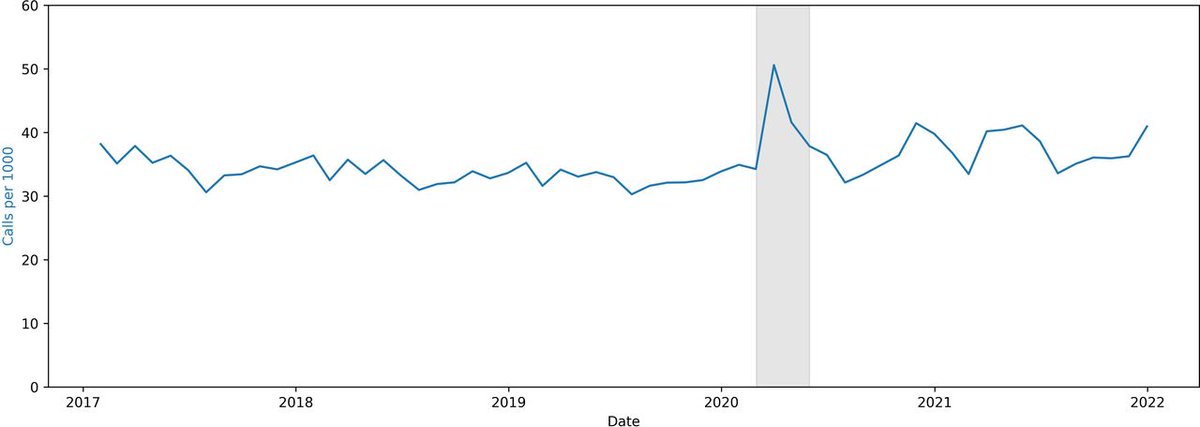
What was the impact of the COVID-19 pandemic on the use of telehealth services? Read the new national retrospective observational study on use of the National Telehealth Service for triage and referral in Sweden https://t.co/GkCbbo5TbO
Despite incredible advances made in the treatment of #HIV, there is still far too much stigma and misinformation surrounding the subject.
Here are five facts about HIV which are vital to understanding this #WorldAIDSDay#UequalsU#CantPassItOn
Treating over a million people a day in England, the NHS touches all of our lives. That’s why we want to hear from you on how to improve.
We want to have the biggest ever conversation about the future of the NHS.
Have your say. ➡️ https://t.co/bm6WSqEupu
Telehealth service use and quality of care among US adults with diabetes: A cross-sectional study of the 2022 health information national trends survey https://t.co/TIMuKxWCqR
🚨 Final call for abstracts for our Tackling Health Inequalities competition.
We’ve extended the deadline until Sunday 1 December for abstracts showcasing work towards reducing health inequalities.
Find out how to enter: https://t.co/QPWmX9l22Q
I'm delighted to invite colleagues across the system working to #narrowthegap of #healthcareinequalities to our free webinar where we will be launching the Making Every Contact Count (MECC) 'How to Guide' for Acute hospital settings. Please register here: https://t.co/aWL2OCGYiw
📢Calling all postdoctoral researchers in clinical, applied health and social care!
The NIHR Advanced Fellowship covers salary, project costs, & training. Plus, clinical applicants can dedicate 40% of time to service/development. Flexible from 2 to 5 years WTE.
This round offers joint fellowships with @mssocietyuk, @mssociety, @eyecharity, @mndassoc, @RosetreesT and #ColtFoundation.
Check your eligibility and apply👉https://t.co/0MsdrtSnfU
We have decades of research evidence about how change happens in organisations & systems. Yet mostly, we don't use this knowledge in practice. The biggest misconception is that once people understand change, they'll embrace it (almost never true). 4 principles that should inform our change efforts:
1) Transformational ideas typically come from outside the community & incur resistance: We build attachments to ideas, people & ways of working - when those attachments are threatened, we tend to act out in ways that don’t reflect our best selves
2) Transformations follow an “S curve” pattern: Innovations take hold slowly amongst a group of enthusiasts, then hit an inflection point at 10%-20% participation, then accelerate exponentially - it's why we should concentrate on building the 10-20% through enthusiasts rather than getting everyone on board with the change
3) There is a common, persistent “KAP-gap”: (the difference between what we say & what we do) - it's because we only change our views/practice when the people around us do & it's why we need to shape networks rather than opinions
4) Transformational ideas are propagated socially: It's not the mode of communication or even the individual influence of early adopters but the structure of the network that determines how fast and far an idea travels
https://t.co/Wgwo3KOwzG. By @digitaltonto.
NIHR-funded research into a low-cost drug to control trauma bleeding has led to a worldwide change in practice and continues to drive wider use. The drug is estimated to save around 400 lives in the UK and over 100,000 lives worldwide every year.
Read our latest #NIHRMakingADifference story https://t.co/RQxAzWlIWF
@LSHTM@CTU_LSHTM@DHSCgovuk
Applications are now open for our 2025 Graduate Student Summer Associate Program, a paid internship that pairs students with RAND mentors to collaborate on research projects.
🗓️ Apply by December 2. https://t.co/6Od95wkb0H
Our next @NIHRResearch evaluation will explore how offering a digital version of the NHS Health Check could support wider access to help prevent serious health problems. #NHSHealthCheck#DigitalHealthCare
@OxPrimaryCare & @RANDEurope have launched an @NIHRresearch evaluation to define good practice in the implementation and scale up of monitoring technology to support people with health and social care needs to live in their own homes for longer #smarthomes#proactivetelecare
📢📢Data collection is starting soon for the @UniofOxford@OxPrimaryCare@RANDCorporation DECIDE Centre evaluation of remote monitoring tech for #COPD. We are collaborating with the @NHSEngland LungHealth@home team to support winter pressures planning in the #NHS. Stay tuned!