An afternoon with AI can leave you with a pitch deck, a launch plan, and the strange feeling that your business has already been validated.
Meanwhile, nobody outside the chat has been asked to pay.
That's a trap I'd worry about as a founder. The pitch gets sharper. Your confidence goes up. The evidence may not have changed at all. Even asking the model to play the skeptic keeps the debate inside the same window.
At some point, someone who doesn't care about your idea has to decide whether they need it.
Juicero, 2016. Design 68. Market 20.
KMSWERK scores 12,877 products twice: once for design, once for market. Among the first 714 with a known outcome, the two correlated at 0.14.
That finding became the brand: one sign, ≠.
Identity, site, product: https://t.co/3Q9pvKFQB6
An idea you haven’t committed to never has a bad week. The project you’re actually building has awkward conversations, unfinished work and bills. The five alternatives in your head have none of that yet. They get to remain brilliant.
That’s what makes “keeping my options open” tricky. You can end up judging the thing you’re doing against versions of other things that haven’t met reality.
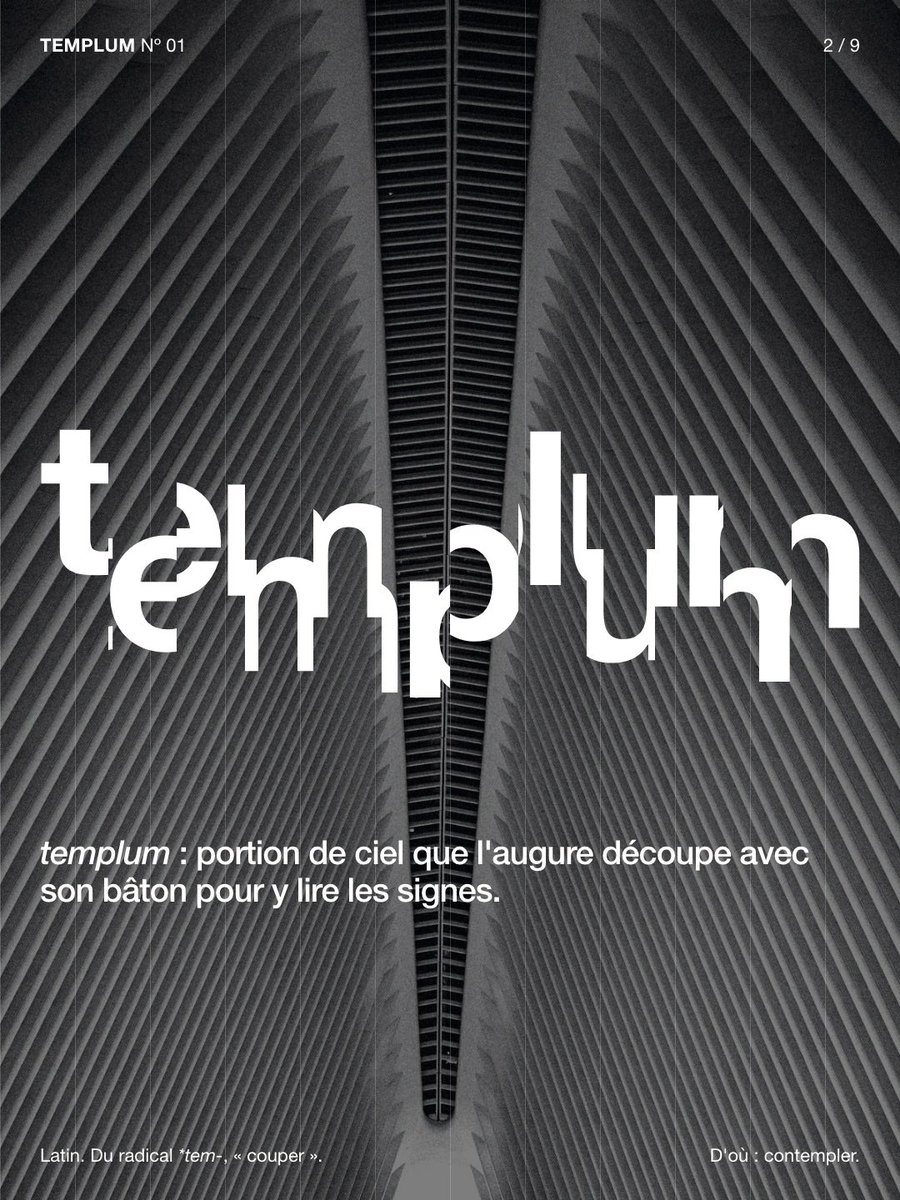
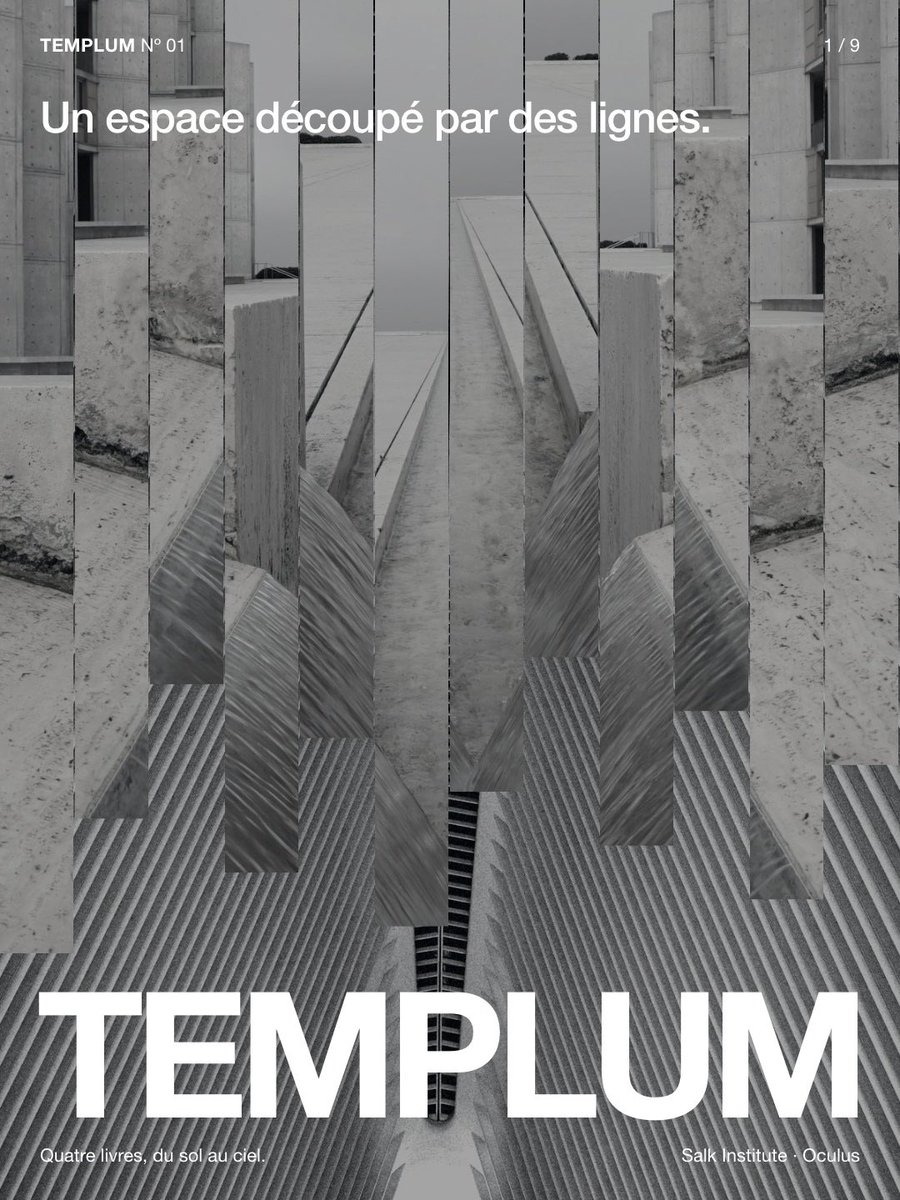
Templum Nº 01. A website in four books, from the ground to the sky. Every photograph is cut into strips that open the way the picture runs, and the type grows lighter book by book. One HTML file, no framework. https://t.co/TdIdJ31oIn @codrops
Fuck “warm, human-centric design.” Fuck emotional pampering and cheap eye candy.
The beauty I obsess over is a cold-blooded suppression of a chaotic world through absolute rationality and mathematical order.
Design isn’t a crib to soothe adult babies; it’s a tempered industrial scalpel. True peak design bleeds the violence of Brutalism and Bauhaus: razor-sharp 1px drafting lines slicing through disorder; unforgiving Swiss grids locking every data point onto absolute coordinates; monospace type slamming down like a heavy-tonnage hydraulic press. Exposed screws, assembly tolerances, PCB traces, dot-matrix silkscreens, and milled aluminum chamfers hitting your retina unmasked. Zero rounded corners. Zero diffuse drop shadows. Zero visual padding meant to coddle mediocrity—because it naturally assumes the mind across from it demands extreme bandwidth and absolute control.
This isn’t an aesthetic compromise. It’s cognitive dominance. It strips away every layer of hypocritical polish, ripping open the mechanical skeleton and bare-metal logic to present them without apology. Peak aesthetic always bears thorns and unapologetic arrogance: cold, precise, hard, and high signal-to-noise. In sheer restrained silence, it detonates a godlike rush of pure order—physically severing the feed from bloated digital trash and emotional noise.
Hey @Microsoft , I will give you an idea to do layoffs.
1. Open youtube... Search "Day in life of a Microsoft Engineer".
2. You will get list of people who only eat but do not work in office.
3. Layoff them
“Friday won’t happen” is a much more useful sentence on Tuesday than on Friday afternoon.
I respect people who tell you early. There’s still time to cut the scope, move a deadline, ask for help. Keeping the update to yourself because you hope to fix it first can leave everyone else making plans around something you already doubt.
The uncomfortable part is that being honest makes you look less capable for a moment. But I’d rather work with someone who lets me plan around the truth than someone who keeps me reassured until the options are gone.
@ItsAndyTaylor That phrase is sticking with me. The confidence rises while the evidence stays the same. Easy to mistake sharper language for better judgment when the downside is the whole company.
An afternoon with AI can leave you with a pitch deck, a launch plan, and the strange feeling that your business has already been validated.
Meanwhile, nobody outside the chat has been asked to pay.
That's a trap I'd worry about as a founder. The pitch gets sharper. Your confidence goes up. The evidence may not have changed at all. Even asking the model to play the skeptic keeps the debate inside the same window.
At some point, someone who doesn't care about your idea has to decide whether they need it.
Yes. AI is excellent at making the simulation feel more rigorous, which is exactly what makes it dangerous. The pitch gets cleaner, the objections get answered, and nothing outside the chat has actually changed. Still trying to treat real customer conversations as the only non-negotiable step.
@JRSecureDesign Exactly. One paying customer collapses a lot of the uncertainty that a polished deck never will. I’ve been trying to force that step earlier, even when the deck still feels incomplete.
I've been tired lately. Building a company is hard, and wanting it badly doesn't make it any less exhausting.
You keep making decisions before knowing whether the last ones were right. You can give something everything you have and still not know if it will work. That uncertainty takes a lot out of a person.
I wish we talked about the hard parts before we had a success story to wrap around them. While things are still unresolved, and the effort hasn't become something you can call “worth it.”
I don't have a lesson today. I'm tired, and I really want this to work.
Likes aren’t orders.
For indie brands, deciding how much to produce is often harder than designing the product.
At MakeBook, we’re exploring how to validate demand before production.
Founders: what’s your biggest preorder challenge—demand, cash flow, or trust?
#MakeBook #designer #onchain
Your product. Your price.
In MAKEBOOK’s fixed-price presales, brands set the unit price, minimum order quantity and deadline.
Buyers see those terms before paying. After the deadline, paid orders determine whether the batch meets its minimum and clears.
You keep control of pricing, with real purchase commitments to guide production.
Google can lose a model comparison and still keep the customer.
OpenAI models are coming to Google Cloud, starting with a private preview. Enterprise customers can buy them using existing Google Cloud spending commitments, on the same bill.
That's the business move I find interesting: choosing OpenAI can mean spending more with Google.
We spend a lot of time asking whose model wins. Google is making sure it can still send the invoice.