The gut microbiome, a community of trillions of microbes living in the human intestines, has an increasing reputation for affecting not only #guthealth but also the health of organs distant from the #gut. Especially for gut resident bacteria #Lreuteri.
In a new study, they induced mild, acute sleep deprivation in mice. Not only did #dopamine release increase during the acute #sleep loss period, synaptic plasticity also was enhanced -- literally rewiring the #brain to maintain the bubbly mood for the next few days.
Most people who have pulled an all-nighter are all too familiar with that '#tired and #wired' feeling. Although the body is physically exhausted, the #brain feels slap-#happy, loopy and almost giddy. Now, neurobiologists have uncovered what produces this punch-drunk effect.
reduced through an intervention called #Rumination-focused #CognitiveBehavioralTherapy (#RFCBT). In addition, the use of fMRI technology allowed researchers to observe correlated shifts in the brain connectivity associated with #overthinking.
A new study from The Ohio State University Wexner Medical Center and College of Medicine, University of Utah and University of Exeter (UK) substantiates previous groundbreaking research that #rumination (#overthinking) can be
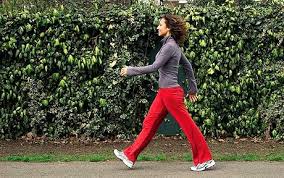
8,000 steps a day to reduce the risk of premature #death
https://t.co/l2EGDrzi0R
An international study has identified for the first time the optimal number of #steps at which most people obtain the greatest benefits, the pace at which you #walk provides additional benefits.
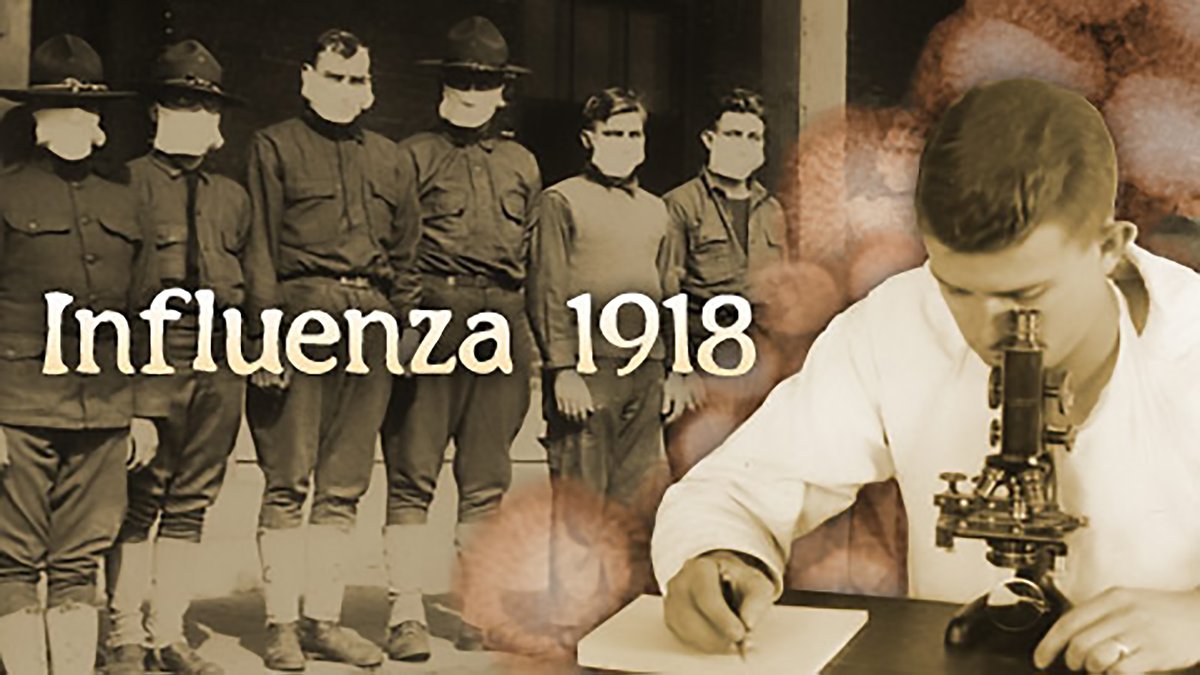
4/4 Researchers at McMaster University & the University of Colorado Boulder who analyzed victims' age of death and studied lesions on victims' bones report that the most susceptible to dying of the flu had exhibited signs of previous environmental, social and nutritional stress.
1/4 Evidence from the remains of #1918flupandemic victims contradicts long-held belief that healthy young adults were particularly vulnerable
https://t.co/Na0iSUkbeQ
3/4 Because so many people fell ill so quickly, Drs at the time believed the healthy were as likely to die from the flu as those who had already been sick or frail. Despite numerous historical accounts, it turns out there is no concrete scientific evidence to support that belief.
As little as 1% reduction in deep sleep per year for people over 60 years of age translates into a 27% increased risk of dementia according to a study which suggests that enhancing or maintaining #deepsleep, also known as slow wave sleep, in older years could stave off #dementia.
Improving #deepsleep may prevent #dementia, study finds
1% reduction in deep #sleep per year for people 60+ translates into a 27% increased risk of dementia
https://t.co/ug9DhL4oOY
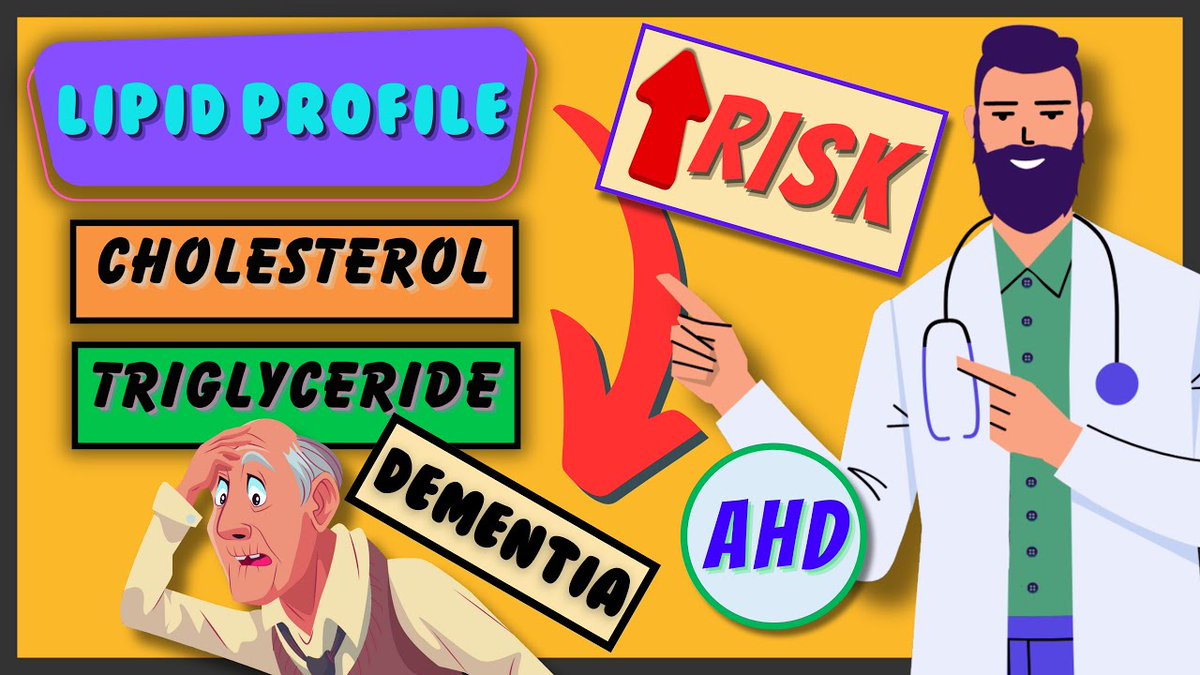
Higher levels of #triglycerides linked to lower risk of #dementia
https://t.co/JYrV3g6MLZ
Older people who have higher levels of triglycerides, a type of #fat, may have a lower risk of dementia and a slower #cognitivedecline over time
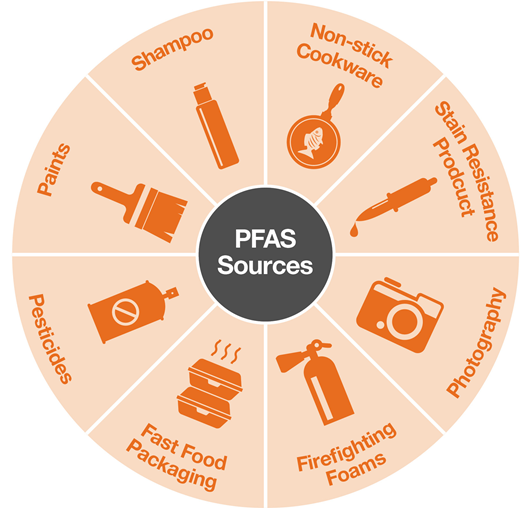
Certain per- and #polyfluoroalkyl '#ForeverChemicals' identified as potential risk factor for #thyroidcancer
https://t.co/Li6eKpDKrf
Researchers have discovered a link between certain per- and polyfluoroalkyl substances (#PFAS) and an increased risk for #thyroid#cancer
In a randomized controlled clinical trial of adults with moderate-to-severe depression, those who participated in #heatedyoga sessions experienced significantly greater reductions in #depressive symptoms compared with a control group. #HotYoga
Heated #yoga may reduce #depression symptoms, according to recent clinical trial
Findings suggest that sessions of just once a week may provide benefits
https://t.co/qGnML6XNOR