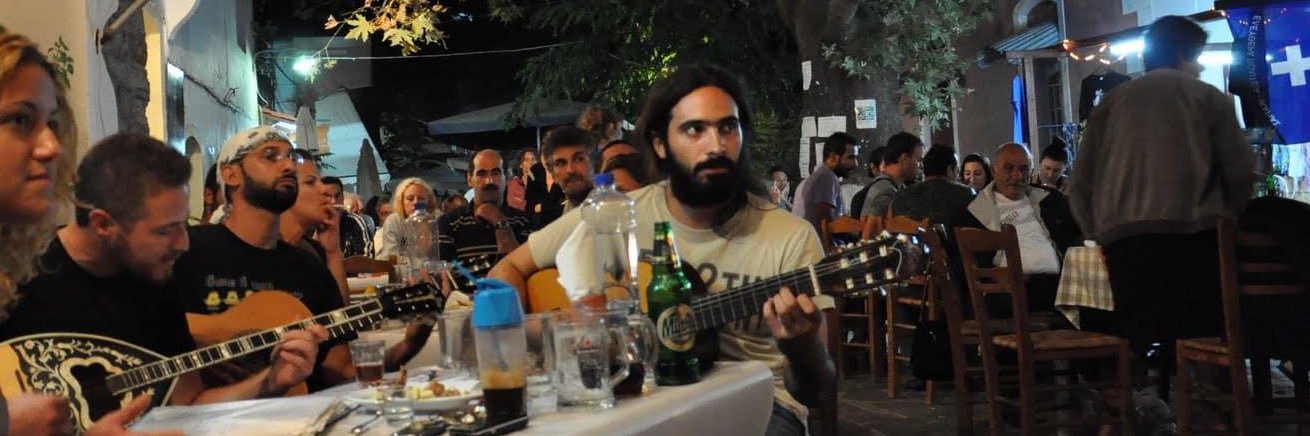
In Istanbul, some friends were singing an old Turkish song “Aman Doktor” in a restaurant.
A Greek man walks up to the table and starts singing the same song in Greek (Greeks and Turks share many old folk songs)
At the end The 2 men showed great respect to eachother🇹🇷🇬🇷❤️
wow
If casting non-Greeks in an ancient Greek story, these are the peoples Greek authors did and did not consistently describe as physically distinct from Greeks.
🔴 Consistently described as physically distinct
🟢 No inherited physical distinction described
⚪ Insufficient evidence
Both populations would have differed somewhat from their modern descendants. Also this was before the Slavic migrations into Greece, before the Arab conquest of Egypt, and before many later demographic changes under successive empires. That said, both ancient Greeks and ancient Egyptians were internally diverse. Ancient Greek authors did describe Egyptians as generally darker than Greeks, particularly in skin color, but they also recognized considerable variation within both populations. The blondest Greek and the darkest Egyptian would have looked very different, yet there was likely substantial overlap among many individuals in between.
As Greek literature suggests, immediate neighbors were generally not described as physically distinct enough to warrant consistent descriptions of inherited physical features, unlike Ethiopians (described as dark) or Celts (described as pale).
This is not because Greek authors never described the appearance of individuals from these peoples. They did. The point is that they did not attribute a distinctive inherited physical type to those ethnic groups. Instead, they overwhelmingly distinguished Italians, Persians, Levantines, Armenians, Assyrians, and many Anatolian peoples by their language, customs, religion, dress, and political identity rather than by inherited physical features.
For that reason, modern American racial politics should not use ancient Greek ethnography as a proxy for black vs white debates. Greek literature does not divide the ancient Mediterranean in the way modern racial categories do.