DIPLOMICS is a network of service labs in genomics, proteomics & metabolomics and bioinformatics, connecting researchers with world class omics facilities
🧬🍓 Science, genetics, and a little detective work!
This week, 28 Life Sciences teachers from across KwaZulu-Natal joined us at KRISP for a day of hands-on genomics learning. From extracting DNA from strawberries to solving a genetics-based forensic case, teachers experienced fun, practical activities that bring Life Sciences concepts to life.
The workshop explored how genomics is used in public health and disease surveillance, while also opening conversations about exciting career opportunities in the life sciences. Most importantly, it gave teachers new ideas and affordable activities to take back to their classrooms and inspire future scientists.
A huge thank you to the UKZN Science Centre, KRISP, and all the passionate educators who joined us. Together, we're helping make science more accessible, engaging, and relevant for learners across KZN! 🔬✨
#DIPLOMICSIgnite #ScienceOutreach #STEMEducation #LifeSciences #Genomics #TeacherDevelopment #FutureScientists #KRISP #UKZN
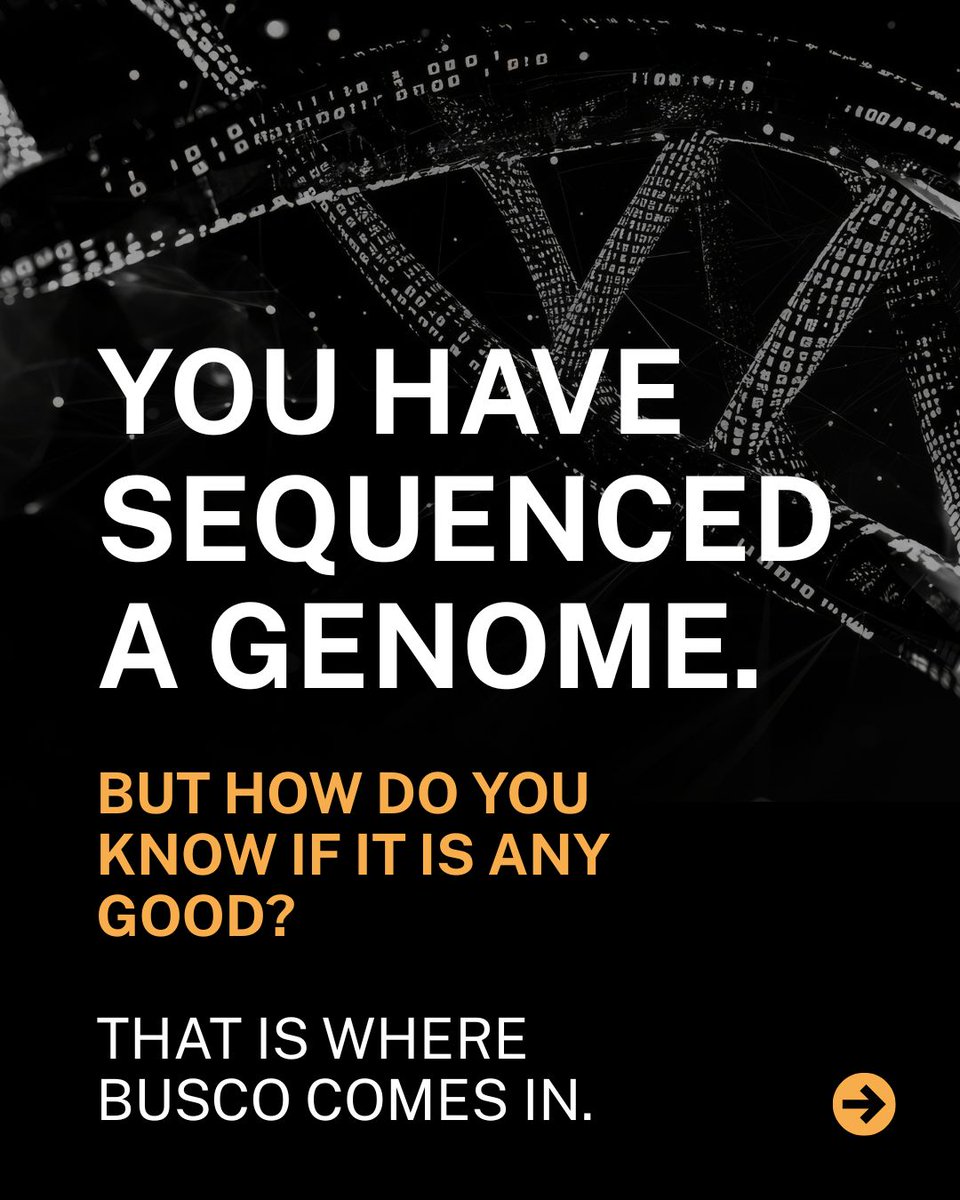
Sequencing a genome is one step. Knowing whether that sequence is reliable is another.
BUSCO scores measure genome assembly completeness by checking for the presence of genes expected to appear across a given group of organisms. A high score indicates a well-assembled genome. A low score flags gaps that could affect downstream research.
Publishing BUSCO scores alongside genome data is standard practice in quality genomics work. It tells other researchers exactly what they are working with before they build on it.
#Genomics #BUSCO #GenomeAssembly
This Youth Day, we asked some of the senior scientists behind DIPLOMICS what advice they would give to young people considering a career in science.
The message was clear. Curiosity is where good science begins. Not only qualifications, not just the equipment, not certainty. The willingness to ask a question and follow it somewhere unexpected is what drives discovery forward.
South Africa needs the next generation of scientists to be exactly that, curious, questioning, and unafraid to explore.
Follow us and visit https://t.co/fCJkDOrPXh to find out more about what we do.
#YouthDay #SouthAfricanScience
Healthy ecosystems do not fail silently.
The signs are there, in the soil microbiome, in the gene expression of stressed plants or in the population genetics of a declining species. The challenge has always been reading those signals before it is too late.
Genomics, metagenomics, transcriptomics, and environmental DNA analysis are changing that. Where traditional monitoring tells us a species is present or absent, Omics tools tell us whether populations are genetically resilient, whether microbial communities are functioning, and whether ecosystems are under stress long before visible decline sets in.
This World Environment Day, we are thinking about science as a listening tool, one that gives the environment a way to communicate what we might otherwise miss.
#WorldEnvironmentDay #OmicsScience #DIPLOMICS #1KSA
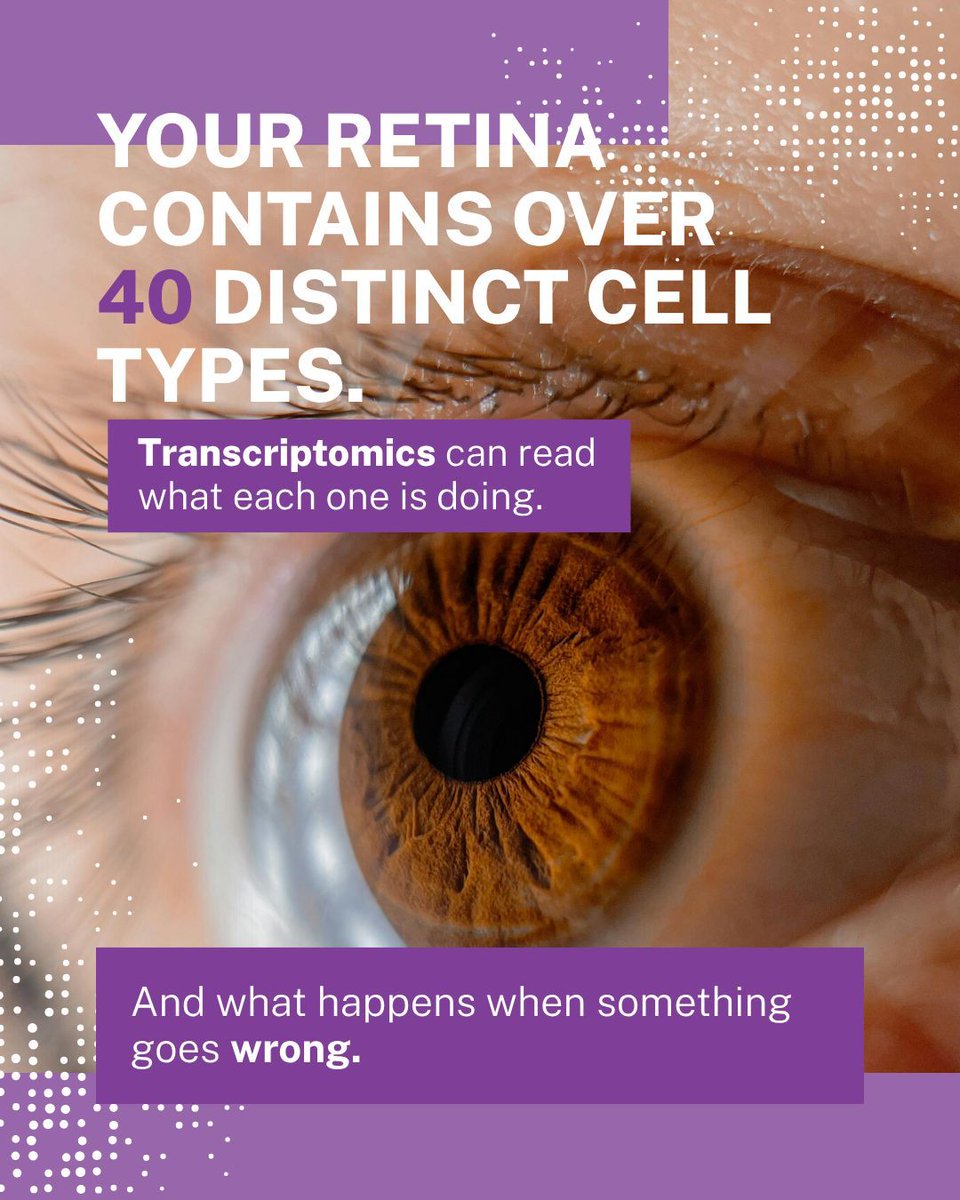
The retina is roughly the size of a postage stamp, contains over 40 distinct cell types, and is an important tissue in transcriptomics research. Understanding which genes are active in which retinal cells - and what changes when disease sets in - is opening new frontiers in the treatment of conditions like macular degeneration, glaucoma, and retinitis pigmentosa.
This Vision Research Month, we are celebrating the role of Omics science in pushing the boundaries of what eye research can tell us.
#VisionResearchMonth #Transcriptomics #RetinalResearch
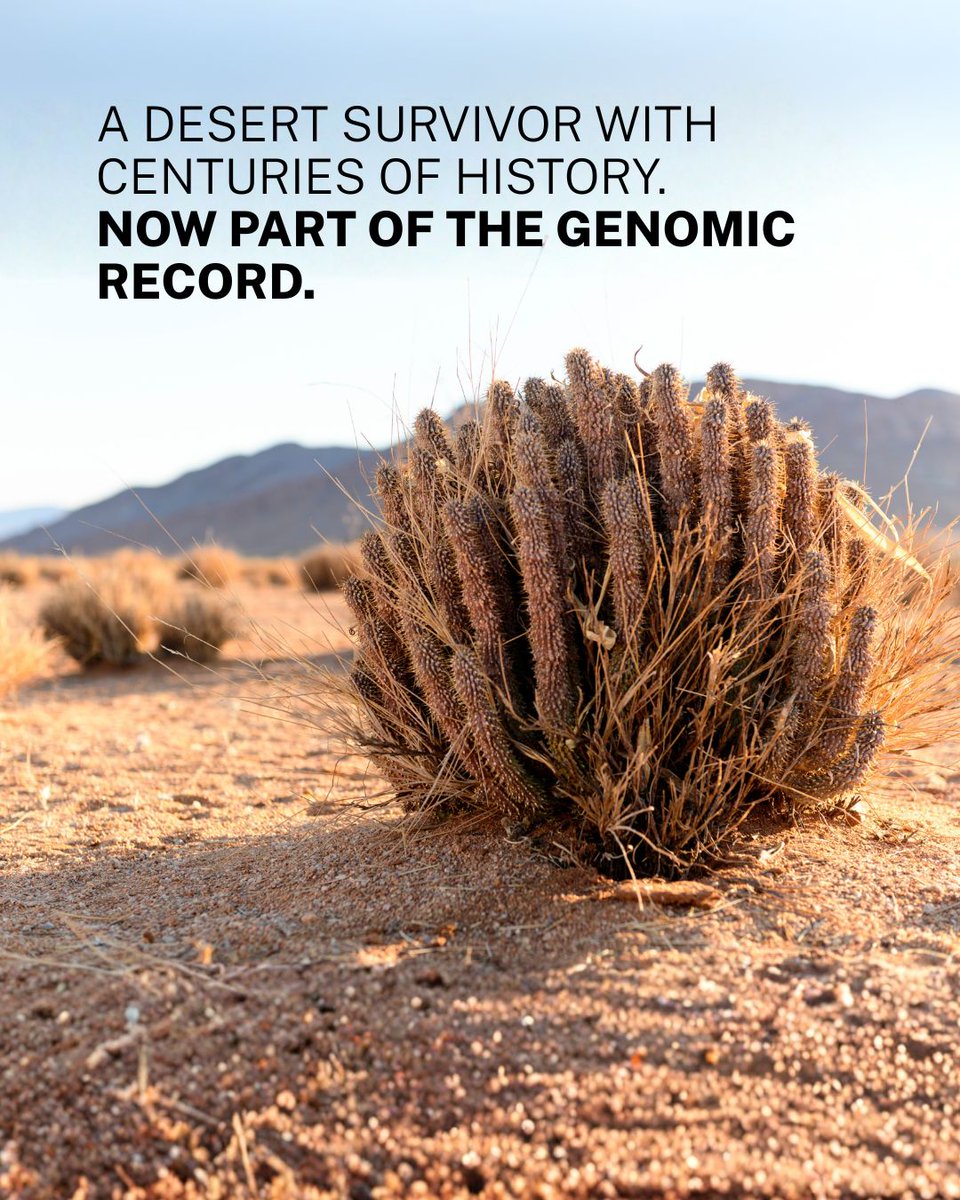
The San people knew Hoodia gordonii long before science did.
Used for generations as a survival tool in the harshest conditions on earth, bitter ghaap is now one of the most commercially sought-after succulents in the world, and one of the clearest examples of why indigenous knowledge protection matters.
This milestone adds its reference genome to the 1KSA catalogue.
Visit https://t.co/3SnnTbXP5G to explore more of our species.
#1KSA #HoodiaGordonii #BitterGhaap #ConservationGenomics
30 Grade 11 learners from IkamvaYouth's Chesterville branch visited KRISP today, representing four schools in the area: Umkhumbane Secondary, Chesterville Secondary, Wiggins Secondary, and Bonela Secondary.
The day was packed. Learners heard directly from current students and researchers about their academic journeys, then got hands-on with science that connects to their Life Sciences syllabus, extracting DNA from strawberries and building their own viruses using candy.
This is exactly the kind of early exposure that changes trajectories. Getting into a research space early makes the path there feel a lot more possible.
Big thanks to the KRISP team for opening their doors and making the day count.
#IkamvaYouth #Outreach #LifeSciences
Africa Day is a celebration of a continent that gave the world its first humans, its greatest biodiversity, and some of its most extraordinary science.
At DIPLOMICS and 1KSA, we are proud to be part of a growing movement of African researchers sequencing African species, building African genomic infrastructure, and ensuring that the science of life on this continent is told by the people who live here.
The diversity above the ground reflects the diversity within it.
There is no more important place to do this work. Happy Africa Day.
#AfricaDay #AfricanScience #Genomics #Biodiversity
One million species.
That is the current estimate of how many are at risk of extinction, according to the IPBES Global Assessment. Most people will never see the majority of them. Many have no common name. Some have no scientific name yet. The International Day for Biological Diversity is a reminder that biodiversity is not a background condition. It is the operating system that everything else runs on, including us.
At 1KSA, every species sequenced is a step toward understanding what we have, what we stand to lose, and what we can still protect.
Visit https://t.co/nL5432Myi8 to find out more about how we are working to support institutions like SANBI with the preservation of South Africa's biodiversity.
#BiodiversityDay #SpeciesLoss #ConservationGenomics
South Africa has over 1,000 native bee species. You have probably never heard of most of them.
The honeybee gets all the credit but it's the native miners, carpenters, and sweat bees working quietly through the fynbos that hold much of this country's pollination together.
One in three mouthfuls of food exists because a bee visited a flower at the right moment. That is not a fun fact. That is infrastructure.
This World Bee Day, take a moment for the bee you have never heard of, on the flower you have never seen, doing work the world cannot afford to lose.
#WorldBeeDay #SouthAfricanBees #Pollinators
The Blue Crane has survived alongside South Africa's farmers and communities for centuries. It nests on open ground, raises its chicks in grasslands that are increasingly under pressure, and remains one of the few large birds that has adapted, cautiously, to a changing landscape.
But adaptation has limits. A reference genome gives researchers the tools to understand those limits: where genetic diversity is holding, where it is thinning, and what that means for a species that belongs, officially and culturally, to all of us.
Explore more: https://t.co/yMrkxNgx6S
#1KSA #BlueCrane #ConservationGenomics
Happy World DNA Day! Every 25 April, we mark the 1953 discovery of the double helix by Watson, Crick, and Franklin, and the completion of the Human Genome Project in 2003. Two milestones that changed science forever.
This year, we are marking the occasion with a launch of our own.
Introducing Ignite, our new outreach platform dedicated to making omics science accessible to the next generation of South African scientists. Through Ignite, we will be sharing exciting discoveries in genomics and proteomics, science explained in plain language, student opportunities, and highlights from our outreach activities across the country.
The future of South African science is being built right now, and we want young people to be part of it.
Want to know more about genomics in South Africa, especially school outreaches and careers? Follow us on Instagram @Ignite_DIPLOMICS!
Some species don’t exist in isolation.
The mopani tree and the mopani worm are ecologically and culturally linked across southern Africa. One provides the leaves. The other depends on them for survival, and in turn supports rural food systems and livelihoods.
Sequencing both species through 1KSA strengthens more than a biodiversity archive. It allows us to study host–herbivore relationships, adaptation to climate stress, genetic diversity, and resilience in ecosystems that are both environmentally and economically important.
Genomics helps us move from observing relationships to understanding them at a molecular level.
1KSA Milestone 02: Mopani tree and Mopani worm.
#1KSA #ConservationGenomics #Mopani
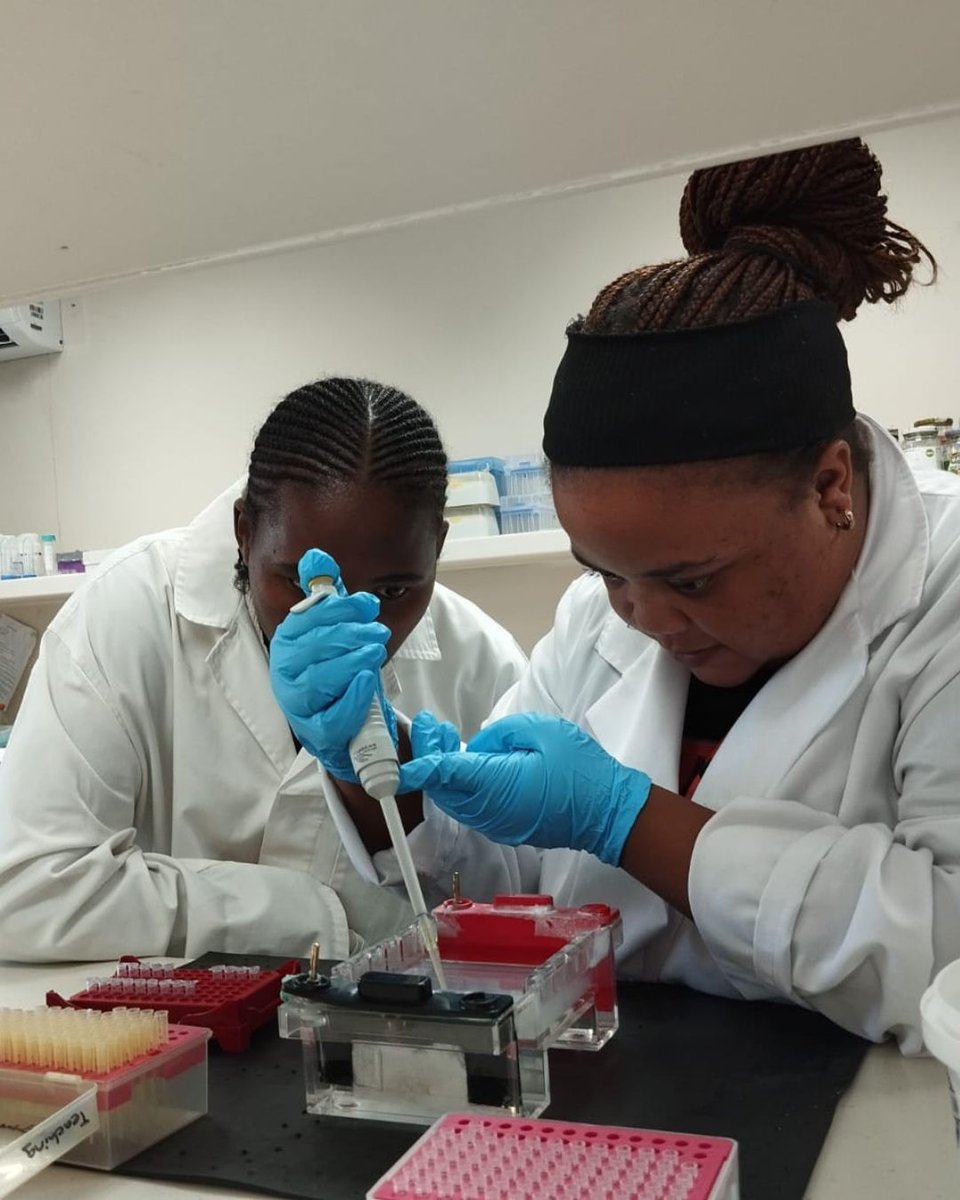
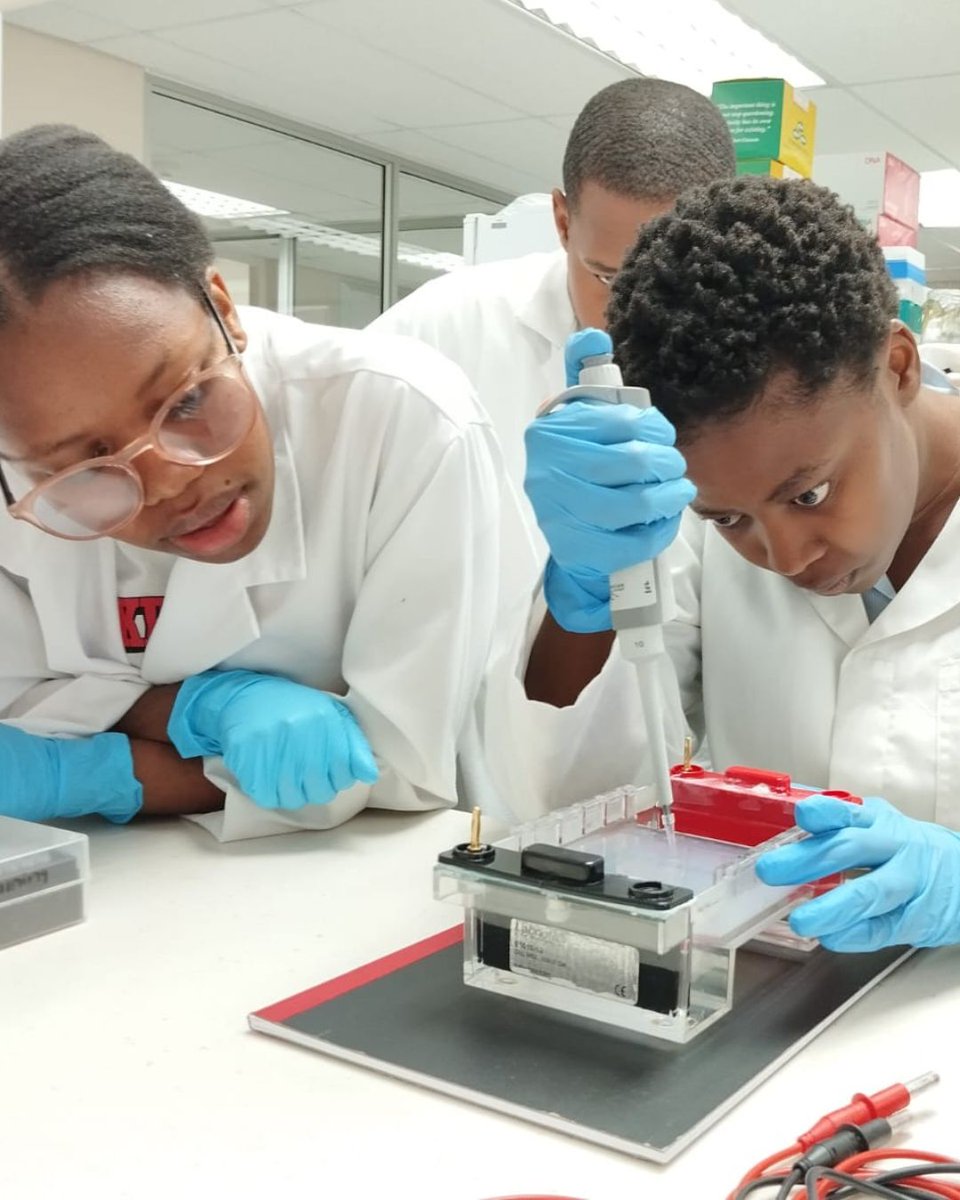
Last week, 17 researchers from Limpopo, SMU, UFS, and Ethiopia came together at KRISP, University of KwaZulu-Natal, for a hands-on Training Workshop on Illumina Library Preparation and Sequencing.
From learning about Illumina technology to getting hands-on with library prep, clean-up, QC, and sequencing, it was an intensive week of building real-world genomics skills in the lab.
This week, the group continues with Week 2: Bioinformatics Data Analysis, taking their skills from the bench to the screen.
A huge thank you to Dr Sureshnee Pillay, Dr Jennifer Giandhari, Yusasha Pillay, Dr Hastings Musopole and Dr Maryam Fish for leading the training, and to KRISP for hosting.
#DIPLOMICS2025 #NextGenScience #Genomics #IlluminaSequencing #KRISP
Frogs are among the most sensitive indicators of environmental change. Shifts in temperature, pollution, habitat disruption and disease often appear in amphibian populations before they are detected elsewhere.
Globally, amphibians are one of the most threatened vertebrate groups.
This World Frog Day, we highlight the partnership between 1KSA and the South African Institute for Aquatic Biodiversity.
Through NRF SAIAB’s curated collections and biobank resources, frog specimens are being sequenced to generate high-quality reference genomes. These genomic resources strengthen conservation research, support biodiversity monitoring, and provide critical insight into population resilience and decline.
Collections preserve biodiversity and sequencing extends their impact.
Through 1KSA, South Africa is building the genomic catalogue needed to protect its amphibian diversity for the long term.
#WorldFrogDay #1KSA #SAIAB #ConservationGenomics
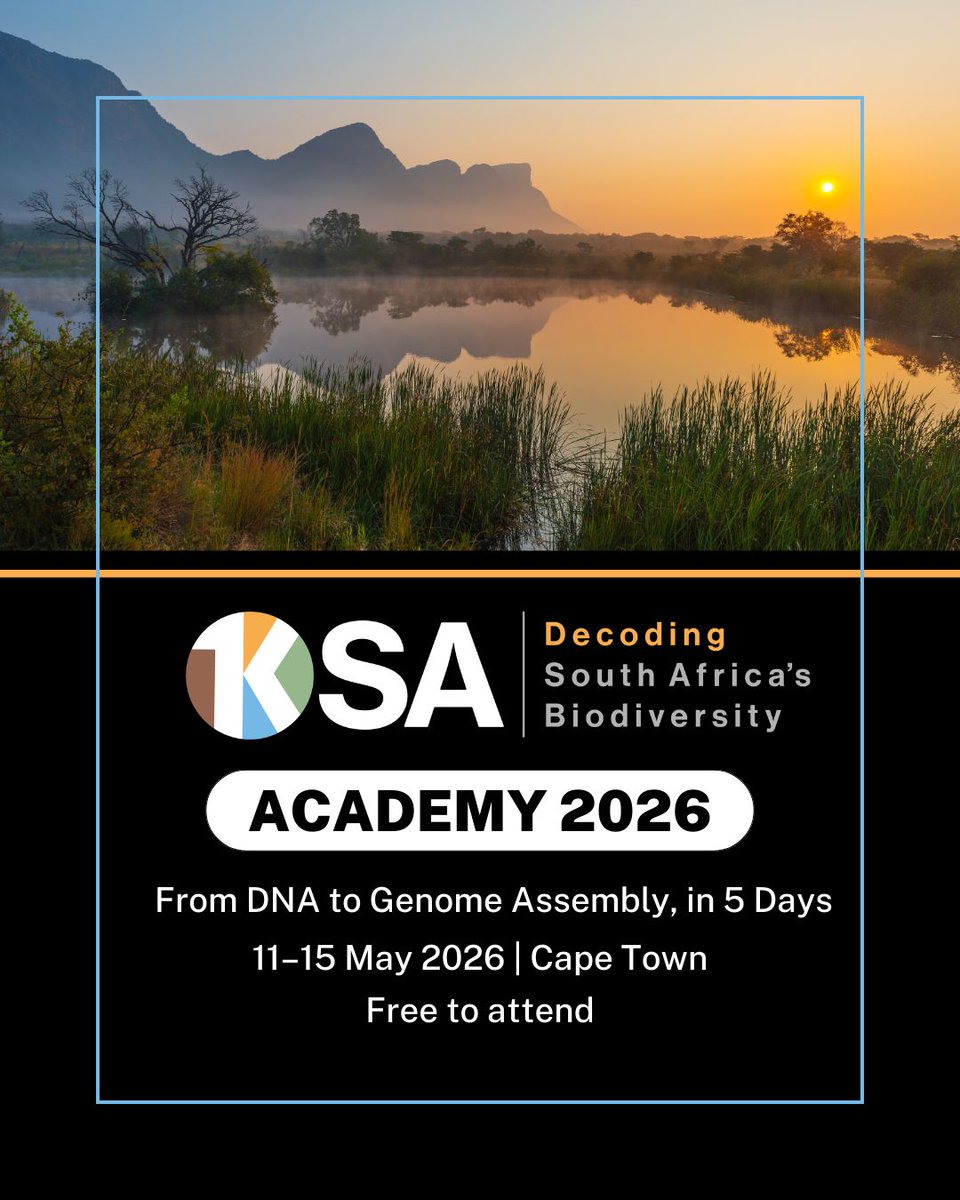
The 1KSA Academy is back!
This free, 5-day workshop gives 1KSA sample contributors the hands-on skills to take their samples from DNA QC all the way through to a de novo genome assembly.
Across three days in the lab and two days of bioinformatics training, participants will learn Oxford Nanopore library prep and sequencing, then move to the CHPC to assemble genomes using the Flye and Hifiasm assemblers.
11–16 May 2026
DIPLOMICS Training Lab, CPGR, Cape Town
Free to attend | Lunches provided
NB: An active CHPC account is an absolute requirement. If you don't have one, apply at https://t.co/tDlw2F0L29 well in advance.
Applications close: Thursday, 09 April 2026 at 17h00
Successful applicants will be informed by 17th April 2026
Apply here: https://t.co/MWimcYLbc0
#1KSA #DIPLOMICS2025 #Genomics #NextGenScience
The DIPLOMICS partner, NRF-SAIAB, kicked off the genomics training calendar with the Fundamentals of Molecular Biology workshop in Makhanda last week.
The workshop brought together 18 participants from institutions across the region, from Walter-Sisulu University to the University of Botswana. Participants gained both theoretical knowledge and hands-on experience in essential molecular biology techniques, including DNA extraction, PCR amplification, and quality and quantity validation.
One participant shared how the training will support her research:
“In my Master's study, I will need to isolate and identify Fusarium spp, using DNA sequencing. The techniques that were taught will be very useful for my study.”
We’re excited to see how these new skills will support participants’ research and contribute to advancing genomics across the region.
#DIPLOMICS #OmicsTraining #MolecularBiology
This World Wildlife Day, we’re introducing something new.
Each month, we’ll highlight a species sequenced through the 1KSA initiative, marking a genomic milestone in building South Africa’s biodiversity reference library.
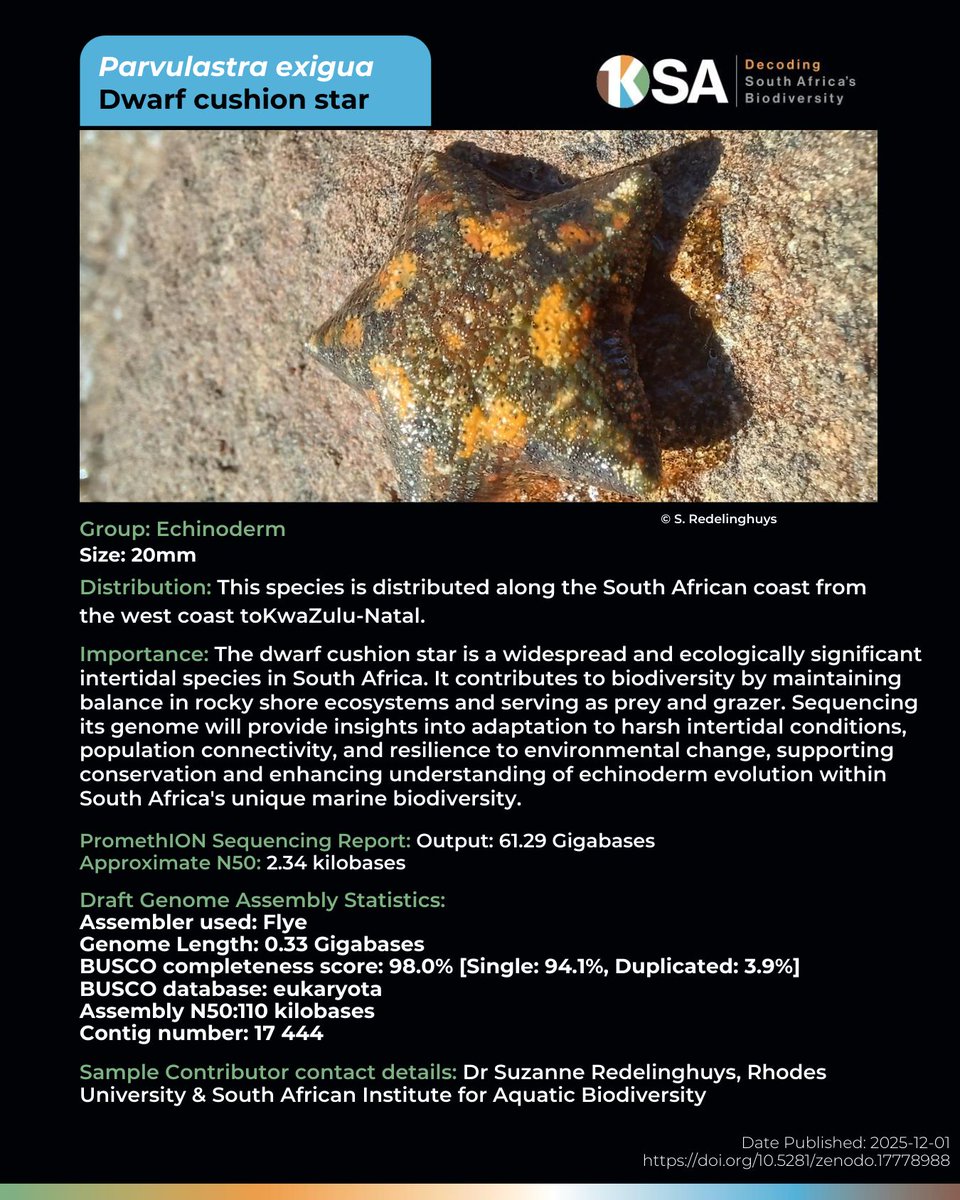
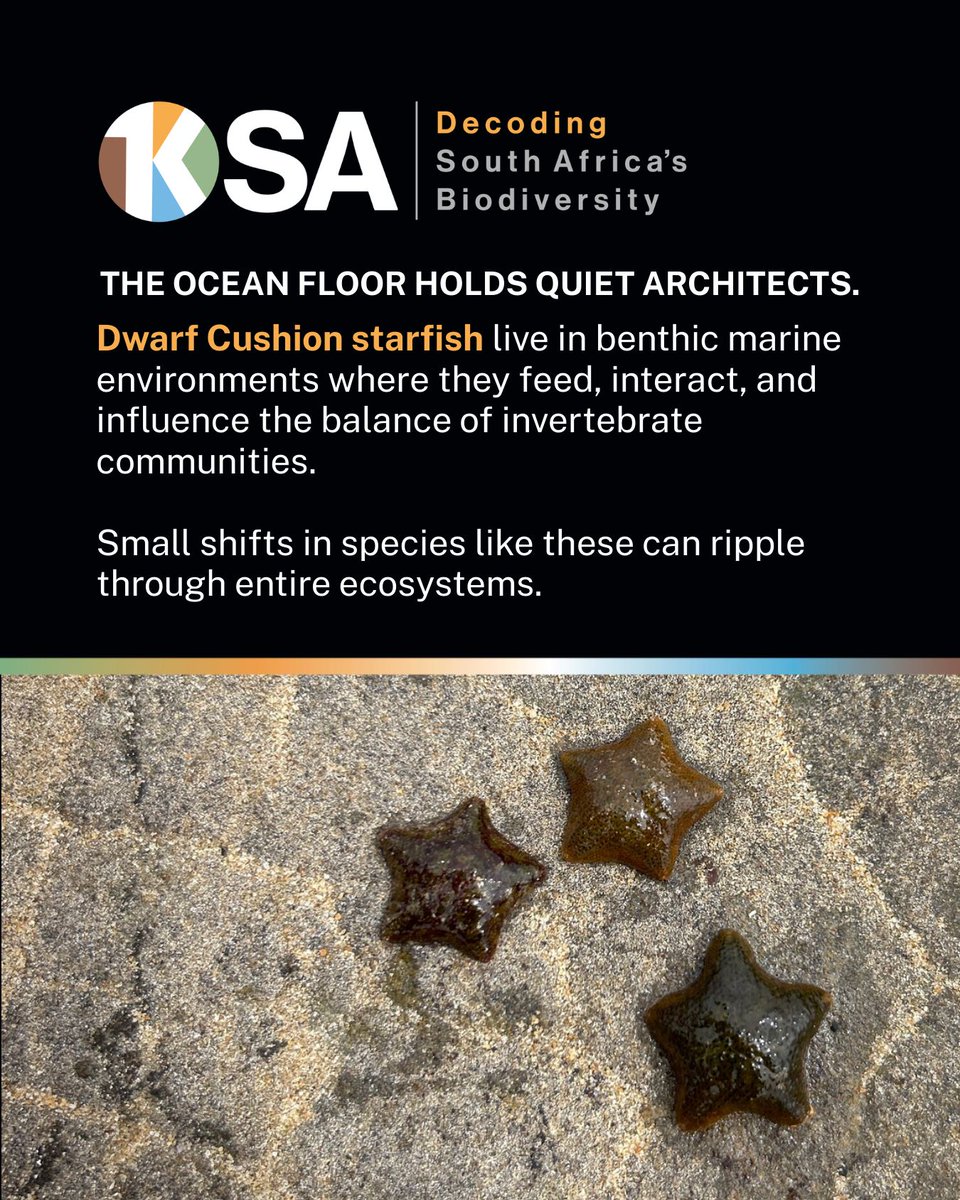
We begin with the Dwarf Cushion Star.
At first glance, it looks simple, almost sculptural. But beneath its rounded form lies a complex genome that helps us understand marine adaptation, regeneration, and evolutionary history along our coastline.
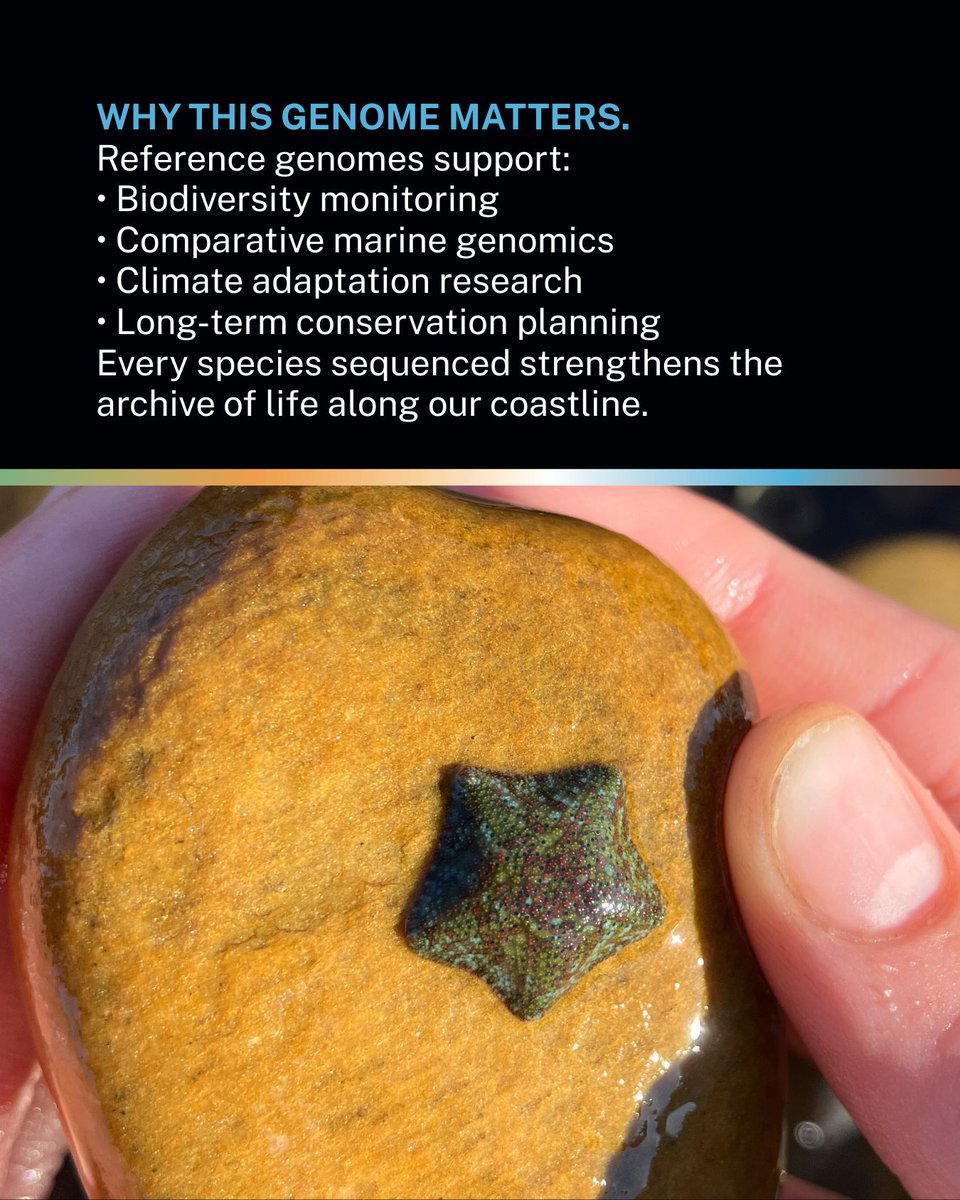
By sequencing species like the Dwarf Cushion Starfish, 1KSA strengthens conservation genomics in South Africa. A reference genome becomes more than data. It becomes a tool, supporting biodiversity monitoring, ecosystem research, and long-term conservation planning.
Every genome sequenced is a step forward.
Milestone 01.
The Dwarf Cushion Star.
See more on https://t.co/3SnnTbXP5G
#WorldWildlifeDay #1KSA #ConservationGenomics
For many people with rare or undiagnosed conditions, the journey is long.
Symptoms appear early, but answers don’t. Appointments lead to more appointments. Tests come back inconclusive. Families are told to wait, to watch, to manage what can be managed. All without knowing what they’re actually dealing with.
Genomics changes that journey.
By analysing a person’s DNA, scientists can identify genetic causes that traditional tests often miss. For some families, this doesn’t immediately change treatment, but it changes everything else: understanding, validation, direction, and the ability to plan.
Through Nngwe, DIPLOMICS supports genomic research that helps bring clarity to undiagnosed conditions and builds local capacity to solve these medical mysteries.
On Rare Disease Day, we recognise not just rare conditions, but the people who live for years without answers, and the science working to change that.
Read more about the Nngwe initiative: https://t.co/T1DOAHx5o5
#RareDiseaseDay #Genomics #Nngwe #DIPLOMICS
Today marks the birthday of Rosalind Franklin, a scientist whose work was foundational to understanding the structure of DNA.
Franklin’s X-ray diffraction research produced the clearest evidence of DNA’s helical structure. Her data made the double helix visible at a molecular level and directly informed one of the most significant discoveries in modern biology.
For decades, her role was minimised or sidelined in how that discovery was told.
Correcting that isn’t about revisiting old disputes.
It’s about scientific accuracy.
At DIPLOMICS, we care about how science is represented, because progress depends on recognising real contributions, not simplified stories. Credit matters. Evidence matters. And the people behind the data matter.
#RosalindFranklin #ScienceHistory