Sans X, nous n'apprendrions rien sur les manifestations des agriculteurs aux Pays-Bas — c'est triste mais vrai, nos médias ne jugent pas cela digne de trois mots.
If you somehow missed Angelina #Melnikova at the European Gymnastics Championships… here’s your sign to watch her! 🇷🇺
A six-time #EuropeanChampion and pure joy to watch 🥇
Isn’t she absolutely incredible?
🚨¡BOMBAZO! El ingeniero que creó Claude Code desde cero acaba de soltar un video de 28 minutos que es puro oro:
cómo escribir prompts que realmente entregan resultados brutales.
He visto cursos de 300 dólares que no llegan ni a la suela de lo que él explica en los primeros 10 minutos.
Archivos CLAUDE.md, atajos de memoria, sesiones paralelas y patrones de prompting que casi nadie usa…
Todo en un solo video. Completamente gratis. Sin relleno.
Da igual si eres desarrollador, estás empezando o ya llevas meses con Claude: esto te cambia el juego desde hoy.
Guárdalo. Míralo. Compártelo.
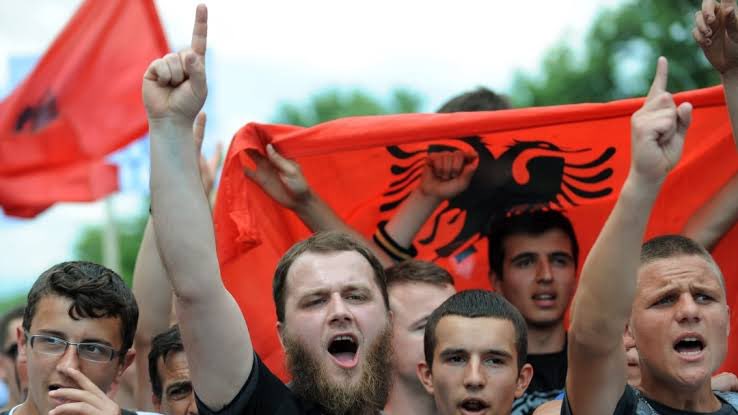
🚨‼️🇲🇰🇦🇱 BREAKING NEWS — ALBANIANS ARE TAKING OVER MACEDONIA
MICKOSKI WARNS AS ALBANIAN NATIONALISTS PRESS FORWARD: THE UÇK MARCH REVEALS A COUNTRY LOSING CONTROL OF ITS OWN FUTURE
A Slavic nation watches itself become a minority while the government struggles to contain the shift
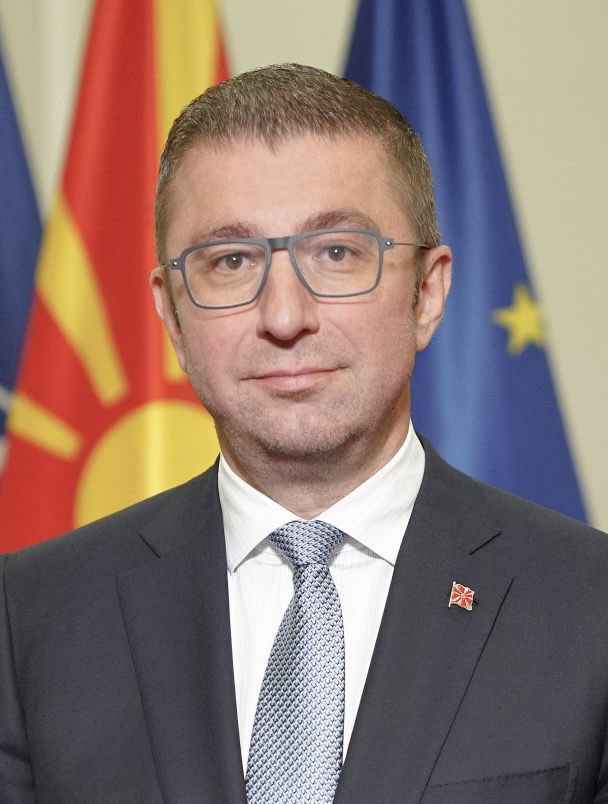
Skopje — In a statement meant to project calm but instead exposing deep vulnerability, Prime Minister Hristijan Mickoski declared that the government “does not support” the upcoming Albanian UÇK march in Macedonia. Yet behind the diplomatic phrasing lies a harsher truth: the state no longer has the demographic, political, or institutional strength to prevent it.
The march — backed by Albanian political figures inside Macedonia — is not simply a gathering of supporters. It is the most public demonstration in years of a long-standing project that Western governments have consistently ignored: the gradual Albanian takeover of Macedonia, driven by both demographics and coordinated political pressure. Academic studies and intelligence analyses have repeatedly shown that Albanian movements in Kosovo, the Preševo Valley, and Macedonia have historically operated with a shared ideological goal: unifying Albanian-populated territories into a single national space. Macedonia has always been central to that vision.
Today, that vision advances not through armed conflict but through numbers and political leverage. Macedonians continue to emigrate by the tens of thousands, leaving behind an aging and shrinking population. Albanians remain young, organized, and united across municipalities that now function as parallel political blocks inside the state. Tetovo, Gostivar, Struga, Kičevo — these regions no longer resemble the Macedonian heartland of previous decades. They are the foundation of a new political reality that Skopje can no longer fully influence.
Mickoski’s remarks underline this shift. He warned that the government cannot support a march associated with UÇK symbolism, yet simultaneously admitted that it will ensure everything proceeds “peacefully,” a phrase that in Balkan politics translates clearly: there will be no attempt to stop it. Coalition mathematics makes resistance impossible. Albanian parties hold the balance of power in parliament and act with the confidence of a rising majority. Every government depends on them. Every crisis strengthens them.
The UÇK march is therefore not a local dispute — it is a message. It signals who feels empowered, who sets the tempo of political life, and who ultimately shapes the country’s direction. While Mickoski speaks of order, the underlying reality is one of strategic retreat. Macedonia is not being threatened by external invasion; it is being transformed from within by demographic trends and political mobilization that no longer hide behind euphemisms.
For years, the international community has framed Macedonia’s concessions as necessary for “stability.” In practice, they accelerated the loss of Slavic political dominance. Today, as Albanians approach demographic parity and exercise decisive influence over institutions, Macedonia faces the greatest internal shift since independence. It is no longer a question of whether Albanians are taking over. The process is already visible in the streets, in parliament, and now in Mickoski’s cautious words.
A march may last one day.
But the message it carries will shape Macedonia’s future for decades.
If you like what we are doing — like, share, subscribe, and invite your friends for more. Follow us also on Facebook: Slavic Networks.
@Nirali_1989@SlavFreeSpirit@VladVVeles
📍Суровичево /Amyntaio 🇲🇰
Преку 2000 Егејски Македонци се собравме да ја прославиме нашата култура, јазик, песна и оро.
За две недели имаме нов панаѓур во Кукушко, ако некој сака да дојде или нешто го интересира, пиши во коментар :)