But cognition is just one piece.
The biomarker data is where it gets REALLY interesting.
After treatment, researchers measured:
📉 Tau — REDUCED
📉 TDP-43 — REDUCED
📉 Neurofilament Light (NfL) — REDUCED
📉 Neuroinflammation markers (IL-6, IFN-γ) — REDUCED
This isn't just symptom relief.
This is hitting the BIOLOGY.
#Buntanetap #BrainHealth
The ramp up of cancer immunotherapy is remarkable. Now we're seeing vaccines achieve some cures or remissions in the most refractory cancers: pancreatic, melanoma, glioblastoma, renal, triple-negative breast cancer.
✓ out the new Ground Truths (link in profile)
A new UCSF AI tool can predict Alzheimer’s-related cognitive decline from a single MRI, without expensive scans or lengthy testing. The approach may lead to faster, cheaper detection & could help identify progression in other neurodegenerative diseases. https://t.co/Ph9VxAbACs
Apple cider vinegar has built an entire wellness category on a real effect attributed to the wrong ingredient. The glucose-lowering data is genuine. The apple has nothing to do with it.
The acetic acid is what does the work, and any vinegar at the same concentration produces the same effect.
The original Johnston et al. study (Diabetes Care 2004) gave insulin-resistant and type 2 diabetic adults a vinegar drink before a meal containing 87 g of carbohydrates and saw postprandial glucose drop 64% in the insulin-resistant group and 19% in the diabetic group. The sample was small (n=29 crossover) but the effect size was large.
Ostman et al. (Eur J Clin Nutr 2005) ran the dose-response experiment. They served white bread with vinegar at three levels of acetic acid (18, 23, and 28 mmol) to healthy adults. Both glucose and insulin responses fell as acetic acid content rose. The effect tracked the acetic acid content, not the vinegar volume.
The 2017 meta-analysis by Shishehbor et al. (Diabetes Res Clin Pract) pooled the controlled trials. Vinegar consumption with a meal reduced postprandial glucose AUC (SMD -0.60, 95% CI -1.08 to -0.11) and insulin AUC (SMD -1.30, 95% CI -1.98 to -0.62). The effect is consistent and the magnitude is meaningful.
The mechanism is well-characterized. Liljeberg and Bjorck (Eur J Clin Nutr 1998) showed in healthy adults that adding vinegar to a starch meal delayed gastric emptying and that this delay tracked with the improved glycemic response. Slower emptying means slower carbohydrate delivery to the small intestine, which flattens the glucose curve. A secondary mechanism is inhibition of disaccharidase activity by acetate at the brush border. Neither depends on the source of the acetic acid.
The longer-term data is much weaker. Johnston et al. (Food Funct 2020) ran an 8-week trial of daily red wine vinegar in 45 adults at risk for metabolic complications. Fasting glucose and insulin sensitivity improved significantly, but body mass, waist circumference, and visceral fat did not change. The viral "ACV for weight loss" claim has thin support.
Two practical implications. First, if you want the postprandial effect, you need liquid vinegar at roughly 1 to 2 tablespoons. The dose has to deliver around 750 to 1500 mg of acetic acid. White, red wine, rice, and apple cider vinegars all work. Second, the gummies and tablets are a problem. Johnston et al. (J Nutr Metab 2022) tested commercial vinegar tablets head-to-head against liquid vinegar and found the tablets failed to lower postprandial glucose to the same degree.
The mother, the fermentation, the apple, the brand. None of it is the active ingredient. The acetic acid is.
Johnston et al., Diabetes Care 2004 · Liljeberg and Bjorck, Eur J Clin Nutr 1998 · Ostman et al., Eur J Clin Nutr 2005 · Shishehbor et al., Diabetes Res Clin Pract 2017 · Johnston et al., Food Funct 2020 · Johnston et al., J Nutr Metab 2022
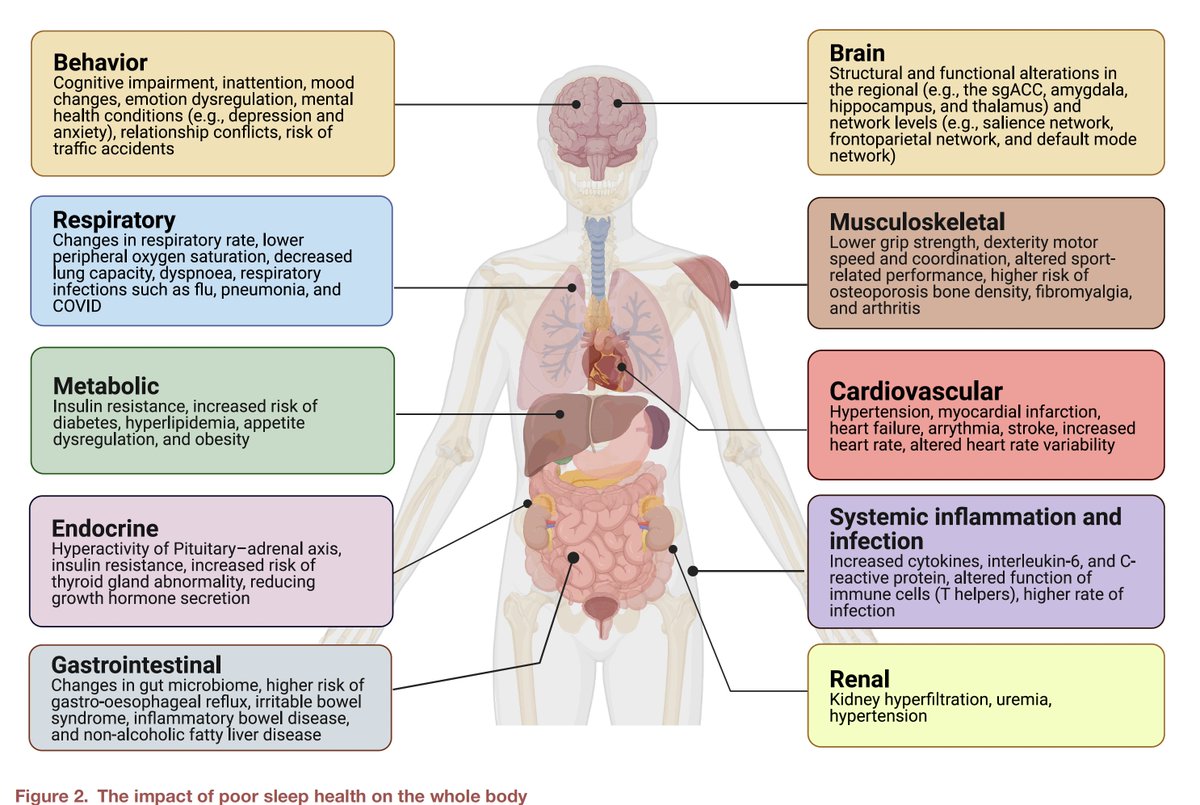
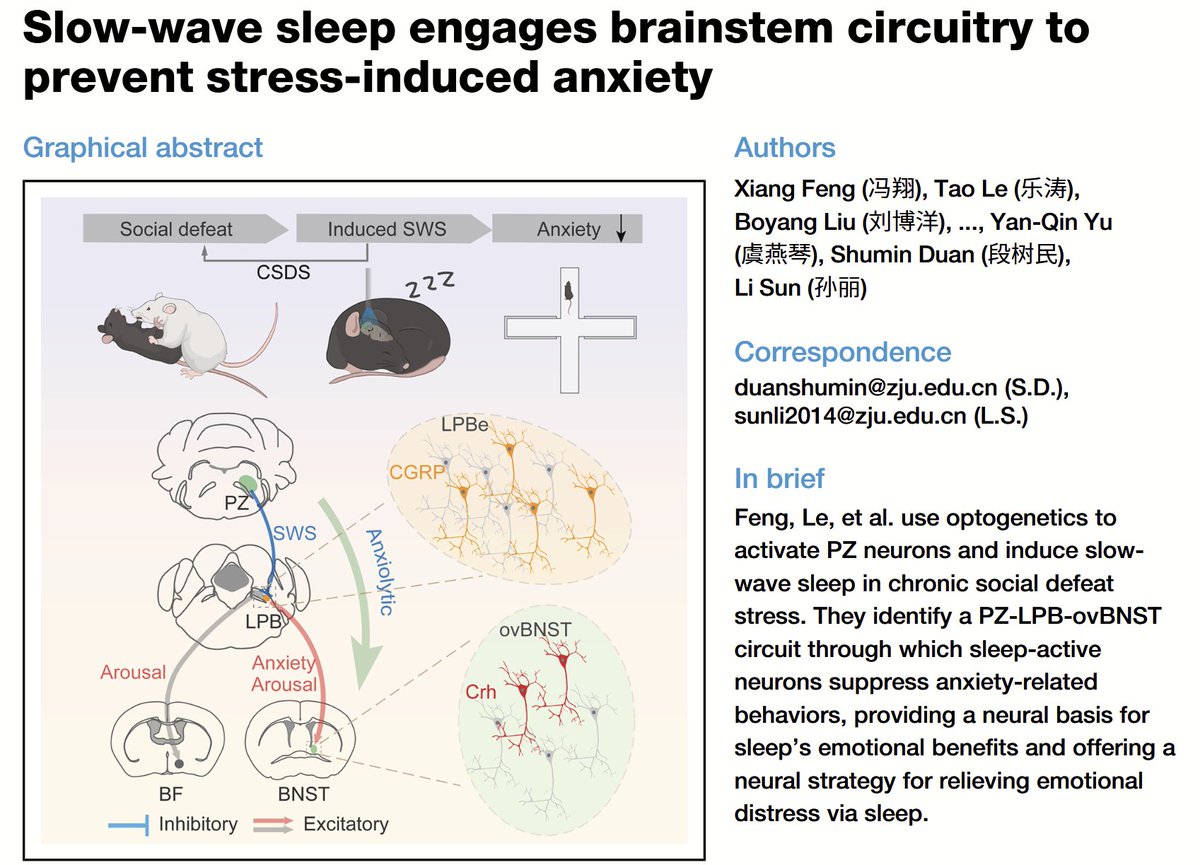
Deep sleep may be one of the brain’s most powerful anti-anxiety tools.
Researchers identified a sleep-active circuit linking the parafacial zone, parabrachial nucleus, and BNST that suppresses stress-related signaling during slow-wave sleep and prevents anxiety-like behavior. #SleepScience #Neuroscience #MentalHealth
https://t.co/0kEEWqKOGG
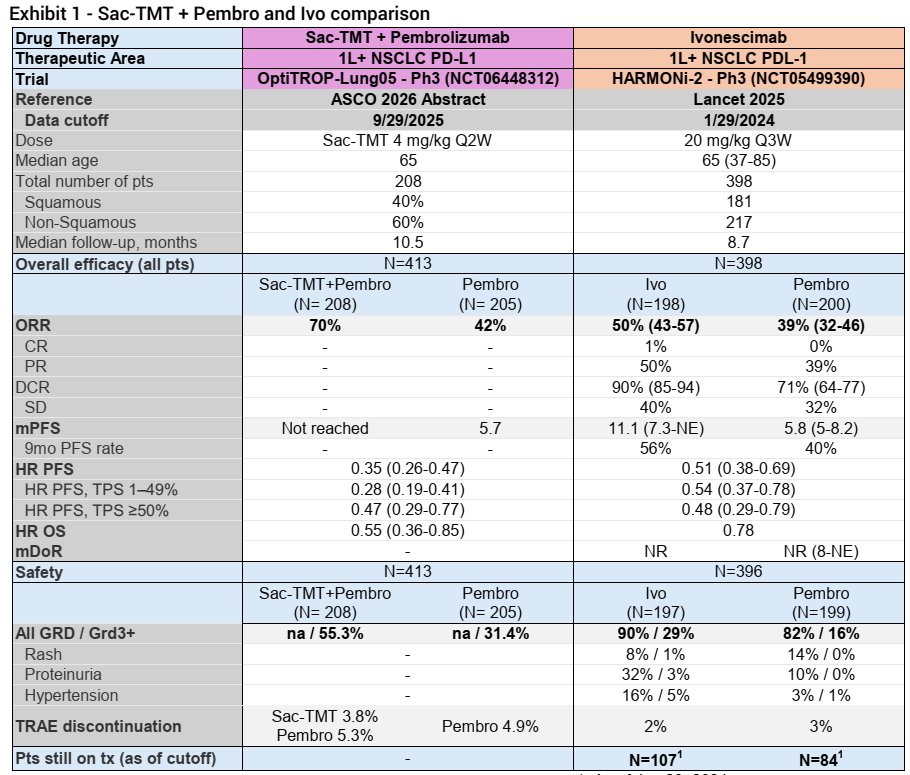
The case for PD1xVEGF bispecifics in lung cancer took a serious blow from $MRK's sac-TMT and this might be just the beginning.
Now that we have two Chinese P3 studies comparing TROP2 ADC+PD1 or PD1xVEGF (in this case $SMMT) to PD1 monotherapy, TROP2 ADC looks far superior.
Theoretically one could combine TROP2 ADCs and PD1xVEGF but this will take years to reach the market not to mention the availability of biosimilar PD1 and VEGF products by then.
In oncology, a novel MOA is always better positioned to make an impact rather than a combination of two approved MOAs...
Table below from Jefferies.
A 6-person team is building task-specific AI models that are 4-8x faster than anything from OpenAI or Anthropic. 500K downloads on HuggingFace. No hype. Just better engineering winning on the merits.
This is what "make something people want" looks like in the model layer.
https://t.co/nsf8b31xha
In the world of AI, the main success factors will be capital, infrastructure, ideas and the amount of life you have left. This new Technology and Biotechnology focused TOD megaproject called Up City (formerly Top Town) SuperDNA you will have all of the ingredients to help you succeed. Located in the heart of Shanghai's Silicon Valley, it is the most important project by the Shanghai Pudong Development Group, the largest and most reputable developer in Shanghai. This multi-million dollar megaproject will be run by central AI, communicate with your residential, hospital, and personal AI, will not let you get sick or degrade prematurely. It will help you enjoy life to the fullest with dozens of restaurants, gyms, 5* techno-friendly hotel and phenomenal gardens. In the middle of it all will be the most advanced, fully-transparent research facility for fully-autonomous recursively self-improving drug discovery developed by the most productive AI-powered biopharmaceutical company, Insilico Medicine. You will see it from space.
Launching in Q3, 2028. I just heard that Recursion is also coming to China soon to do something locally and accelerate and pretty much every company in biopharma is now expanding in Pudong. Welcome to SPDG SuperDNA, my friends - it is a true Longevity City and it is designed to act as a "Lego Board" for biotech and tech companies. You can build around us and integrate for the benefit of the entire community.
Visit the site and read about the concept here:
https://t.co/fSHIjsT3nY
Scientists have discovered a hidden "superhighway" inside your body that may finally explain why acupuncture works.
Researchers identified the interstitium, a widespread fluid-filled network within connective tissue that acts as a body-wide communication and fluid transport system. Many traditional acupuncture points and meridians align closely with dense regions of this network.
This breakthrough suggests that acupuncture needles may influence fluid flow, electrical signaling, and biochemical communication through the interstitium, producing effects far from the insertion point.
The discovery bridges ancient healing practices with modern anatomy and offers a compelling scientific basis for acupuncture's effectiveness in pain relief and inflammation reduction.
[Benias PC, et al. (2018). Structure and Distribution of an Unrecognized Interstitium in Human Tissues. Scientific Reports]
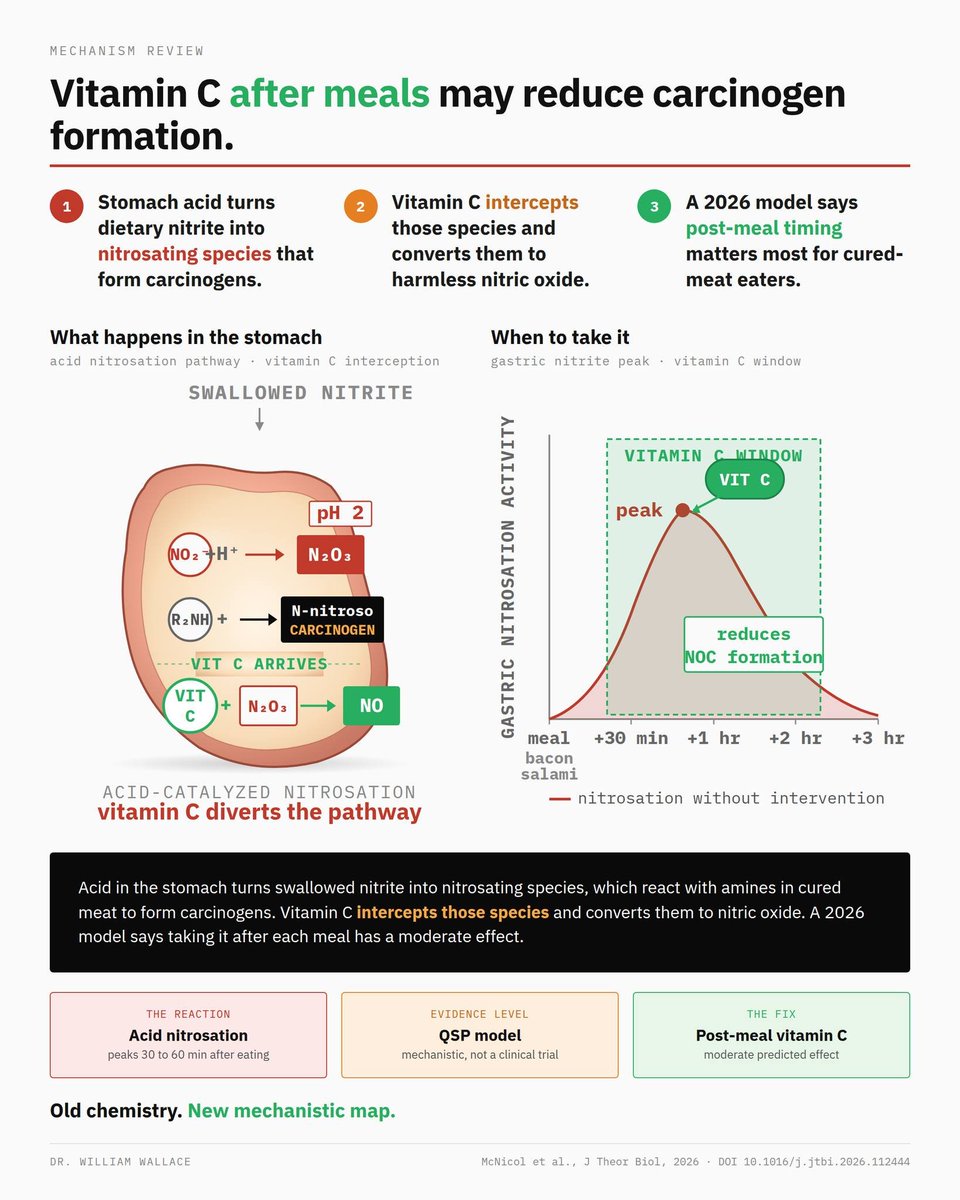
If you eat bacon, ham, salami, or hot dogs, this is for you.
A new paper published last week in the Journal of Theoretical Biology mapped out what actually happens in your stomach when you eat processed meat, and offers something practical you can do about it.
Cured meats contain sodium nitrite, added as a preservative and to fix the pink color. In your stomach, that nitrite meets stomach acid and turns into a reactive form. That reactive form attacks proteins from the meal and produces a class of compounds called nitrosamines. NDMA, NDEA, and NMBA are the most studied. They are the same compounds that triggered the FDA recalls of valsartan, ranitidine, and metformin in recent years. The International Agency for Research on Cancer classifies them as probable human carcinogens, and they are a leading hypothesis for why processed meat consumption tracks with elevated risk of stomach and colorectal cancer in large epidemiologic studies.
Vitamin C disarms this reaction. It converts the reactive nitrite compound back into nitric oxide, which is harmless and diffuses away. This chemistry has been known since the 1970s, which is why the meat industry already adds ascorbic acid during processing. The question is whether you can do anything on your end, after the meat is already in your gut. That is what the new model addressed.
McNicol, Basu, and Layton at the University of Waterloo built a mathematical model that tracks how nitrite, vitamin C, and the resulting chemistry move through saliva, stomach, and intestine over the hours after a meal. They ran simulations across realistic dietary patterns and found two things.
First, when vitamin C is naturally present in the meal, as it is in leafy greens and most fruits and vegetables, the protective effect is substantial. The vitamin C is right there when the chemistry happens. This is likely why dietary nitrate from vegetables does not track with cancer risk the way nitrite from processed meats does.
Second, for meals where vitamin C is not naturally present, like a bacon sandwich or a charcuterie board, taking vitamin C after the meal produced a moderate predicted reduction in nitrosamine formation. Not transformative. Measurable.
A few important things to know. This is a modeling study, not a clinical trial. The model is calibrated against decades of published chemistry, but no trial has yet measured nitrosamine biomarkers in people randomized to take vitamin C after meals versus placebo. Treat the predicted effect as a reasonable hypothesis backed by mechanism, not as proven outcome.
Practical version. If you regularly eat vegetables with your meals, the vitamin C is already there and you are doing most of the work. If you eat cured meats without vegetables in the same sitting, taking 200 to 500 mg of vitamin C with water 30 to 60 minutes after the meal has a defensible mechanistic basis and a modest predicted effect. The dose matters less than the timing. Above about 200 mg in a single oral dose, absorption efficiency drops sharply, so megadoses are not the answer.
The bigger idea is that a meal is a chemical environment you can shape. The same food can be a problem or a non-event depending on what else is in the gut at the same time, and when.
McNicol et al., J Theor Biol, 2026 Tannenbaum & Wishnok, Am J Clin Nutr, 1991 Hord,
Tang & Bryan, Am J Clin Nutr, 2009
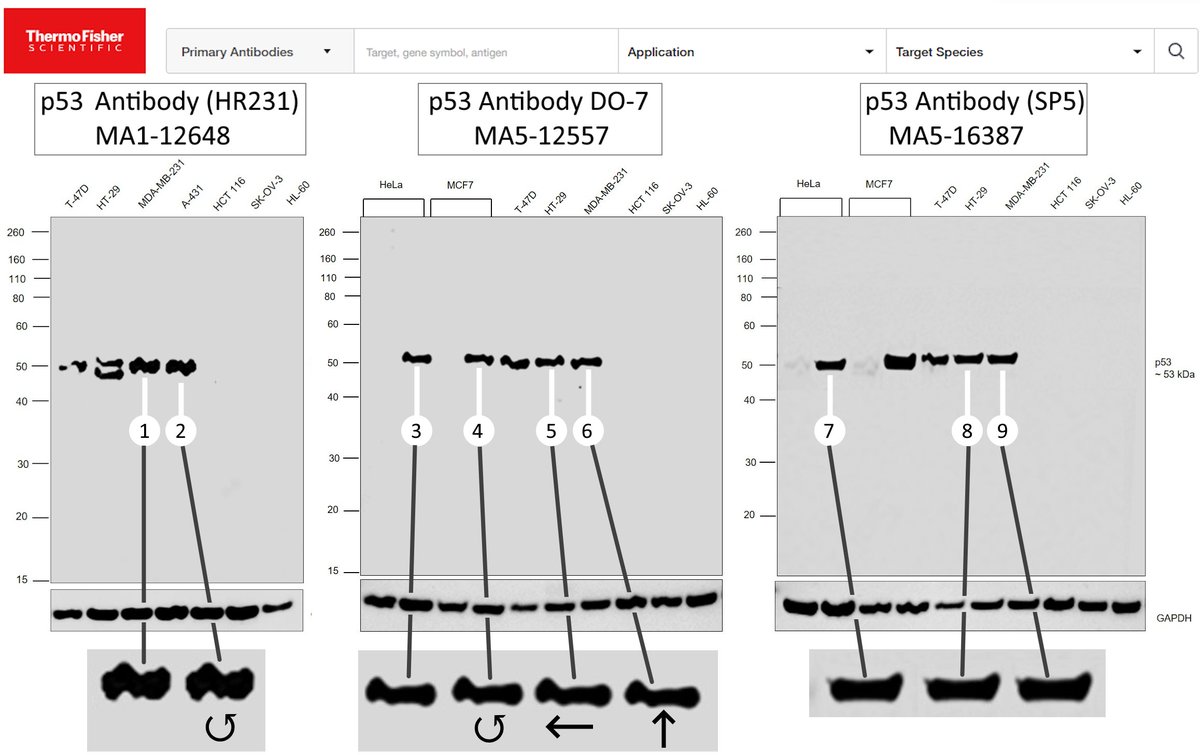
Earlier this week I posted an example of a fake western blot provided by ThermoFisher to demonstrate the validity of a p53 antibody. I considered it an amusing curiosity. In fact ThermoFisher has systematically manipulated antibody validation data. Short Thread... 🧵
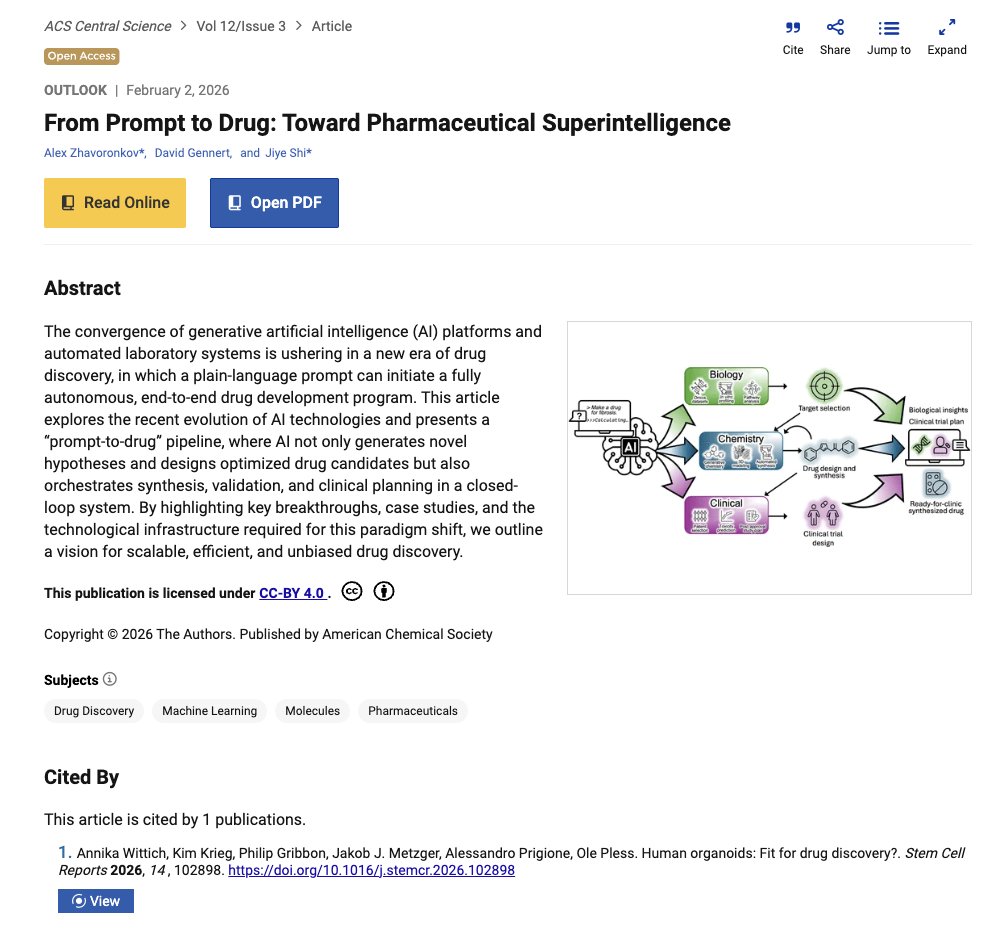
What can the latest AI do for science ?
The latest development is the emergence of systems that can orchestrate parts of the scientific workflow:
• literature synthesis
• hypothesis generation
• recursive critique
• integration across fragmented knowledge domains
This may speed up incremental discovery, especially in fields already rich in structured data such as computational biology, chemistry, and drug repurposing.
👉 Yet, true scientific autonomy remains out of reach for AI
Current systems remain heavily dependent on:
- existing literature distributions
- prevailing conceptual frameworks
- human-defined objectives
That creates a risk of epistemic homogenization: many researchers using similar AI systems may converge toward similar hypotheses and fashionable paradigms.
The most difficult aspects of science remain weakly automated:
- recognizing when assumptions are wrong
- identifying meaningful anomalies
- reframing questions
- exercising experimental judgment
⬛ AI can help science as long as we recognize both its capabilities and limitations.
Nature just published the most important paradox in AI and science.
And nobody in the mainstream is talking about it.
The paper is called "Artificial Intelligence Tools Expand Scientists' Impact but Contract Science's Focus." Published January 14, 2026 in Nature. Researchers from Tsinghua University and the University of Chicago analyzed 41.3 million research papers across the natural sciences spanning 1980 to 2025.
The finding fits in one sentence.
Scientists who engage in AI-augmented research publish 3.02 times more papers, receive 4.84 times more citations, and become research project leaders 1.37 years earlier than those who do not.
More papers. More citations. Faster career progression. Every individual metric improves.
And yet.
AI adoption shrinks the collective volume of scientific topics studied by 4.63% and reduces scientist-to-scientist engagement by 22%.
More output. Less diversity. More citations. Less collaboration. More papers. Fewer ideas.
Here is the mechanism the researchers identified.
AI tools are extraordinarily good at accelerating work in established, data-rich domains. They can scrape existing literature, generate hypotheses within known frameworks, and process large datasets in fields where structured data already exists.
Biology. Chemistry. Physics. Computer science.
They are useless or nearly so for pioneering work in data-scarce areas. Emerging fields. Genuinely novel questions. The kind of research that requires human intuition about where the interesting problems are, not pattern-matching against what already exists.
So scientists with AI tools rush toward the data-rich fields. Because that is where AI helps. Because that is where output is fastest. Because that is where citations accumulate.
The questions nobody has studied yet the ones that require human imagination and tolerance for uncertainty get left behind.
The rush to study generative AI is producing a feedback loop of topical and methodological convergence, flattening scientific imagination and crowding out the pluralism needed to keep research adaptive, resilient, and intellectually generative.
A separate companion paper published in Nature the same month made the implication explicit.
AI is rapidly accelerating scientific output but risks narrowing inquiry, weakening judgment, and undermining how scientists are trained.
Here is the most uncomfortable finding of all.
The researchers found that AI adoption reduces collaboration between scientists. When a tool can do what previously required a conversation with a colleague, literature review, data analysis, hypothesis generation, scientists stop having those conversations.
The serendipitous collision of two researchers with different expertise that produces a genuinely novel finding the kind of collision that has produced most of science's biggest breakthroughs, happens less often.
AI made science faster.
And in doing so, it may have made science smaller.
(Paper link in the comments)
We added >220K FDA regulatory and >1M clinical trial docs to #paperclip. All natively indexed for agents and free.
Now agents can easily reason over clinical studies w/o web search!
E.g: find all trials that were approved despite missing endpoint https://t.co/30GGqfCQmO
Supplementation with Vitamin D or calcium, or both does not help prevent fractures or falls. From a new systematic review of 69 randomized trials and >150,000 participants
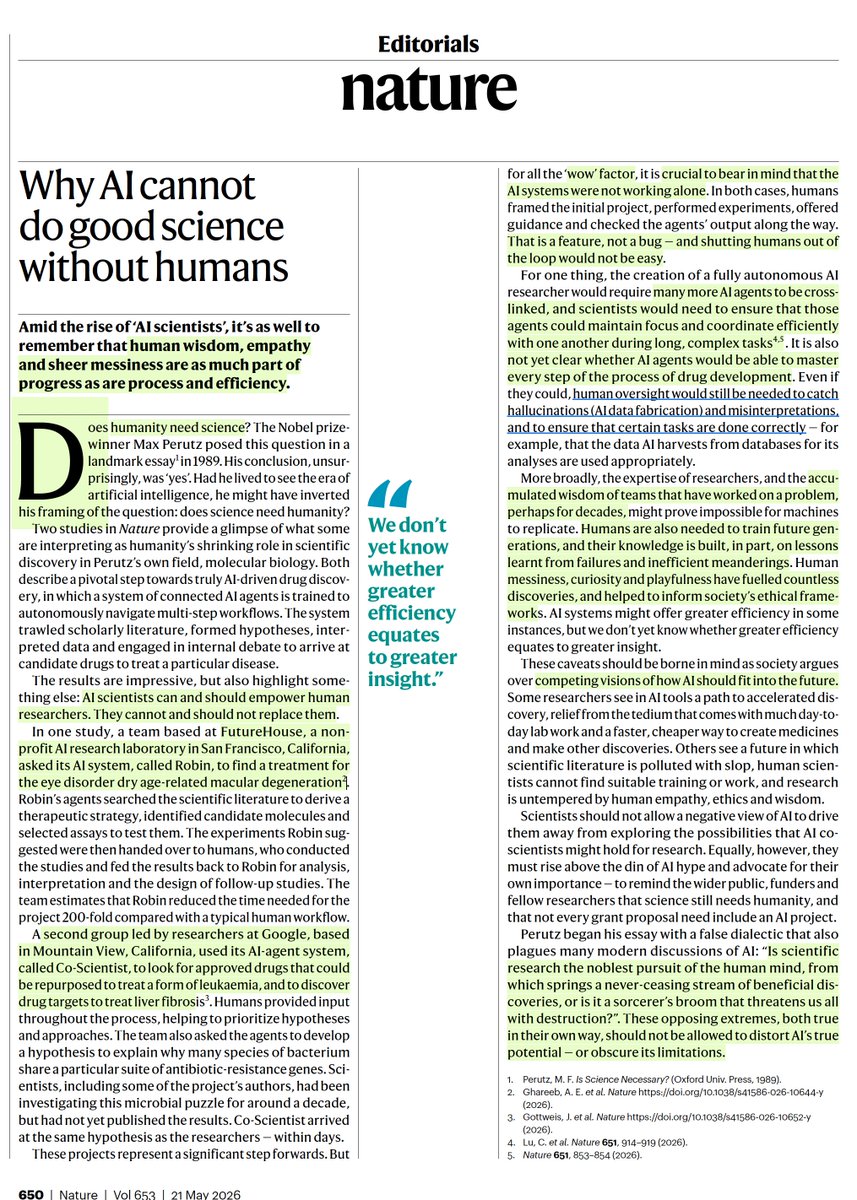
Important editorial @Nature on the new "AI-scientist" papers
"AI scientists can and should empower human
researchers. They cannot and should not replace them."
https://t.co/CZQUrMV8D1
NAD probably doesn't actually decline with age. This is one of the problems in NAD-world that I've been warning about for years. I'm glad to see it finally reaching publication.
https://t.co/0n2bzuBfeW
The myth that NAD levels broadly change with age in humans and other animals has been propagated by some high-profile people in the field, both in the scientific literature (mostly review articles not real data, which should tell you something) and in the pop-sci podcast world. This has generated hundreds of millions of dollars in sales for NAD precursors and hundreds of millions of dollars in grant funding for those investigators.
To be clear, NAD biology is real and important. There are likely specific disease states, tissues, or individuals where NAD availability becomes limiting and where interventions targeting NAD metabolism may prove useful. But that is very different from the much broader claim that declining NAD is a universal driver of normal aging in otherwise healthy people.
The evidence increasingly suggests that NAD precursors like NR and NMN do not extend lifespan in mice under standard conditions and likely provide limited or no meaningful benefit to the average healthy person.
This is a good reminder of how science should work. Strong claims require strong evidence, especially when they become the basis for major commercial industries and public health narratives. Aging biology is complex, and we need to be careful not to confuse plausible mechanisms with demonstrated outcomes.





![Rainmaker1973's tweet photo. Scientists have discovered a hidden "superhighway" inside your body that may finally explain why acupuncture works.
Researchers identified the interstitium, a widespread fluid-filled network within connective tissue that acts as a body-wide communication and fluid transport system. Many traditional acupuncture points and meridians align closely with dense regions of this network.
This breakthrough suggests that acupuncture needles may influence fluid flow, electrical signaling, and biochemical communication through the interstitium, producing effects far from the insertion point.
The discovery bridges ancient healing practices with modern anatomy and offers a compelling scientific basis for acupuncture's effectiveness in pain relief and inflammation reduction.
[Benias PC, et al. (2018). Structure and Distribution of an Unrecognized Interstitium in Human Tissues. Scientific Reports]](https://pbs.twimg.com/media/HI7-V4QXMAAp6ry.jpg)