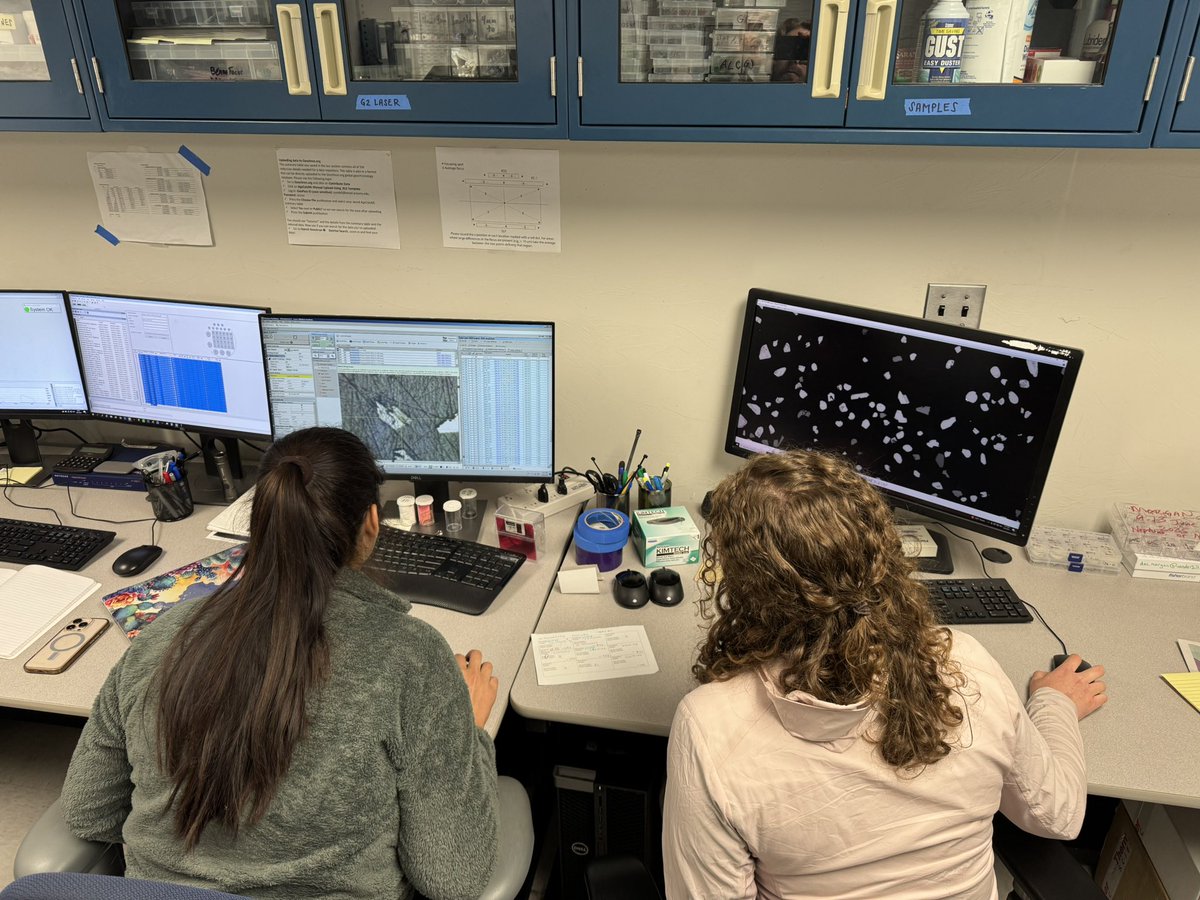
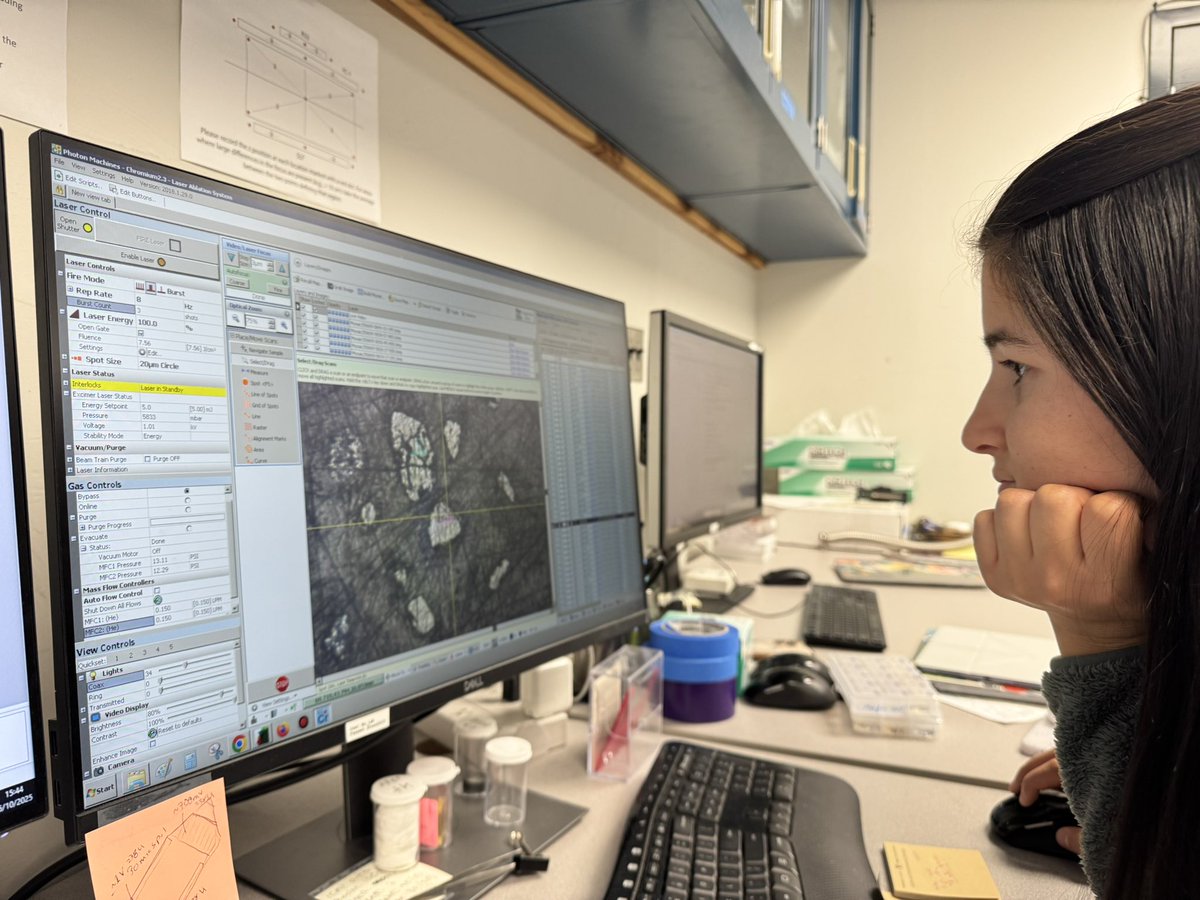
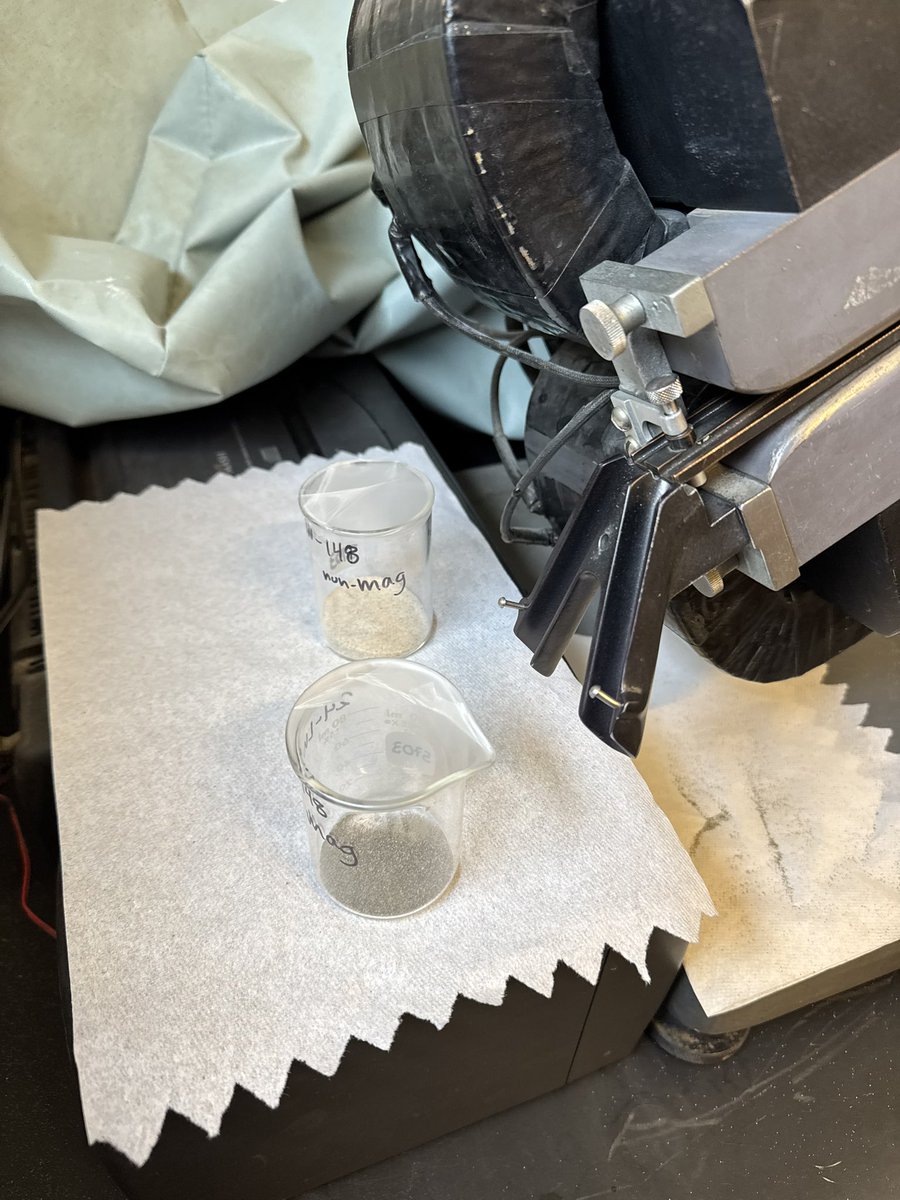
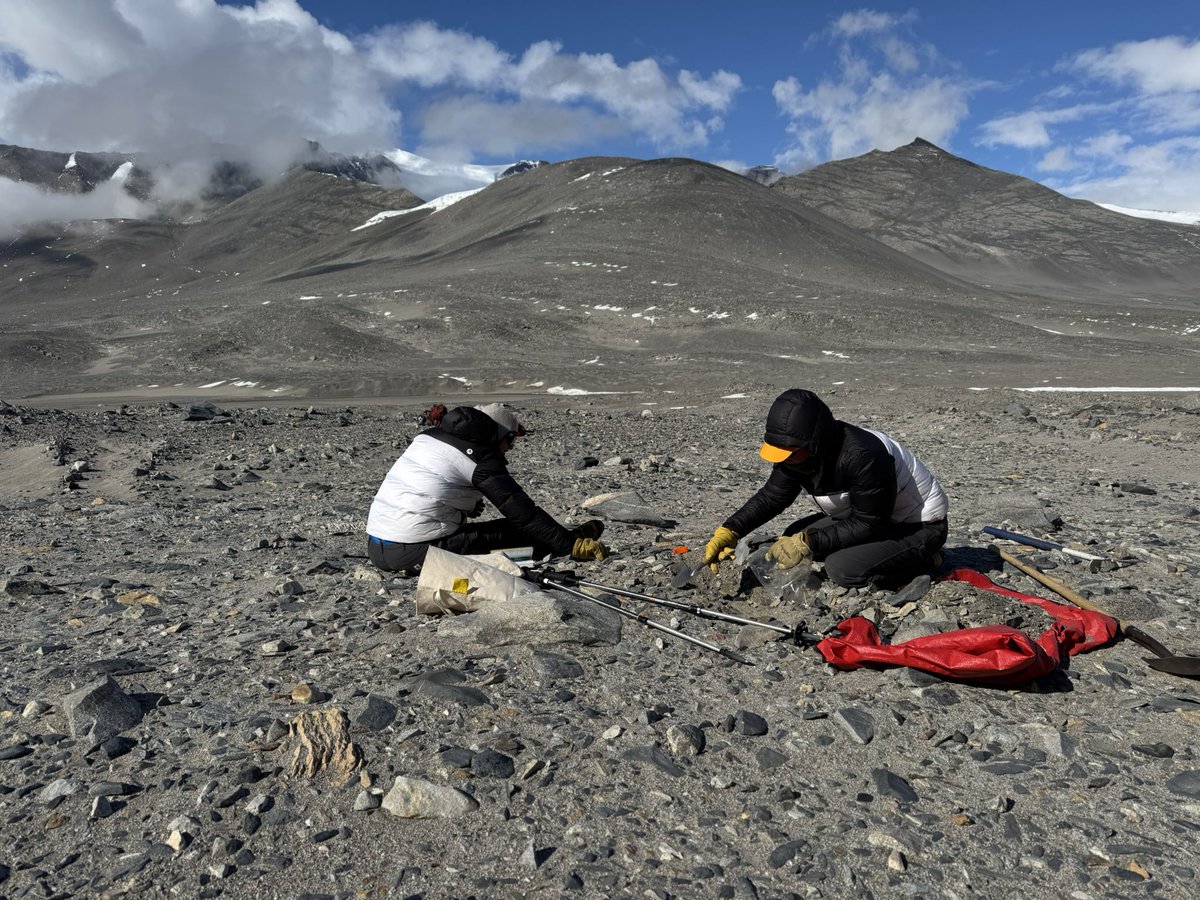
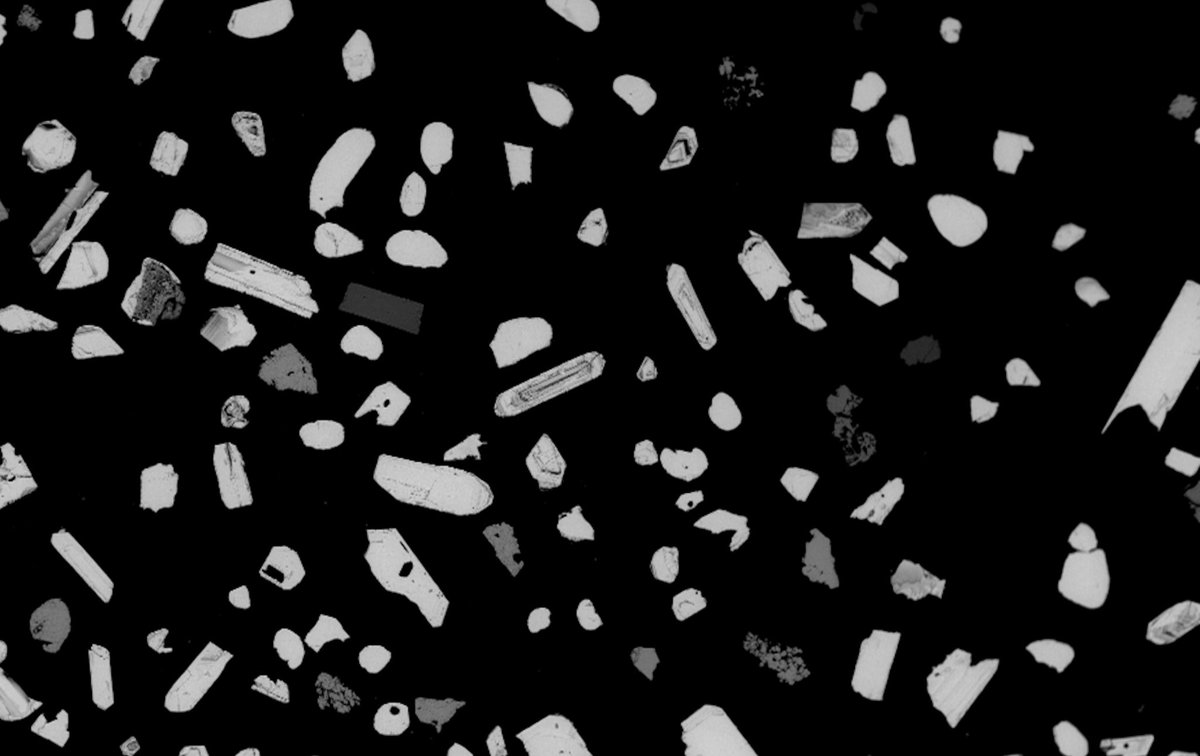
We had a great week in Tucson at the AZ Laserchron! We used the LA-ICP-MS to measure U and Pb isotopes to date #zircon in glacial tills from #Antarctica. In 6 days we analyzed 15 samples, 6,000 zircon grains, and the laser fired 786,000 times! #nsffunded#undergradresearch
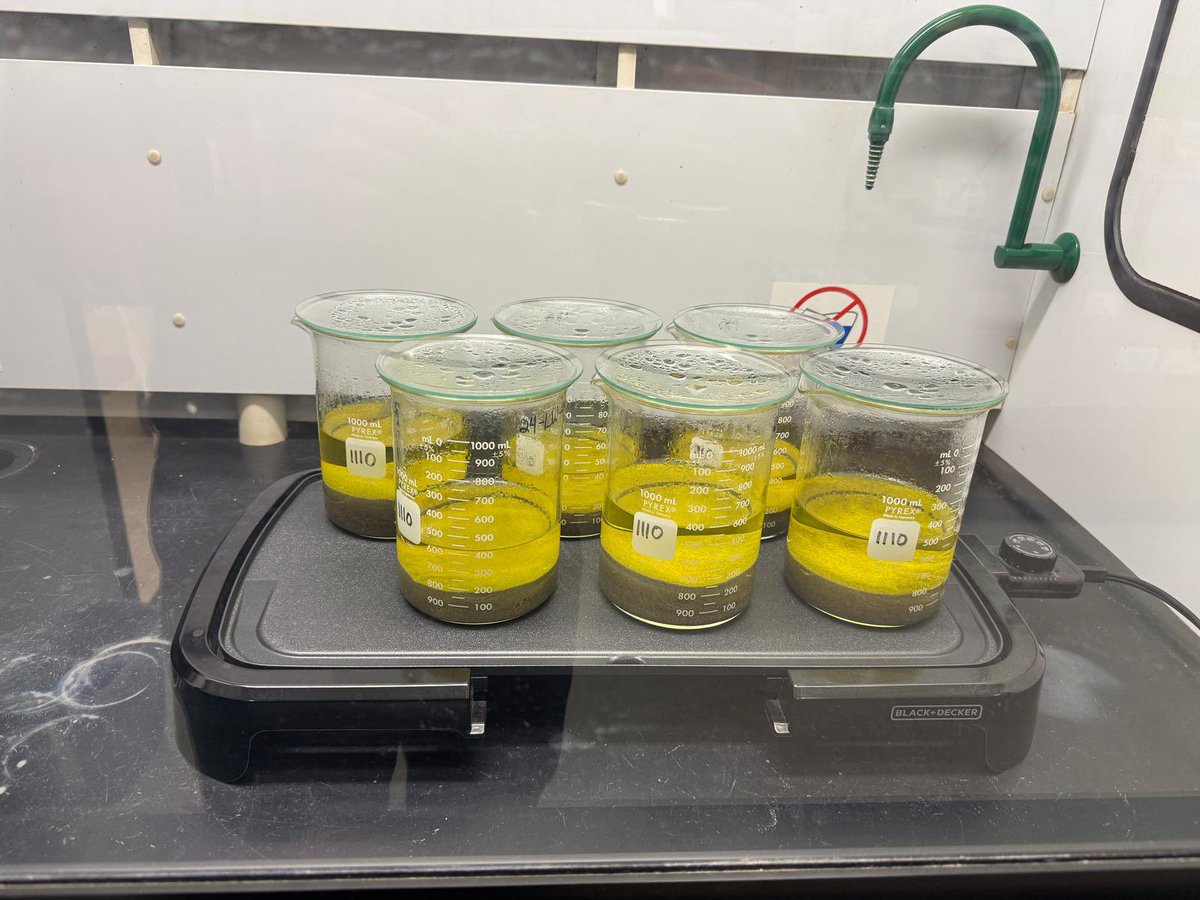
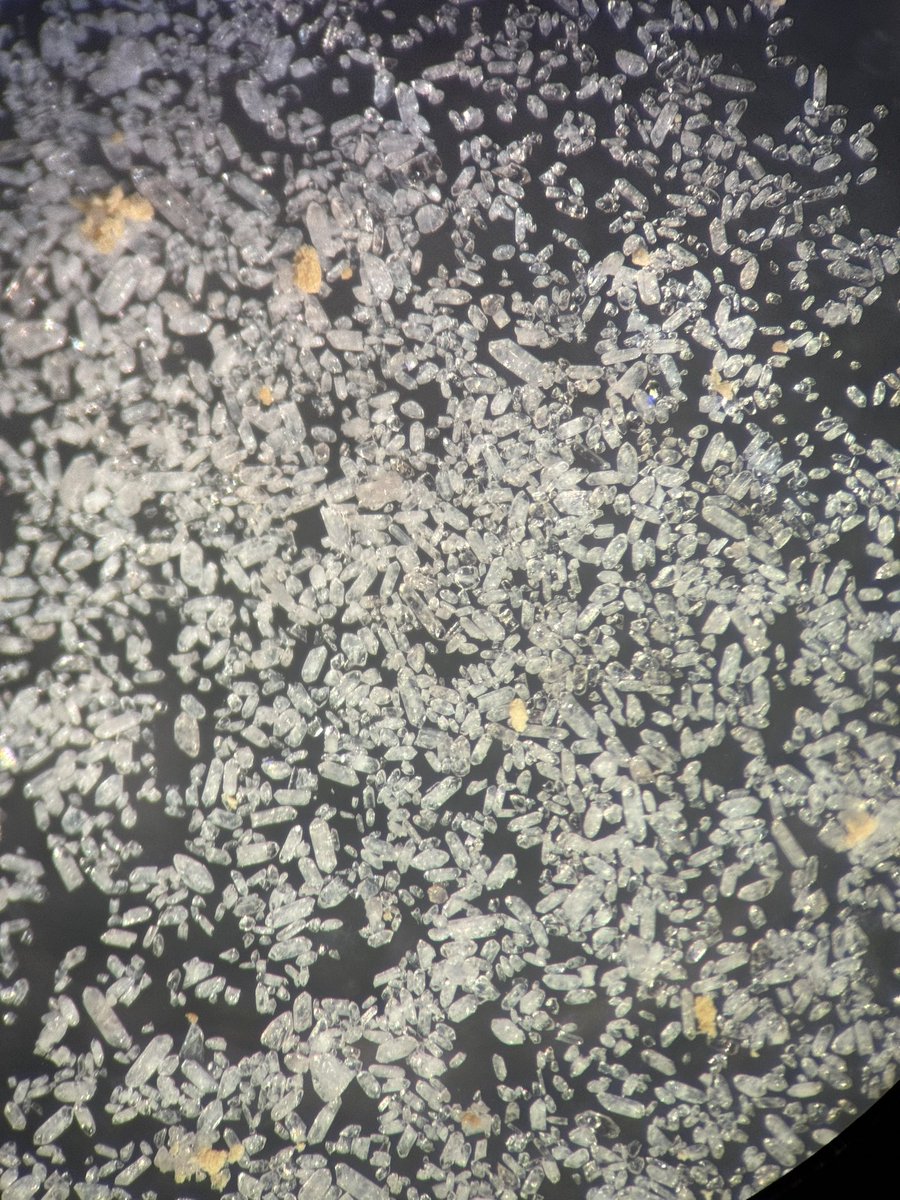
The lab has been busy this semester. Lots of mineral separations to get zircon minerals from glacial tills from #Antarctica. Look at how many zircon we got from on sample from Wright Valley! #nsffunded#undergraduateresearch
A comprehensive assessment of the world’s glaciers shows the ice lost each year amounts to the water intake of the entire global population in 30 years. https://t.co/iOWVw0auhq
First attempts at an indentor/escape sandbox model setup. I always wondered how this might work. Coulombic aspects apply, so blocks aren’t driven outwards until enough wedge builds up, a major difference from a metal/plasticine setup. The internally undeformed blocks are cool.
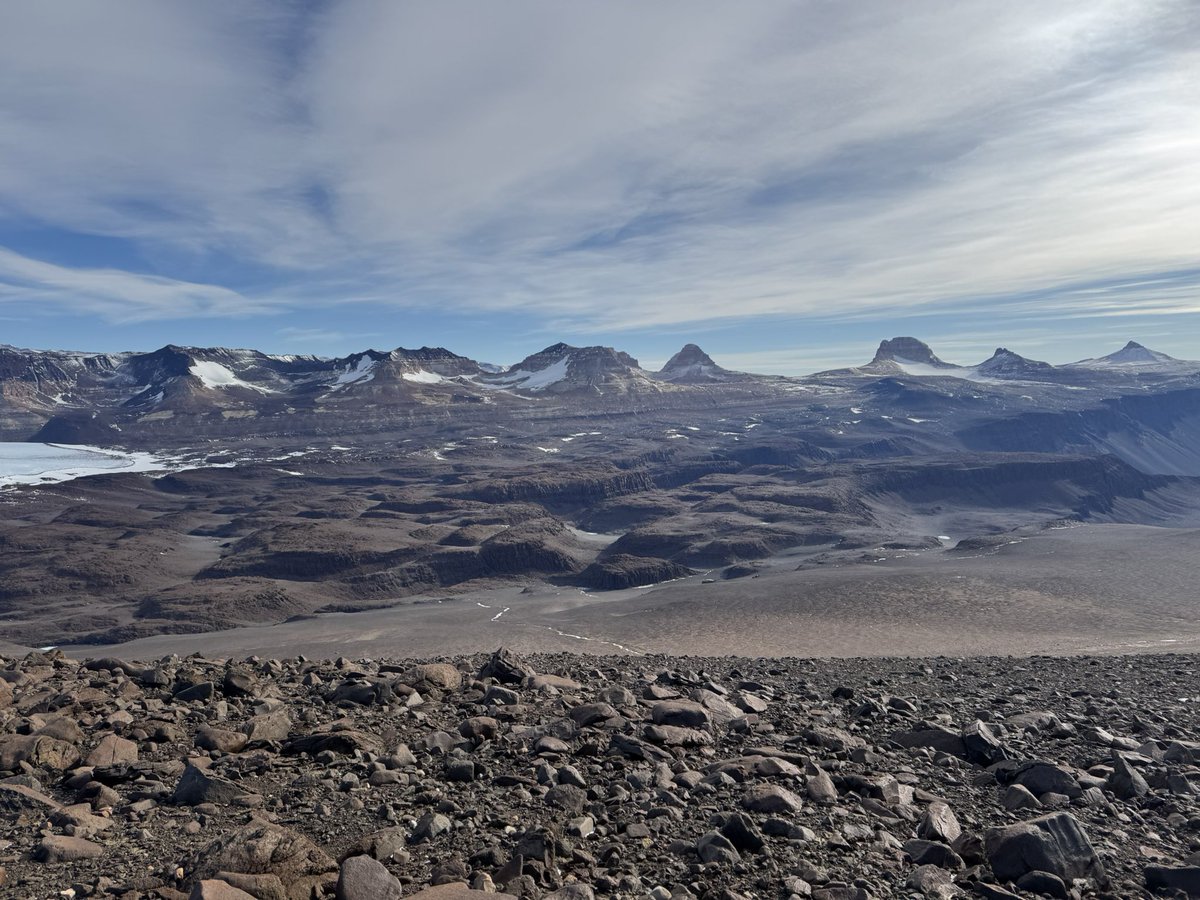
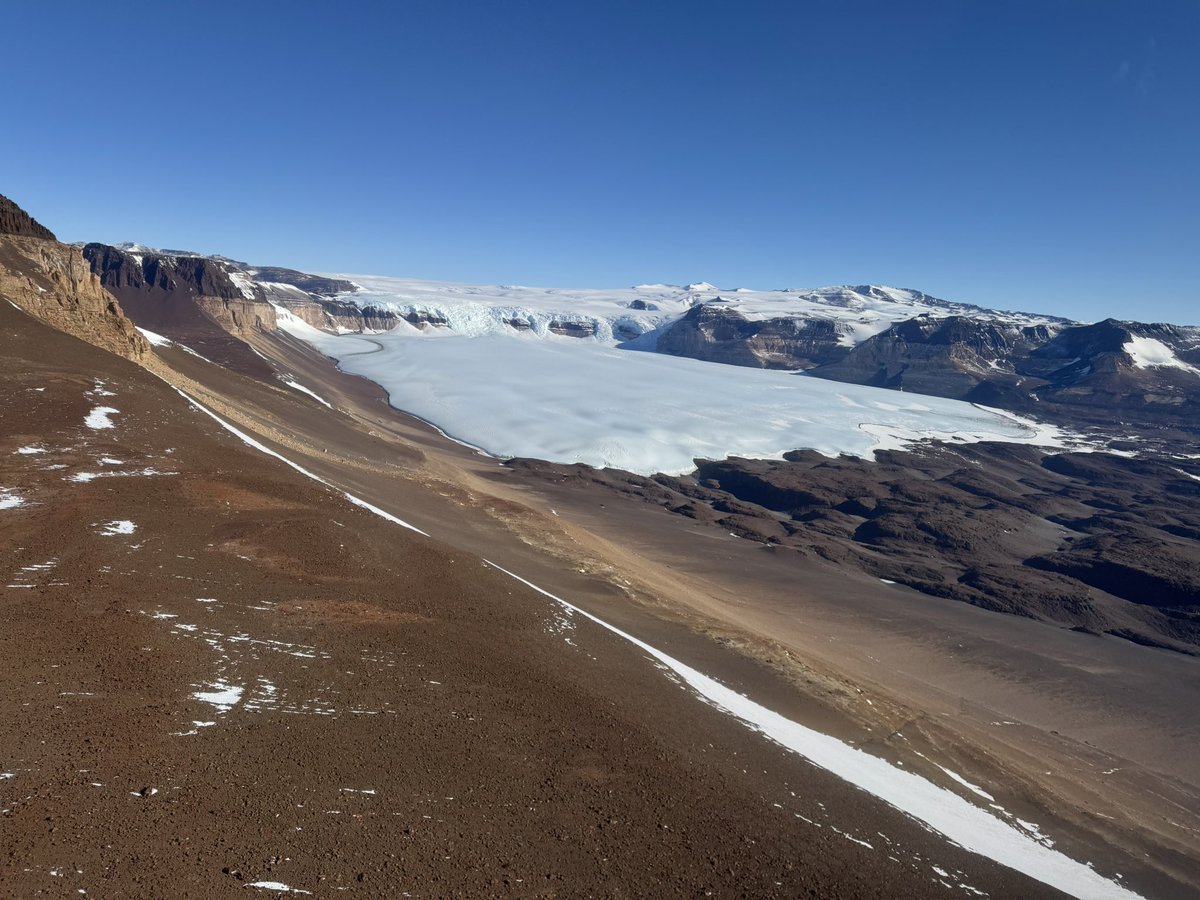
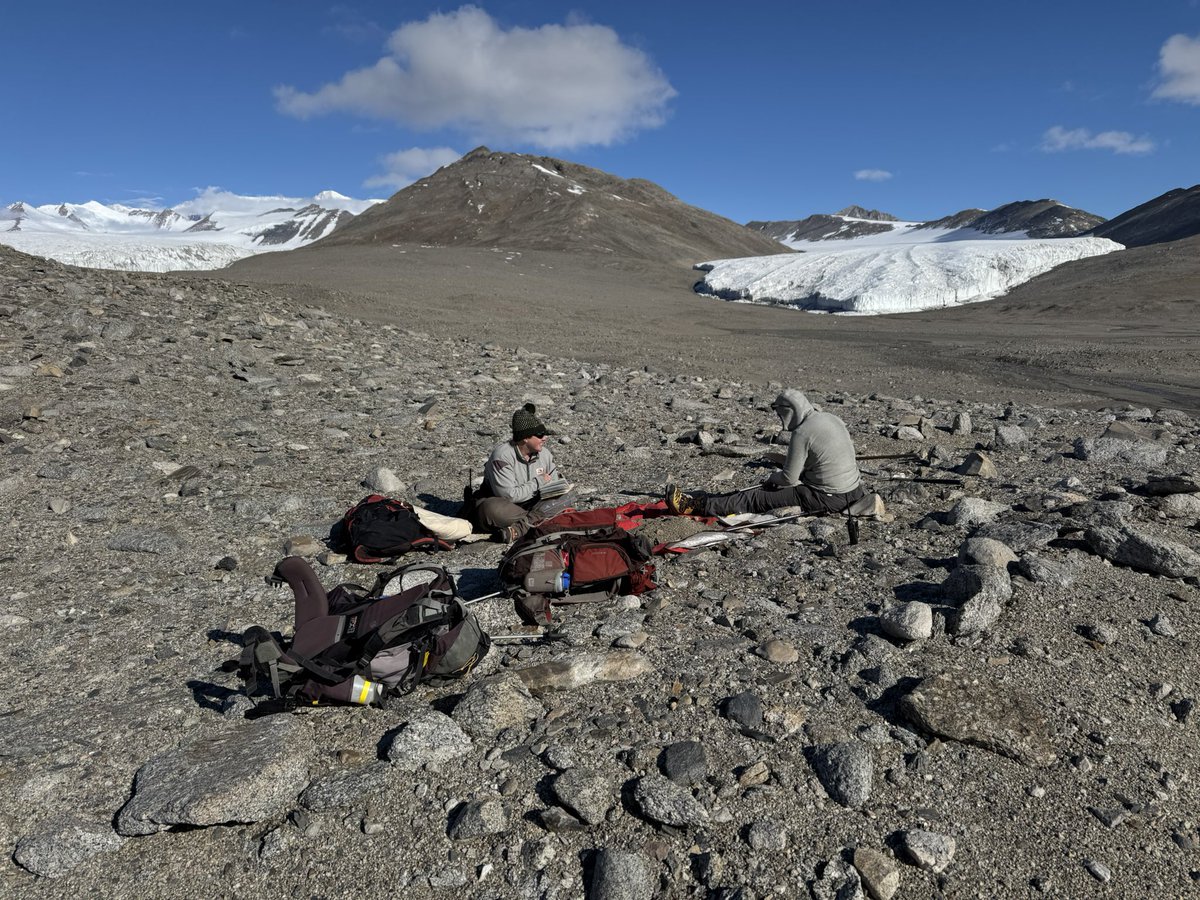
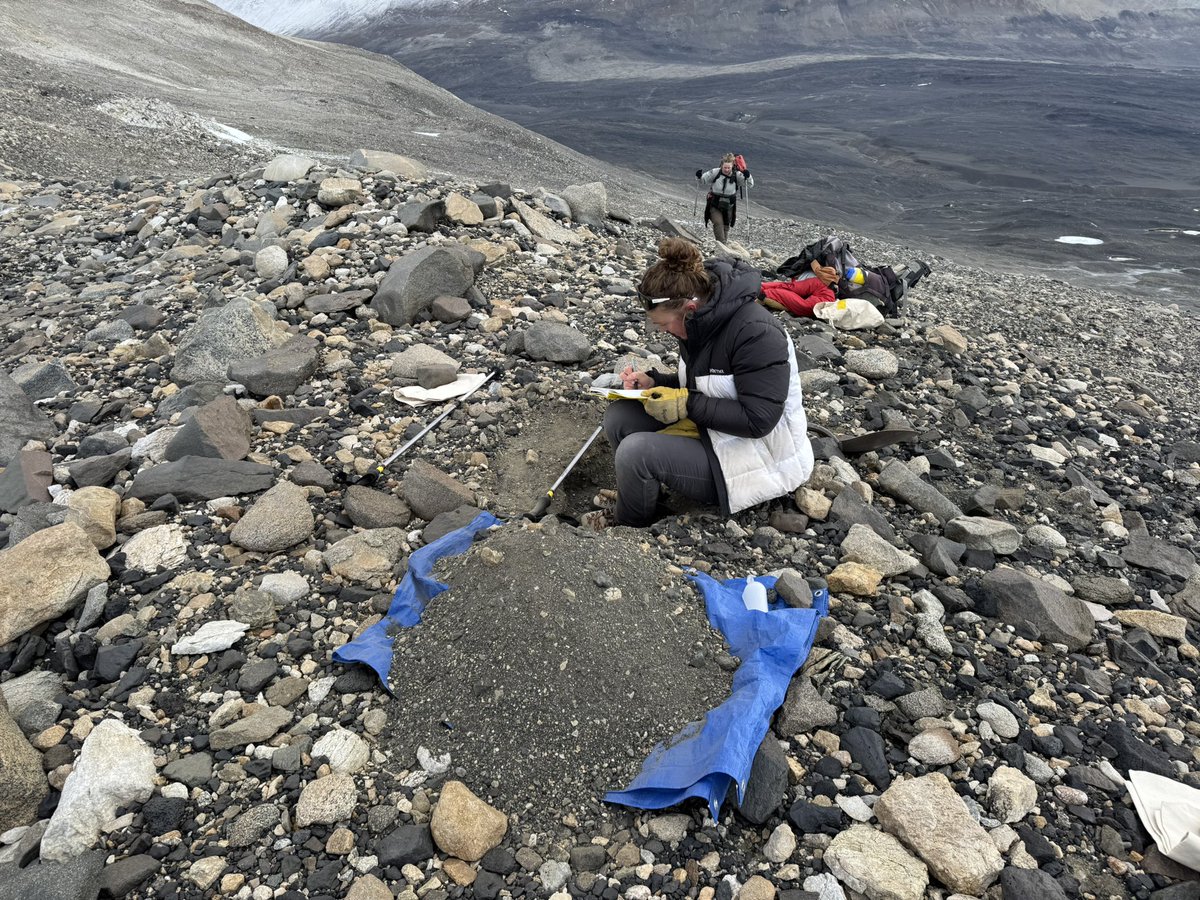
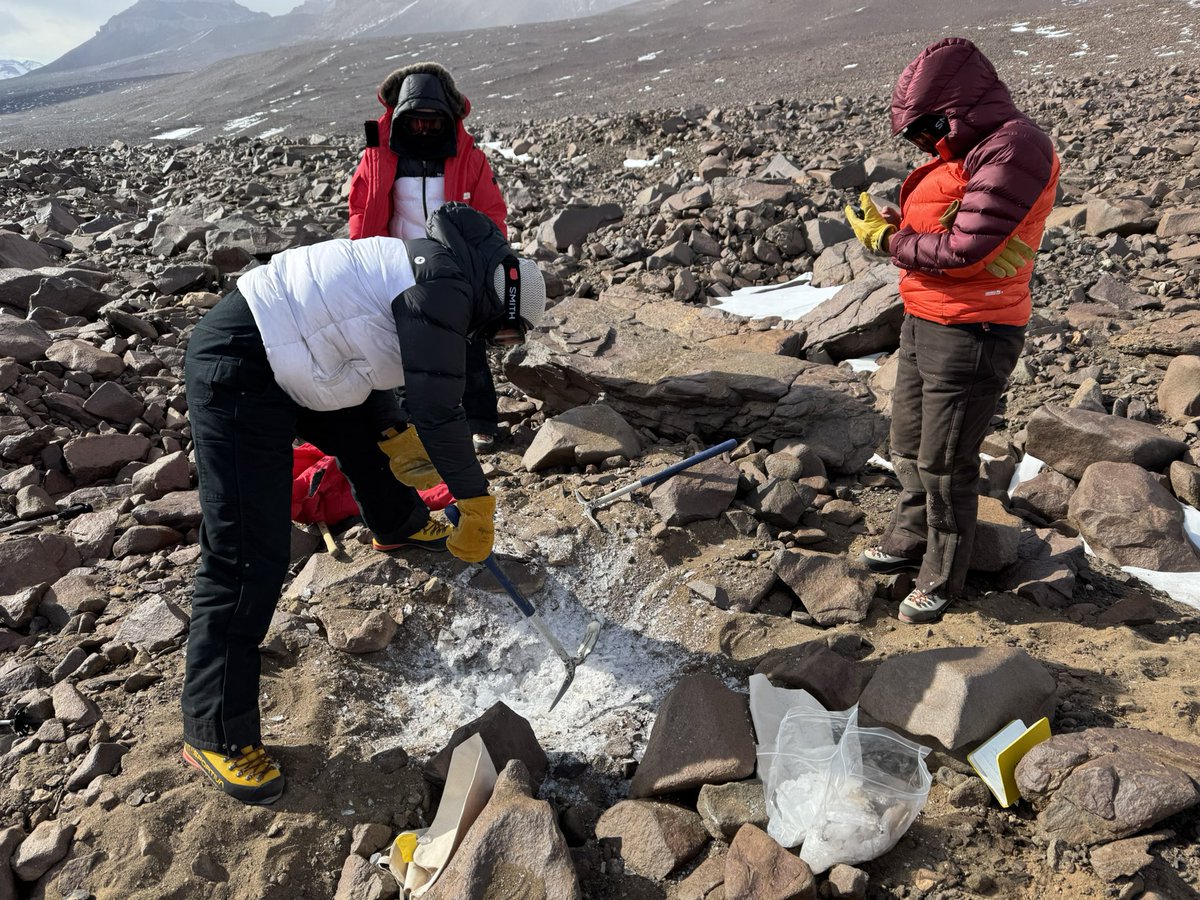
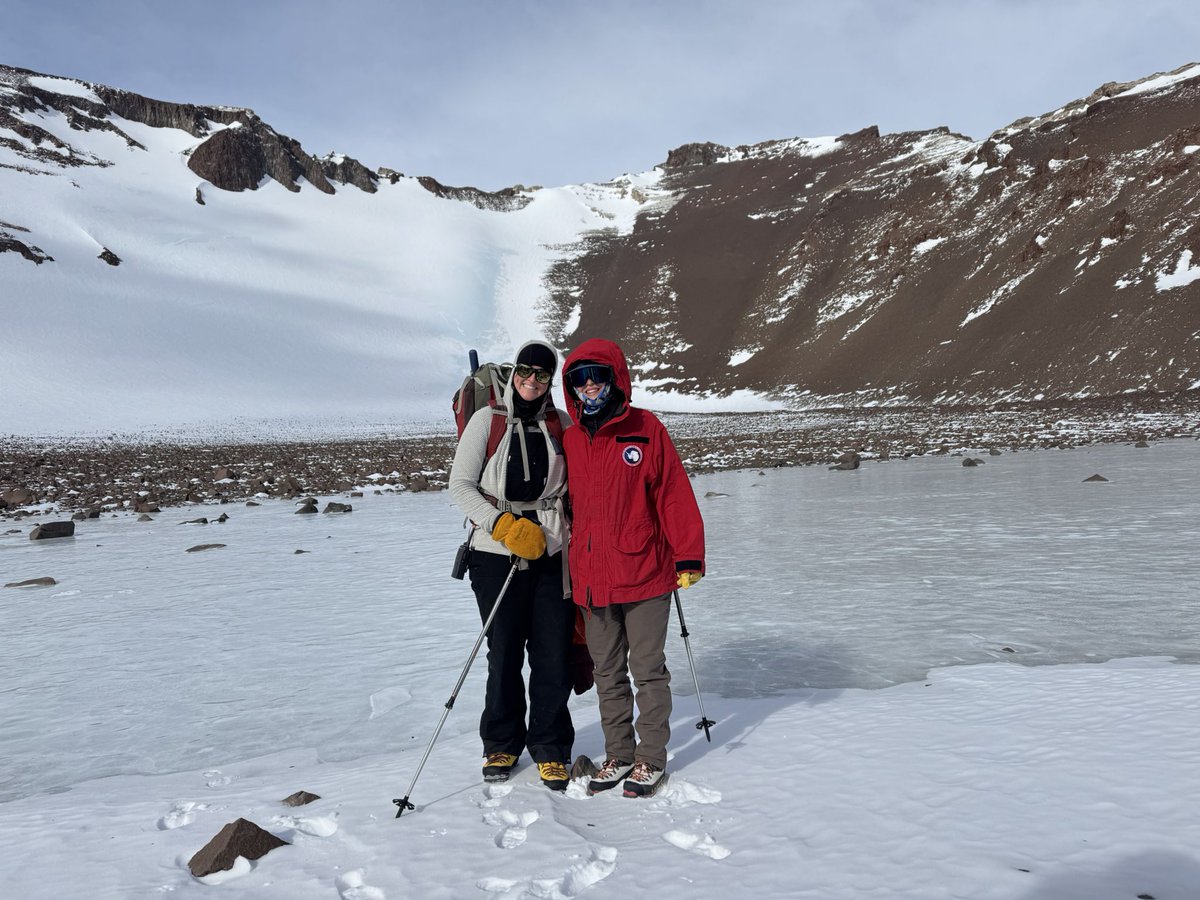
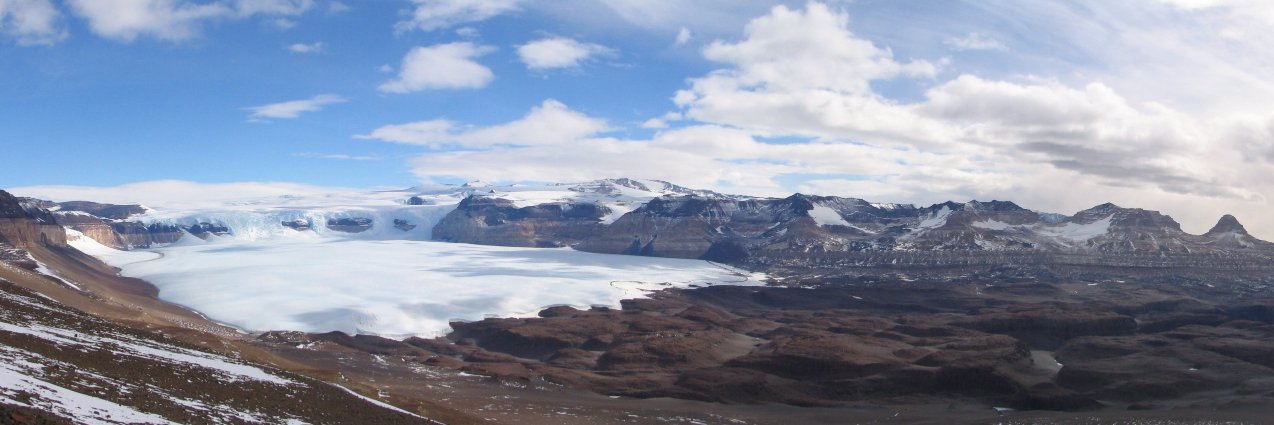
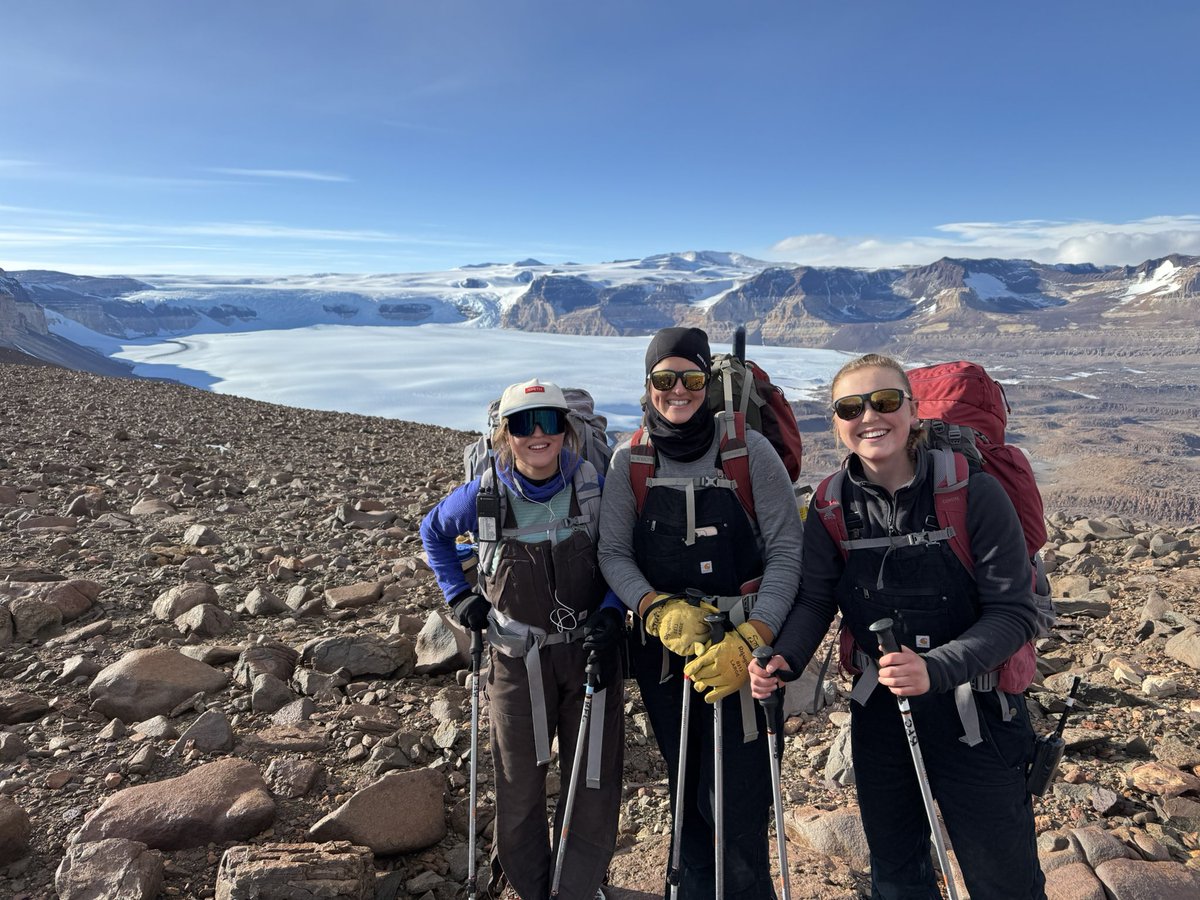
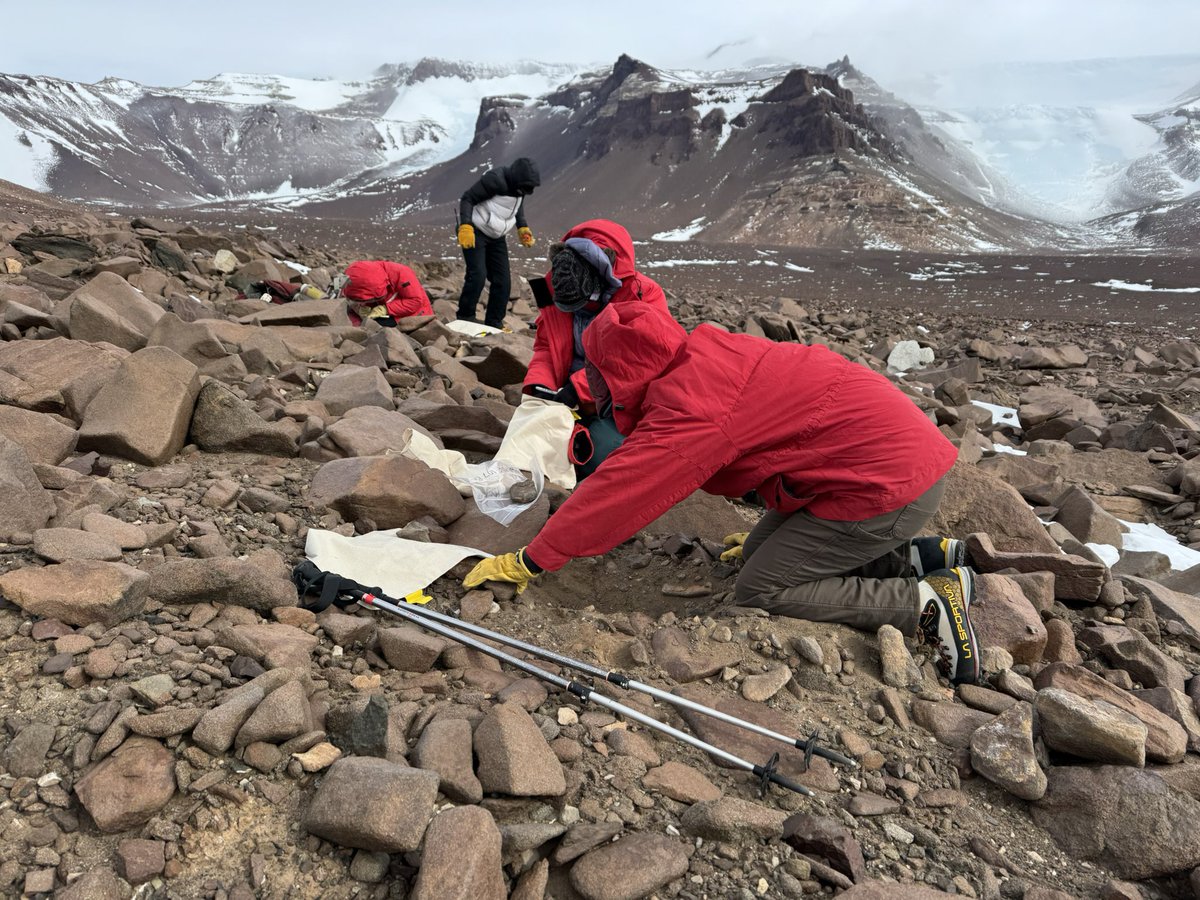
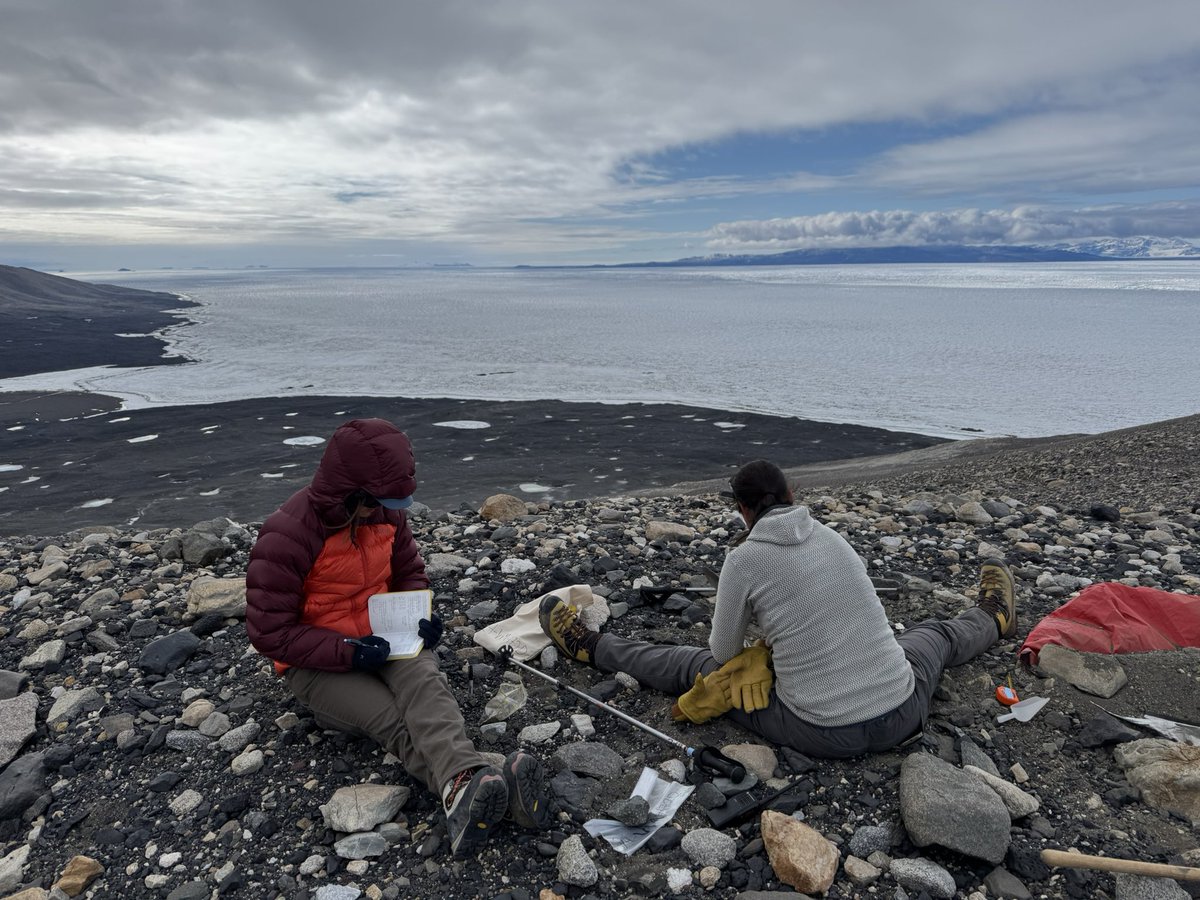
Koenig Valley is above one of the most spectacular views in the world! Airdevronsix Ice Falls and the Labyrinth lie 2,500 feet below our camp. We hiked down to the Labyrinth to collect rock and ice samples that we’ll compare to the old glacial tills up in the valley. #Antarctica
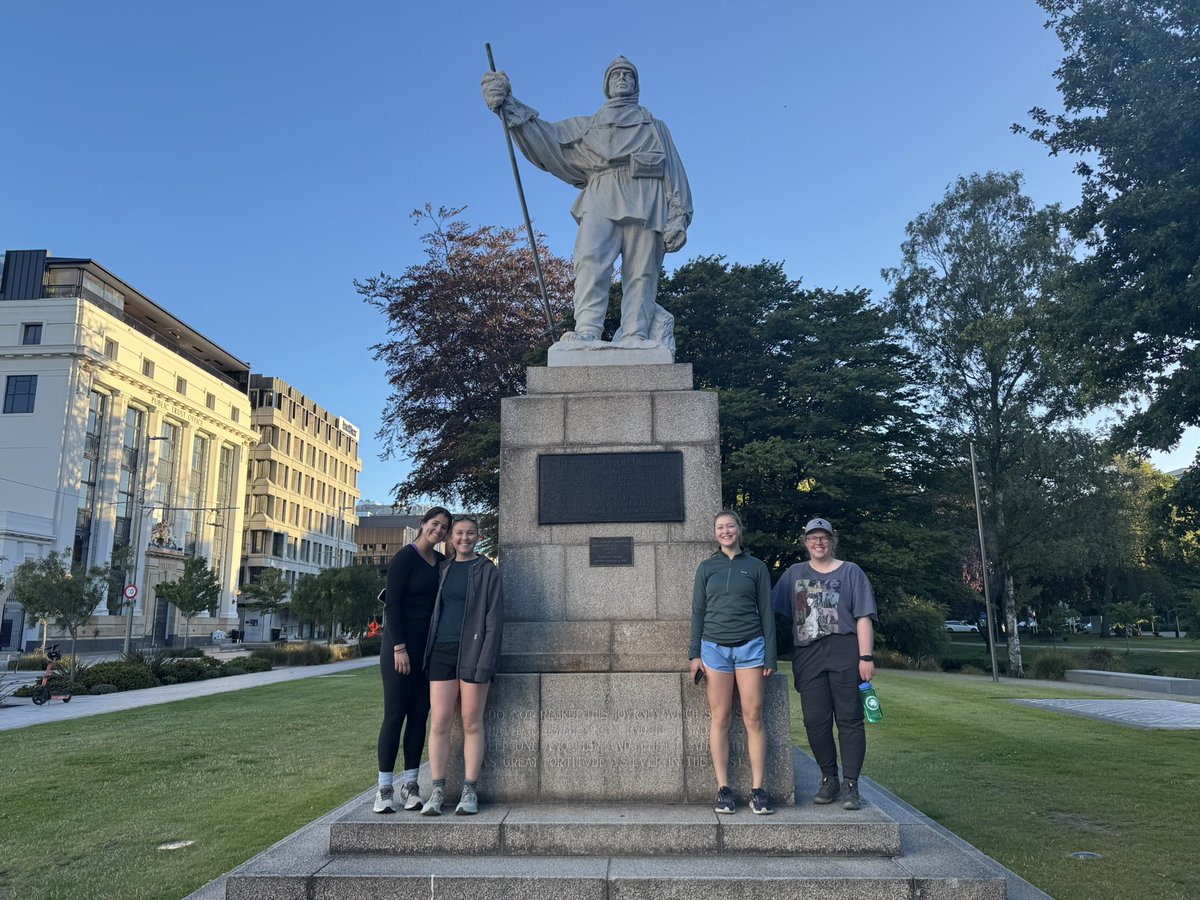
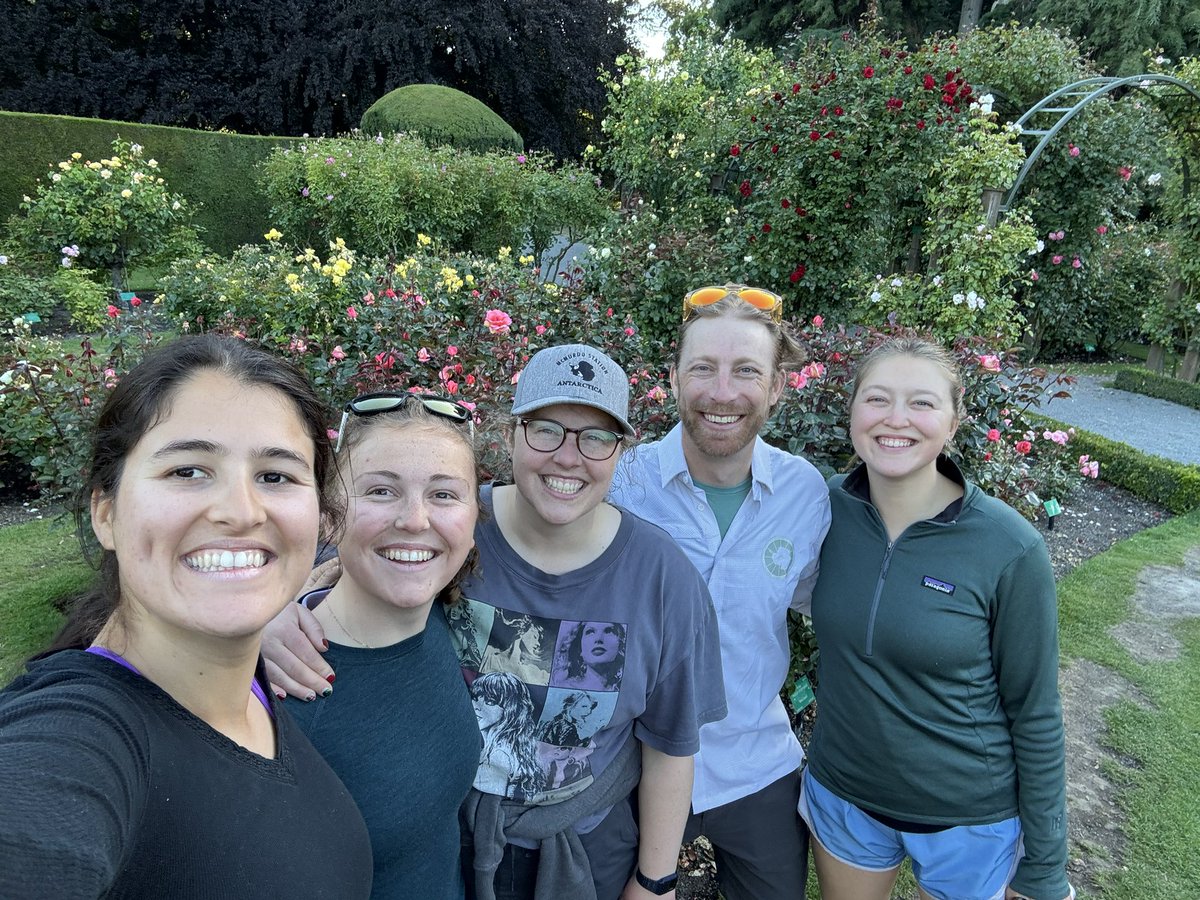
The #VAMPIRE team arrived in #Antarctica on 11/6 and left on 1/6. We flew by #LC130 back to #NewZealand and visited the botanic gardens and #RobertScott statue we saw two months earlier. Then it was back to @vanderbiltu for the spring semester!
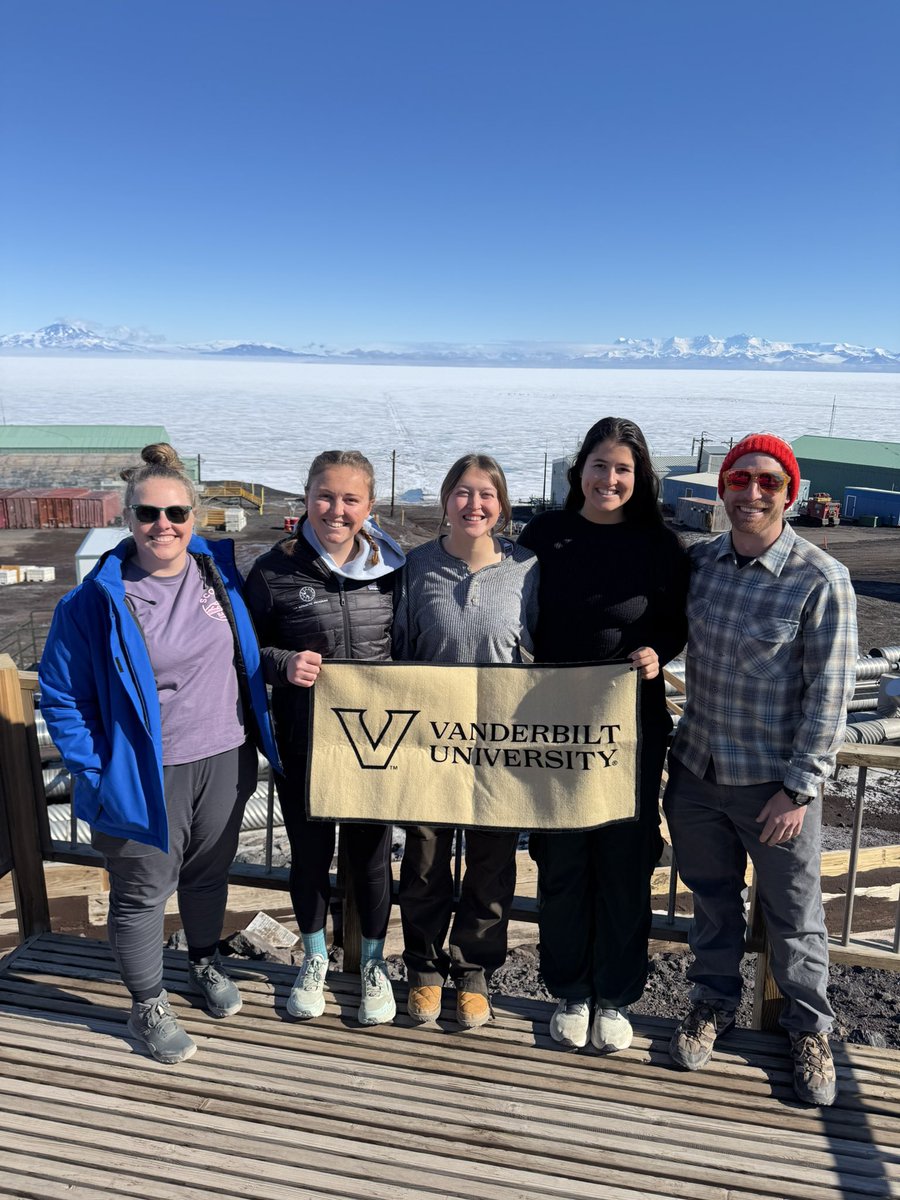
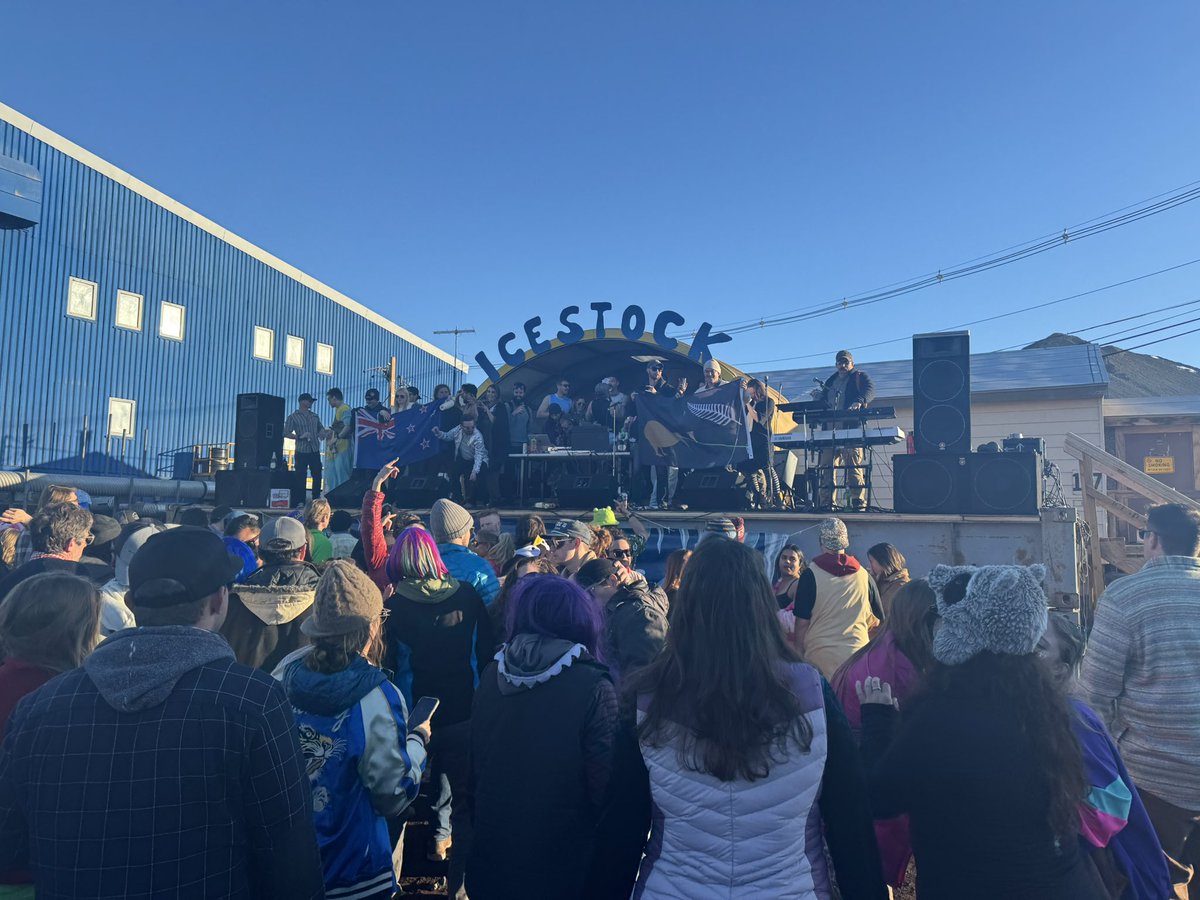
After 40 days of field work, the #VAMPIRE team returned to McMurdo Station. We cleaned our gear and packed our samples for shipping. We collected 485 unique samples, which weighed over 1,500 lbs! We also celebrated the New Year at #IceStock! #Antarctica
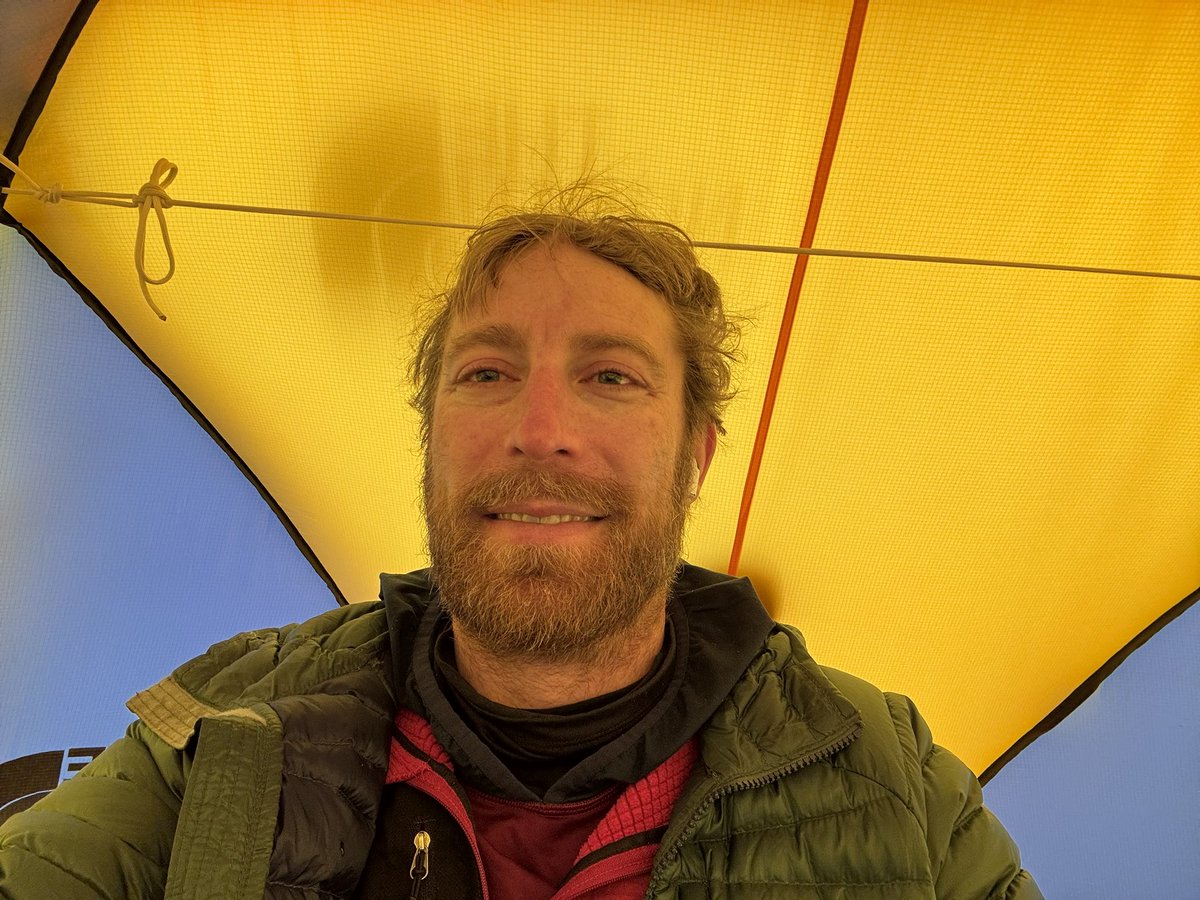
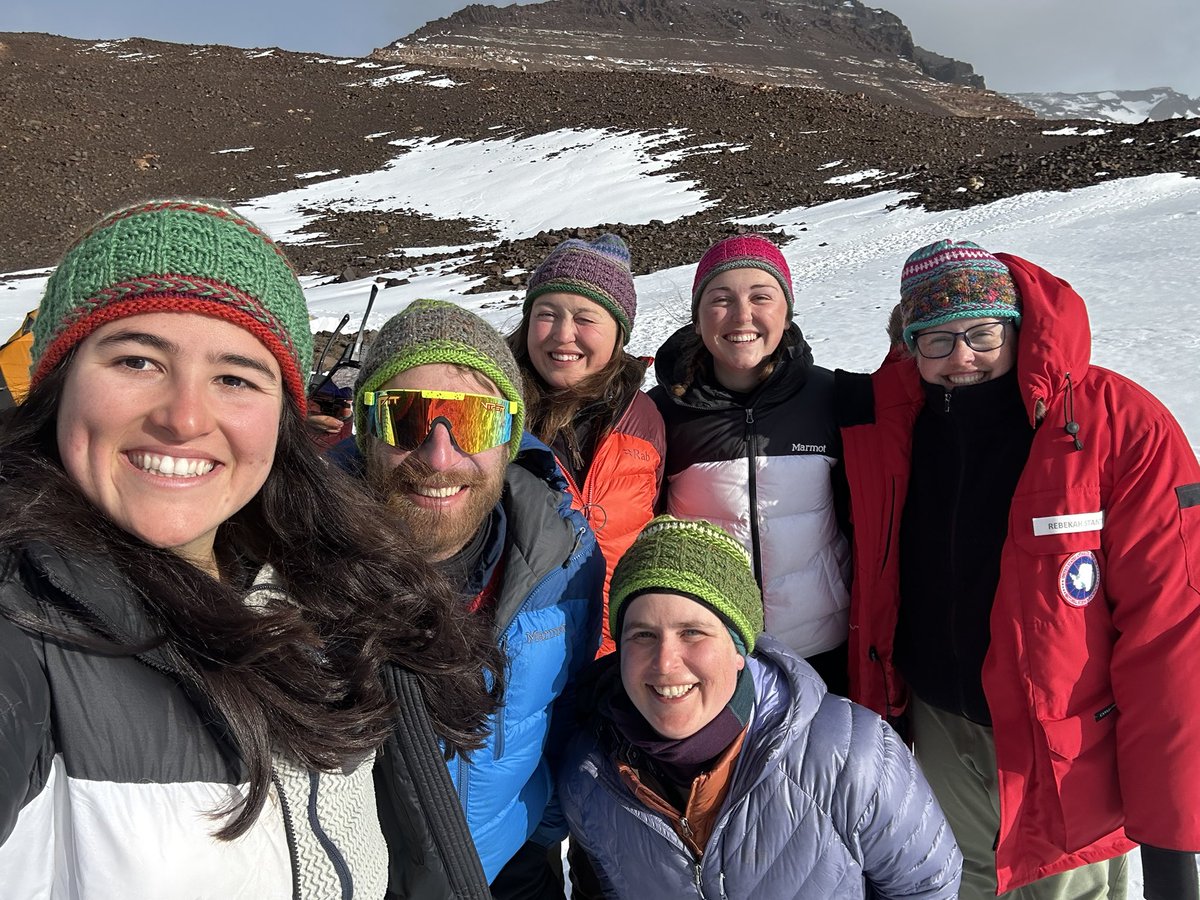
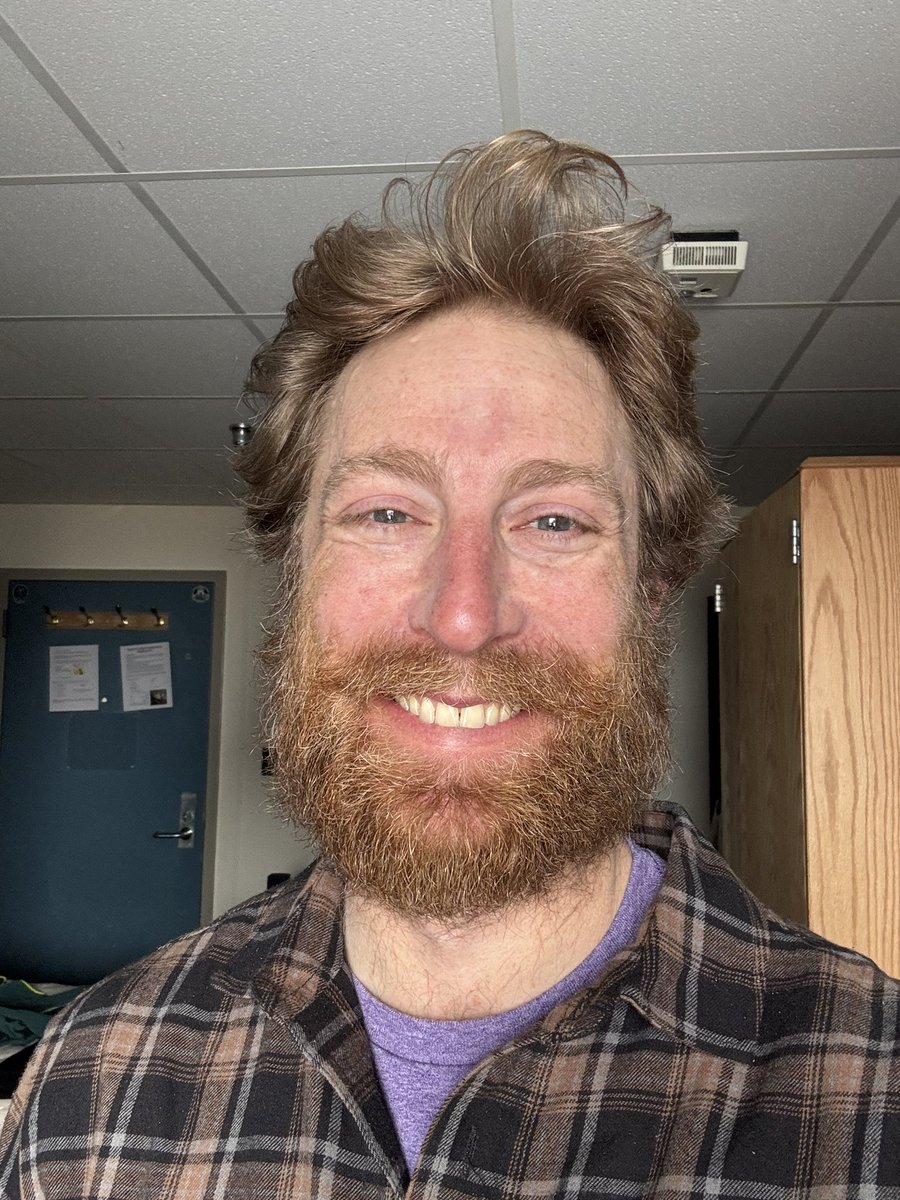
Here are some selfies from the first and last day of field work. Then the first shower after 40 days (!) and finally a beard trim to get rid of the fuzz. #Antarctica
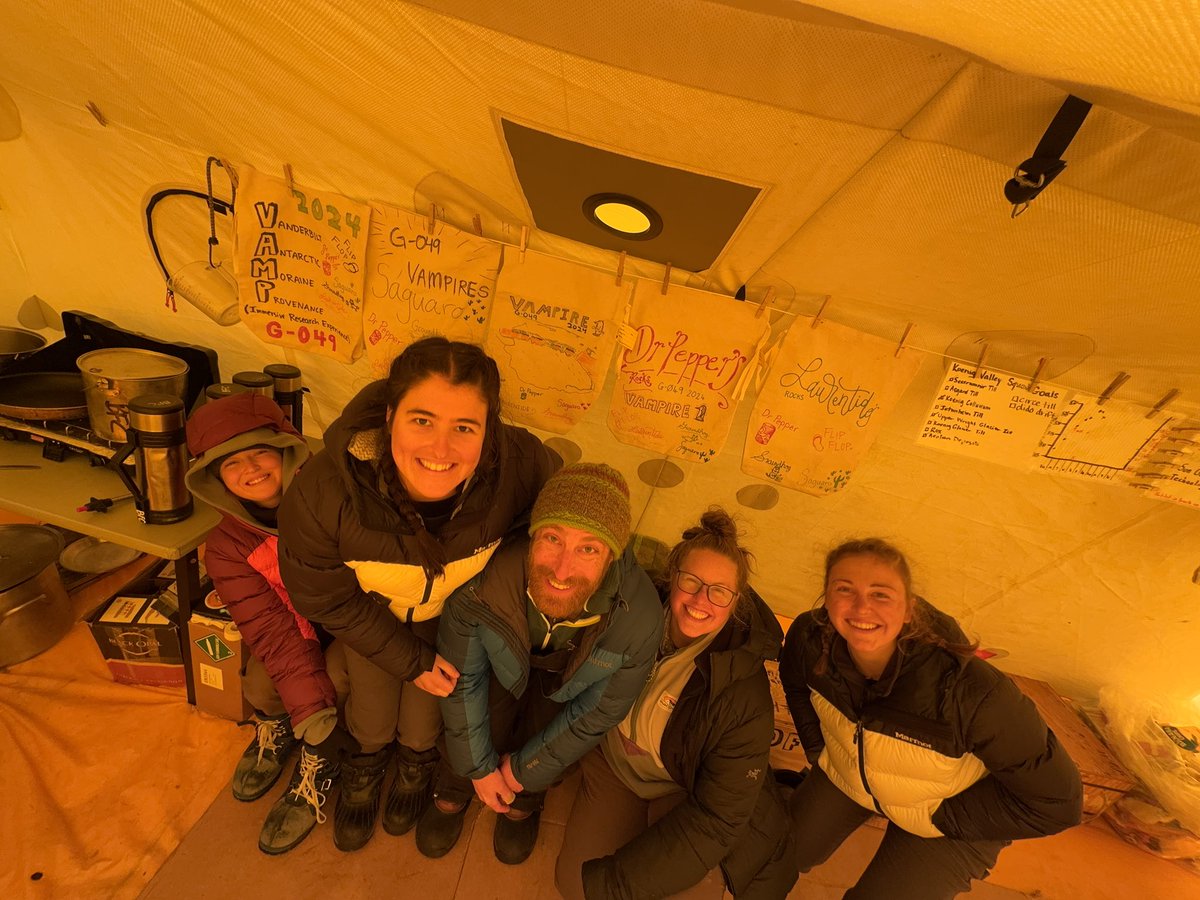
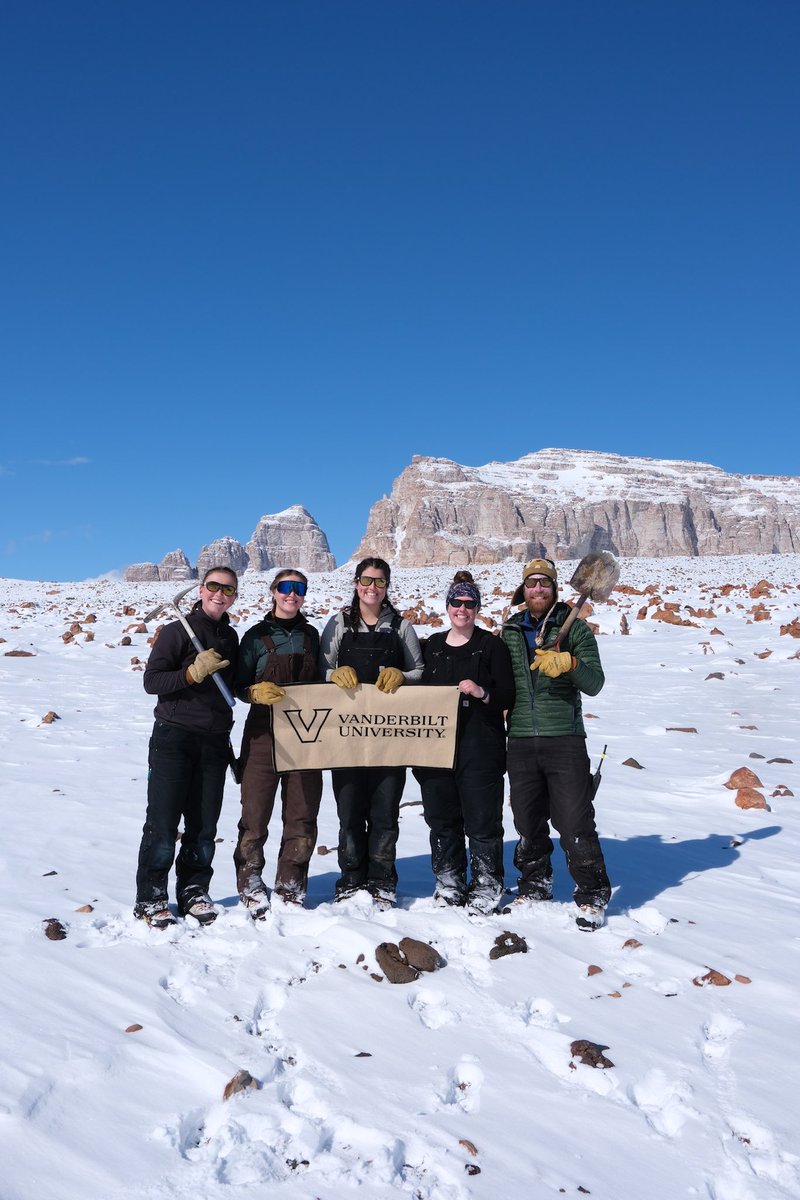
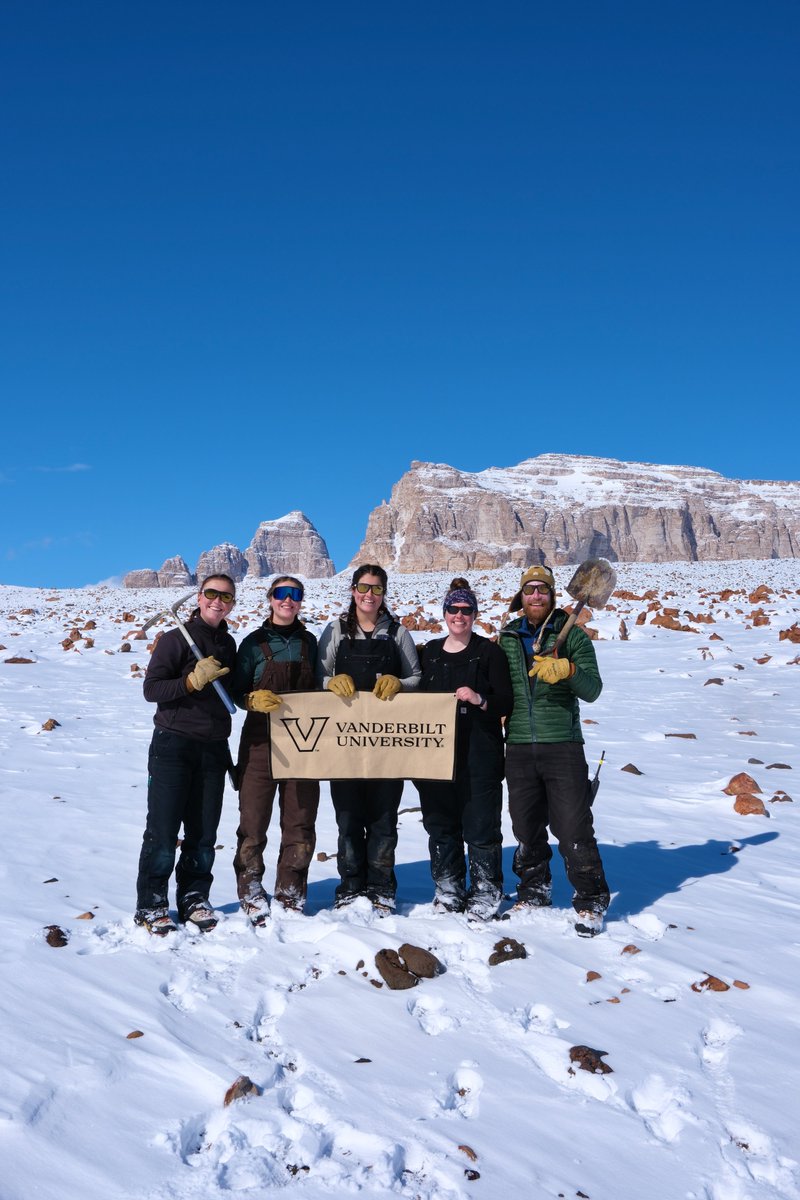
In late 2024, a team from VU conducted field research to study the glacial history of the Antarctic ice sheets. This included 40 days of camping in the McMurdo Dry Valleys to bring back sediment and rock samples for analysis in the Department of Earth and Environmental Sciences.
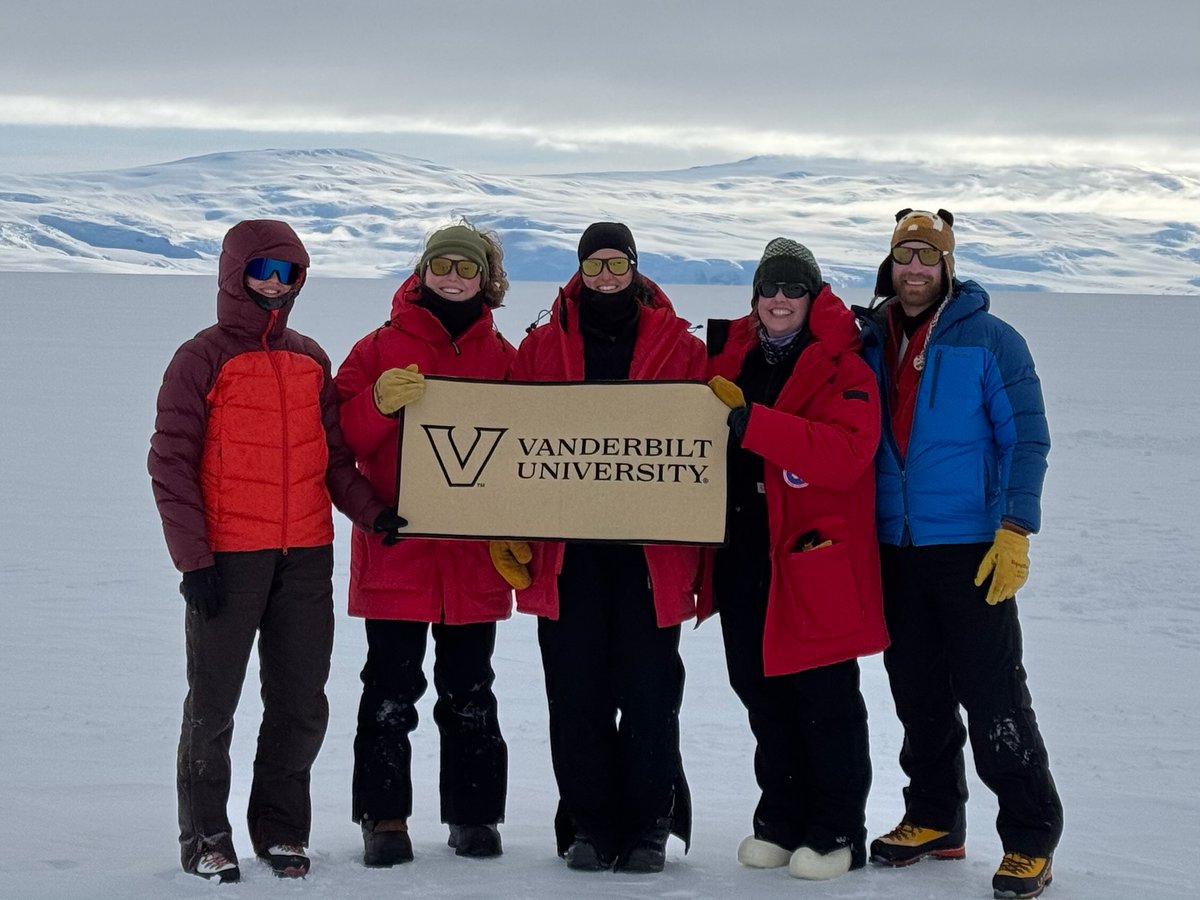
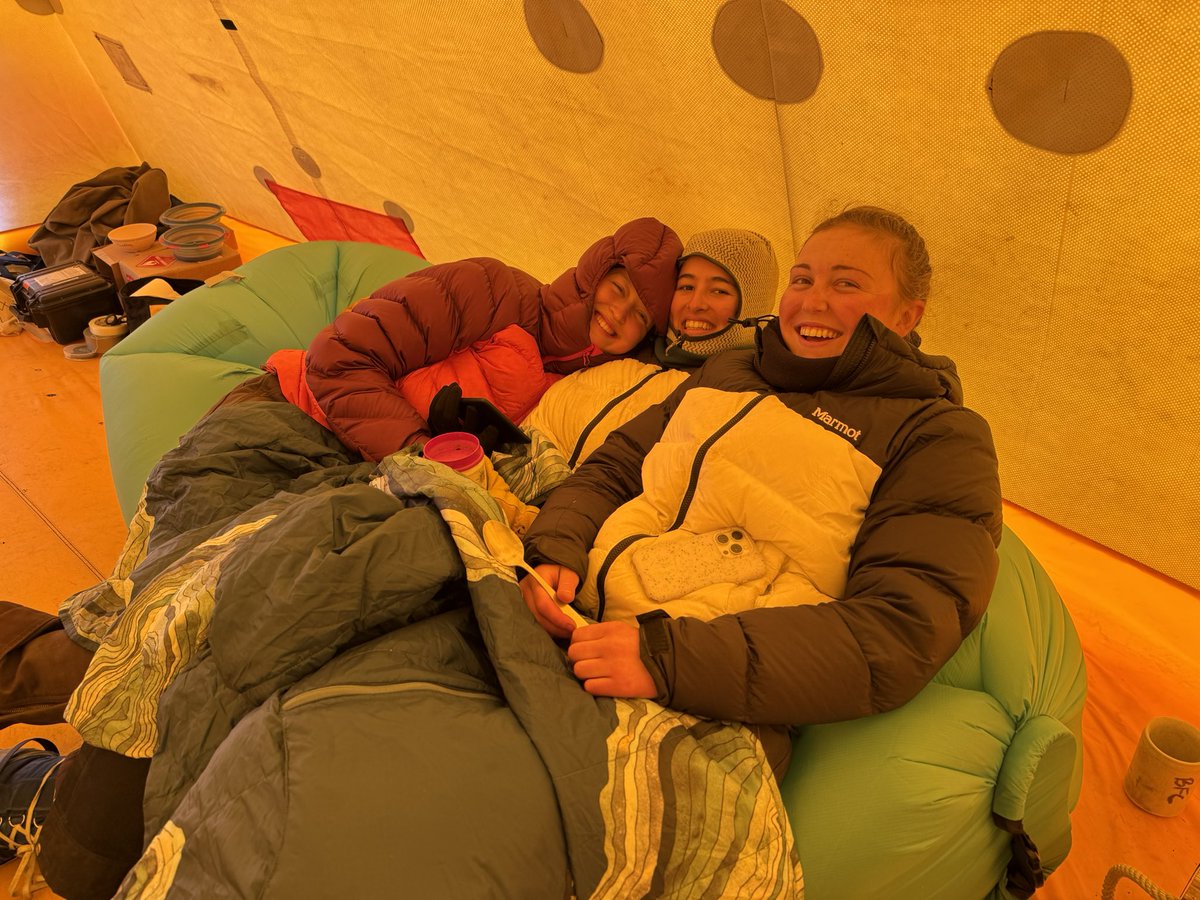
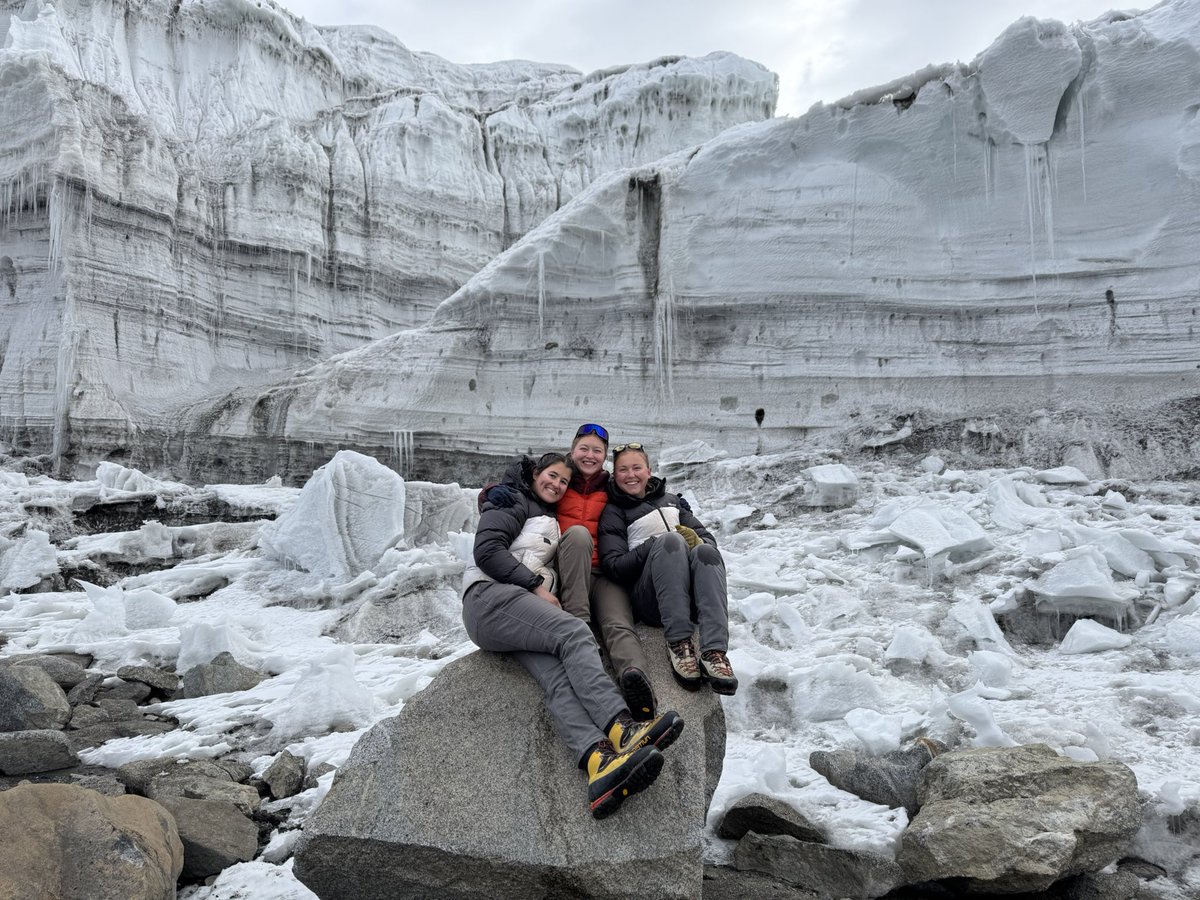
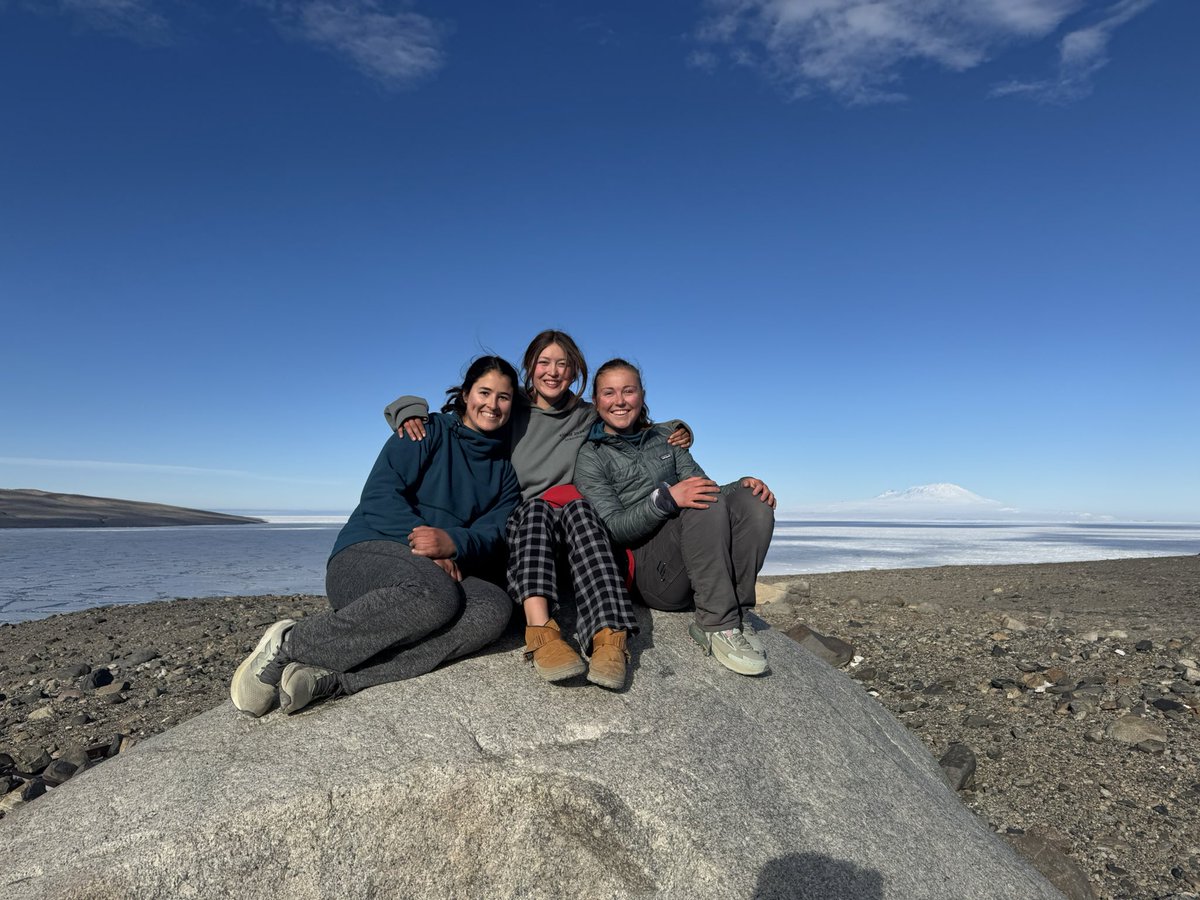
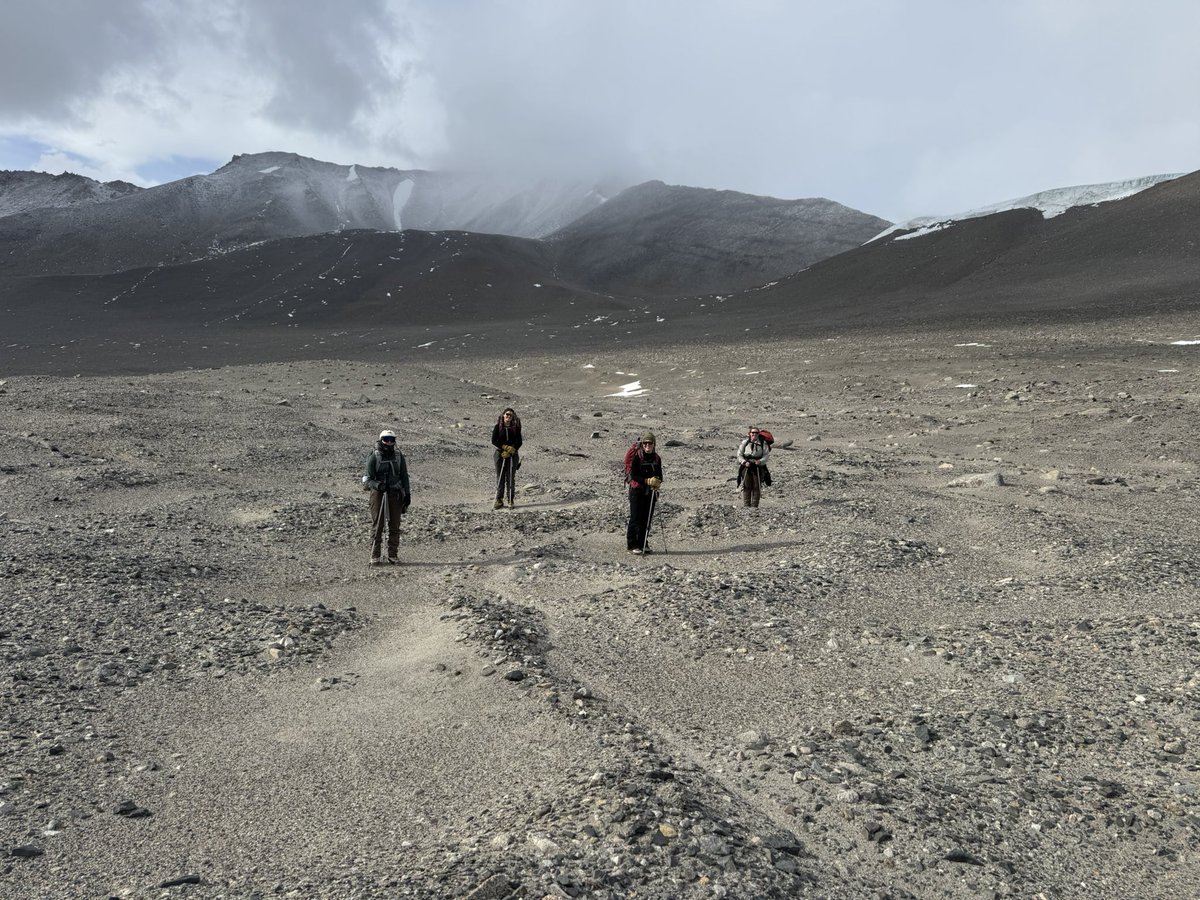
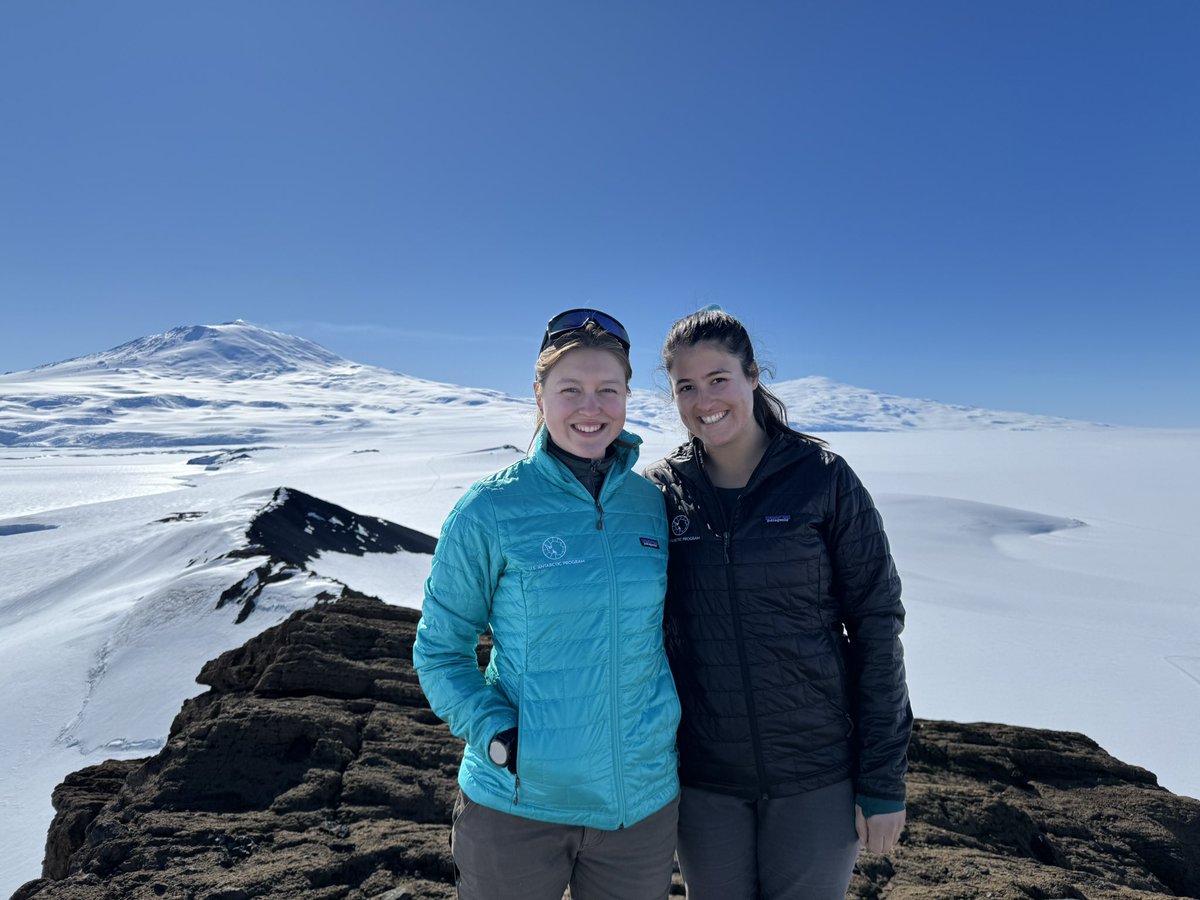
The #VAMPIRE team spent 40 days in the field this season. We had epic days, long hikes, harsh weather, and lots of laughs. I’m so proud of this team! We got to all our sites, collected all the samples we targeted (and more), and had a highly successful season! #Antarctica
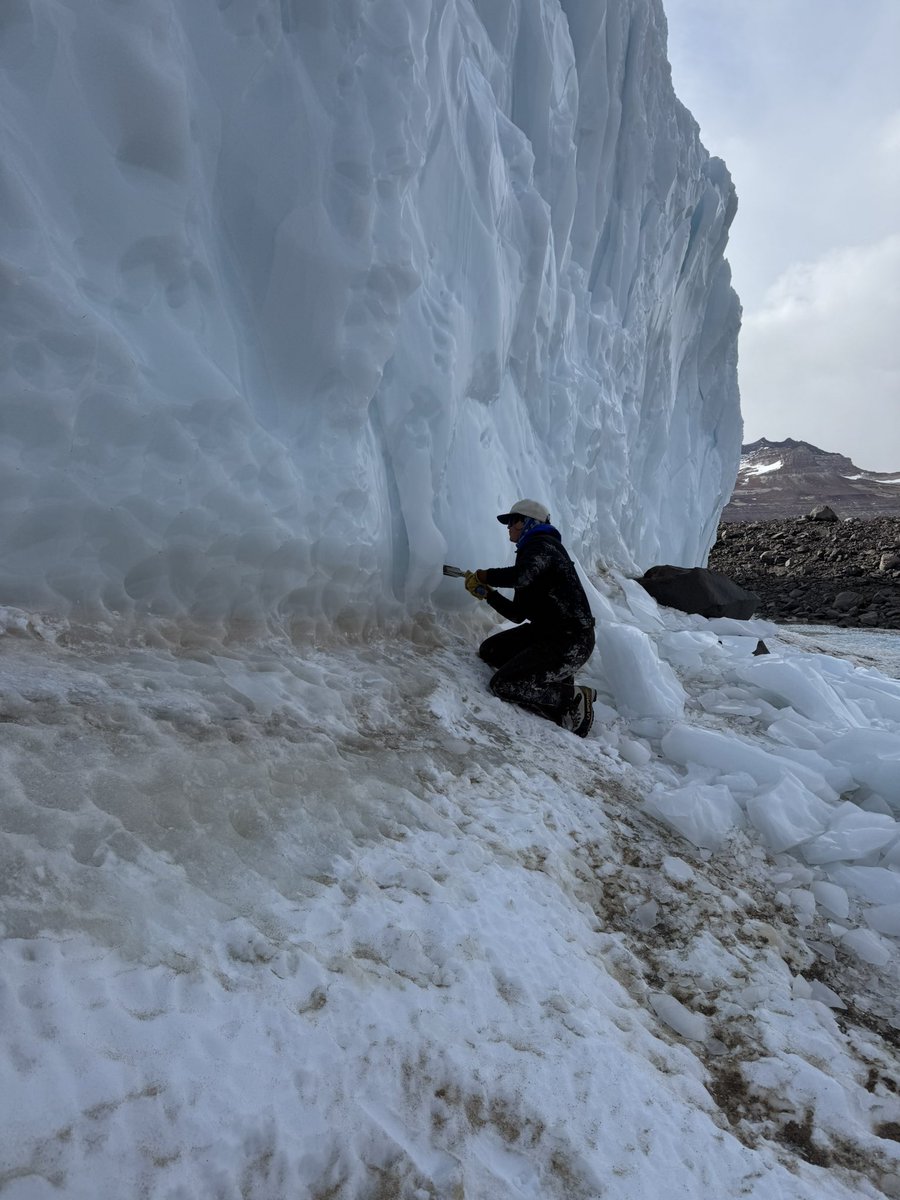
The #VAMPIRE team finished up field work with two day trips to Miers Valley to collect glacial tills deposited by the Ross Ice Sheet and the Miers #glacier. We collect ice and dirt from the glaciers today to compare to what they deposited in the past. #Antarctica
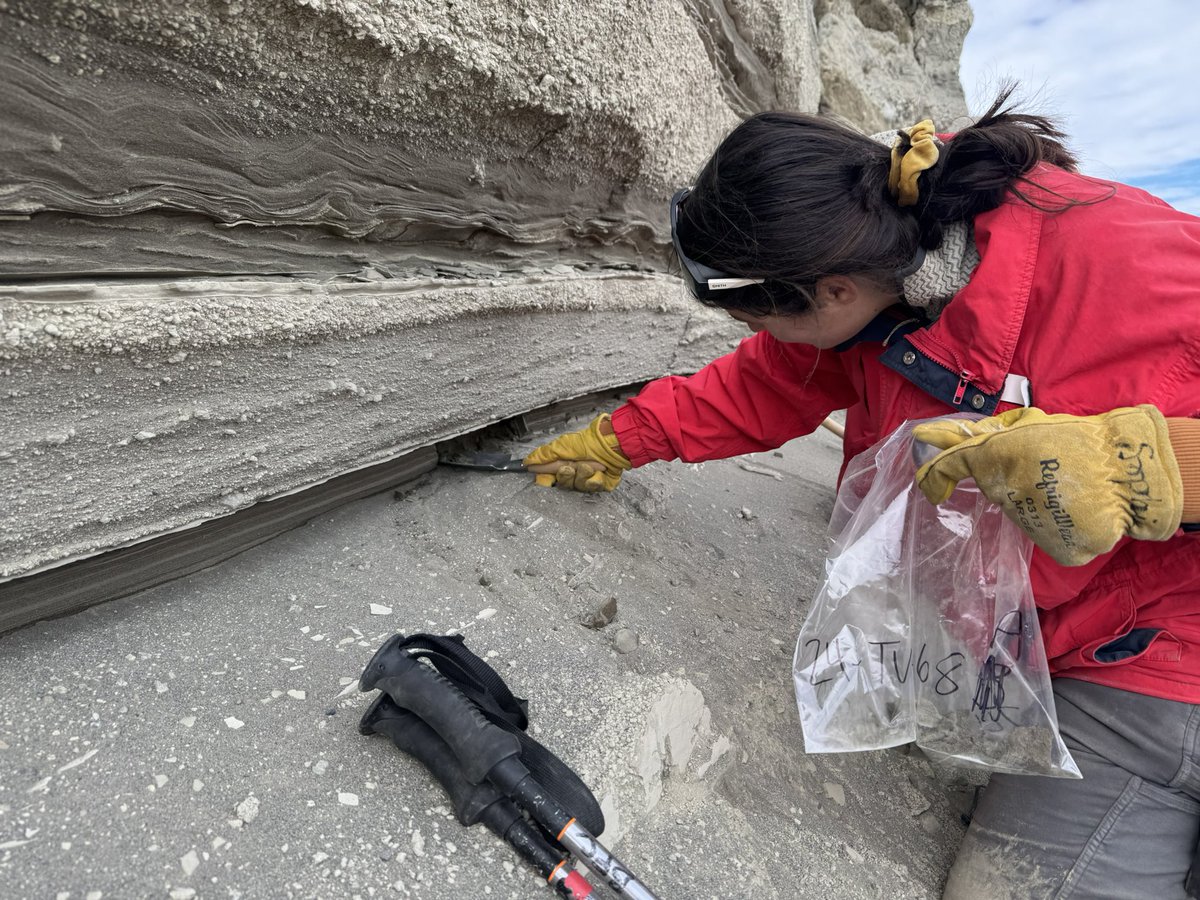
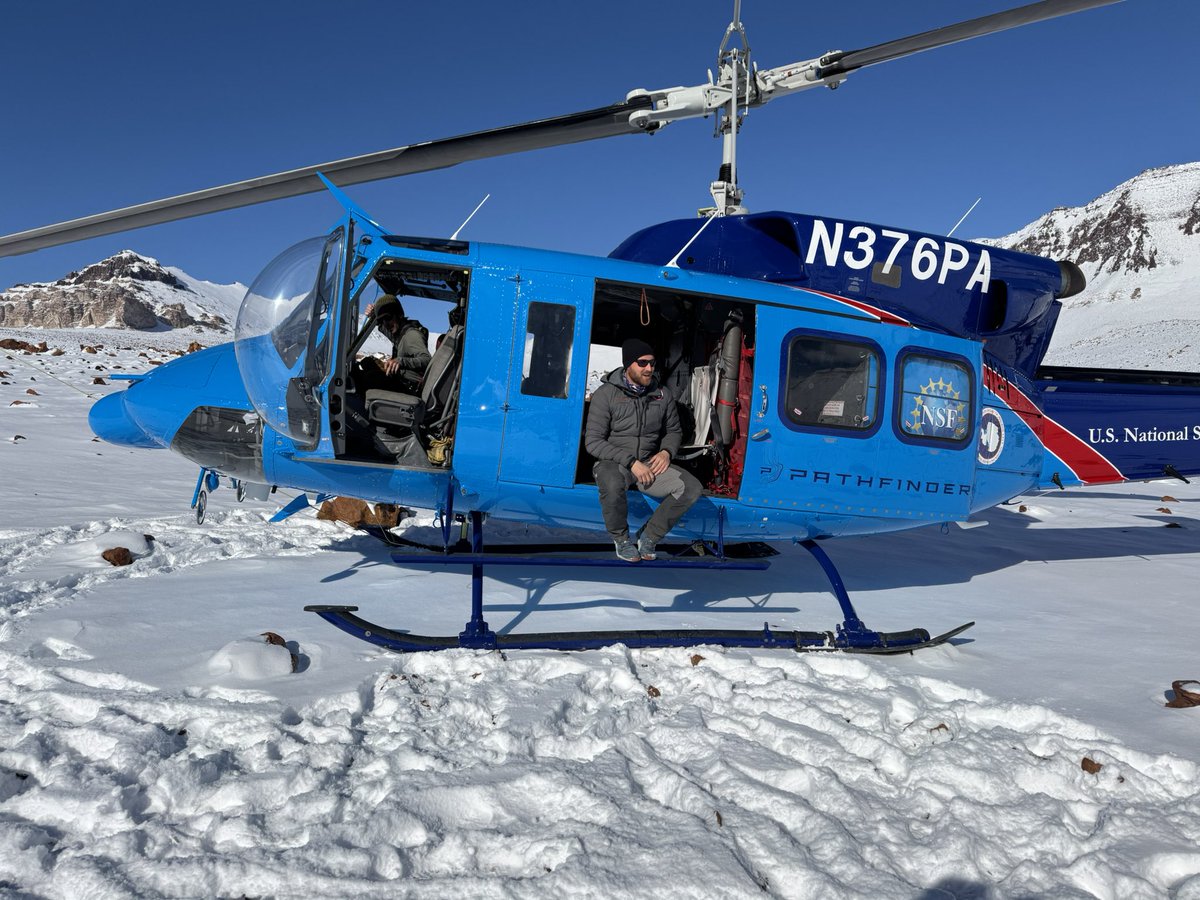
Taylor Valley has a complex glacial history: glaciers advanced and retreated, lakes filled and drained, and rivers reworked it all. The story is in the layers of dirt we collected. A unique story is that in #Antarctica, Santa flies by helicopter and gives fresh bread and fruit!
The 4th campsite for the #VAMPIRE team was at New Harbor in Taylor Valley. This site was different because it was right on the coast with lots of streams and ponds. And most of the samples we collected were 20,000 years old or younger. #Antarctica
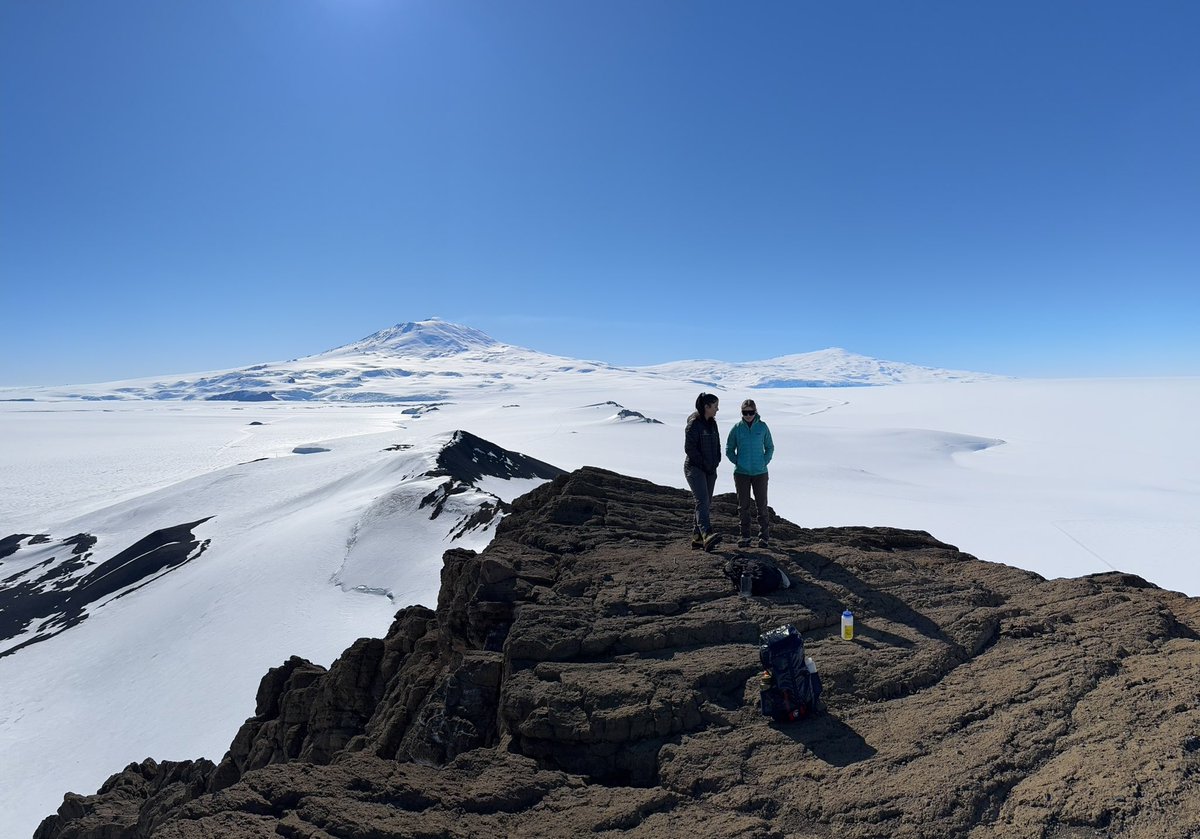
After a weather delay we took a day trip to the Olympus Range to collect glacial tills. It had snowed about 6” there, but after the snow we had calm weather, blue skies, and amazing views of Mts Circe, Dido, and Electra. #Antarctica
Beacon Valley is fascinating because in some places we can find old glacier ice under just 20 cm of till. Here we are collecting 600,000 year old ice from the Mullins Glacier! And my mom knit hats for everyone on the #VAMPIRE team! #Antarctica
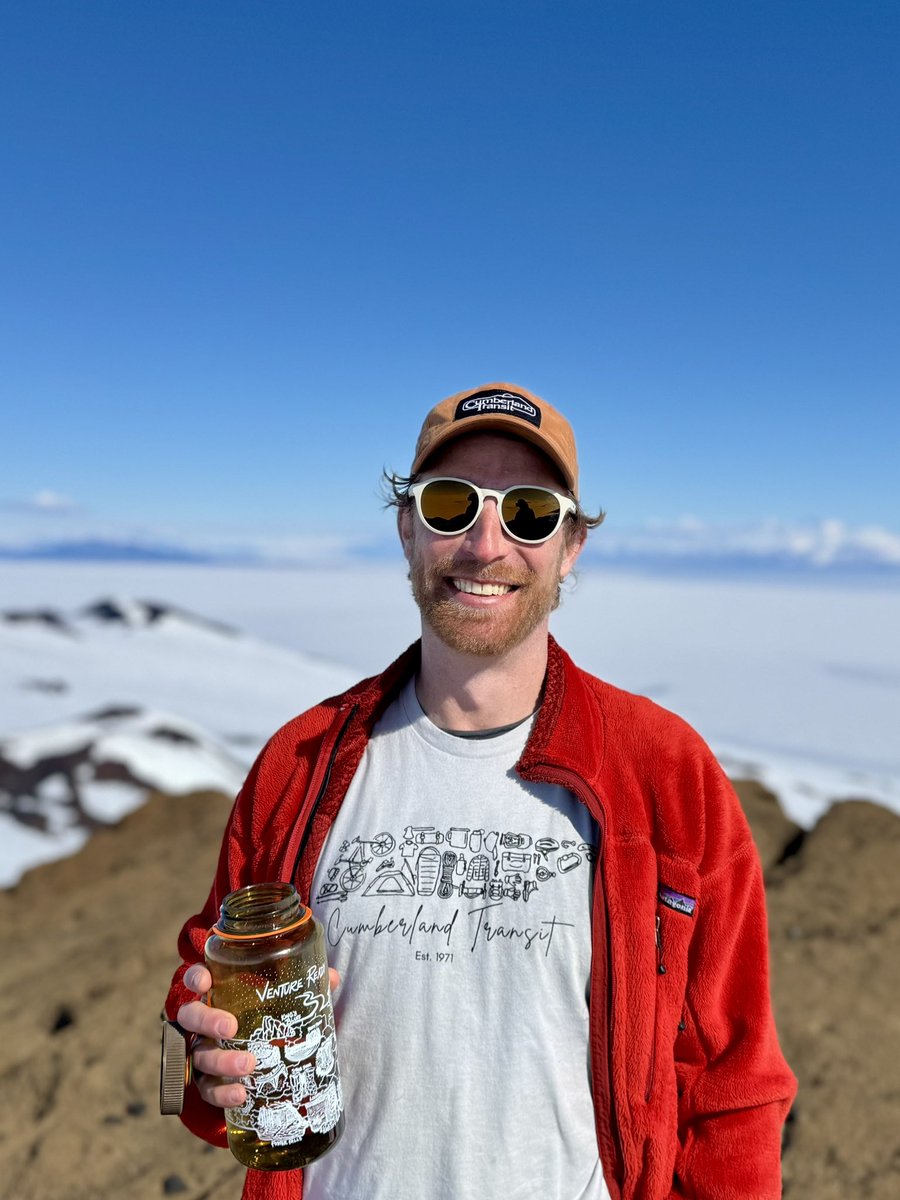
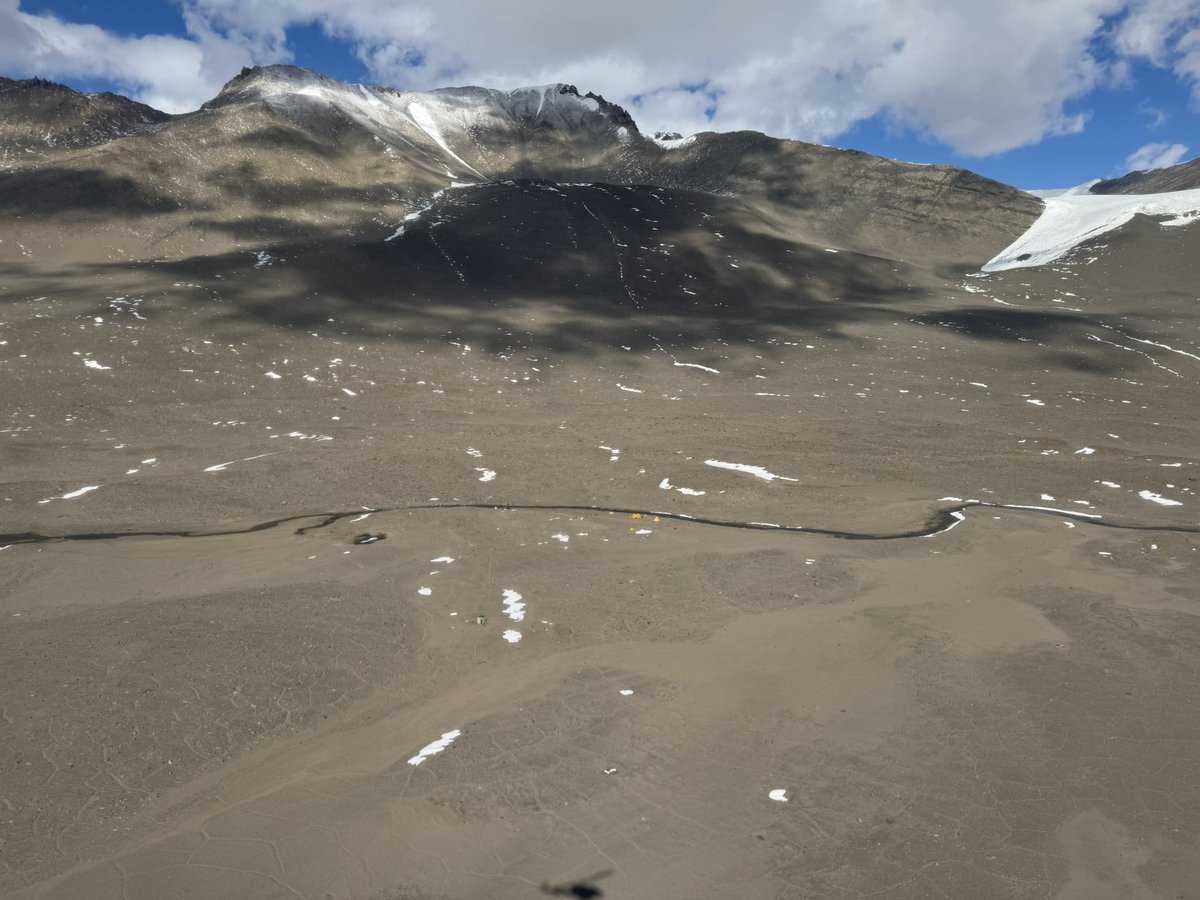
#CTambassador The Onyx River is the longest in #Antarctica! Camping in Lower Wright Valley meant we didn’t have to melt snow for water, we could boil river water for hot cups of tea! I used my hat and mug from @cumberlandtransit everyday in the field!
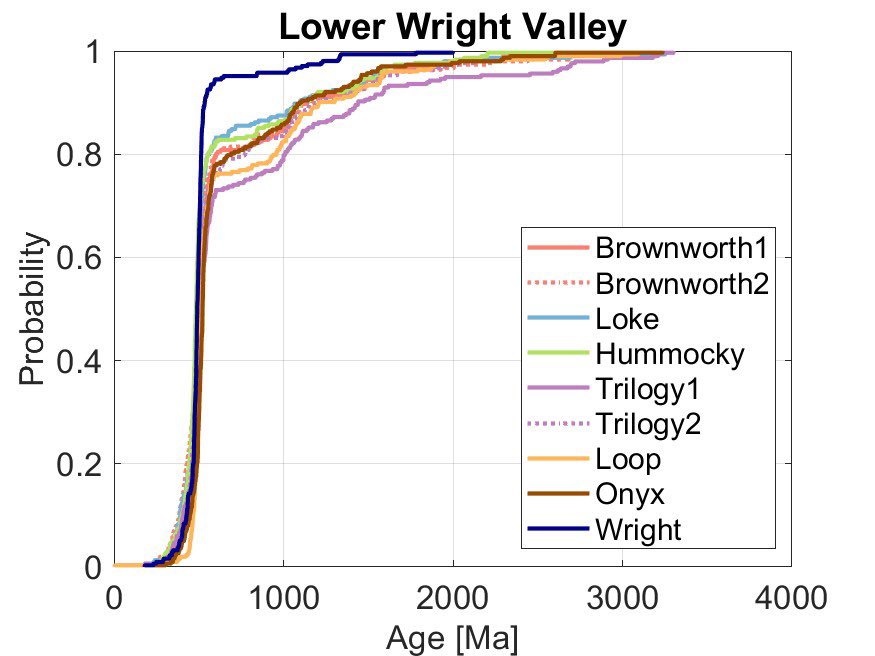
The third field area for the #VAMPIRE team was Lower Wright Valley. Most tills we collected here came from the Ross Ice Sheet and West #Antarctica. One goal we have is to understand the difference between the material deposited by the East and West Antarctic ice sheets.