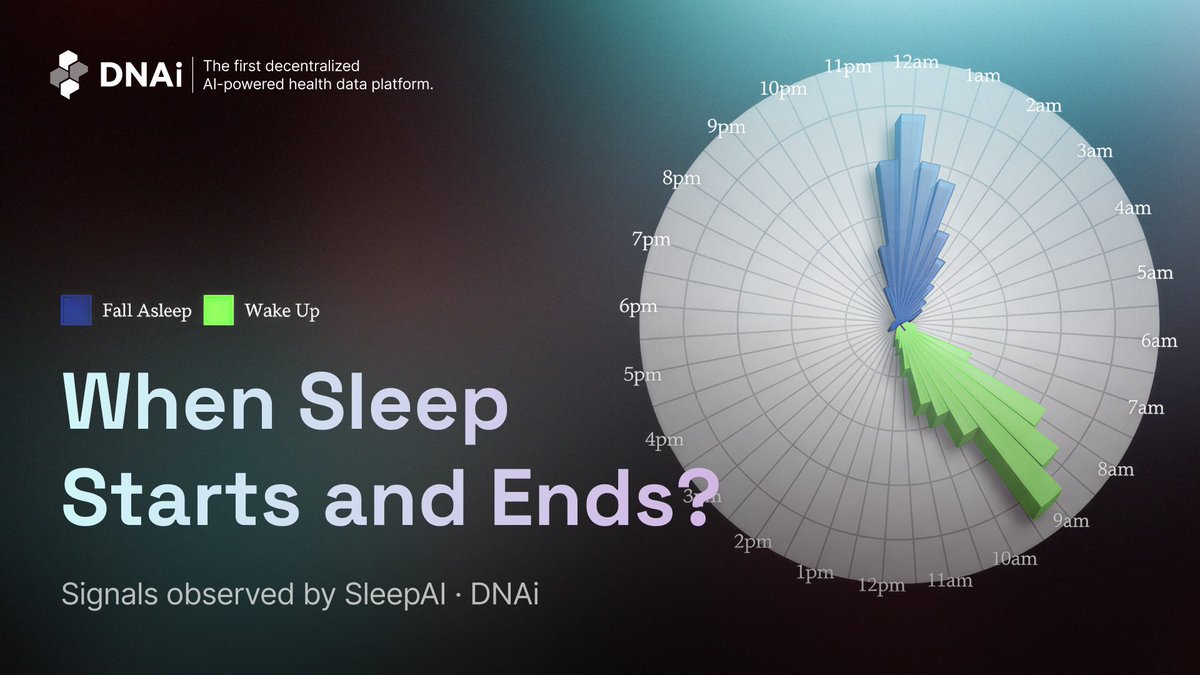
1 in 3 adults globally struggle to fall asleep at least 3 nights a week.
If that’s you — you’re not broken. You’re part of a global wave.
The global sleep landscape (2026):
• 30%+: chronic insomnia symptoms
• 34%: can't fall asleep 3x/week
• 29%: can't stay asleep 3x/week
• 12% of Americans: long-term insomnia
Why can’t we sleep?
• Stress (57%)
• Anxiety (46%)
• Screens before bed
• Noise, light, heat
• Money / work pressure (31%)
Occasional bad nights are normal.
But if you struggle to fall or stay asleep for months — talk to a doctor.
Better sleep basics:
• Cooler room
• No screens before bed
• A relaxing nightly routine
Not medical advice. See a professional for real diagnosis.
One thing we’re learning from early SleepAI usage:
Sleep quality isn’t just about how long you sleep. It’s about the data you’re measuring.
Better data leads to better insights.
More soon.
#SleepAI
An early SleepAI update:
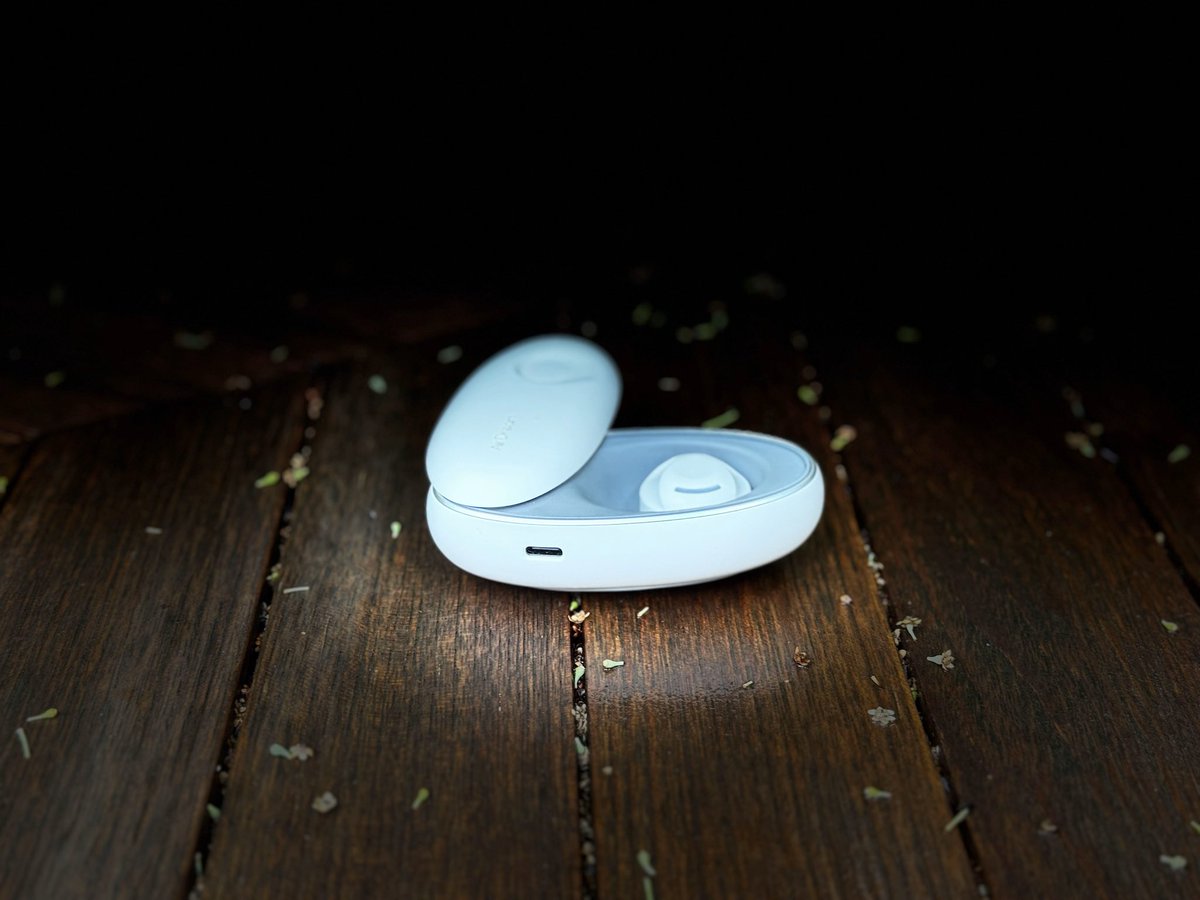
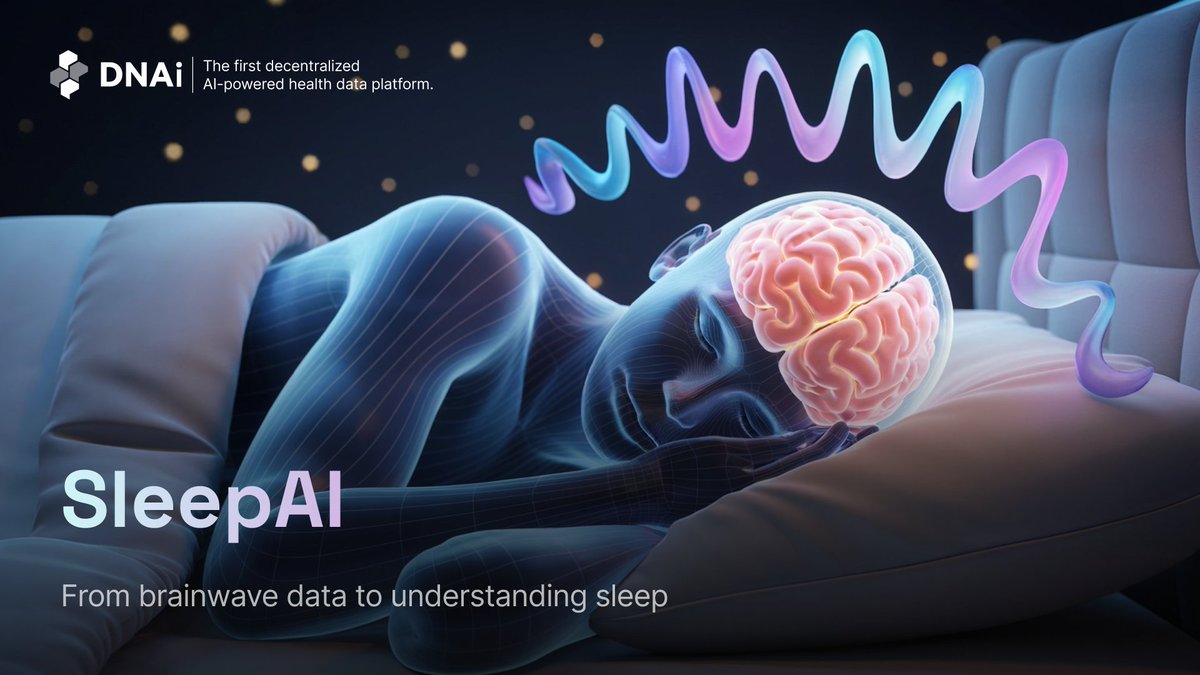
We’re testing brainwave-based sleep data uploads from brain–computer interface devices.
Reports and credits are generated based on sleep duration and data quality.
BCI data interpretation and workflow are still being refined and will be iterated next. #SleepAI
Looking at early usage patterns, SleepAI stands out within the DNAi ecosystem.
Sleep is a topic that deserves more care and attention,
especially when it comes to sleep data and everyday health conversations.
Thanks to everyone sharing feedback so far.
#SleepAI
Early user feedback has been shaping our recent updates.
We’ve focused on improving stability and performance, especially in real-world usage scenarios.
Still early, but we’re committed to building DNAi one iteration at a time, grounded in user experience.
A recent Nature Medicine paper (https://t.co/pdIQMPyoJ4)
explores personal health LLMs for sleep and fitness coaching.
It highlights a key shift:
the challenge is no longer data collection, but making continuous health data actionable.