Serious question: People who are recommending books written in the 1990s to 12-year-olds, were you reading 30 year old books when you were that age? Aside from my dabbling in Montgomery and Weber, I wasn't reading books written during WWII in middle school.
Tanzania, Chad, and Ethiopia are so much more that the poverty-stricken images that dominate these picture books; weeding books is important work because our marginalized students deserve better representation @PDSB_Libraries#representationmatters
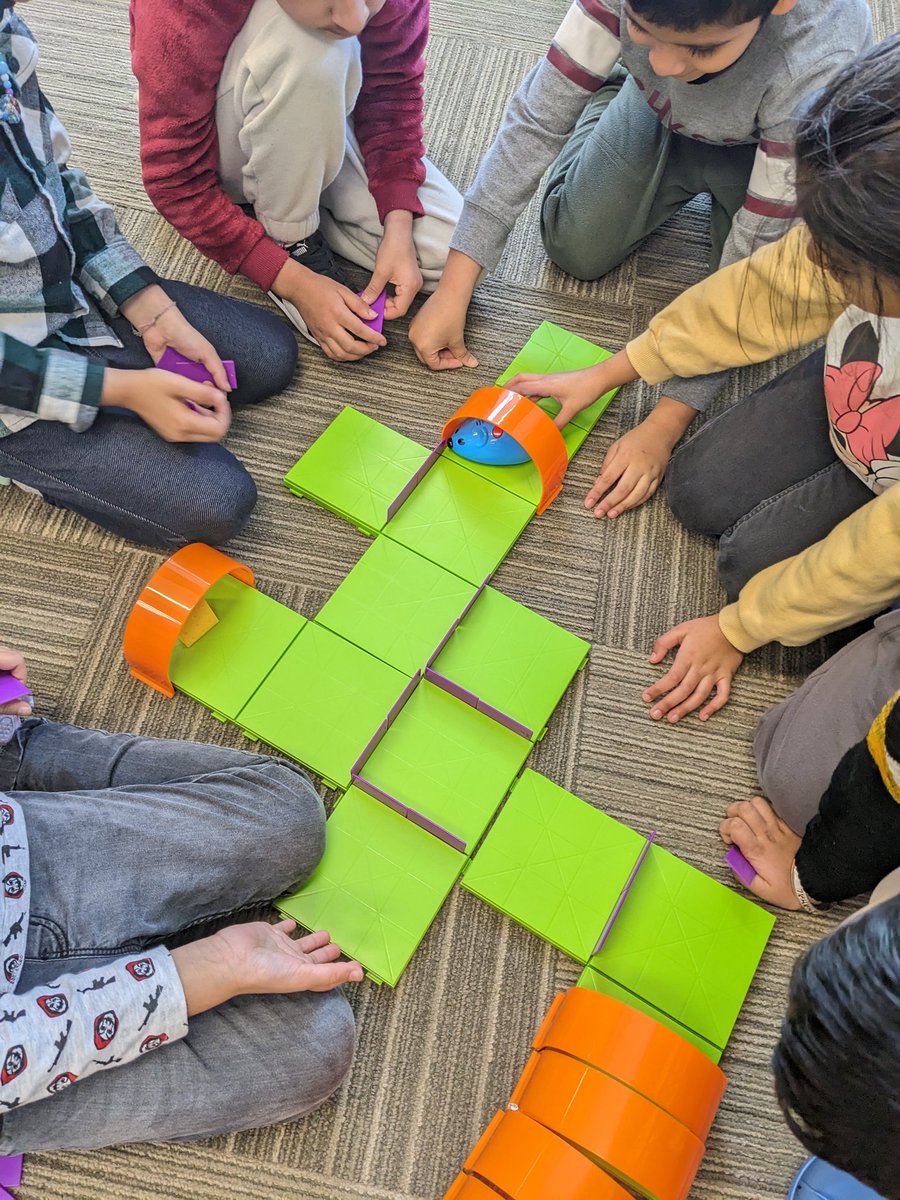
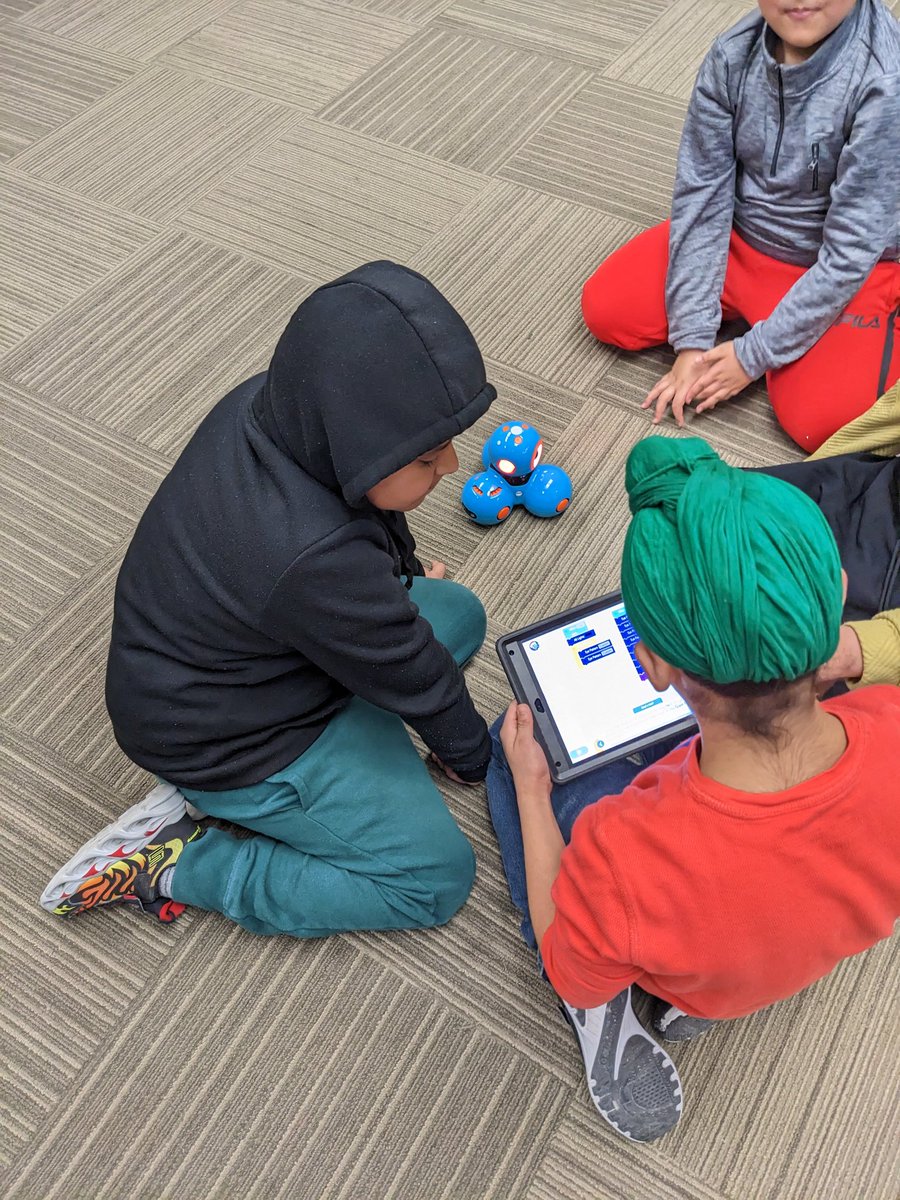
@JamesGrievePS Grade 2/3 problem-solving of @TheGlobalGoals#largestlesson included: stop "over population because too much people causes pollution," "don't waste food and water," "save the land and animals." Seerat, Nathaniel and Akinola know what to do to save the environment.
Another young scholar @JamesGrievePS named Matthew plans to create a tool that "can find a way to make oil [waste] into material [for vehicles]" Brilliant reflection of @TheGlobalGoals#largestlesson
James Grieve LLC sharing a read aloud of My princess Boy to honour the importance of Day of Pink; we must interrupt transphobia, homophobia and biphobia. Start the discussion with your students TODAY. #DayOfPink#allyshipmatters@PDSB_Libraries@JamesGrievePS
In 1990, Dr. Rudine Bishop, OSU prof. of edu, wrote: “when there are enough books available that can act as both mirrors and windows for all our children, they can see that we can celebrate our differences and our similarities, because together they are what make us all human.”
Are you in grades 6-8? Join us to understand and learn to better manage your stress.
Group 1
Dates: Thursdays from Feb. 7 – March 7
Time: 4 – 5 p.m.
Group 2
Dates: Wednesdays from Feb. 8 - March 8
Time: 4 - 5 p.m.
Register:
https://t.co/0txIozi0qQ






![DPaynePDSB's tweet photo. Another young scholar @JamesGrievePS named Matthew plans to create a tool that "can find a way to make oil [waste] into material [for vehicles]" Brilliant reflection of @TheGlobalGoals #largestlesson https://t.co/2USDDCqaX6](https://pbs.twimg.com/media/FvtufUiWIAAegQZ.jpg)
![DPaynePDSB's tweet photo. @JamesGrievePS Grade 2/3 co-teaching included thoughts of future innovators. Aarav says "...when construction happens, I want them to think about nature and not [just] money" @TheGlobalGoals #largestlesson @BrandonPachan https://t.co/G7v37tpGIM](https://pbs.twimg.com/media/FvttsTQXsAUfpYC.jpg)