The term "VIP patient" further perpetuates existing disparities in healthcare. Let's work to treat all of our patients like the very important people that they are. 🤝🏾👩🏻⚕️⚕️⚖️🩺🏥
#HealthForAll#HealthEquity#HealthIsWealth
Two lipidologists just drew the exact line between what predicts risk and what causes it, in one thread.
Now it is getting interesting.
@Drlipid's point: hsCRP is a risk marker, not a risk factor, and it was never a treatment target.
@drpablocorral's point: a neutral ZEUS result doesn't erase hsCRP's prognostic value.
Both correct, and the genetics back them up further than either post had room to go.
Same-method genetics comparison, apples to apples. Lifelong genetic IL-6 pathway downregulation caps out at OR 0.95 for CHD, about a 5 percent relative reduction (Swerdlow 2012, n=133,449).
Lifelong genetic LDL-C lowering delivers a 54.5 percent CHD reduction per mmol/L, 95 percent CI 48.8 to 59.5 (Ference 2012, n=312,321).
Same Mendelian randomization method, tenfold difference in ceiling.
CIRT never engaged the target. Methotrexate did not move IL-1beta, IL-6, or CRP at all, so the null told us nothing about the hypothesis.
ZEUS engaged the target completely. Phase 2 RESCUE showed up to 92 percent hsCRP reduction. ZEUS itself still landed flat, HR 0.99, and the CI's favorable edge excludes even a CANTOS-sized effect.
That is a biological answer, not a refutation of hsCRP as a marker. The two trials are answering different questions, and Corral's caution about the second one is exactly right.
hsCRP still predicts. It was just never the thing to chase.
Stay awake my friends.
This review examines the evidence for continuous #glucose monitoring use beyond type 1 #diabetes or #pregnancy, explores its usefulness as a behavior change aid, and critically assesses its expanding role in the care of people with dysglycemia. https://t.co/IueFPPzWjl
Imaging guided treatment of subclinical atherosclerosis—We’ve come a long way! - Journal of Clinical Lipidology
@EugeniaGianos@ACCinTouch@nationallipid https://t.co/h6aDFypjGT
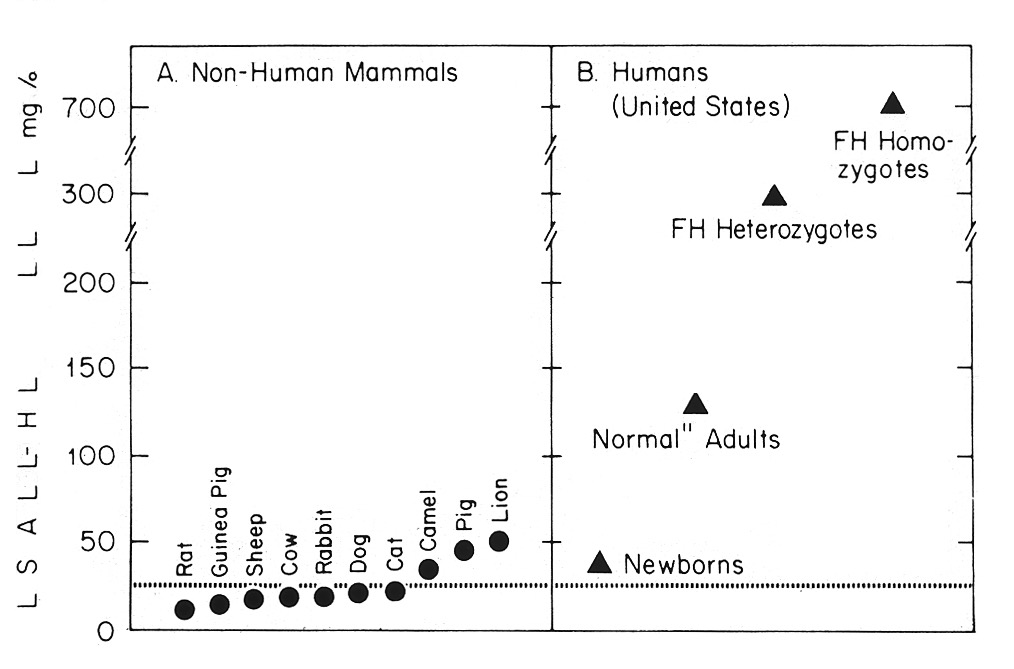
The ideal LDL-C level is likely what a newborn is born with, similar to most, but not all animals except carnivores, which don't live long enough to get athero. They are also very active. Typically it is 20-40 mg/dl. More than that is not needed for any physiological function. Natural PCSK9 loss of function has low lifetime LDL (40-80 mg/dL) and ~85% less lifetime risk of CAD. Note its not 0, so others factors contribute.
@heynavtoor As someone who lives for memorable experiences, often live events, this is a honorable quest by the FTC. Democratize experiences once again.
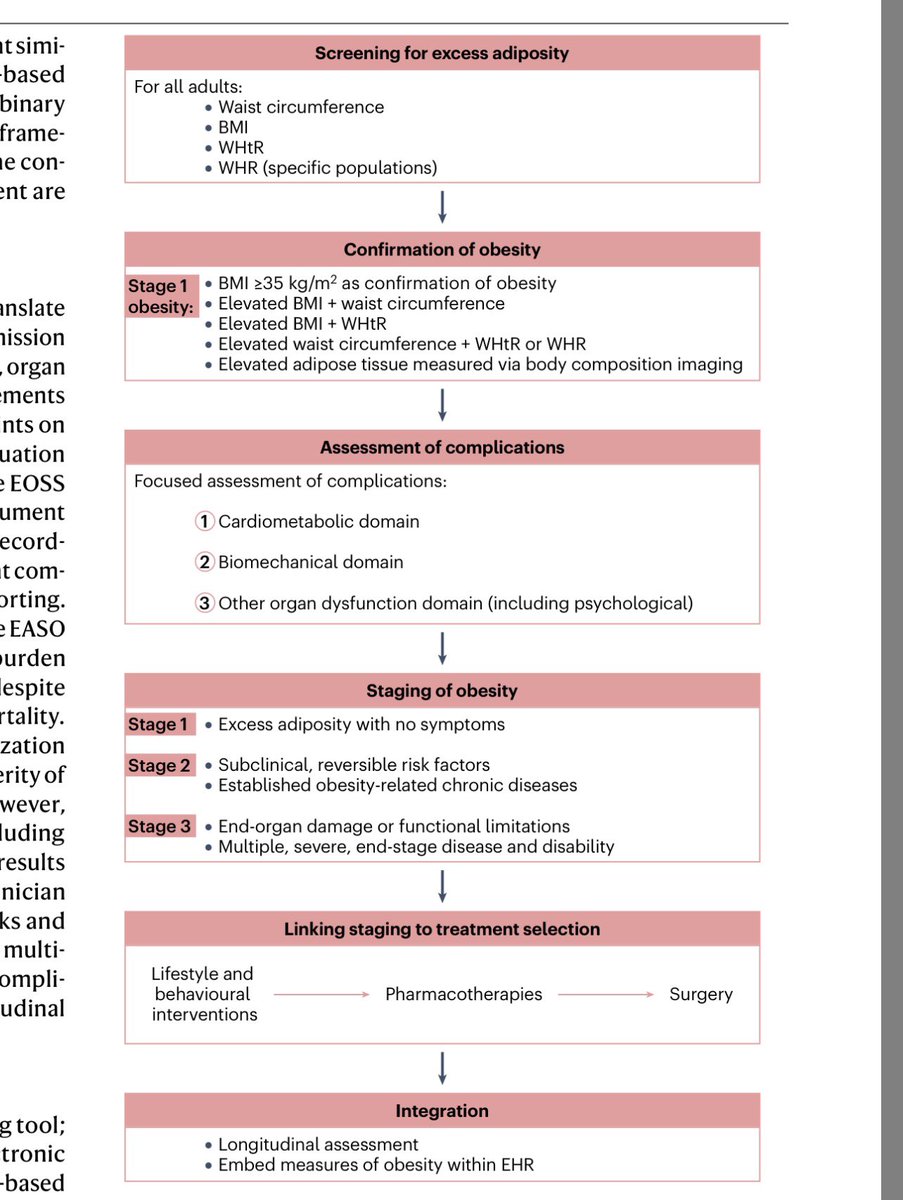
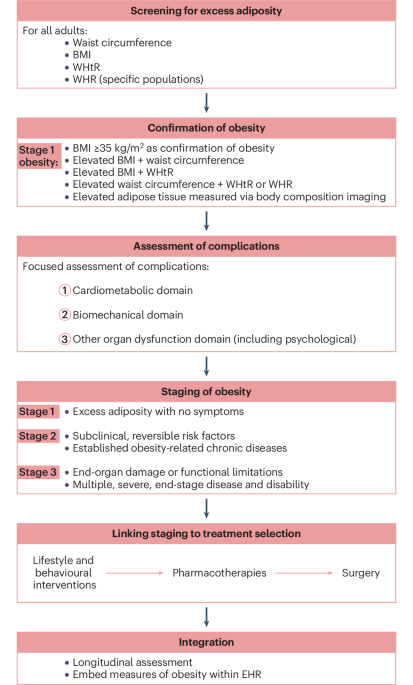
Este paper es probablemente la mejor síntesis hasta ahora en obesidad. No es una nueva guía. Compara las más recientes EASO (2024), (2025), ACC (2025) y AACE (2025) en un paper.
Obesidad deja de ser definida por IMC y se define ahora por exceso de adiposidad que genera daño.
Our latest paper: Direct measurement of Lp(a)-cholesterol (Lp(a)-C) (Developed in our lab at UCSD) shows that commonly used formula-based approaches systematically overestimate Lp(a)-C and therefore underestimate true LDL-C.
In some individuals with very high Lp(a), formula-derived corrections can even produce biologically impossible negative LDL-C values, highlighting the limitations of these estimation methods.
Our study demonstrates that empirical direct measurement of Lp(a)-C provides a more accurate assessment of LDL-C than current correction formulas.
Why does this matter clinically? Lp(a)-C can contribute 15–30 mg/dL (or more) of the cholesterol currently reported as "LDL-C." As Lp(a)-lowering therapies become available, knowing the patient's true LDL-C will become increasingly important for optimizing lipid-lowering therapy and determining whether additional LDL-C reduction is needed.
Direct Lp(a)-C measurement is now available for research through Medpace.
https://t.co/wzSCSbCDOM
A cholesterol test in childhood can uncover inherited risk that may otherwise go unnoticed for years.
Guidelines recommend lipid screening for all children ages 9–11, again at 17–21, and as early as age 2 with a family history of premature ASCVD or FH.
An early diagnosis gives families the chance to take action sooner.
Learn more: https://t.co/gtziw4eKSR
💬 Perspective: #GenerativeAI may improve #ClinicalDecisionSupport when it synthesizes decision-relevant patient context, but outputs should remain grounded in curated sources with source attribution and deterministic verification.
https://t.co/tOZdCFKZ0l
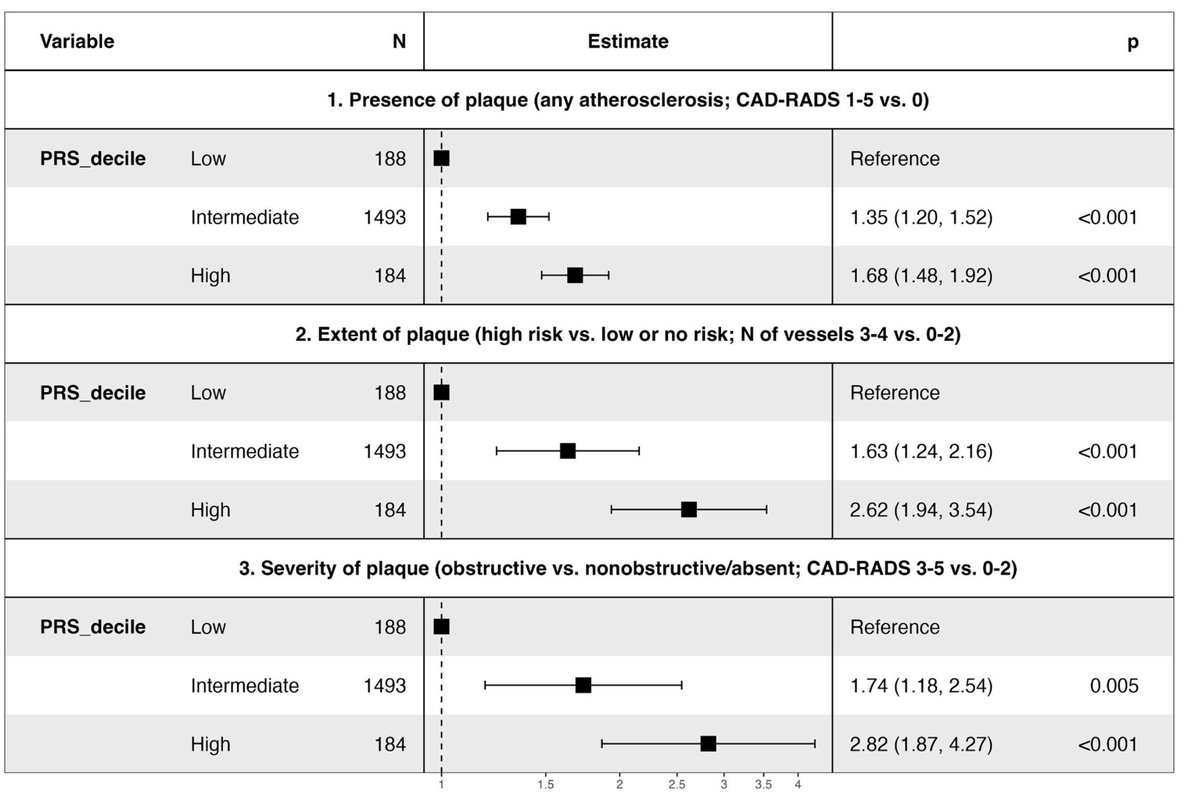
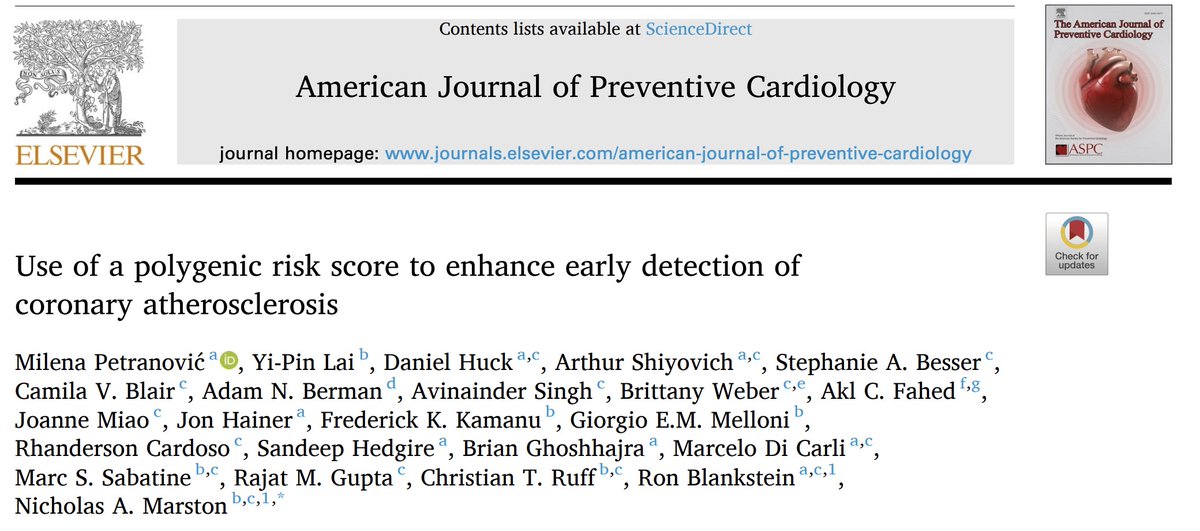
Our latest @MassGenBrigham#CCTA study led by Milena Petranovic @AJPCardio
👉Individuals w/high genetic risk score developed plaque nearly 2 decades earlier
👉Polygenic risk scores may help identify those who could benefit from earlier coronary imaging and preventive therapies
Gut microbe-generated metabolite trimethylamine N-oxide and risk of abdominal aortic aneurysm. Discover more in #EHJ
👉 https://t.co/Tkl6UOf6Xo
@RoccoMontone@ehj_ed
🚨 The PCSK9i story 🧬
📉 2015: alirocumab/evolocumab launch at $14,000+/yr 💸
😱 ICERs $141k–$450k/QALY ❌
→ 4.3 MILLION MACE events that could've been prevented were not
lower price → more use → more MACE prevented 💯❤️🩹
Align price with value 🏛️✨
Micro- and nano-plastics in the coronary circulation and air pollution exposure in ischaemic heart disease presentation. Read more in #EHJ 👉 https://t.co/WZEr98yH9G
@RoccoMontone@ehj_ed
The @AHAScience Scientific Statement I've been waiting for- Caffeine and Cardiovascular Disease. The science is far from settled, but a comprehensive review of the current evidence is helpful for in-clinic discussions https://t.co/WDuhWAmeZa @CircAHA ☕️
Assessing LV diastolic function is one of the most nuanced tasks in echocardiography, overlapping terminology, load dependence, and discordant parameters make it genuinely hard to do consistently at the bedside.
This review in #EHJCVI offers a pragmatic, tier-based framework built around the 2025 ASE recommendations, using a probabilistic approach that integrates clinical context, echo findings, advanced imaging, and emerging AI to sharpen both diagnosis and prognosis.
Kudos to Dr @argulian , who led this work with exceptional clarity and vision. Beyond being one of the very best imaging cardiologists in the world, Edgar is a wonderful clinician and exceptional human being. It is a privilege to learn from and collaborate with him.
And what an honour to share authorship with two giants of the field, @SNagueh and @OttoSmiseth , whose work has shaped how all of us think about diastology.
Don’t miss it ➡️ https://t.co/Gt32R2DzqA
#Echocardiography #Cardiology #DiastolicFunction #HeartFailure #CardiacImaging #EHJCVI
# One Heartbeat. One Diagnosis?
Food for thought on the crossroad we are at for SCVD prevention and treatment
For years, coronary CTA has followed a familiar rule:
**Lower the heart rate. Scan with lowest radiation. Maximize image quality.**
This does not really comes logic in a physical world IMHO.
This study challenges that paradigm.
In a cohort of predominantly **young, low-risk patients**, investigators found that a **single-heartbeat CCTA acquisition** was diagnostic in the vast majority of cases, substantially reducing radiation exposure without compromising diagnostic performance.
At first glance, this looks like another incremental improvement in CT technology.
I think it's more than that.
The real message isn't about scanning faster.
It's about **matching the acquisition to the patient instead of forcing every patient into the same acquisition strategy.** And that is also why IMHO you must NOT standardize to the extremes procedural details in Cardiac CT. Even more with Photon Counting CCT
Not everyone requires the most sophisticated protocol. Correct. It depends on the indications, context, inherent limitations (technical and clinical).
Not everyone needs the highest possible temporal resolution. This I disagree. It is always wise to go for the highest temporal resolution.
And certainly not everyone needs unnecessary radiation. Even here the nuances are everything. What do you want to diagnose? What is your threshold for a good diagnosis NOW and for the time being in the natural history of an individual/patient? I know it's tough and maybe rough, but we should not restrict the focus on ASCVD true prevention right when we are on the very edge of being able to defeat the complications in the majority of patients.
## But Let's Not Over/Under-generalize
The key words are **young** and **low risk**.
This is not a new standard for every CCTA.
Patients with obesity, high coronary calcium, arrhythmias, prior stents, bypass grafts, or higher heart rates remain a completely different challenge.
One protocol will NEVER fit all.
## Where PCCT Comes In
Suddenly, this discussion becomes even more interesting in the era of Photon Counting CT.
If detector efficiency, spatial resolution, temporal resolution, and spectral performance continue to improve, the question may no longer be:
**"Can we scan in one heartbeat?"**
It may become:
**"Which patients still need more than one?"**
That is a much better question.
Because the future of CCTA is probably not about making every scan identical.
It's about making every scan **personalized**.
#CardiacCT #CCTA #PhotonCountingCT #PCCT #SCCT #RadiationDose #PrecisionMedicine #CardiovascularImaging
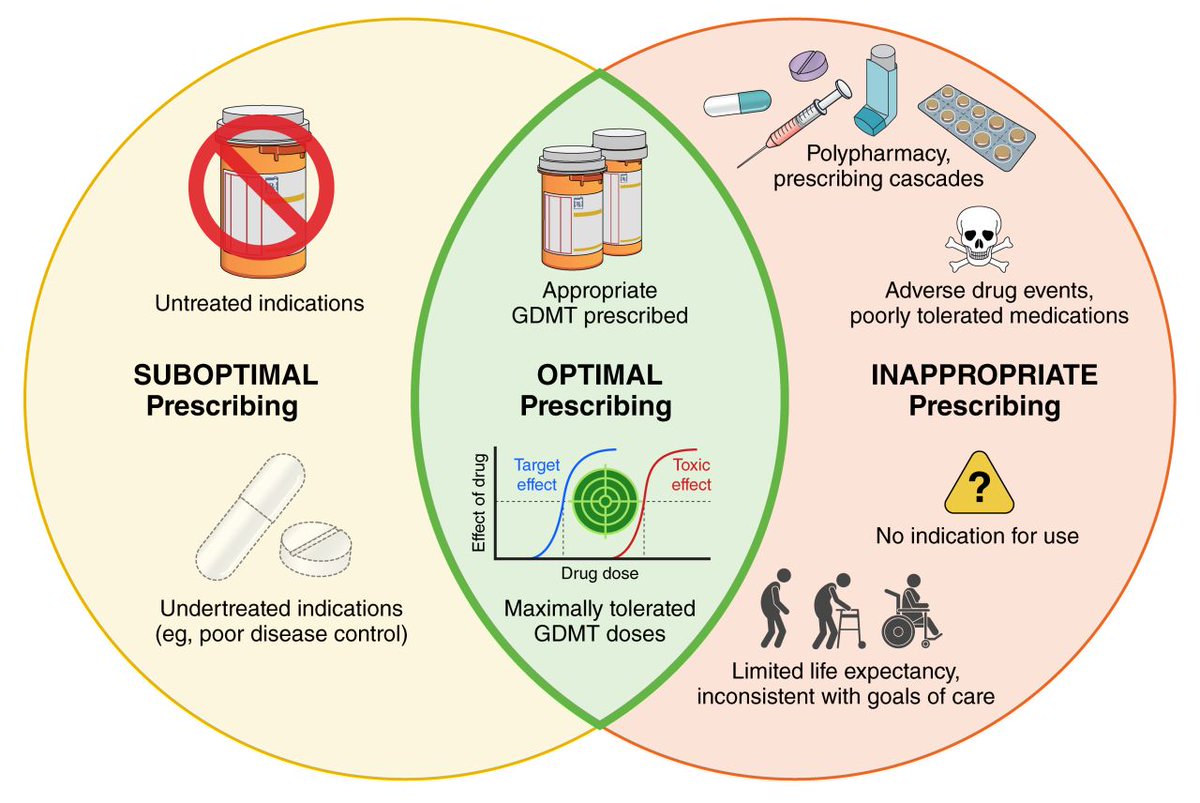
Published today, Deprescribing in Patients with Cardiovascular (CV) Disease Experiencing Polypharmacy A Scientific Statement from the American Heart Association. https://t.co/jj69ofMNlb
Guideline-directed medical therapy in CV care often requires multiple medications across coexisting conditions and comorbidities, making polypharmacy common in routine practice.
📷 Optimal prescribing
✍🏼 @robdeedo@adambress@quin_denfeld@PaulDobesh@ParagGoyalMD