As the weather improves, fieldwork activities are stepping up @DTUCoastalEco. A busy & exciting time, as long months of planning are put into action.
In the thread below, our PhD student Aris gives a brief update of his PhD journey using drone technology for habitat mapping👇
Check out our new 'KulturMus' project! We aim to develop and improve environmentally sustainable mussel production via on-bottom culture banks. This winter, our divers are sampling areas were wild and cultured mussel seed has been relayed🤿🥶https://t.co/3SheHn5MDA
🚨The Coastal Ecology group is now a new and official research section at DTU Aqua🚨
Our research will focus on human impacts, ecological interactions, and sustainable marine resources in Danish coastal areas:https://t.co/x5iJeUixK2
Follow/share @DTUCoastalEco for updates!🐟
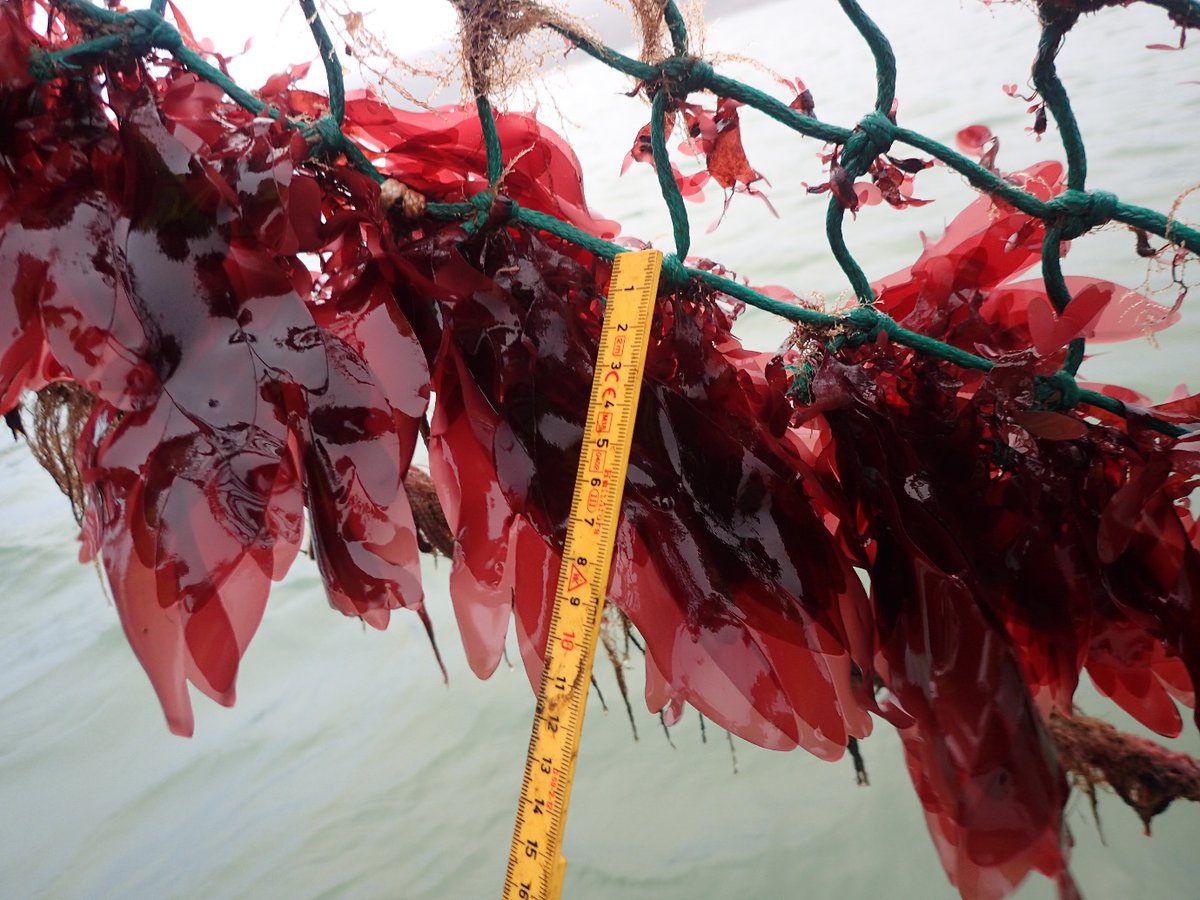
New paper out showing how to improve landbased cultivation of Palmaria palmata using nutrient pulses and interventional cultivation | SpringerLink #seaweed @VILLUMFONDEN https://t.co/qVnCbJHWWJ
With increased interest in seaweed production, here is some timely work from our Postdoc @PeterSchmedes optimizing methods for Dulse production #seaweed#algaeproduction
First study using real-time fishing intensity data finds that nearshore dredging reduces benthic community biomass and alters species composition. Observed effects varied across spatial scales and were highly dependent on local environment.
Read more: https://t.co/HnbP3yLC7v
New PhD paper in @MEPS_IR: we use high-res fisheries data to examine benthic impacts of bivalve dredging in heavily eutrophic and estuarine areas. While effects were difficult to detect, benthic biomass and species composition were significantly affected
https://t.co/DcmjUYxjSr
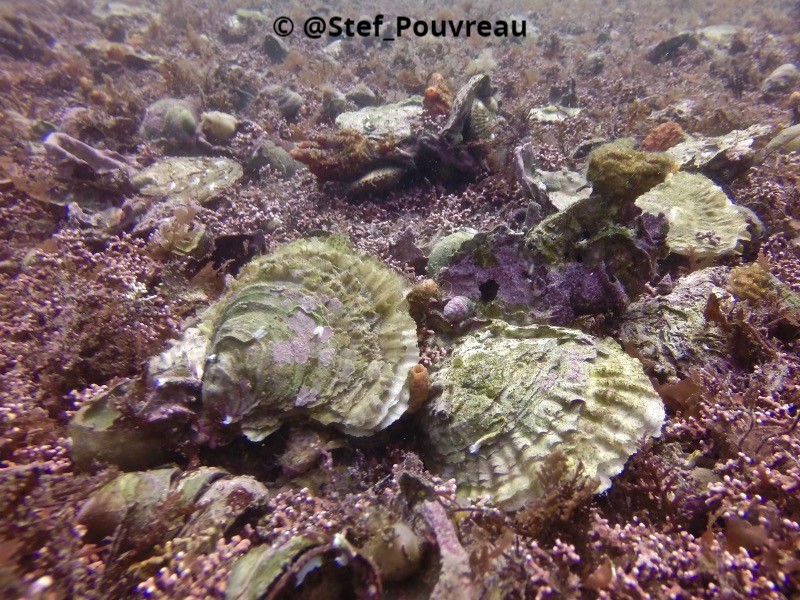
If you would like to hear more (in Danish) about our Pacific oyster removal work, follow the link below. The video is useful for non-Danish speakers! #invasivespecies
https://t.co/W9MTcVPwBQ
Yesterday a large portion of the DSC team were involved in a project trial removing invasive Pacific oysters from the fjord using a specialist amphibious excavator.
Read more here: https://t.co/tnfP2WaGPP
Need a clear explanation of the potential role of oyster reefs in blue carbon? Read the new NORA blog post by @Hannah_ZLL & Dr. Bill Sanderson from @HeriotWattUni and the #DEEP project with @TheGlenmorangie
https://t.co/Uqh8ehxfuv
@BlueCarbonLab@NativeOysterNet
Seaweed news: Mette and Peter from DSC have been busy and published a new protocol for dulse production, based on their last 4 years of research. Find it here: https://t.co/ddSYpfR16p #seaweedcultivation#aquaculture
All BONUS-OPTIMUS partners presented their concluding results at the final project meeting at Tjärnö Marine Laboratory, Sweden, last week. Thanks to @goteborgsuni for hosting a comfortable and productive meeting.
#BONUSOPTIMUS#Musselmitigation#aquaculture
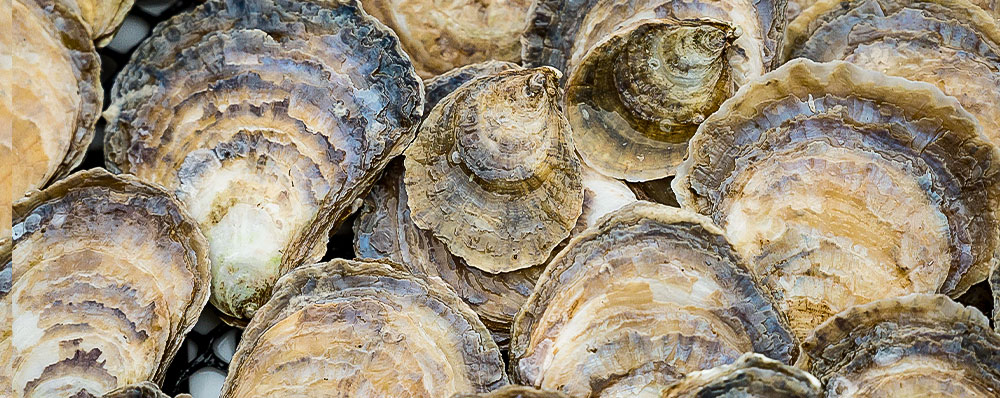
Are you a diver, photographer or do you live by the sea? We are calling on YOU to help gather images of our humble native oyster! Winning prizes inc photography workshop @OfficialZSL@BSACdivers membership,@OysterDiving training. Entry: https://t.co/yxTAxxEKqr #NativeOysterQuest
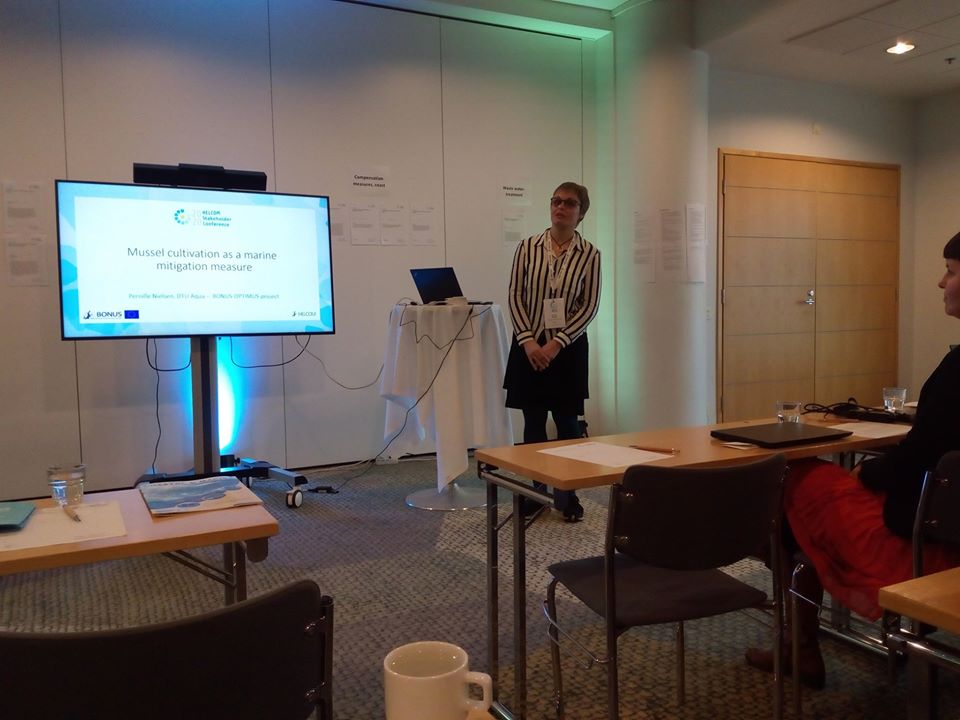
Results from the #BONUSOPTIMUS project using mussel cultivation as a tool to mitigate eutrophication in the #BalticSea were presented at the #HSC2020 HELCOM Stakeholder conference this week.
Read more about the project here: https://t.co/nzG2MdpBj3