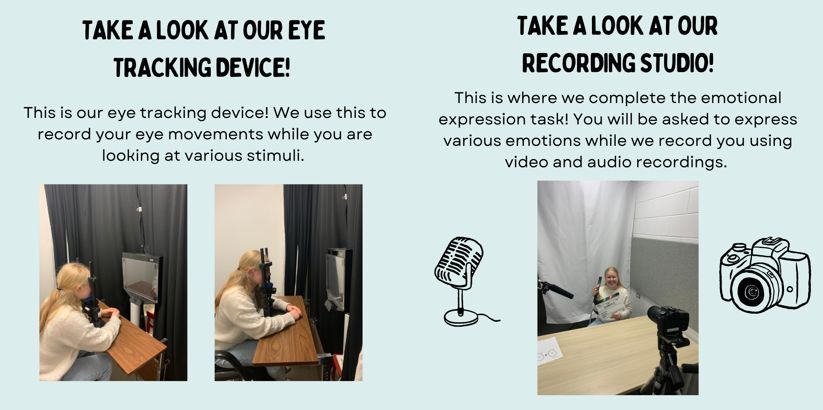
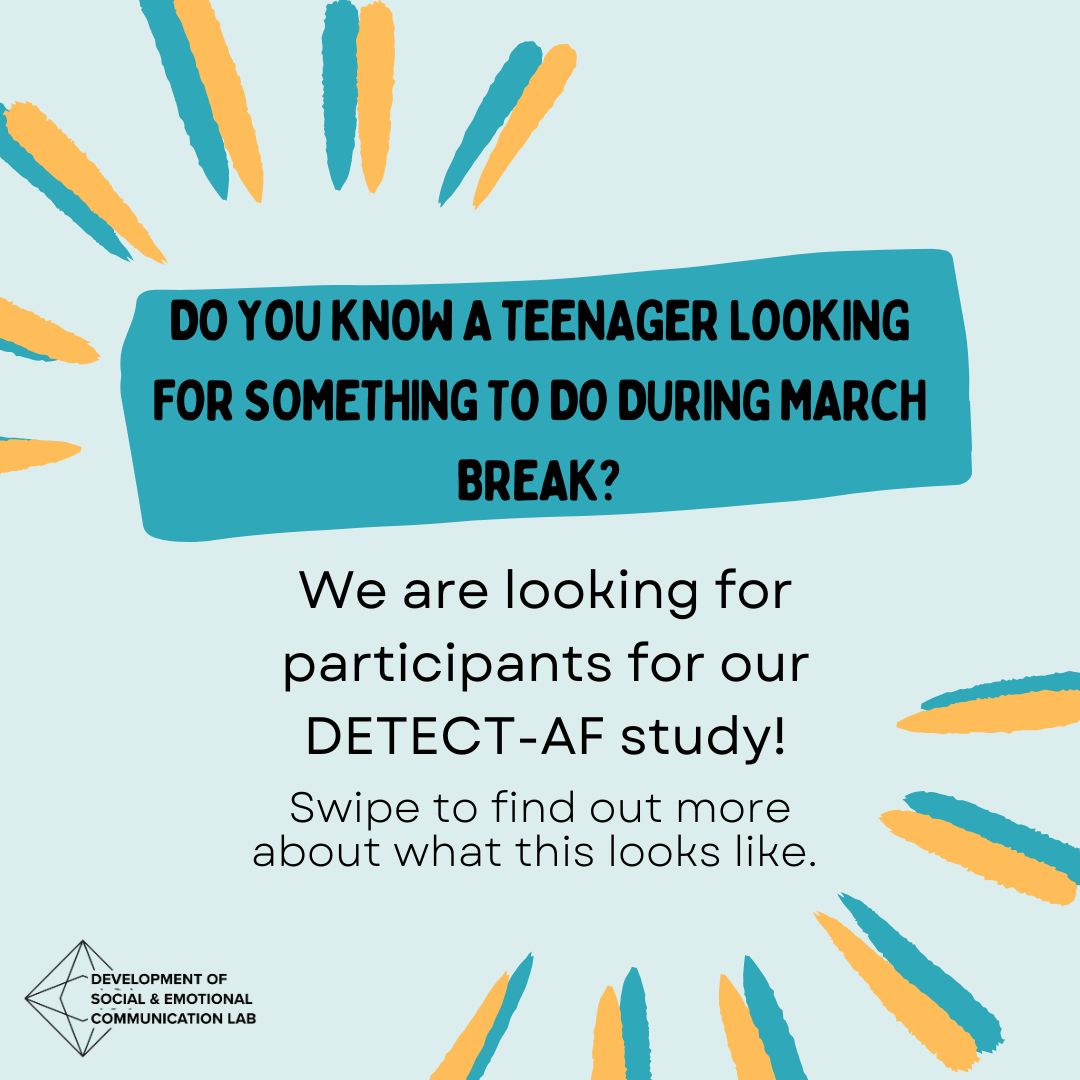
We are looking for youth ages 12-15 for a neuroimaging study (2 x 2 hour visits; bring a friend & caregiver to the 1st visit)! Teens receive $100 ($40 for friend + $20 for caregiver) and will be asked to return 1 year later ($120). See details in attached poster! #YGKfamilies
The @DSECLab sends out triannual newsletters sharing information about our ongoing studies, recent findings, and fun activities for youth. Download them at our website or subscribe if you want to learn more about youth's social and emotional communication!
https://t.co/0HGy5kv3dm
The DSEC Lab will be transitioning from X to Bluesky. We’re excited to continue sharing our work on a new platform! Stay connected with us there @ https://t.co/IA6FCtMldp 🎉
Victoria Cassel (She/Her) –Victoria is a third-year psychology student conducting a directed lab study in the DSEC Lab. She is interested in exploring differences in teen and adult raters’ judgement of emotion.
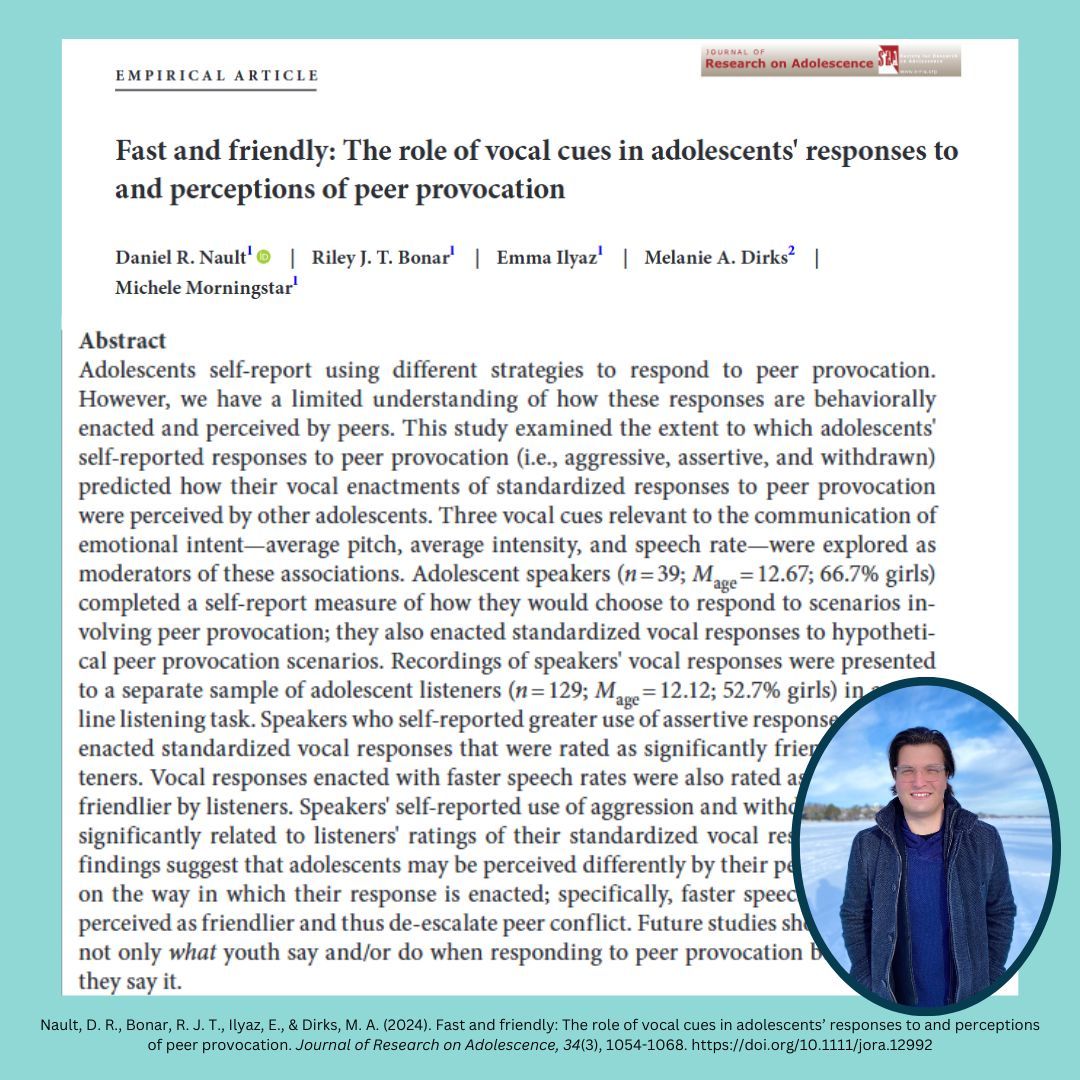
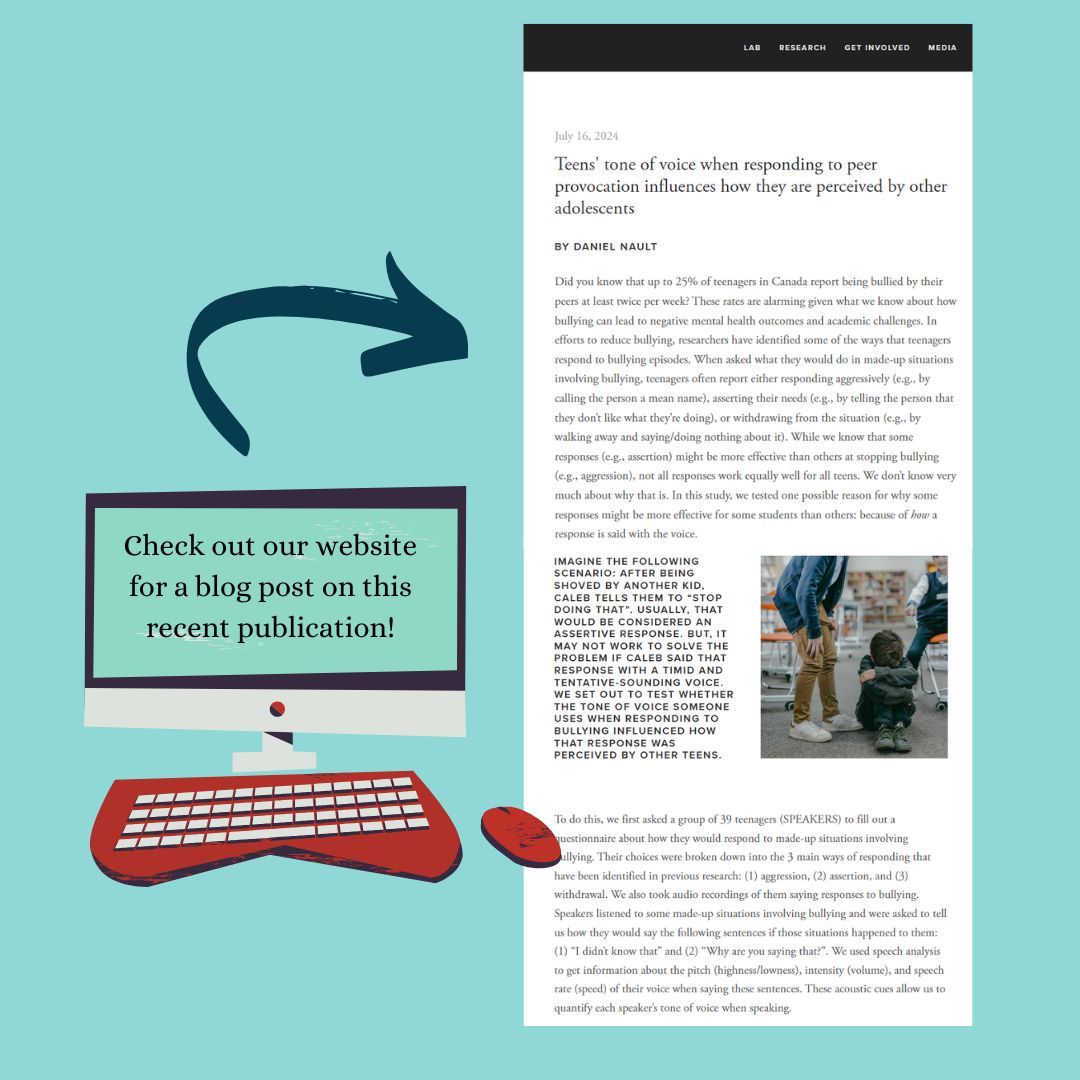
@DanielNault_, a PhD candidate in the DSEC Lab, recently published findings in the Journal of Research on Adolescence! Check it out on the DSEC Lab’s blog (link in bio)!
Curious about fMRI research? 🧠 Join former research assistant Mia Schubert as she explores fMRI basics. In this video 🎬, you’ll learn all about key terms, why researchers choose to use fMRI in their research, and MRI safety.
Sach Grewal (She/Her) – Sach is a fifth-year student completing a full-year directed lab in the DSEC Lab! She is interested in social information processing and understanding how social experiences impact developmental trajectories.
The DSEC Lab has launched our winter newsletter ✉️! Click the link in our bio to read about our ongoing study (DETECT-AF), explore recent study findings, and find fun activities to do with your family over the winter break❄️! We’re so excited for you all to read it!
Thank you so much to all the participants, families, and community organizations who helped make 2024 such an amazing year in the DSEC Lab 😊! We will be off until January 6th, 2025. We look forward to welcoming participants back again in the new year! ✨
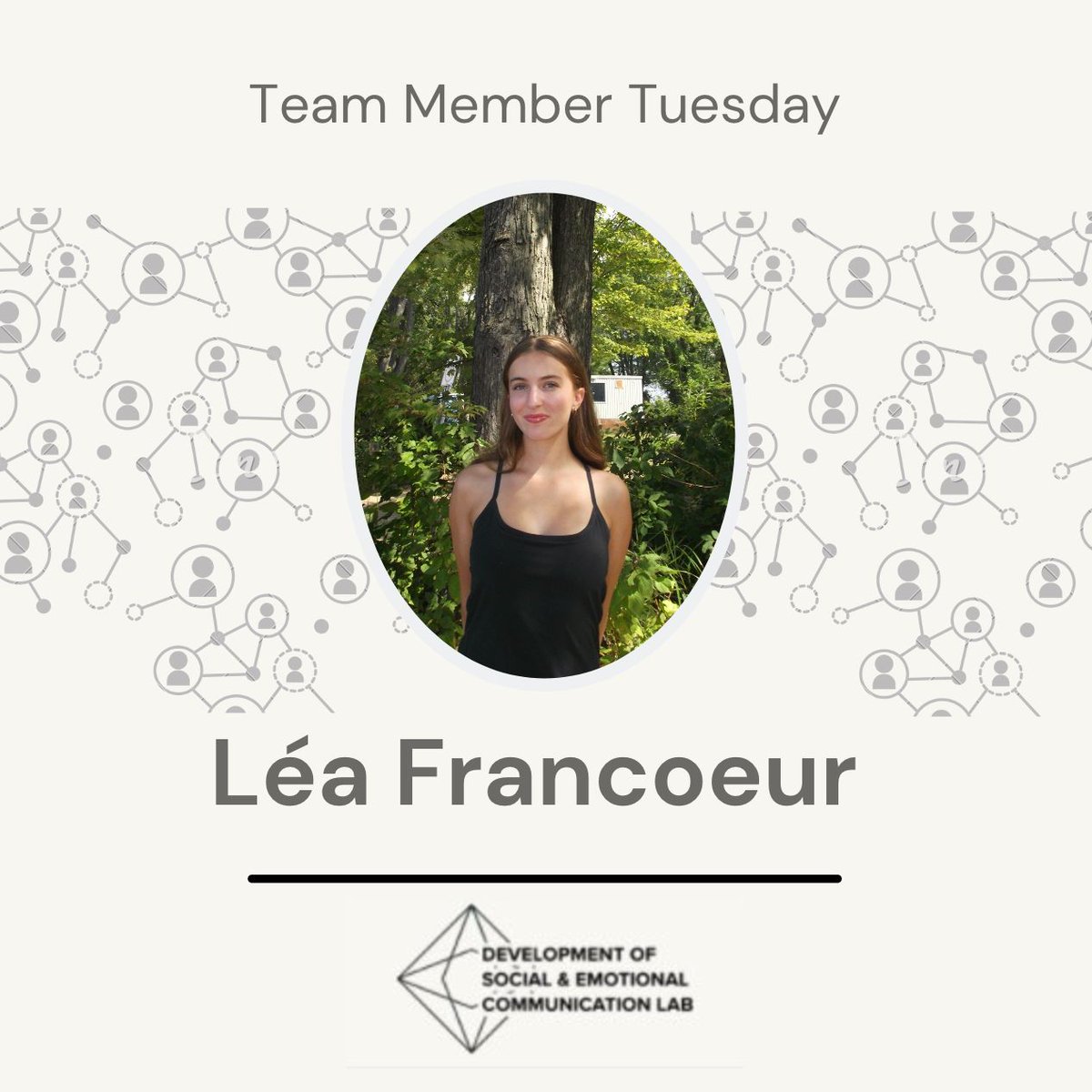
Léa Francoeur (she/her) – Léa is a third-year student in Biology & Psychology. She is super excited to be joining the DSEC Lab as a research assistant this year. Léa is particularly interested in learning about the various neurobiological aspects of a child’s development!
Have you ever wondered about the brain regions that are associated with producing and understanding facial expressions? 🧠 If so, you’ve come to the right place! Check out this video to become experts on these regions of the brain! (✒️Olivia Merulla & Sarah Wong)
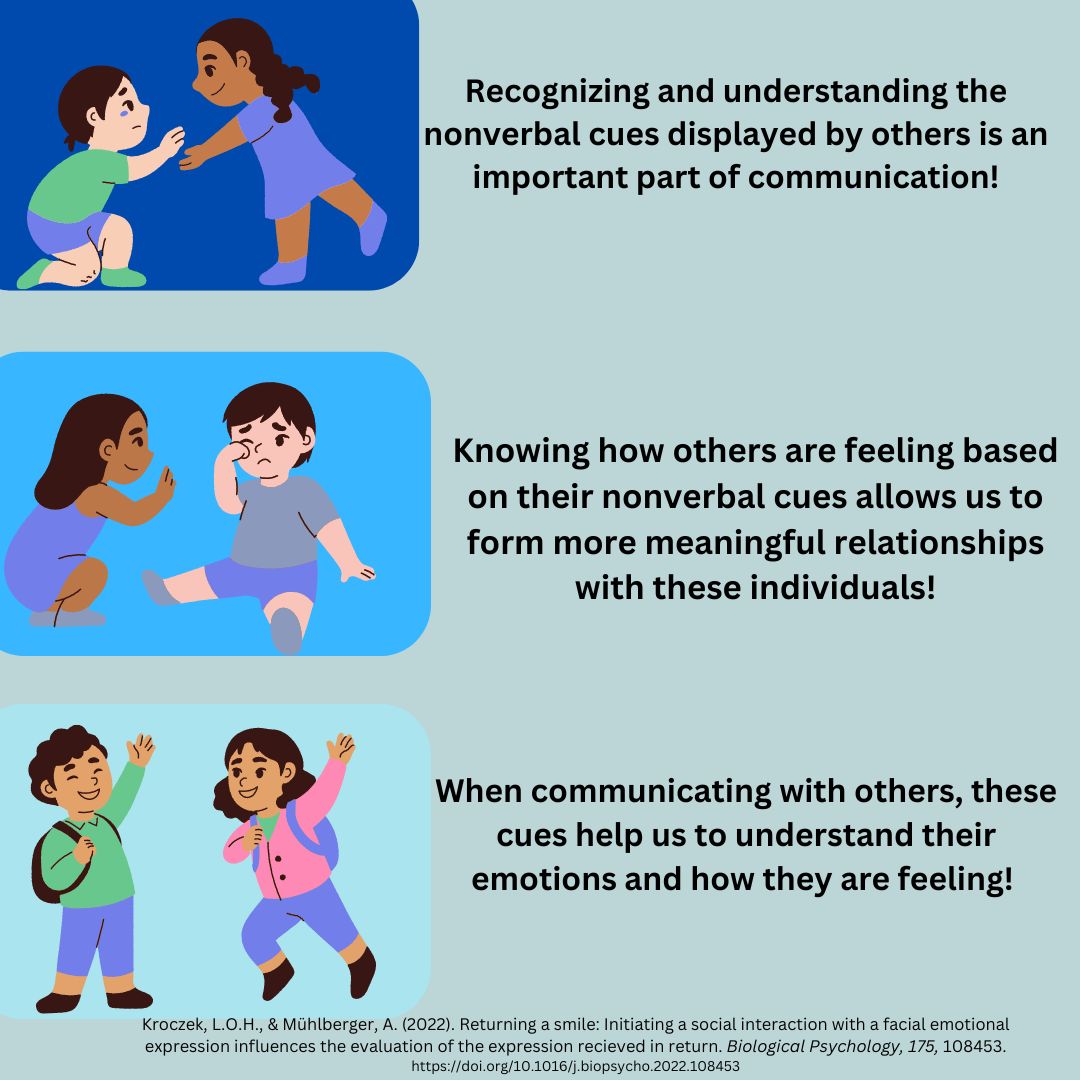
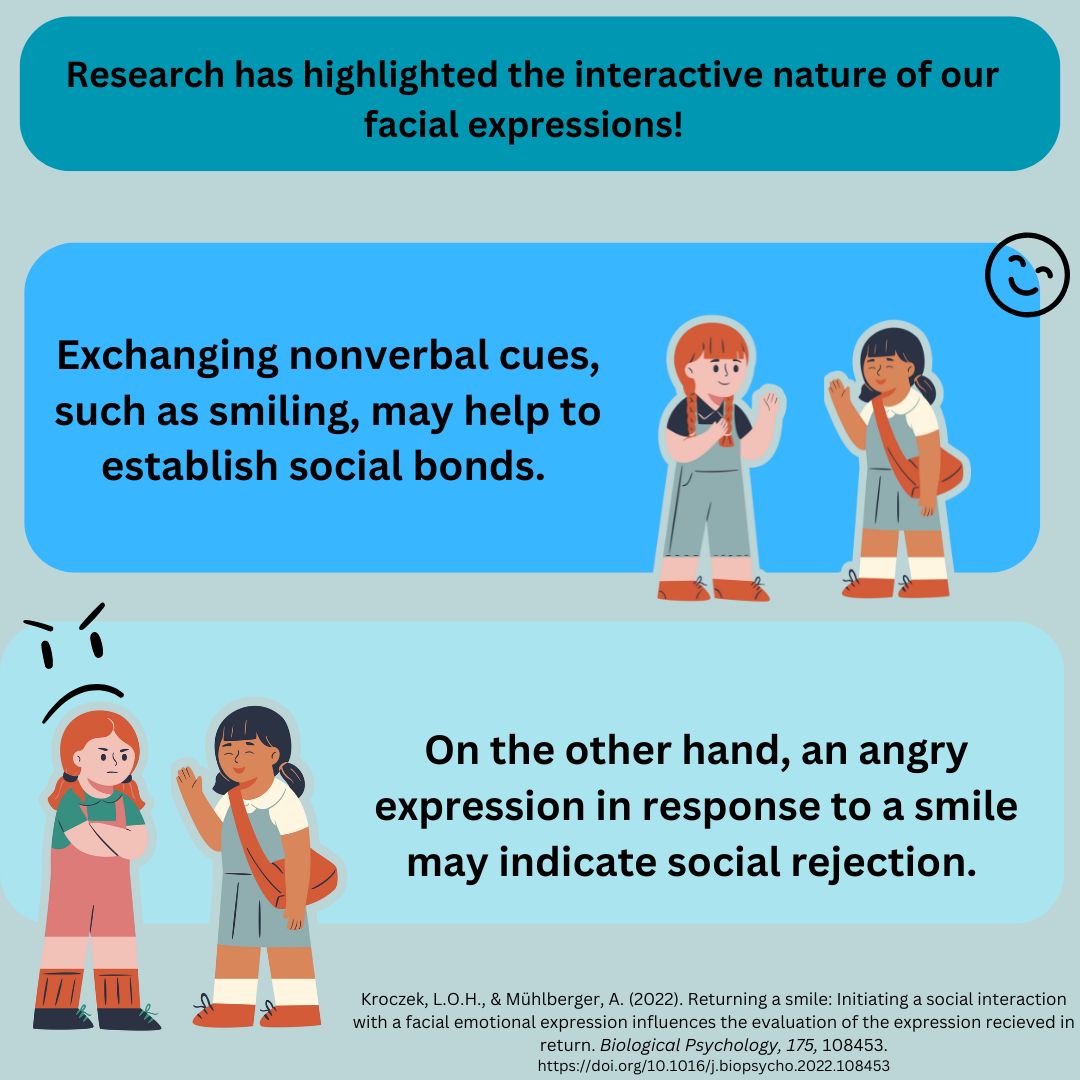
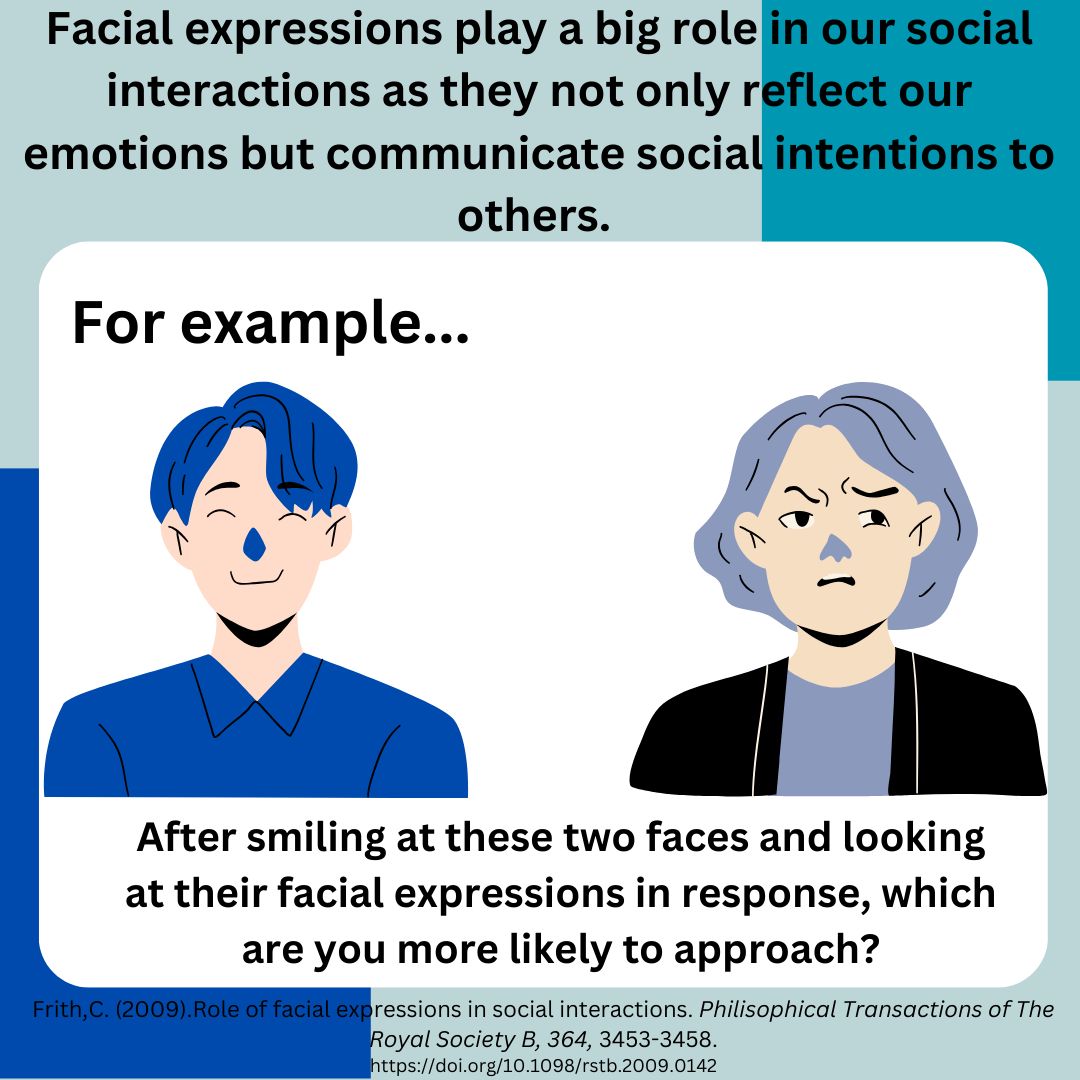
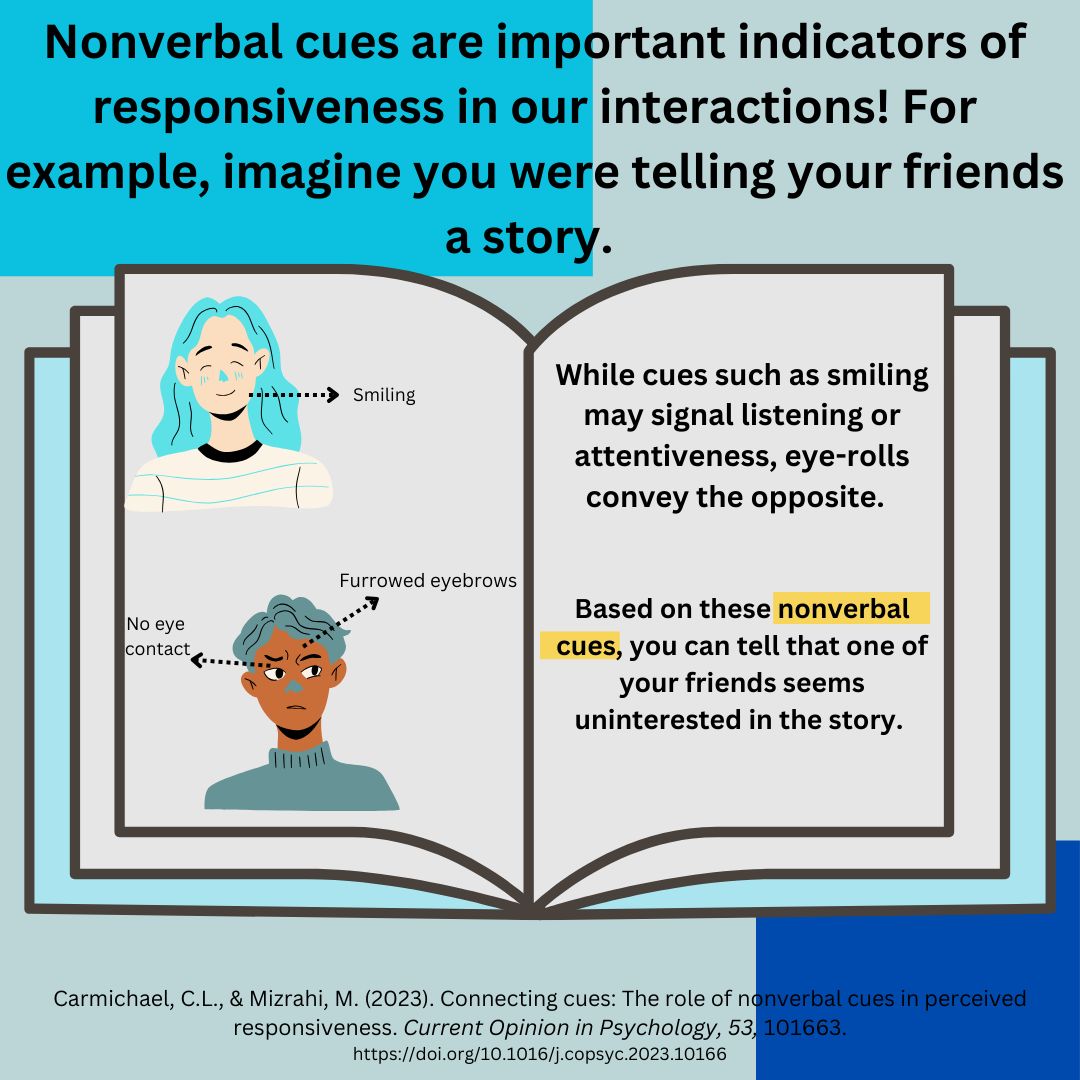
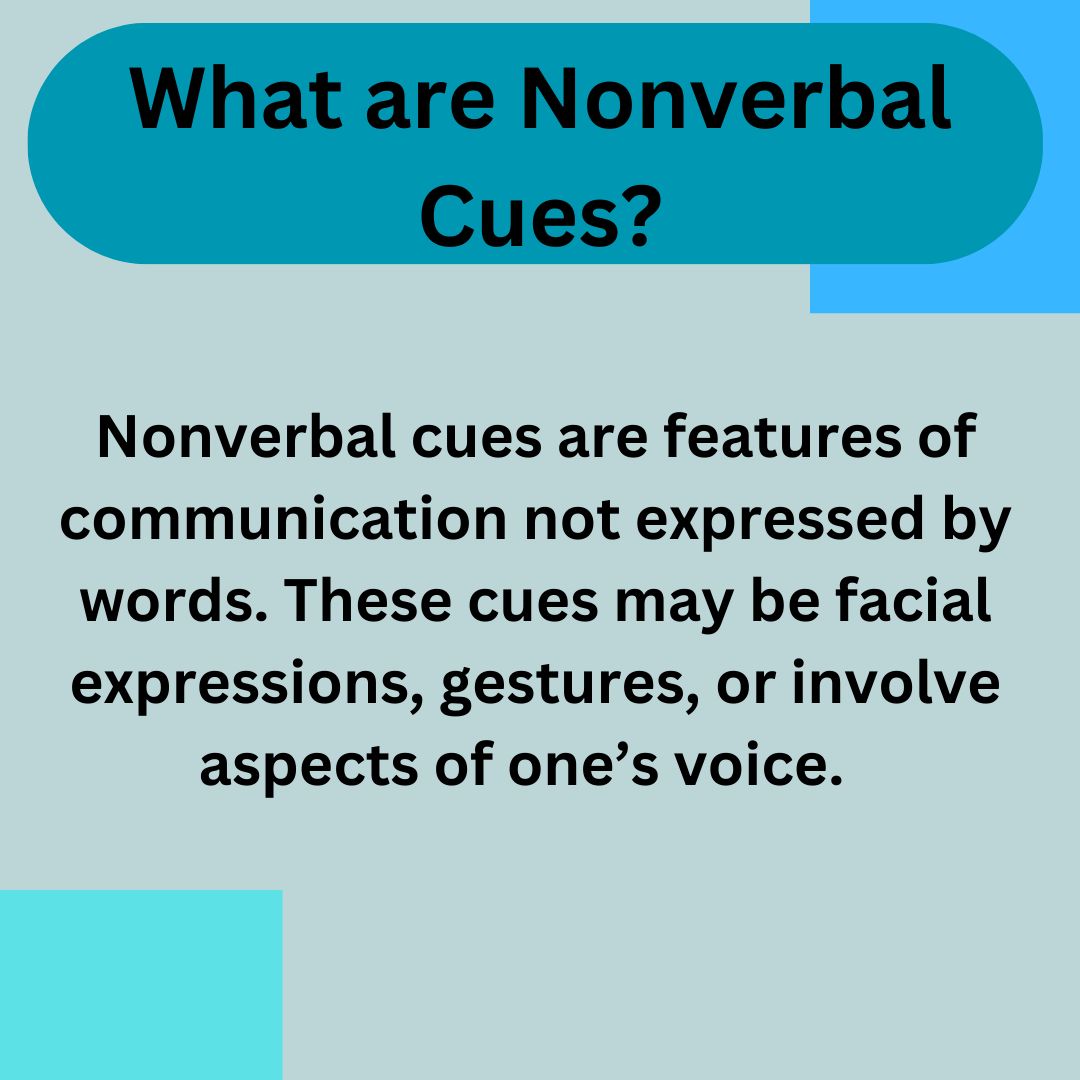
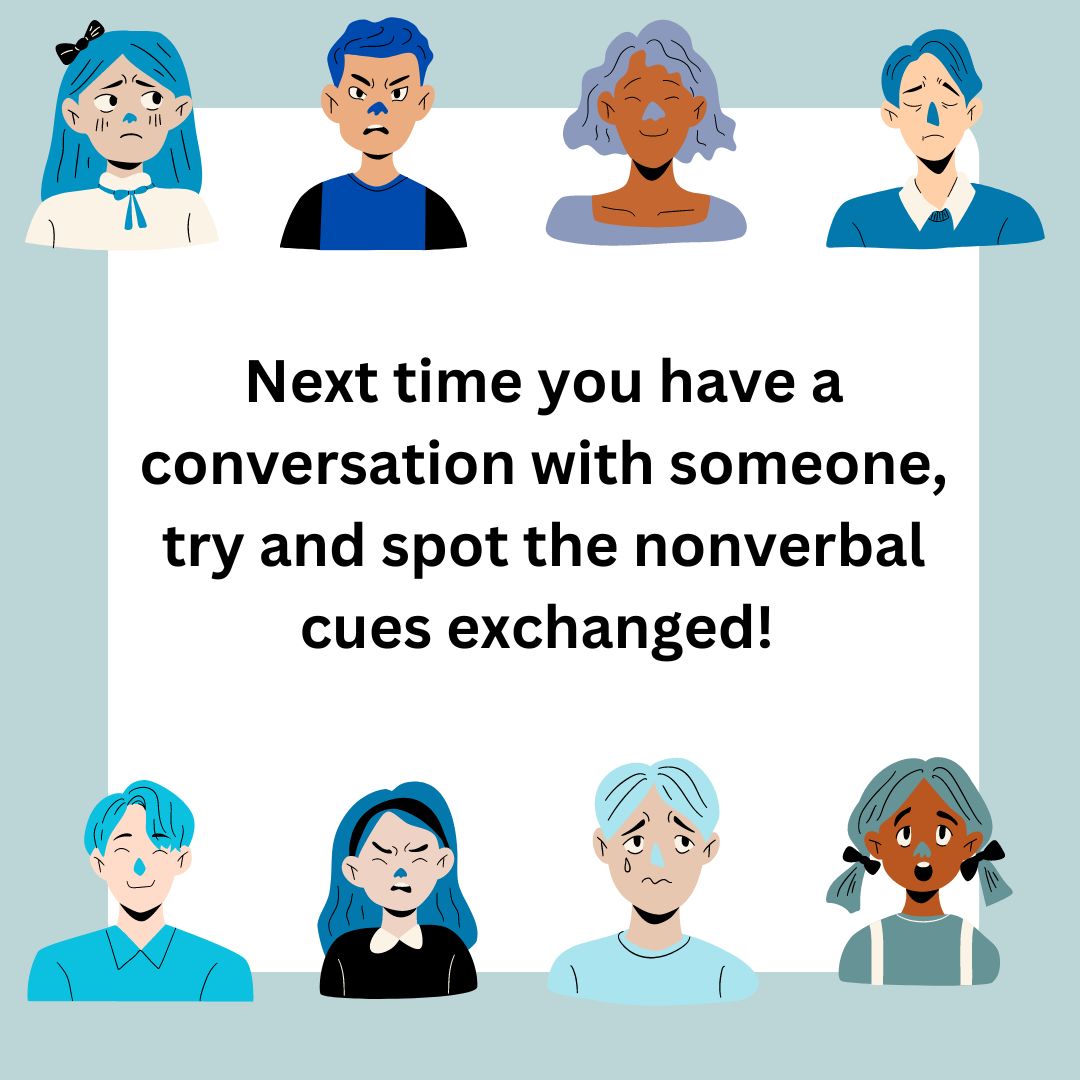
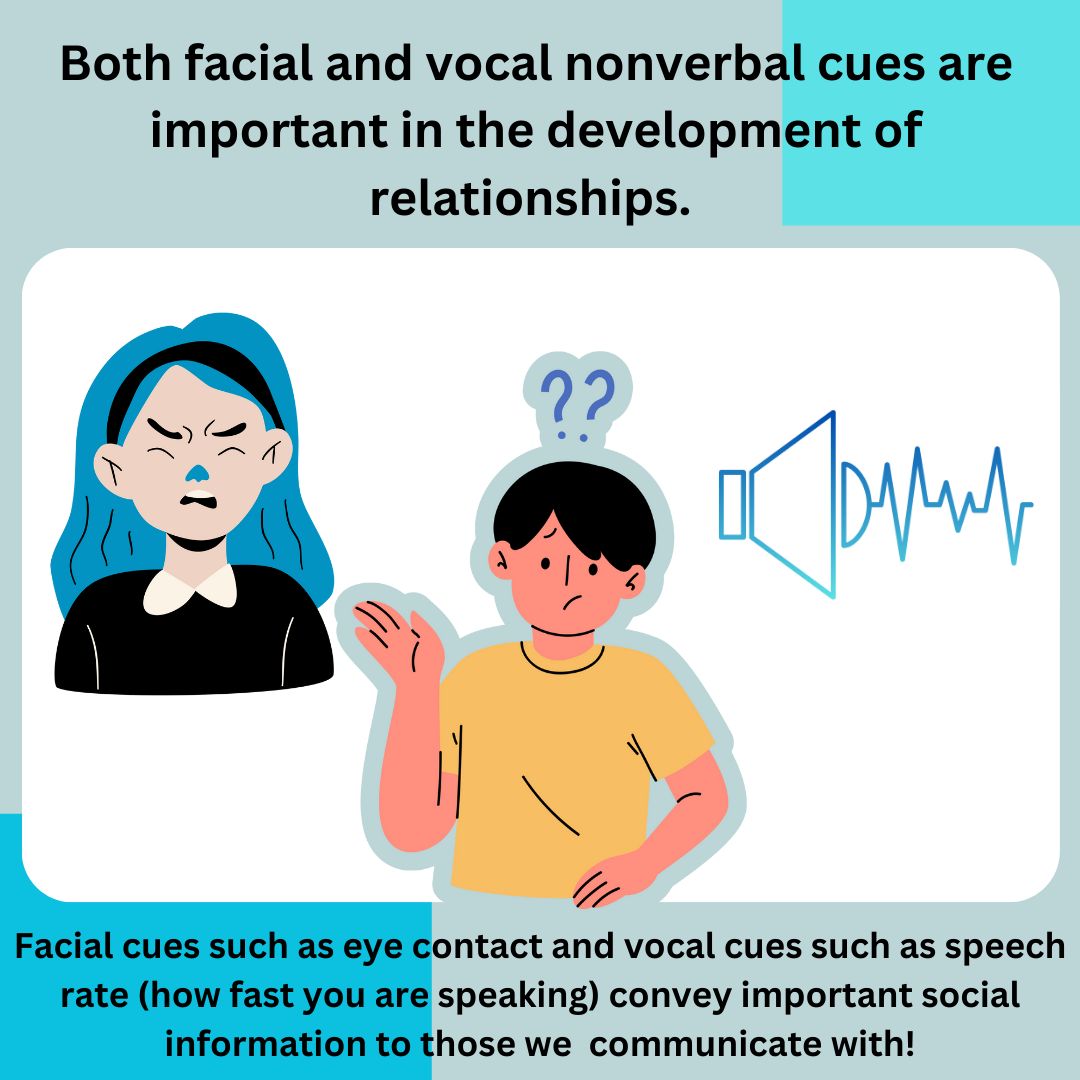
Think back to the last conversation that you had: what did you notice? 🤔 Maybe you noticed a smile, or maybe they avoided eye contact. These are examples of nonverbal cues! 🙊 This post explains nonverbal cues and their importance in communication. (✒️Selena Gabrielli)
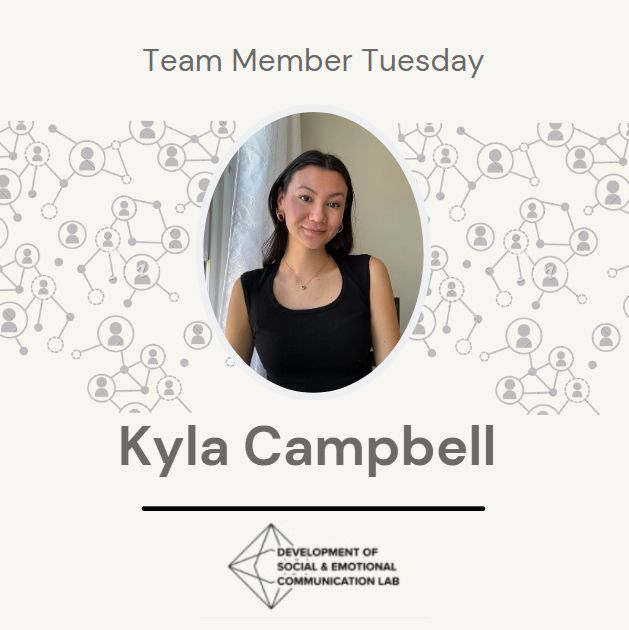
Kyla Campbell (she/her) – Lab Coordinator. Kyla is the joint coordinator for the DSEC Lab and EELab. She graduated from Queen’s in 2023. Kyla is excited to enhance the accessibility of scientific research and support the DSEC team in all of their ongoing projects. 😊
Does a history of depression affect vocal emotional expression? 🗣️ Research assistant Navid Shabani Barzegar describes the findings from former Honours thesis student and lab coordinator, Emma Ilyaz’s undergraduate thesis. Watch this video 🎬 to discover what they found! #scicomm
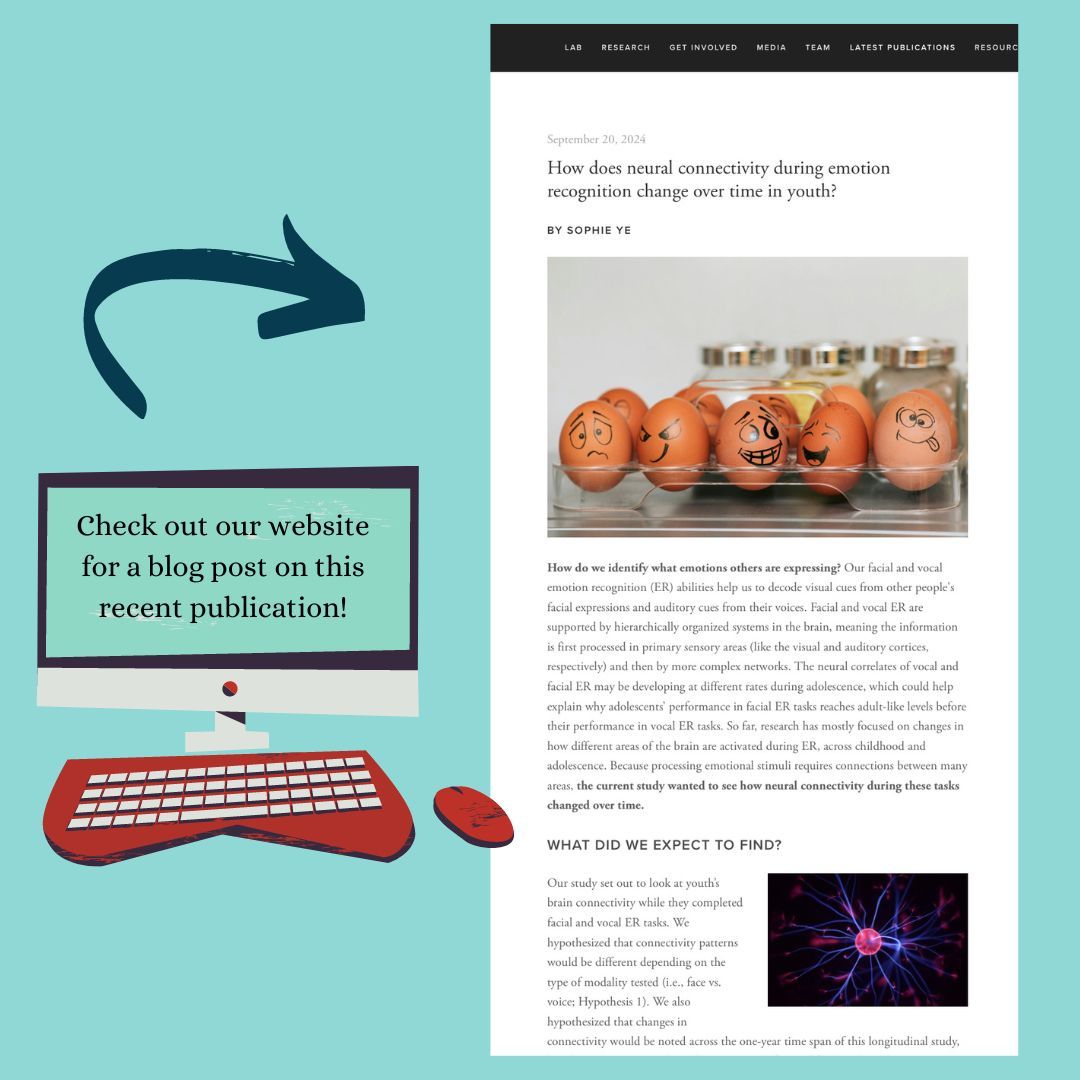
One of our directed lab students, Sophie Ye, wrote a blog post describing a recent paper by Dr. Morningstar and colleagues (published in Neuropsychologia). Check it out on our blog here! ✍️
https://t.co/fYtNdgT4c0
Have you ever wondered what our brain is doing when we are reading? 📖 This video describes the Dual-Route Model of reading, which proposes one possible explanation. Watch this video as it explores how our brains use the lexical reading route. (✒️ @MitacsCanada intern Ada Cheung)
Selena Gabrielli (she/her) – QU’25 BAH Psychology. Selena joined the DSEC Lab as a research assistant this past summer and is excited to continue to learn more about the recognition and production of emotional cues throughout adolescence.
#FunFactFriday: Establishing common ground during a conversation improved participants’ memory in an experimental task. 🗣️ This finding from @DanielNault_'s MSc work supports the idea that common ground and memory are linked conversational processes! (📷Jake Hartwig-MacDonald)