Dr. Strovski is an expert in genitourinary diseases such as bladder issues, urinary and kidney stones, cancer, incontinence, prostate disease and men's health.
@PeterAttiaMD I’m a member of your site but couldn’t find the answer there. I got a continuous gluc monitor (healthy 38yr old F) but I often become hypoG @ night or early am. How do I prevent this? What is an optimal day look like for a healthy person?
@PeterAttiaMD loved the Fasting discussion with Jason Fung. I would love to give a grand rounds talk on fasting at my hospital. Do you have a slide deck that you would be willing to share.
Incontinence is the involuntary expulsion of urine or faeces. In short, you can’t control your bathroom habits. Your type of incontinence could have been caused by something entirely different to someone else’s incontinence.
https://t.co/cO0tK3wQWa
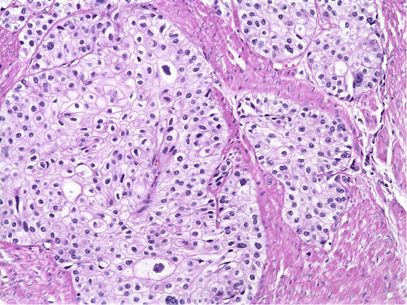
Squamous cell carcinoma is associated with chronic irritation of the bladder, for instance from an infection or from long-term use of a urinary catheter. It's more common in countries where a parasitic infection is a common cause of bladder infections.
Urothelial carcinoma, called transitional cell carcinoma, occurs in the cells that line the inside of the bladder. Urothelial cells expand when your bladder is full and contract when your bladder is empty.
Different types of cells in your bladder can become malignant. The type of bladder cell where cancer begins determines the type of bladder cancer. Each type requires different treatment.
You can prevent the bladder cancer if you:
•Don't smoke.
•Take caution around chemicals.
•Choose a variety of fruits and vegetables rich of antioxidants.
•A family history of hereditary nonpolyposis colorectal cancer, also called Lynch syndrome, can increase the risk of #cancer in the #urinarysystem, as well as in the colon, uterus, ovaries and other organs.
•Parasitic infection known as schistosomiasis may cause squamous cell carcinoma.
•Personal or family history of cancer. If you've had bladder cancer or if one of your first-degree relatives has a history of #bladdercancer, you may have an increased risk of the disease.
•Chronic bladder inflammation. Chronic or repeated urinary infections or inflammations (cystitis), such as might happen with long-term use of a urinary catheter, may increase the risk of a squamous cell #bladdercancer.
•Previous cancer treatment. Treatment with the anti-cancer drug cyclophosphamide increases the risk of bladder cancer. People who received radiation treatments aimed at the pelvis for a previous cancer have an elevated risk of developing #bladdercancer.
•Exposure to certain chemicals: arsenic and chemicals used in the manufacture of dyes, rubber, leather, textiles and paint products. This may increase the risk of #bladdercancer.
•Being white. White people have a greater risk of bladder cancer than do people of other races.
•Being a man. Men are more likely to develop #bladdercancer than women are.
Let's consider risk factors of #bladdercancer:
•Smoking. Smoking cigarettes and other tobacco increase the risk of bladder cancer by causing harmful chemicals to accumulate in the urine.
•Increasing age. Bladder cancer risk increases when you become older.
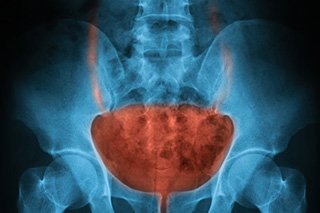
Bladder cancer develops when cells begin to grow abnormally. These cells develop mutations that cause them to grow out of control and not die. These malignant cells form a tumor.