A two-megawatt windmill is made up of 260 tons of steel that required 300 tons or iron ore and 170 tons of coking coal, all mined, transported and produced by hydrocarbons. It hold 700 gallons of oil and hydraulic fluid, and like car these need to be replaced every 9 months.
People might fall for the idea that we can merrily run on sunshine and breezes, alone, but with a few trillion dollars worth of mythical mega-batteries providing backup for a few minutes, it could spin until it falls apart over and over again and never generate as much energy as was invested in building it.
The sale of historic defence sites has nothing to do with “funding the military” and everything to do with Labor’s mission to “decolonize” Australia.
This is an active attempt to destroy heritage sites of Australians and erase a proud and strong culture
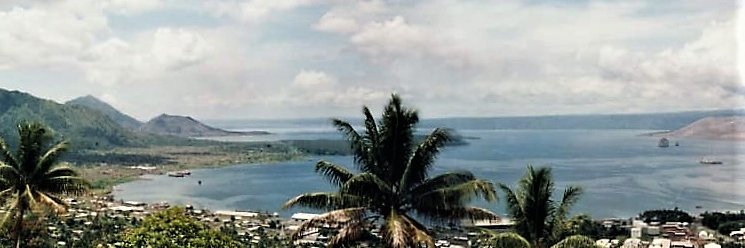
@Dane90012 Hi Dane, Sorry I can’t supply any info on that site. The Germans constructed numerous large gracious timber buildings in pre-WW1 Rabaul, Kavieng, Wewak, etc.
All were destroyed by prolonged Allied bombing as the war progressed. Concrete floor posts can often still be found.
Nuclear power represents a sustainable energy future with economic prosperity. Solar and wind power represent grid instability and energy rationing, which is government regulated.
That is why climate alarmists and most so-called “scientists” oppose nuclear. They are hard left, arguably Marxist, and don’t want the free market to sort it out. They want to control energy so they can control you.
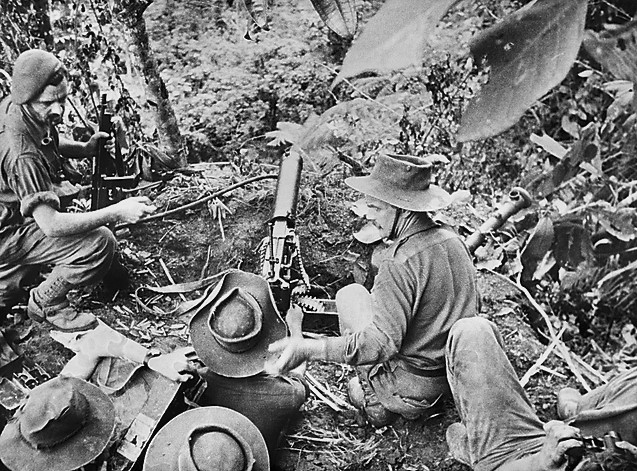
July 1943
Lt H. Egan, of the Australian 2/3rd Commandos, is at left with a pipe and holding his Thompson SMG.
He was killed in action a few days later on 21/7/43.
They are manning a Vickers MG in a jungle gunpit on a humid hotly contested ridgetop near Salamaua, New Guinea coast.
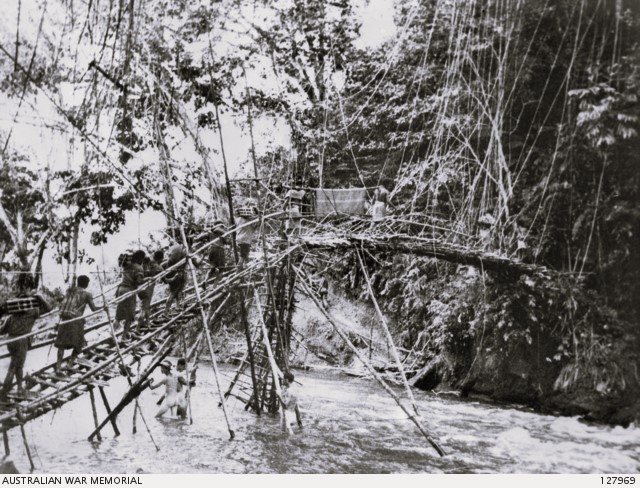
July 1943
New Guinea:
New Guineans cross a vine bridge over the Francisco River enroute to front line.
They carried mortar shells, stores and wounded soldiers on their shoulders over some of the toughest terrain in the world.
3 naked Australian engineers are at work in the river.
Some think @matt_barrie is a savant, others know he’s on the pulse
Know this. He is absolutely spot on when he calls out how dangerously close Australia stands at the cliff of economic collapse
Without cheap energy we cannot produce. Manufacturing has been systematically killed
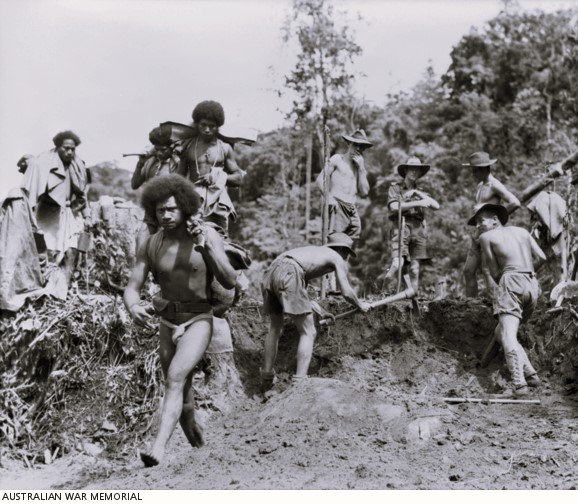
July 14 1943, New Guinea:
Sturdy carriers of the Mekeo people continue their work bringing key supplies forward as engineers of the 11th Australian Infantry Division use hand tools to laboriously carve a road through humid jungle from Bulldog outpost through the mountains to Wau.
Kiriwina Island,
Papua.
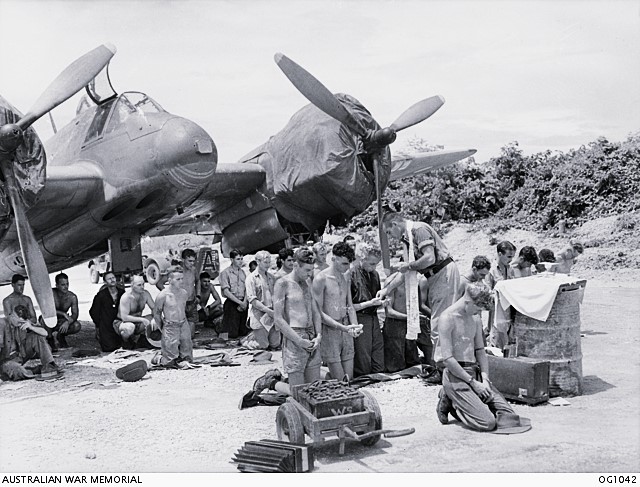
Easter Sunday 1944:
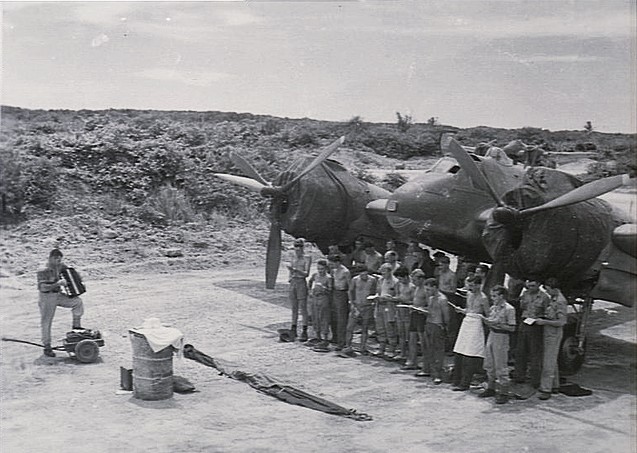
Ground Crew of Australian No.30 (Beaufighters) Squadron RAAF kneel at an Easter service in front of one of their aircraft in a service bay, using an oil drum as an altar.
Flt Lt Hardie of Brisbane, Chaplain, distributes communion hosts.
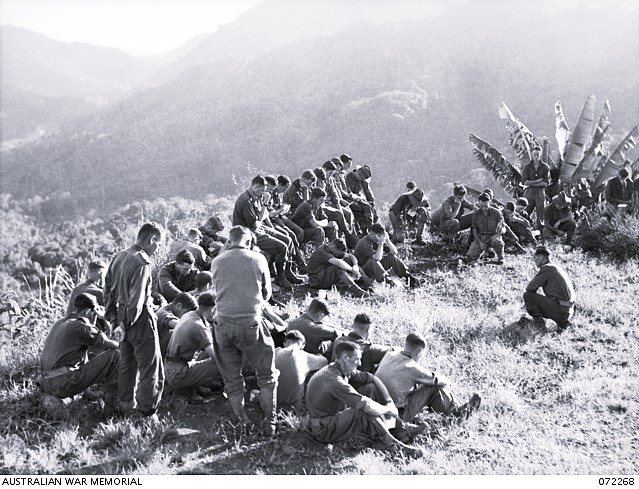
New Guinea
1944
Easter Sunday
Yaula, Finisterre Ranges
57/60th Australian Infantry Battalion's chaplain, G. Sambell, conducts a solemn early morning mountaintop service overlooking the base area of the Japanese 78th Regt at Bogadjim village.
Five days later the base was taken.
⤵️
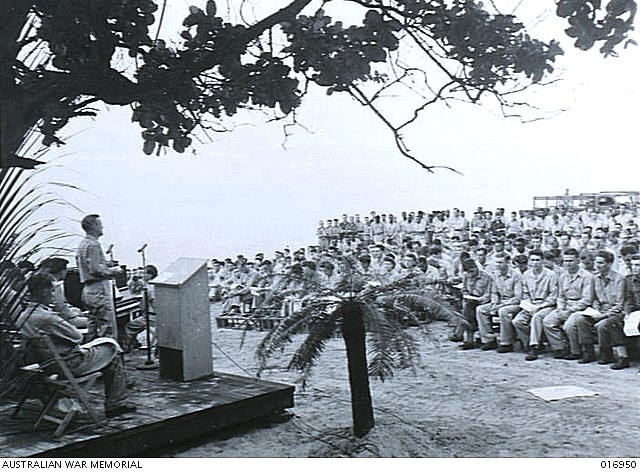
New Guinea.
1944
Easter Sunday morning
At dawn on a beach at Saidor, on the humid New Guinea coast, troops of the Australian 8th Infantry Brigade along with troops of the American 32d Infantry Division (Wisconsin & Michigan National Guard) attend a non-denominational service.
⤵️
Kiriwina Island
Trobriand Islands
Solomon Sea.
Off the north coast of Papua New Guinea:
On a sultry, humid tropical 1944 Easter Sunday morning, the chaplain of No 30 (Beaufighters) Squadron, Flt Lt Hardie, leads the hymn singing with his accordion.
The oil drum used as an altar.
Goodenough Island, near Milne Bay,
Solomon Sea, Papua.
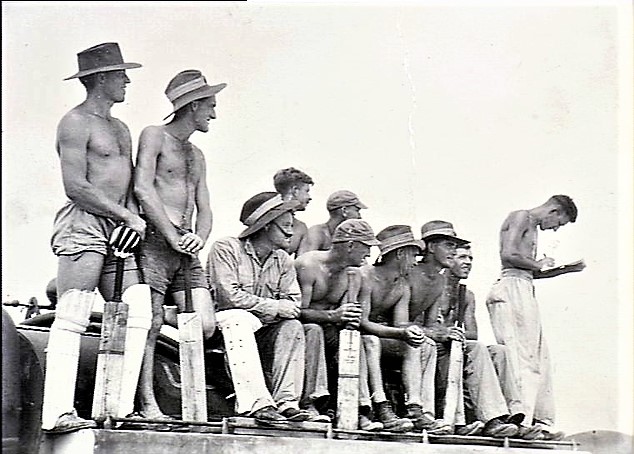
Boxing Day 1943:
Australian airmen of RAAF No. 30 Squadron (Beaufighters) sit keenly watching the play, ready and waiting to go into bat.
The scorer at right is carefully noting all the batting, bowling and fielding details.
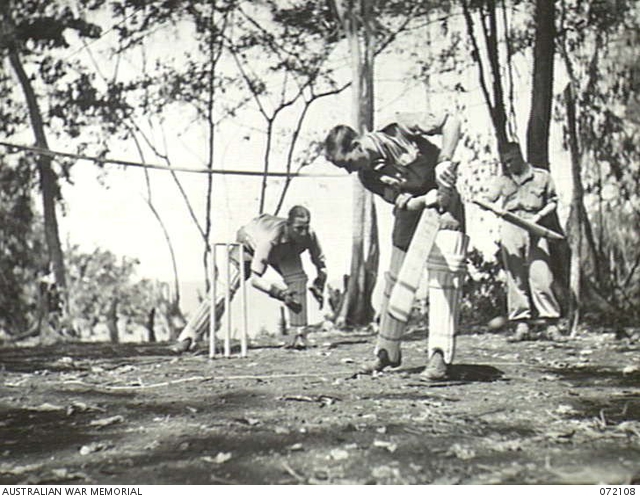
New Guinea coast
5th April 1944:
Using Army Amenities Service gear, Australian soldiers of 5th Division play cricket on a rough pitch at an advanced base near Finschhafen.
Wicketkeeper is W/O E. Kruger,
Batsman S/Sgt D. Ross,
Fielder distracted by new bat is Sgt J. McPherson.
⤵️
@freakWSA My apologies.
You are correct.
That damage is definitely caused by climate change.
I presume your property damage is receiving extensive media coverage.