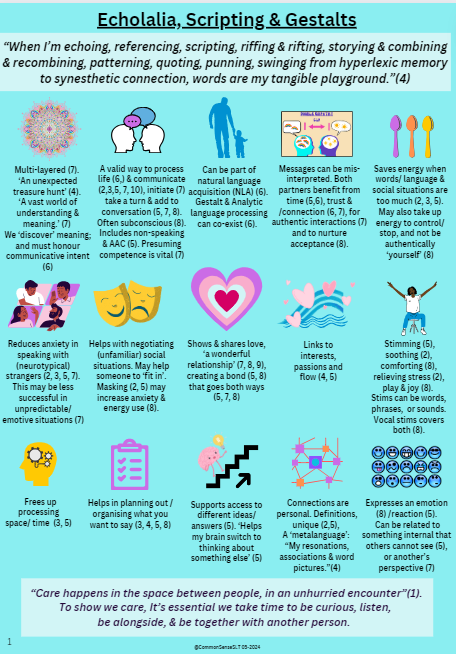
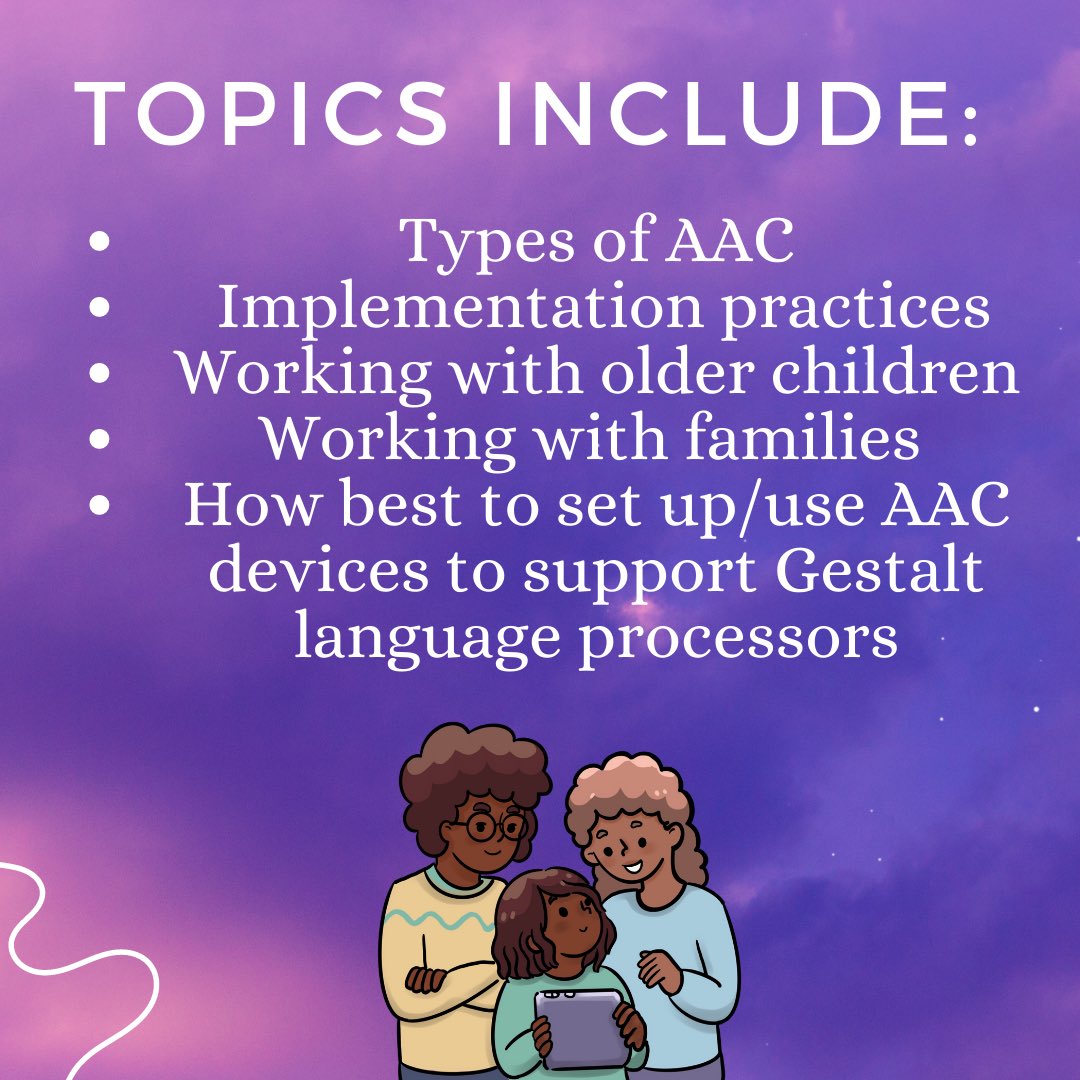
Updated resource 💜https://t.co/Q0zpCl1lRR Including reference to Haydock, A., Harrison, L., Baldwin, K., & Leadbitter, K. (2024). Embracing gestalt language development as a fundamental neurodiversity-affirmative practice. Autism, 28(5), 1055-1059. 💜https://t.co/694QIuR0Hl
Our Head of Scotland office, @Glennetal, gave an insightful interview on @BBCScotNine last night. He addressed important issues surrounding Speech and Language Therapy for children in Scotland. Watch here from 38:43, available until 10pm tonight @RCSLT https://t.co/L2bkrvIrsy
Our colleagues in the fabulous OT CYP team and looking for a new Band 5. Please share and get in touch with Shona if you’d like to know more #OccupationalTherapyCYP#SLTCYP#Besties
Delighted to be at the Scottish Health Care Awards this evening with our amazing Claire SLT nominee for the AHP award. Always a winner in our eyes! Huge Thankyou to Joanna for Claire’s nomination for her work with baby Freddie #scothealthawards
This is Amelia who has just started secondary school, she also has DLD! Will you be supporting international DLD Day on 20th October 2023?
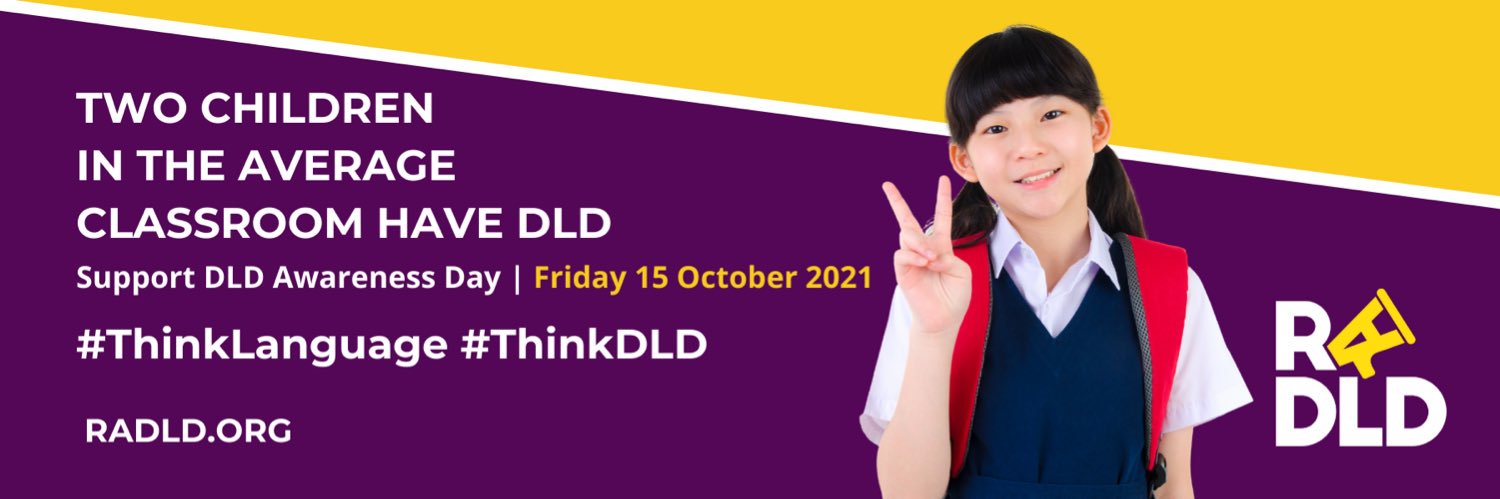
Recent research has shown that, on average, 2 children in every class of 30 will experience DLD severe enough to hinder academic progress.
One of my favourite change quotes is from @nancymdixon: "The greatest knowledge deficit in organisations is not the lack of sharing nor poorly designed repositories. Rather, it is the inability to hold authentic conversations". So I was delighted to see these ideas expanded in this blog & sketchnote from @tnvora: https://t.co/sFtO3ZsbId. Conversations are the currency of great leadership.
Bringing our bad mood to work can have greater impact than we think. Recent research from @LSEManagement suggests that leaders who demonstrate consistent positive emotions at work (as opposed to fluctuating emotions) create the conditions for more positive, engaged teams & better outcomes. The researchers say leaders should:
1) Build emotional intelligence (EQ), including a deep understanding of emotions at work
2) Recognise the power of maintaining consistent positive emotions at work
3) Be aware just how much our own emotions can be influenced by the mood or behaviours of the people who lead us:
https://t.co/TQc1dILrB6
“Thank you again for the wonderful training last week, I have been talking about it every chance I get."
Our training course on Communication Needs and Upholding Rights for children in conflict with the law returns on 6 & 7 November.
Book your slot at: https://t.co/q4a3uuF3Uy
Do you have an interest in mental health, and enjoy working with children, young people and their families? Are you looking for an exciting new challenge?
If you do this could be the career path for you.
Click on the below link to find out more.
https://t.co/YsX5RMv3CB https://t.co/AbOd8QEZ5Y
Developmental Language Disorder (DLD) occurs in every language. What is it like in your language? How well is it known in your country? October 20 is the day when we will join hands to let people know about DLD!
@RADLDcam#devlangdis#DLDday
In this article we see how speech, language and communication needs have been a key driver in the surge in additional support needs being identified since the start of the pandemic, yet we need more investment in SLT services to meet the scale of this increase.
📢CALLING ALL PARENTS & CARERS
👪Children's services are assessing the need for Parenting Programmes across the D&G region.
👨👧👧Please see the leaflet which has been developed to try and gain parent and carer views.
👨👩👧👧Closing date 29th September 2023.
#parents#voicesheard