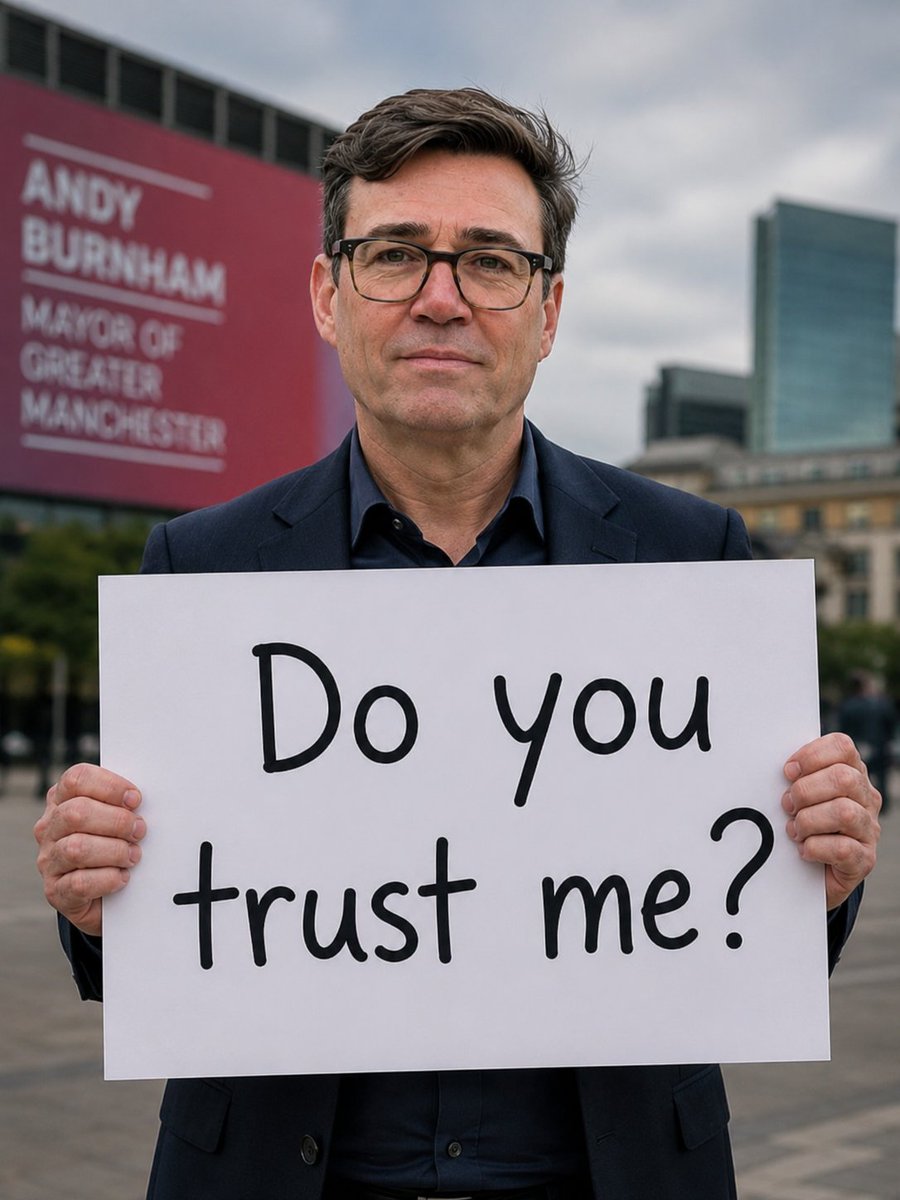
Not a fucking chance Burnham, you and raynor and Starmer ha e been cooking this parachute into No10 for over a year, doesn't take a week to get the lease on a massive building like the one in Manchester and to staff it in 5 days, 1 year at least,, you bunch of lying bastards.
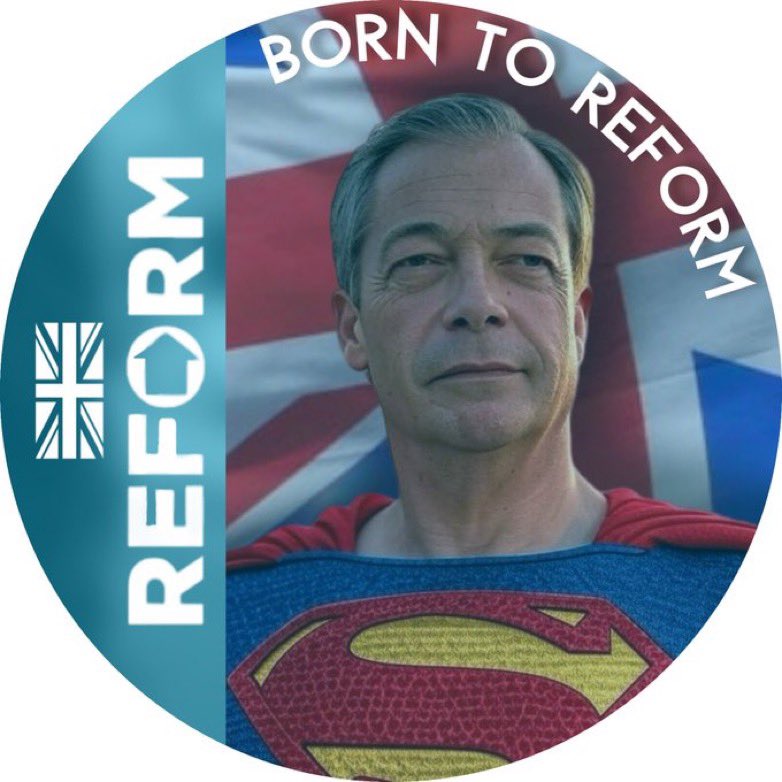
🚨 The reason Reform UK’s rise under Nigel Farage has felt so successful and, to many people, so organic is because Nigel Farage has been remarkably consistent in his political beliefs for decades.
Whether people agree with him or not, Farage has been making the same arguments since the 1990s. He campaigned against deeper European integration long before Brexit became mainstream. He consistently argued for stricter immigration controls, lower taxation, reduced bureaucracy, and greater national sovereignty. Those positions remained largely unchanged through UKIP, the Brexit Party, and now Reform UK.
That consistency matters in politics. Voters views may differ with a politician’s views on occasions, but they often respect someone who appears to genuinely believe what they are saying rather than simply chasing opinion polls. Trust is built over years, not weeks.
Reform’s growth has reflected this. In recent years, the party has surged in opinion polls and translated that support into parliamentary representation, attracting many former Conservative and Labour voters who felt that the established parties no longer represented them. While individual election results fluctuate, Reform’s rise has been driven by long-standing themes rather than sudden policy reinventions.
By contrast, the traditional parties and many newer political parties struggle because they appear to be searching for an identity or they are swayed but voters. Policies are regularly adjusted to gain short-term media attention or appeal to whichever issue dominates the headlines. That may generate temporary support, but voters eventually notice when positions change too frequently or seem designed to maximise electoral advantage rather than reflect genuine conviction.
This is the challenge facing failing movements like Restore and other emerging parties. If a political movement is constantly tinkering with its message in pursuit of quick gains, it risks appearing reactive rather than principled. Over time, inconsistencies become more obvious, and public confidence becomes harder to maintain.
History shows that the most enduring political movements are usually built around clear principles that remain consistent, even when they are unpopular. Margaret Thatcher remained committed to free-market economics despite fierce opposition. Tony Blair consistently advocated New Labour’s centrist approach before entering Downing Street. Nigel Farage’s supporters, including me believe his consistency on sovereignty, immigration, and Brexit has created a similar sense of authenticity.
Ultimately, politics is about more than producing the right slogan or the most popular manifesto. It is about convincing people that your beliefs are genuine and that you will still hold those beliefs when they become politically inconvenient.
That is why Reform’s rise has resonated with so many voters. It is not simply because of one election campaign or one policy announcement. It is because millions of people see a leader who has spent decades saying the same thing, while much of the political establishment has frequently changed direction.
Whether people support Reform or oppose it, consistency is one of the strongest foundations on which lasting political trust is built.
Kids today grow up as feral animals. Fatherless homes. No discipline. Terrified teachers. These horrible little shits ought to be made to replant the work of good men and the fruits of hard-pressed council tax.
🇬🇧🇬🇧 If reports are true that Carol Vorderman will stand for the Green Party against Nigel Farage in the Clacton by-election, has the Green Party changed its policy on single-use plastics?
🟢 A) Yes
🔴 B) No