Video gamer, movie watcher, comic collector, reviewer, mammal, convention attendee. Find me on the PSN, I'll game with ya. Tag is Gamer4Life1979. He/him/his.
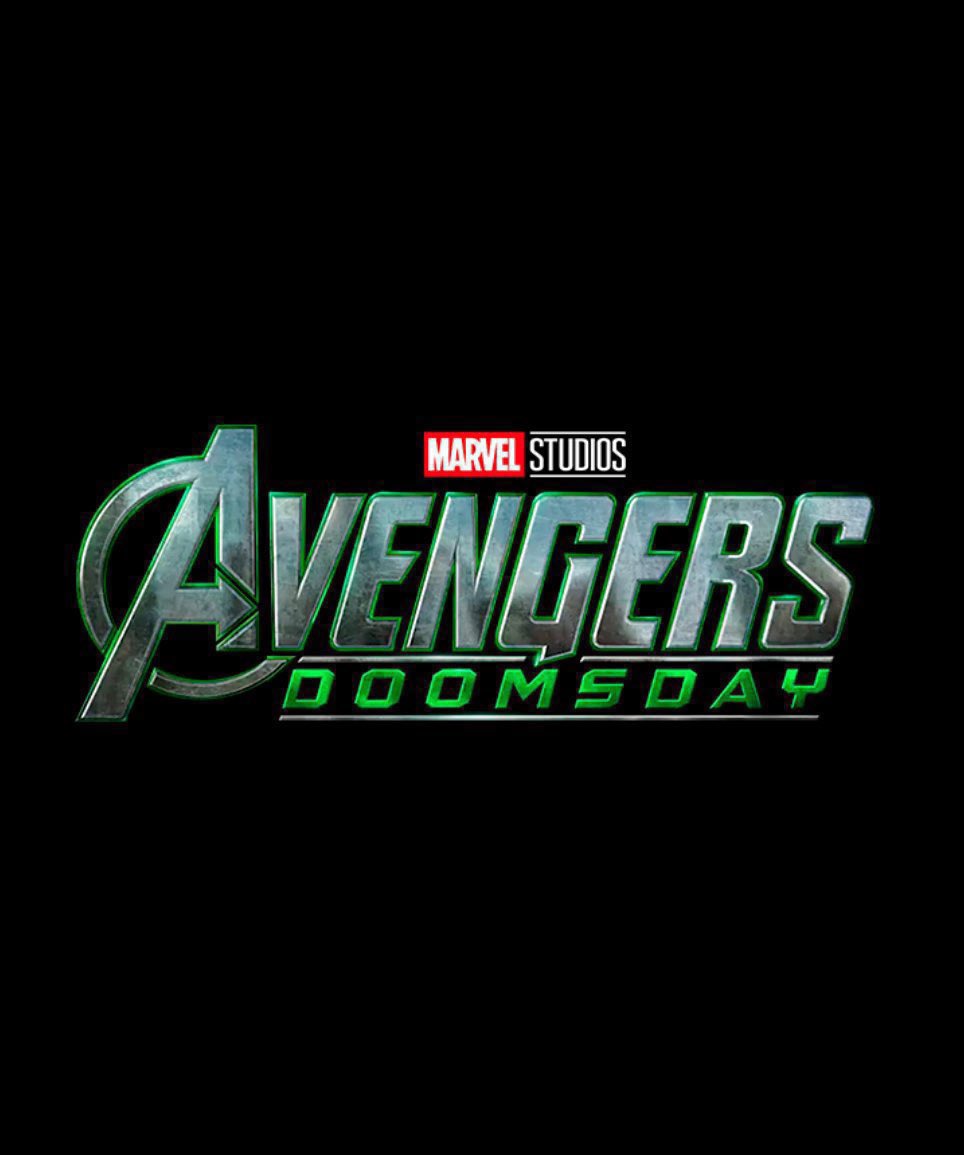
The connection between Endgame and Doomsday has been sitting in front of us for 7 years
At the end of Endgame, Steve went back in time to live with Peggy. Everyone cheered. Nobody asked what that actually did to the timeline.
It created a branch that was never supposed to exist.
A man who was meant to return stayed. And that decision quietly started breaking the multiverse.
Loki found out before anyone else. He visited Steve who was living peacefully with Peggy and their child and warned him the TVA was coming to prune his illegal timeline.
So Loki moved Steve and his family to the one universe where they never existed the Fantastic Four's Earth.
Steve had no idea any of this was connected to Incursions. He just wanted a quiet life. And for years he got one.
Doom had been tracing the source of the multiverse collapse across every universe.
Every Incursion. Every world being destroyed. All roads led back to one moment one man in 2019.
Reed and Doom found Steve on Earth-828 and explained everything. The man who thought he had finally escaped his duty learned that his one act of selfishness the first truly selfish thing Steve Rogers ever did was the reason worlds were dying.
He agreed to come back.
Not as Captain America. That identity belongs to Sam Wilson now. Steve returns as himself the one person every hero from every universe still trusts without question.
The Endgame re-release in September will reportedly show the missing footage Steve's life after he went back, and how it all connects to what Doom is doing.
George Lucas traded $350,000 in directing salary for something Fox executives thought was worthless: the right to sell Star Wars toys.
It was 1976. Over 40 studios had already passed on his script, including Disney. Fox only greenlit the project because they wanted Lucas for other films. Nobody at the studio expected to make money on a space opera with no stars, so when Lucas offered to cut his directing fee from $500,000 to $150,000 in exchange for merchandising and sequel rights, Fox said yes on the spot. Movie merchandise was a dead business. Fox had lost money on Doctor Dolittle lunchboxes a decade earlier. They thought they were getting the better deal.
Lucas couldn’t even find a toy company that wanted in. Kenner, a division of cereal company General Foods, finally bought the licensing for a flat $100,000. Then Star Wars opened. Between 1977 and 1978, Kenner sold $100 million worth of toys off that $100,000 investment. They couldn’t make enough for Christmas ’77, so they sold empty boxes with IOUs inside, promising to mail the action figures later. Parents paid real money for cardboard and a promise.
Nobody around the production saw any of this coming. Alec Guinness, who played Obi-Wan, privately called the script “fairy-tale rubbish.” But he was shrewd enough to negotiate 2.25% of royalties instead of a flat fee. About 20 minutes of total screen time earned his estate somewhere between $50 million and $100 million. Lucas himself was so convinced the film would flop that he offered Spielberg a bet while visiting the Close Encounters set: swap 2.5% of each other’s profits. Spielberg took it. That handshake has paid him around $40 million.
And then the money started compounding. Lucas poured his Star Wars profits into ILM, the effects house he’d built for the film. When its computer graphics division got too expensive to maintain, he sold it to Steve Jobs in 1986 for $10 million. Jobs renamed it Pixar. Disney bought Pixar twenty years later for $7.4 billion. Then in 2012, Disney came back for the rest, buying Lucasfilm itself for $4.05 billion.
Total franchise revenue today sits around $46.7 billion, over $20 billion from merchandise alone. The filmmaker 40 studios passed on is now worth $5.3 billion according to Forbes. Fifty years ago today, cameras rolled on a desert in Tunisia.
The $350,000 pay cut that made it all possible might be the best trade in business history.